
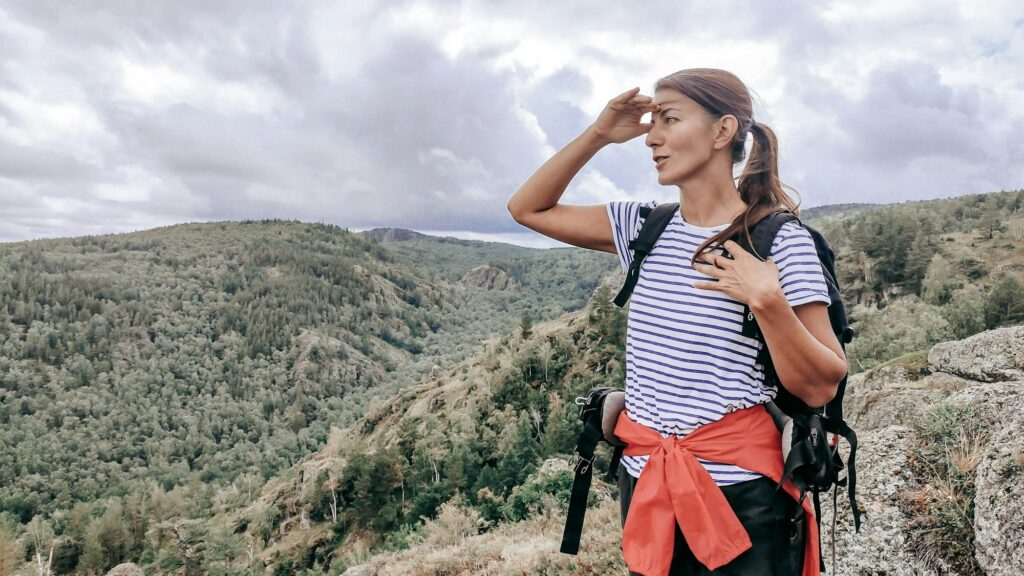
Yes — solo travel after 50 is thriving in 2026, with women now representing 37 million travelers and an estimated $245 billion in spending power across North America and Europe alone. Eight standout destinations lead this guide: Japan, Iceland, and Portugal for safety-first beginners; Georgia and the Camino de Santiago for budget trips from $27/day; Oman, Morocco, and Rwanda for deeper cultural immersion. Community platforms like Copines de Voyage, WeRoad, and NomadHer now make « solo » compatible with built-in companionship. First trip? Start with Portugal or the Camino de Santiago, then build up from there.
You’ve raised your children, built your career, weathered storms, and celebrated triumphs. So what now? Now, it’s your turn. In 2026, solo female travel after 50 is no longer a bold exception — it’s a full-blown movement reshaping the global tourism industry. According to a study by JourneyWoman, the market of female travelers over 50 now represents 37 million women in North America and Europe alone, with an estimated spending power of $245 billion. In France, Ulysse.com reports that 40% of women are considering a solo trip in 2026 — a figure that has doubled in five years.
Tour operators have taken notice. Intrepid Travel has recorded a 59% surge in bookings for women-only expeditions, while specialized agencies like Copines de Voyage and WeRoad are smashing their targets. For this generation that has seen it all, the new luxury is no longer measured in sea-view suites but in depth of experience, authentic human connections, and the incomparable freedom of answering to no one but yourself.
This guide was born from a simple conviction: it’s never too late to set off, and the best time is right now. Eight carefully curated destinations, supportive travel communities, practical advice on safety and budgeting — here is everything you need to take the leap in 2026.
1. Japan — The Art of Solo Serenity
Japan
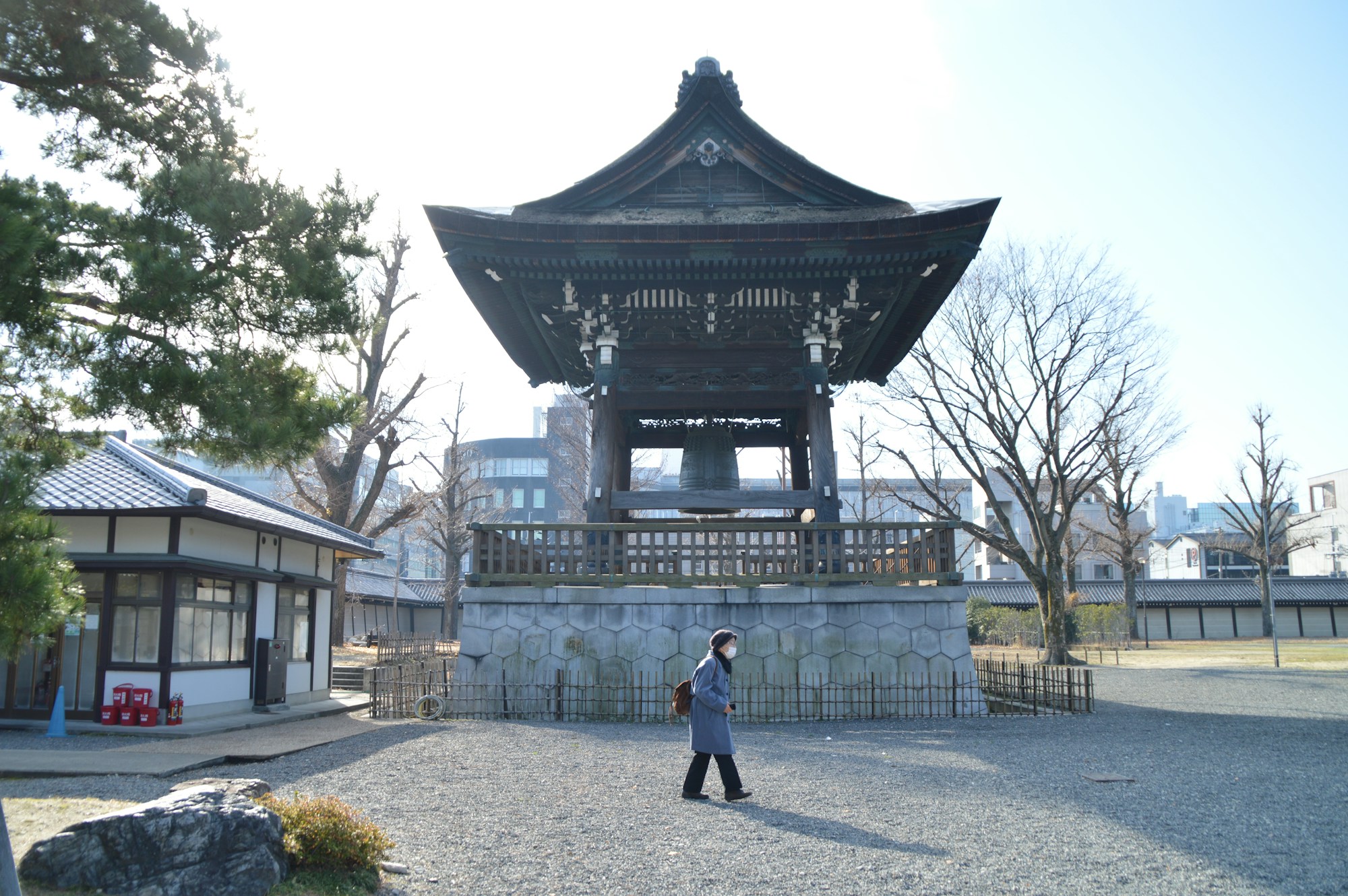
Japan is consistently ranked among the safest countries in the world for solo female travelers — and for good reason. According to Euronews Travel, the crime rate is among the lowest on the planet, public transportation runs with legendary punctuality, and the culture of respect — omotenashi — infuses every interaction. You can walk through Tokyo at midnight without a worry, take an overnight train to Kyoto in complete peace, or lose yourself in the alleyways of a mountain village without ever feeling unsafe.
But beyond safety, it’s the Japanese philosophy of wabi-sabi — the beauty of imperfection and impermanence — that resonates especially with travelers in this age group. Nights in a ryokan (traditional inn), the ritual of onsen (hot spring baths), the contemplation of Zen gardens: everything here invites slowness and introspection. According to JourneyWoman, Japan ranks in the top 3 destinations favored by women over 50 in 2026, thanks to this unique combination of safety, cultural depth, and comfort.
Budget-wise, Japan is more accessible than you might think. With the relative weakness of the yen in 2026, a meal at an excellent neighborhood restaurant costs between $9 and $16, a shinkansen ride from Tokyo to Kyoto runs about $110, and a night in a ryokan starts at $65 with a kaiseki dinner included. The Japan Rail Pass remains a smart investment for exploring the country in depth. Entry taxes and JR Pass rules have both shifted this year — check our 2026 guide to what’s changing for visitors before you book.
Highlights
- Exceptional safety at any hour of the day or night
- Ryokans and onsen for a deeply restorative wellness experience
- Impeccable public transportation that’s easy to navigate
- Refined yet affordable cuisine, even dining solo at the counter
2. Georgia — The Caucasus, a Land of Hospitality
Georgia
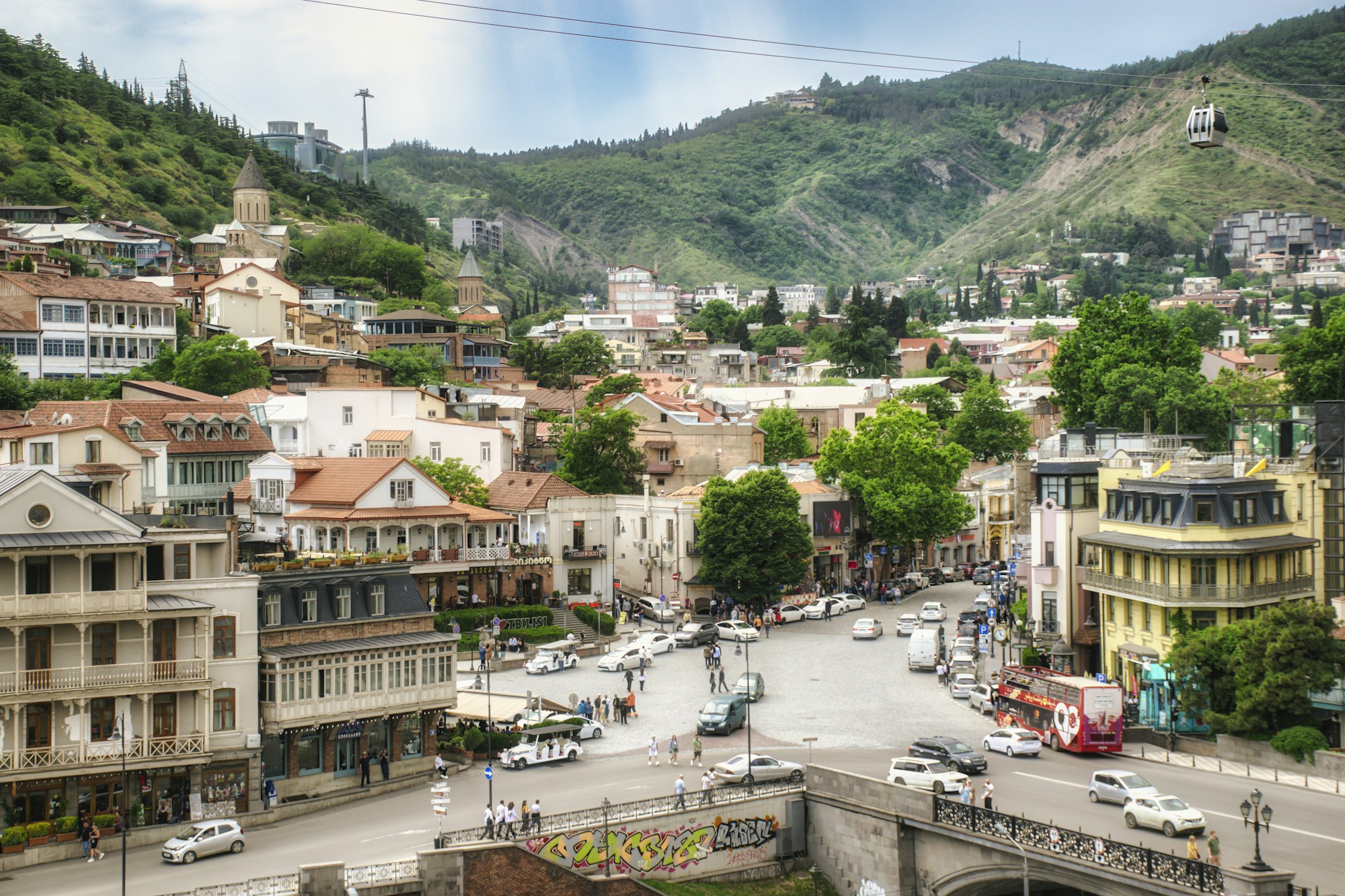
Georgia is one of the most exciting revelations in solo female travel for 2026. This small Caucasus nation, nestled between Russia and Turkey, possesses one of the oldest hospitality traditions in the world — the stumari, or guest, is considered « sent by God. » According to Thafael.com, Georgia has become one of the most recommended destinations for women traveling alone, thanks to a very low crime rate, disarmingly kind locals, and a cost of living that defies all competition.
For $32 to $65 a day, you live like royalty: a charming family guesthouse in Tbilisi ($16-27), a full Georgian feast of khinkali, khachapuri, and a glass of natural orange wine for under $11, and local transportation that’s practically free. Georgia is also the cradle of winemaking — wine has been produced here for 8,000 years in clay jars buried underground (qvevri), a method inscribed on UNESCO’s Intangible Cultural Heritage list.
The landscapes are breathtaking: the Greater Caucasus Mountains soaring above 16,000 feet, medieval churches perched on dizzying promontories (like the iconic Gergeti Trinity Church), the villages of Tusheti accessible only in summer via spectacular mountain roads. This is a country best discovered at a leisurely pace, to the rhythm of toasts raised in your honor during those never-ending dinners where you’ll always be invited to the family table.
Highlights
- Ultra-affordable budget: $32-65/day all-inclusive
- Legendary hospitality and warm welcome from locals
- Birthplace of wine with unique tasting experiences
- Stunning landscapes from the Caucasus to the Black Sea
3. Oman — The Authentic Orient in Complete Safety
Oman
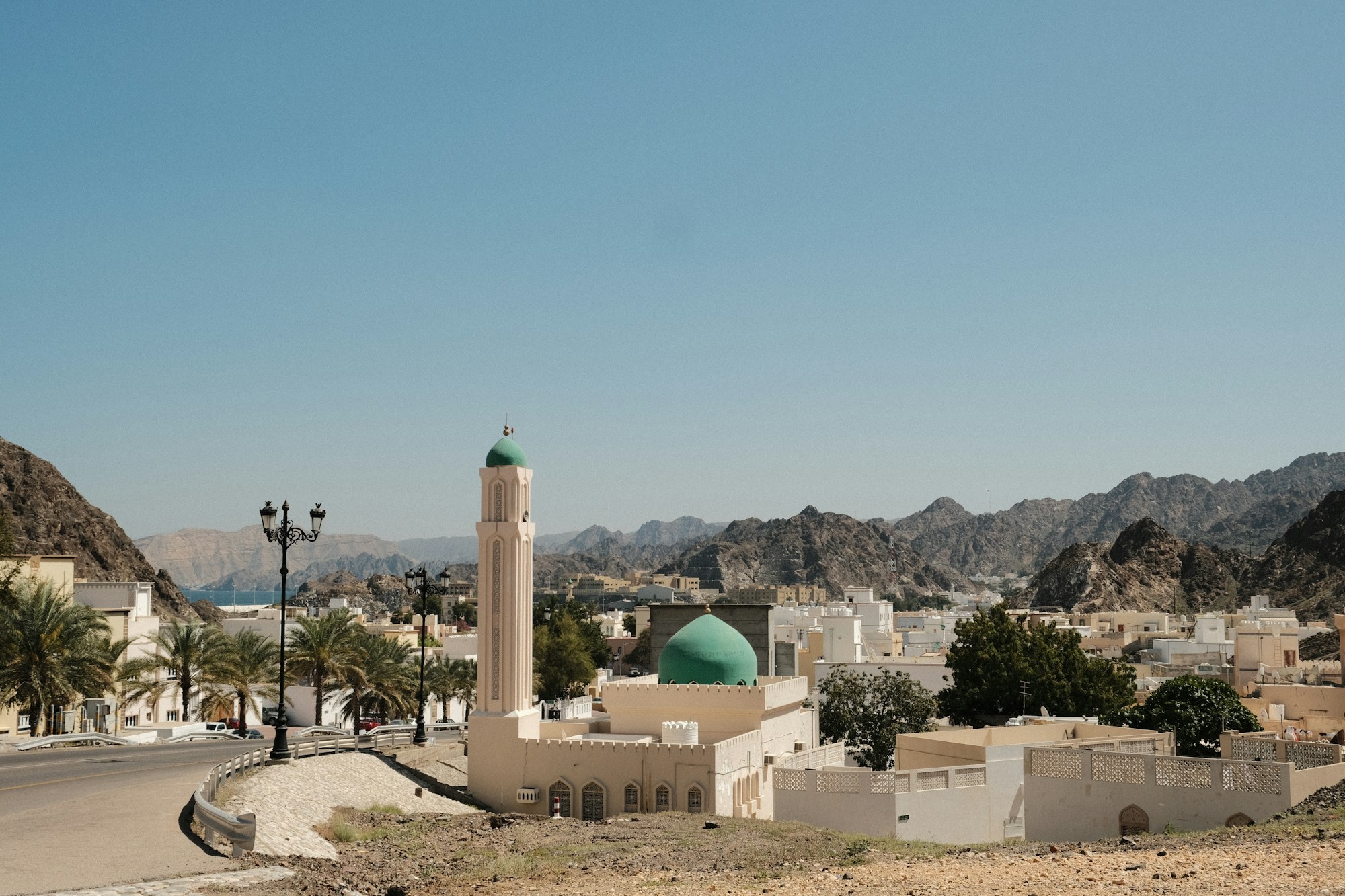
Oman always surprises travelers who venture there for the first time. Far from the stereotypes sometimes associated with the Middle East, the Sultanate of Oman is regularly cited as one of the safest countries in the region for solo women. According to Goway Travel, Oman combines a deeply rooted Bedouin hospitality, one of the lowest crime rates in the world, and a discreet modernity that makes travel surprisingly smooth. The Omanis have a saying: « The stranger who knocks on our door is a gift from God. »
The country offers a striking diversity of landscapes: the golden dunes of Wahiba Sands desert where you’ll sleep under a starry sky of incredible clarity, the spectacular fjords of Musandam (the « Norway of Arabia »), the medieval forts of Nizwa and Bahla listed as UNESCO World Heritage Sites, and the wadis — lush canyons where turquoise water winds between ochre cliffs. According to Kanoo Travel, Salalah in the south experiences a unique tropical monsoon between June and September that transforms the desert into a green landscape — a spectacle few travelers know about.
In terms of dress code, Oman is much more relaxed than its neighbors: an outfit covering shoulders and knees is sufficient in most situations, and at hotels or on private beaches, you have complete freedom. Omani women themselves are very present in public life, and interactions with locals are warm and respectful.
Highlights
- Exemplary safety and respect toward female travelers
- Spectacular landscapes: desert, fjords, wadis, and mountains
- Desert nights under an extraordinary starlit sky
- Rich and well-preserved historical heritage
4. Portugal — Slow Travel Within Easy Reach
Portugal
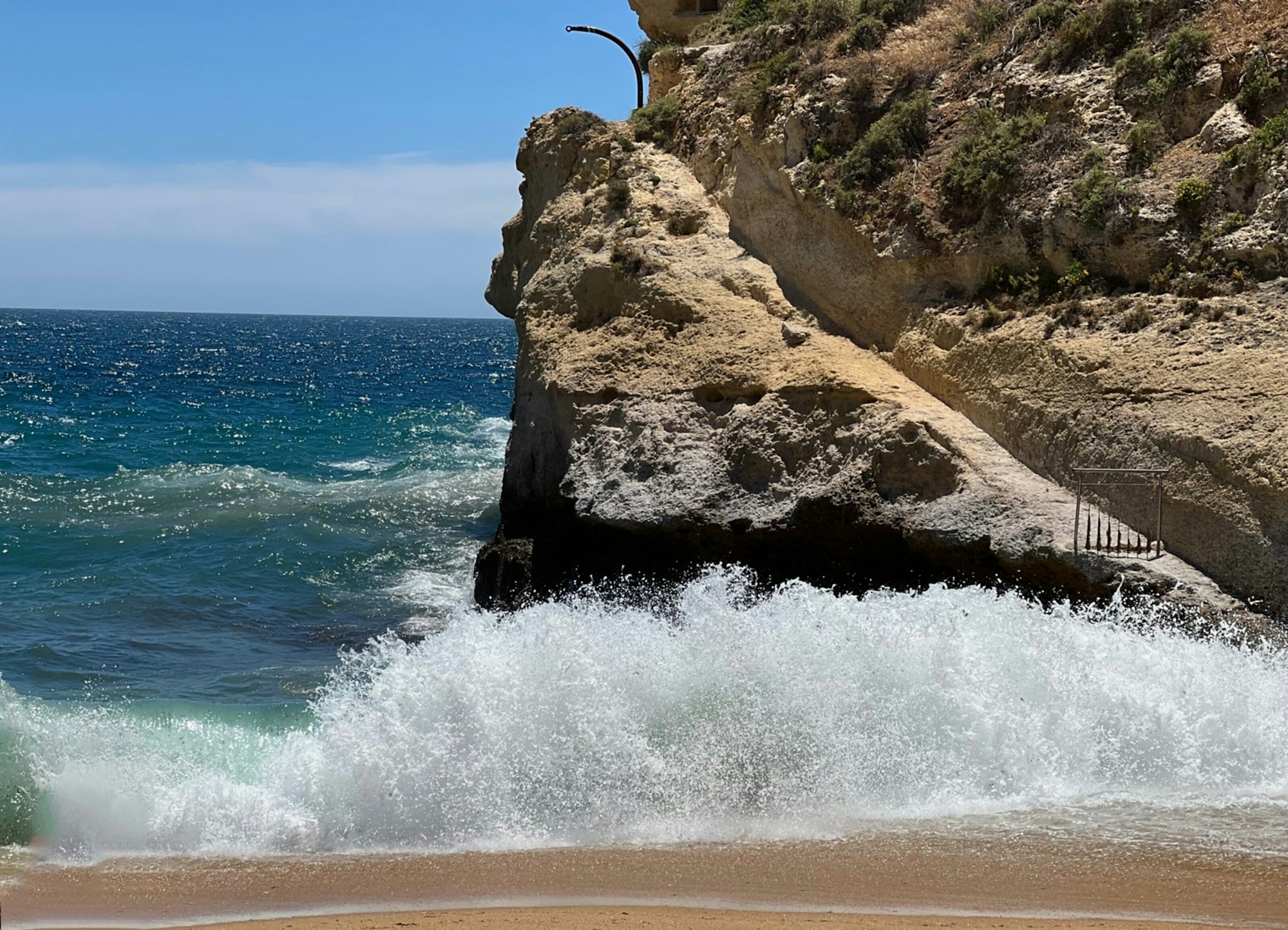
Portugal is often the first destination women over 50 choose for their solo travel debut — and with good reason. According to Ulysse.com, it’s the perfect combination: proximity (just a short flight from major European hubs), safety (3rd safest country in Europe according to the Global Peace Index 2026), reasonable cost of living, mild climate nearly year-round, and a welcoming population that often speaks English and French. It’s the ideal safety net for a first step into solo adventure.
But don’t be fooled: Portugal isn’t just an « easy » choice. It’s a country of immense cultural and human richness. Cheri fais tes valises particularly recommends Cascais, the former seaside resort of Portuguese nobility just 30 minutes from Lisbon, where Belle Epoque palaces sit alongside sandy beaches and grilled-fish restaurants along the promenade. The Algarve, off-season (September-November), offers nearly deserted golden cliffs, unspoiled fishing villages, and a painter’s light that justifies its nickname of « Europe’s California. »
For travelers seeking depth, the interior Alentejo region — its cork oak plains, white villages drowsing in the sun, wine estates producing some of the world’s finest wines — is a powerful antidote to the frenetic pace of everyday life. Slow travel in Portugal means taking the time to sit in a cafe with a pastel de nata and listen to fado drifting from an open window.
Highlights
- Close proximity and easy access from major European cities
- Excellent value for a premium experience
- Welcoming, English-friendly population
- Diverse experiences: beaches, culture, gastronomy, and nature
5. Iceland — Freedom at the Edge of the World
Iceland
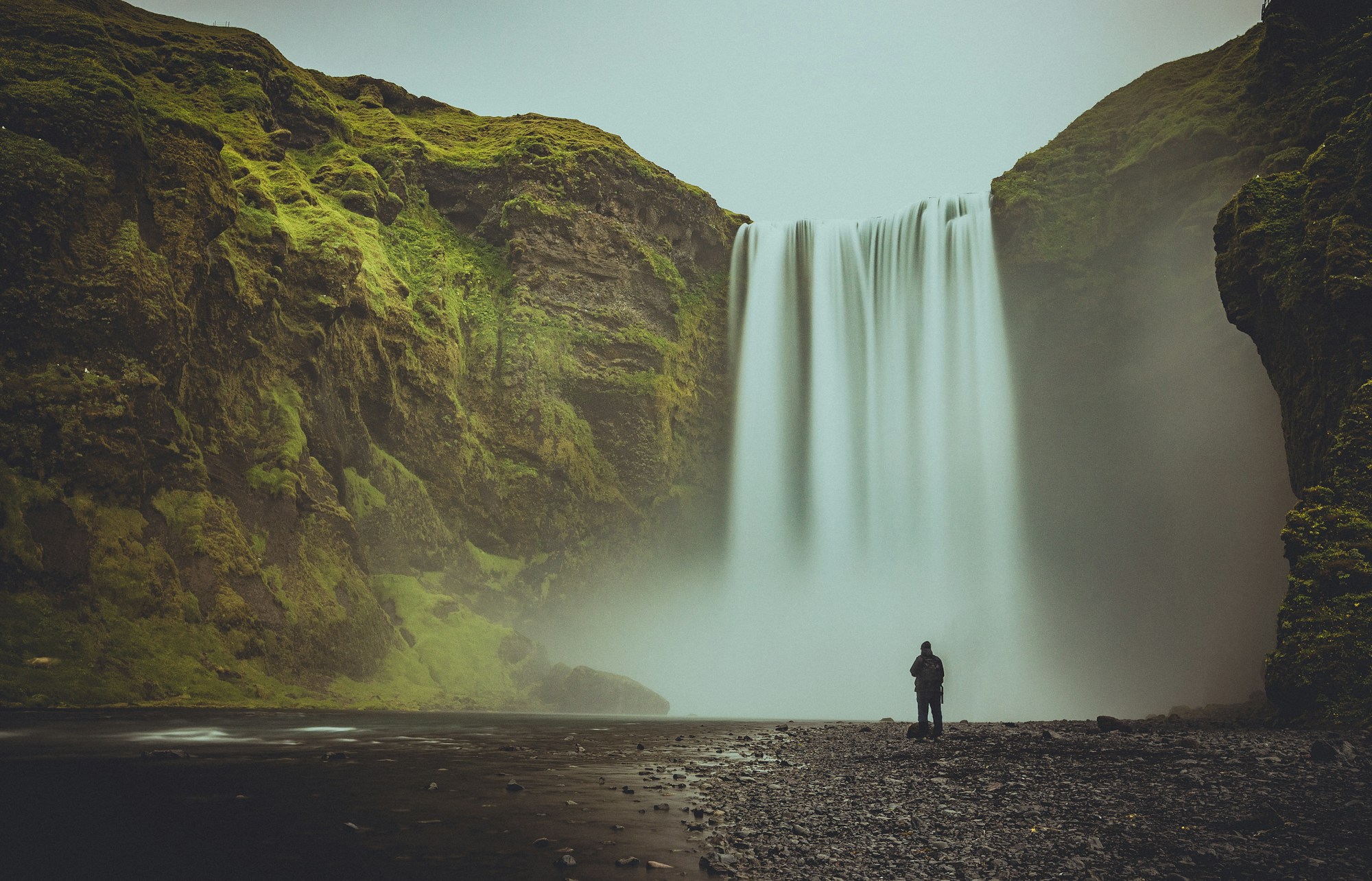
Reykjavik is the safest capital in the world. That’s not a marketing tagline — it’s a statistical fact confirmed by Destination Dreamer Diaries: Iceland consistently tops the Global Peace Index, and crime is so rare that police officers don’t carry firearms. For a woman traveling alone, this absolute tranquility frees the mind and lets you focus on what truly matters: encountering raw, untouched nature unlike anywhere else on Earth.
Iceland is a land of quiet superlatives. Geysers erupting through morning mist, ancient glaciers cracking under the midnight sun, black sand beaches pounded by Arctic waves, hidden natural hot springs where you’ll soak alone facing a volcano. It’s also the land of equality: Iceland has been the most gender-equal country in the world for fifteen consecutive years according to the World Economic Forum. Women here are independent, visible, and respected — and solo female travelers feel perfectly at ease.
Yes, the budget runs higher than elsewhere. But the Ring Road can be covered in 7 to 10 days by rental car, with comfortable guesthouses at $85-130 per night and complete freedom to set your own pace. In winter, the Northern Lights add a magical dimension — and prices drop noticeably outside the summer high season.
Highlights
- Safest country in the world, ideal for a first long-distance solo trip
- Spectacular nature: glaciers, volcanoes, hot springs, Northern Lights
- Most gender-equal society in the world, very welcoming to women
- Self-guided road trip along the Ring Road
6. Morocco — A Sensory Adventure in a Small Group
Morocco
Morocco often divides solo female travelers: some love it, others find the experience challenging. The key for women over 50 is choosing the right travel format. According to TravelOffScript and the Solo Female Traveler Network, Morocco in a small women-only group is a radically different experience from solo Morocco: local female guides open the doors to Berber homes, translate exchanges at the souk, negotiate prices, and turn every interaction into a moment of genuine connection.
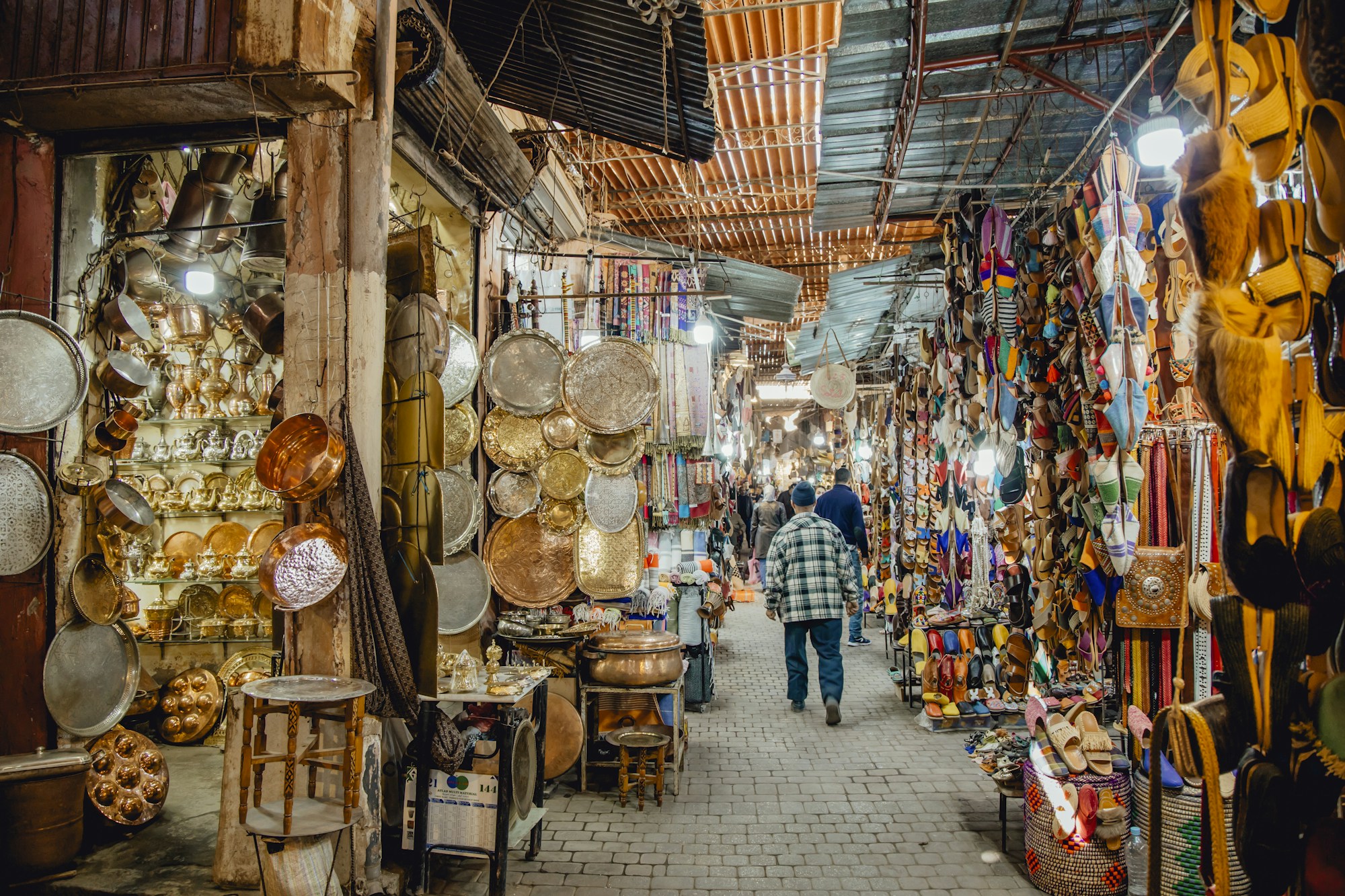
And what a country! Morocco’s sensory richness is unmatched: the souks of Marrakech with their mountains of spices, leather, and silk; the riads — traditional houses organized around a leafy courtyard where mint tea flows freely; Berber villages perched in the foothills of the Atlas Mountains; the Sahara Desert at Merzouga where the silence has a physical thickness; the blue streets of Chefchaouen that seem straight out of a dream. For $54 to $110 a day, you live in the understated luxury of riads, dine on tagines and pastillas, and enjoy experiences that five-star hotels worldwide try in vain to replicate.
The geographic proximity (a 3-hour flight from Europe) and minimal time difference make Morocco an ideal destination for a first solo trip with deep cultural immersion, especially if you opt for a guided 7- to 12-day circuit that alternates between group activities and free time.
Highlights
- Total sensory immersion: colors, flavors, and aromas
- Exceptional riads at affordable prices
- Excellent in a small women-only guided group
- Close to Europe with minimal jet lag
7. Camino de Santiago — The Walk That Transforms
Camino de Santiago
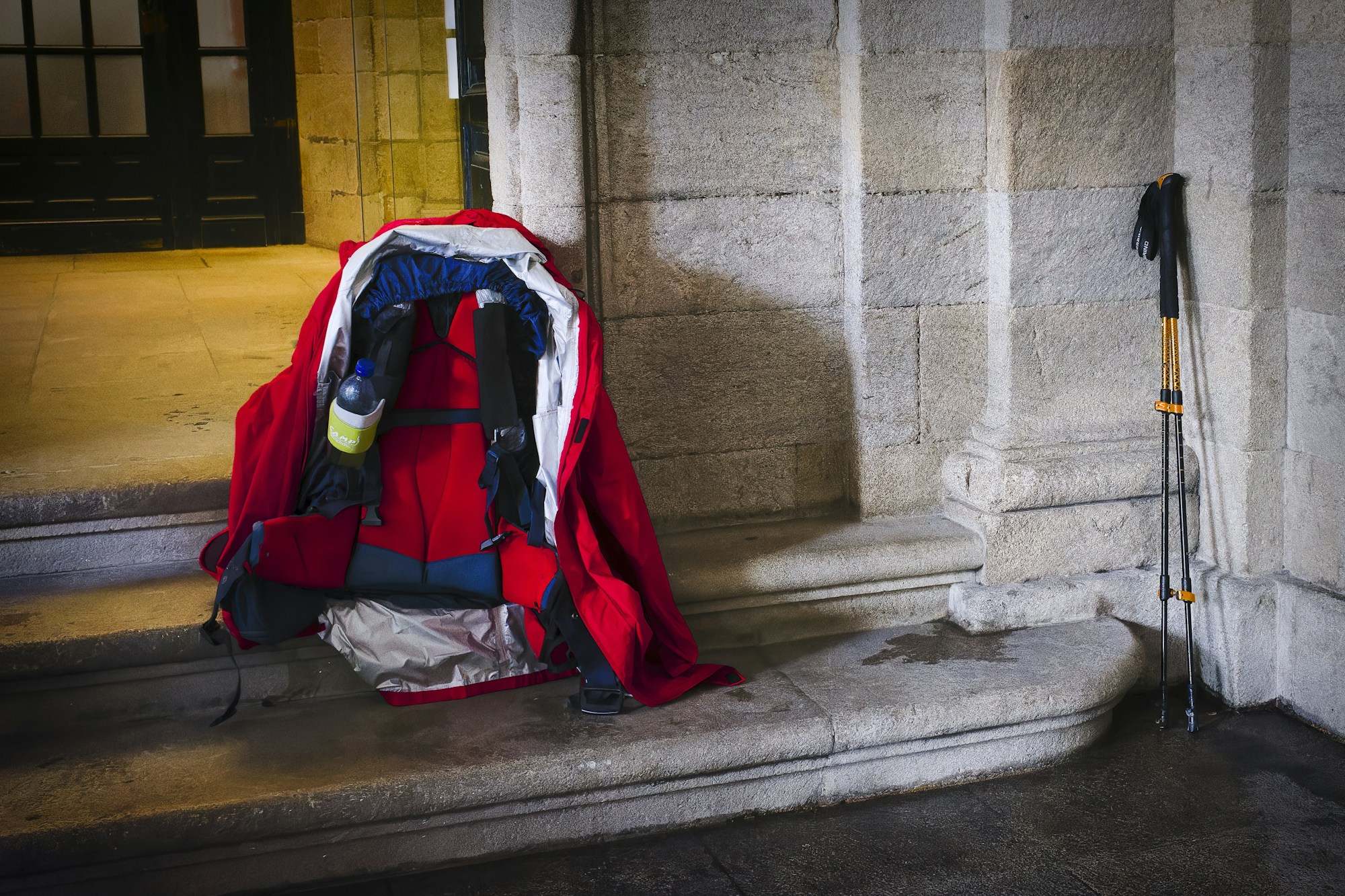
The Camino de Santiago is arguably the most transformative solo travel experience in existence — and women over 50 are joining in ever-growing numbers. According to Euronews Travel, female pilgrims aged 50 and over now represent one of the fastest-growing segments on the Camino, drawn by its unique promise: to set off alone but never truly be alone.
That’s the beautiful paradox of the Camino: you leave in search of solitude and find community. Every evening, in the albergues (pilgrim hostels), you share a simple meal, a bottle of Rioja, and life stories with walkers from around the world. The friendships forged on the Way have a depth that everyday life rarely produces — perhaps because physical exhaustion dissolves social masks, and the simplicity of daily routine (walk, eat, sleep) strips everything back to its essence.
The budget is minimal: $27 to $54 a day covers a bed in an albergue ($5-16), meals (pilgrim menus at $11-13), and the small pleasures along the way. Several routes are available: the Camino Frances (the most popular, 500 miles from Saint-Jean-Pied-de-Port), the Camino Portugues (shorter and gentler), or the last 71 miles from Sarria to earn the Compostela in one week. No extraordinary fitness is required — just good shoes, a light pack, and the desire to put one foot in front of the other.
Highlights
- Transformative walking and human connection experience
- Minimal budget: $27-54/day all-inclusive
- Welcoming community of international pilgrims
- Accessible to all fitness levels with proper preparation
8. Rwanda — Africa’s Safest French-Speaking Destination
Rwanda
Rwanda is the African surprise of this selection — and probably the destination that will provoke the most « I would never have thought of that » reactions. Yet according to Ulysse.com, Kigali is ranked among the safest capitals on the African continent, with a crime rate comparable to some European cities. The entire country has undergone a remarkable transformation: the streets are impressively clean (plastic bags have been banned since 2008), organization is exemplary, and the population — which speaks both French and English — welcomes visitors with a dignity and warmth that leave a lasting impression.
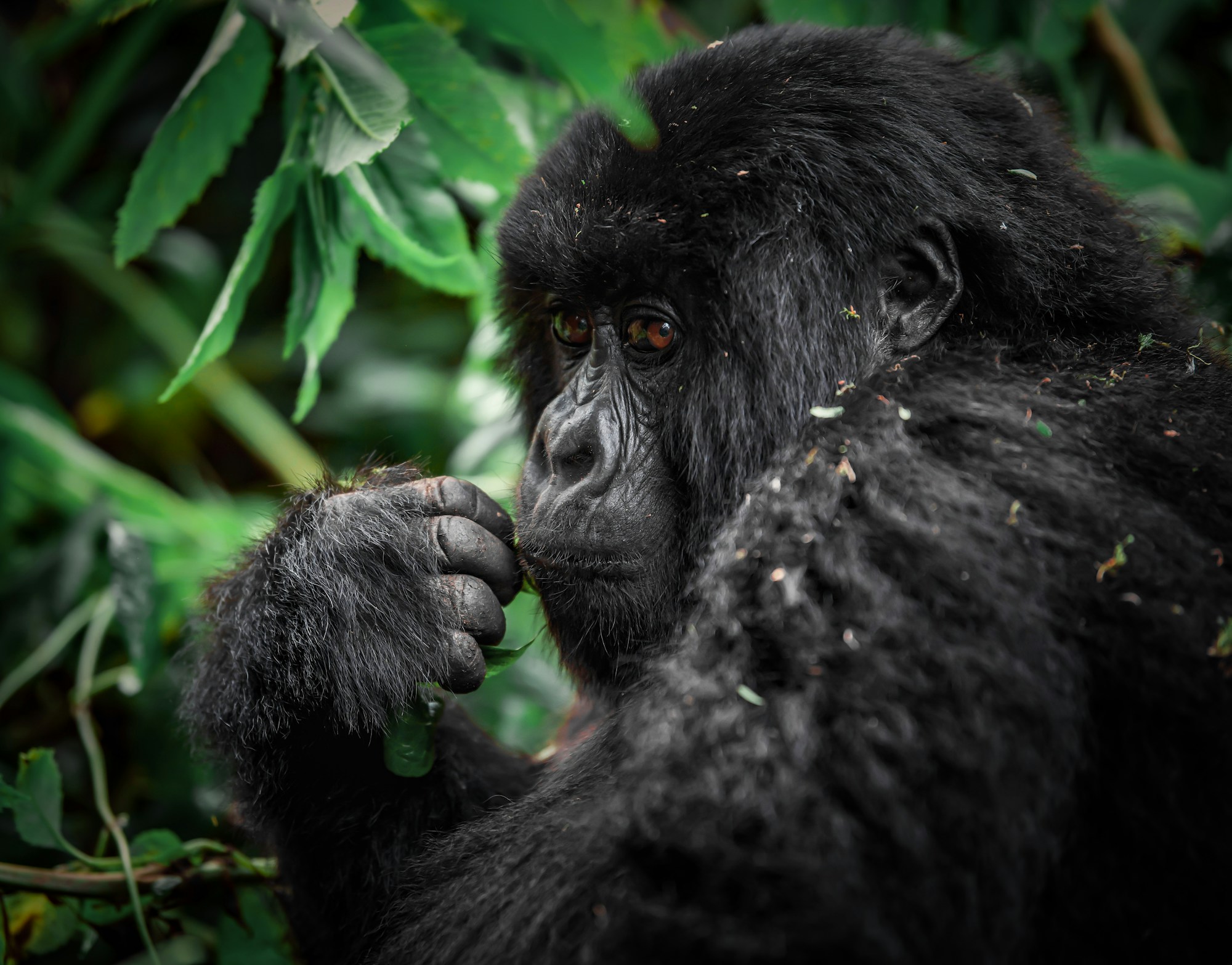
But the ultimate reason to visit Rwanda comes down to two words: mountain gorillas. The trek to observe these majestic creatures in their natural habitat in the heart of Volcanoes National Park is consistently described as the most moving experience of a lifetime of travel. Only about 1,000 mountain gorillas remain on Earth, and Rwanda is one of just three places in the world where you can see them. According to the Leed Initiative, the permit costs $1,500 (a significant expense, yes, but one that directly funds conservation), and the hour spent in the company of these gentle giants is a connection with the living world that transcends words.
Beyond the gorillas, Rwanda offers safaris in Akagera National Park, hikes through the tropical forests of Nyungwe, and a vibrant cultural scene in Kigali with its memorials, art markets, and gastronomic restaurants reinventing local cuisine. It’s a trip that changes how you see the world — and Africa in particular.
Highlights
- Gorilla trekking: the most emotionally powerful wildlife experience on Earth
- French- and English-speaking country, safe and remarkably well-organized
- Exceptional biodiversity: gorillas, chimpanzees, and safaris
- Kigali, a modern and culturally rich capital
Redefining Luxury: What Women Over 50 Really Want
Forget marble lobbies, silk sheets, and the $16 can of sparkling water from the minibar. The luxury envisioned by female travelers over 50 in 2026 has nothing to do with these traditional markers of the hotel industry. According to a survey by Euronews Travel, 27% of women in this age group say they’re willing to spend over $9,200 for a truly meaningful week of travel — provided every dollar invested buys authenticity, connection, and depth rather than mere decor.
This new luxury has a name: experiential travel. It’s a Tuscan cooking class at the farm of an 80-year-old nonna who teaches you to knead pici by hand. It’s a day of pottery in Fez with a master artisan keeping alive a five-century-old craft. It’s a guided hike with a naturalist through Rwanda’s Nyungwe Forest, where every bird has a name and every tree has a story. It’s milking goats at dawn with a shepherd in Crete before making your own cheese to enjoy that evening on a terrace overlooking the sea.
Travelers of this generation don’t want to be « served » — they want to be involved. They don’t seek the passive comfort of a resort but the active comfort of an experience that nourishes, teaches, and transforms. And they have the means to match their ambitions: according to JourneyWoman, women aged 50 and over now control more than 70% of tourism spending decisions in Western households. The travel industry has no choice but to adapt — and the options have never been richer.
Traveling Solo Doesn’t Mean Traveling Alone: The Communities Changing the Game
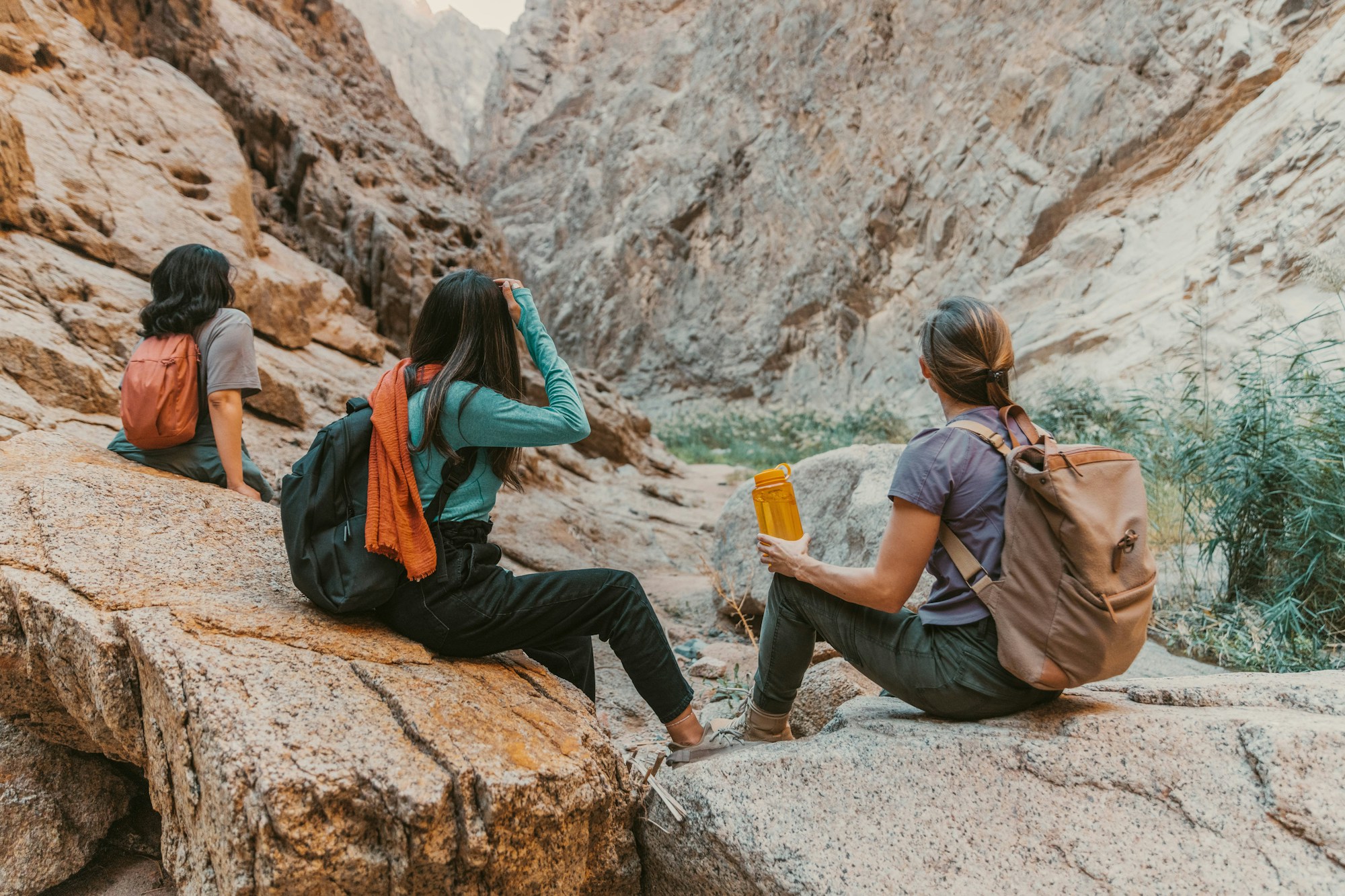
One of the biggest revolutions in solo female travel in 2026 is the explosion of communities and platforms that let you set off alone while having the option to connect with other travelers along the way. According to Ulysse.com, this « solo together » trend addresses a fundamental need: autonomy without isolation.
Copines de Voyage has become, in just a few years, the largest community of French-speaking female travelers, with over one million members and 40,000 clients who have already traveled through the platform. The concept is simple: you choose a destination and dates, and the agency assembles a group of 6 to 12 women with compatible profiles. Tours, starting from $325 excluding flights, cover destinations as varied as Jordan, Vietnam, and Lapland. The feedback is unanimous: the friendships formed during these trips last well beyond the journey.
WeRoad, the Italian agency taking France by storm, now counts 60% women among its travelers and is multiplying partnerships with women’s media outlets. Their small group trips (12-15 people) blend adventure, cultural discovery, and festive moments — with a local coordinator handling all logistics.
Groopiz caters specifically to senior travelers aged 50 and over, with itineraries tailored to the pace and interests of this generation: in-depth cultural visits, quality accommodations, and reasonable daily stages. It’s the ideal option for those who want group structure without the breakneck pace of « standard » tours.
For those who prefer to travel alone but want a reassuring presence upon arrival, Greether offers an ingenious concept: local women greet travelers at the airport or train station, accompany them to their accommodation, and share their insider tips in person. The service costs between $60 and $103 for 2.5 hours and is available in over 100 cities. According to JourneyWoman, it’s one of the most popular services among female travelers over 50.
Finally, the NomadHer app, created by and for female travelers, lets you find travel companions for specific legs of your journey, homestay accommodations, and community-verified recommendations in over 150 countries.
Practical Safety and Preparation Tips
Traveling solo after 50 is no riskier than at 30 — but it does require slightly different preparation. Here are the essential recommendations compiled from advice by AXA, ACS, and Europ Assistance.
Documents and Identity
Scan all your identity documents (passport, ID card, driver’s license, insurance card) and email them to yourself and a trusted contact. Keep a copy in the cloud (Google Drive, iCloud) accessible from any device. Also carry a separate paper photocopy of your passport — in case of theft, this significantly speeds up consular procedures.
Money and Payment Methods
The golden rule: always carry two bank cards, in two different bags. In 2026, multi-currency cards like Wise or Revolut offer excellent exchange rates and real-time management from your smartphone. Also keep a small amount of local cash for emergencies. Notify your bank of your travel dates and destinations to avoid card blocks.
Arrival and First Steps
Always plan to arrive during the day, especially for a first trip to a country you don’t know. Book an official airport transfer (hotel shuttle, Greether service, or pre-booked taxi) and share the details with a trusted contact. Never share your exact accommodation with strangers met along the way — stay vague (« I’m staying in the city center »).
Health and Insurance
Travel insurance is essential after 50, not optional. Verify that your policy covers medical repatriation, overseas medical expenses (with sufficient caps for high-cost countries like the US or Japan), and trip cancellation. Carry your prescriptions using International Nonproprietary Names (INN) to facilitate medication refills abroad, and assemble a first-aid kit tailored to your destination.
Registration and Information
Before every departure, check the travel advisories on the French Ministry of Foreign Affairs website or your own government’s equivalent. Register with your country’s citizens-abroad tracking service (such as the US STEP program or the UK’s FCDO) so authorities can contact you in case of a crisis in your destination country.
Connectivity
Stay connected at all times with an international eSIM activated before departure. Share your real-time location with a trusted contact via WhatsApp or Google Maps. Download offline maps of your destination (Google Maps, Maps.me) and save local emergency numbers in your phone.
Practical info for your trip
Stay connected from the moment you land. Flexible data, instant activation on your smartphone.
From $4.50Nomad Insurance: global coverage from $56/4 weeks. 10% off via our link.
From $56 / 4 weeksFrequently asked questions
Is it truly safe to travel solo after 50 in 2026?
Yes, and the statistics back it up. According to the Global Peace Index 2026, many destinations popular with solo female travelers (Iceland, Japan, Portugal, Oman) rank among the 25 safest countries in the world. JourneyWoman reports that women over 50 are actually statistically less targeted by tourist scams than younger travelers, because they’re perceived as more experienced and less vulnerable. The key remains preparation: choosing suitable destinations, purchasing comprehensive travel insurance, sharing your itinerary with a trusted contact, and staying connected. But the greatest risk in 2026 is not going at all.
Should I travel completely alone or join a group?
Both options have their advantages, and the best approach is often a blend of the two. According to Ulysse.com, the « semi-solo » format is the most popular among women over 50: a few days in an organized group (Copines de Voyage, WeRoad, Groopiz) to break the ice and build connections, followed by a few days on your own to savor your newfound freedom. For a very first solo trip, a small women-only group tour of 7 to 10 days is often ideal: it provides safety, logistics, and sociability while preserving the spirit of independence. After this first experience, many women feel confident enough to travel completely on their own.
What budget should I plan for a quality solo trip after 50?
The budget varies enormously depending on the destination and travel style. For a week of comfortable solo travel (quality accommodation, good restaurants, activities), expect between $540 and $1,620 excluding flights depending on the destination. Georgia or the Camino de Santiago are accessible from $215-380 per week, while Iceland or Japan require $860-1,510. According to Euronews Travel, 27% of female travelers aged 50+ are willing to invest over $9,200 for a truly transformative experience. The trick: traveling in low season (September-November for most destinations) reduces costs by 20 to 40% while often providing a more pleasant experience thanks to fewer crowds.
How do I handle the loneliness of solo meals and evenings?
This is the number one concern — and it fades within the first few days. Several strategies work particularly well: sit at the counter rather than at a table (chefs and baristas are often excellent conversation partners), sign up for cooking classes or food tours that naturally create connections, book dinners with locals through platforms like EatWith or BonAppetour, and use apps like NomadHer or Copines de Voyage Facebook groups to find occasional dinner companions. According to the Solo Female Traveler Network, most solo travelers end up deeply enjoying these meals alone — a book, a journal, a good glass of wine, and the pleasure of not having to negotiate the restaurant choice with anyone.
What are the best destinations for a first solo trip?
For a very first solo trip after 50, nearby European destinations offer the best balance of safety, culture shock, and convenience. Portugal is universally recommended: safe, affordable, and just a short flight away. The Camino de Santiago is ideal for those who want a structured framework with a built-in community. For a first solo trip outside Europe, Japan is unbeatable in terms of safety and logistical ease. According to JourneyWoman, the most important advice is to start with a short duration (5-7 days) in a country with well-developed tourist infrastructure, then gradually increase the length and level of adventure on subsequent trips.
How can I avoid the single supplement?
The single room supplement is the bane of solo travelers — it can increase the cost of a trip by 30 to 60%. Several solutions exist in 2026. Specialized agencies like Copines de Voyage and Intrepid Travel offer room-sharing options between solo travelers, eliminating the supplement. On booking platforms, filter by « single room no supplement » on sites like Booking.com. Favor guesthouses, B&Bs, and boutique hostels that charge per person rather than per room. The Camino de Santiago eliminates the question entirely with its albergues at $5-16 per night. Finally, home-sitting platforms like TrustedHousesitters let you stay for free in exchange for pet-sitting — an option particularly popular with 50+ travelers according to Ulysse.com.
How do I mentally prepare for my first big solo trip?
Mental preparation is at least as important as logistical preparation. Start with short solo getaways of 2-3 days to a city you don’t know: a weekend in Bath, Porto, or Bruges, for example. This lets you test your comfort with solitude, solo navigation, and dining alone without the stakes of a major trip. According to TravelOffScript, the most successful solo travel newcomers have one thing in common: they accept that the discomfort of the first few days is part of the experience and that it fades quickly. Join Facebook groups for solo female travelers (Solo Female Travelers, Women Who Travel) before you leave: reading the accounts of other women who’ve taken the leap is a powerful antidote to anxiety. Finally, don’t try to plan everything: leave blocks of free time in your itinerary for spontaneous discoveries — that’s often where the best memories are born.
Is solo travel for women over 50 worth it in 2026?
Yes. Women over 50 are one of the fastest-growing groups of solo travelers, and the safest destinations in this guide (Portugal, Japan, Iceland, the Camino de Santiago) make a first trip easy. Start with 5 to 7 days, keep a few group days for company, and book your insurance before you go.
Sources and references
- JourneyWoman — Solo Travel for Women Over 50: Trends & Statistics 2026
- Ulysse.com — Solo Travel After 50: The Complete 2026 Guide
- Euronews Travel — The Rise of Solo Female Travel Over 50
- Intrepid Travel — Women’s Expedition Booking Trends 2025-2026
- Thafael.com — Georgia: Safe Destination for Solo Women
- Goway Travel — Oman Solo Female Travel Guide
- Kanoo Travel — Salalah & Oman Off-Season Guide
- Cheri fais tes valises — Portugal Solo: Our Best Addresses
- Destination Dreamer Diaries — Iceland: Safest Country for Solo Women
- TravelOffScript — Morocco Solo Female Travel Tips
- Solo Female Traveler Network — Dining Alone & Community Tips
- Leed Initiative — Rwanda Gorilla Trekking & Conservation
- France Diplomatie — Travel Advisories
- AXA — Travel Insurance and Safety Advice
- ACS — International Travel Insurance
Research conducted in March 2026; content reviewed and refreshed in October 2026.
Ready to Take the Leap?
Discover inspiring travel itineraries created by our community of travelers and start planning your next solo adventure.
Explore itineraries