
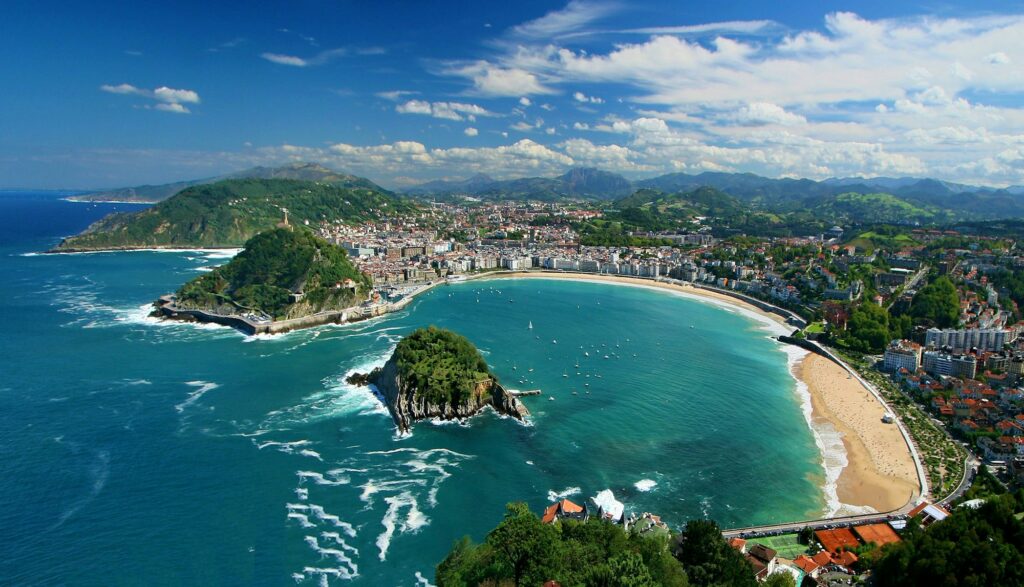
The 2027 Tamborrada takes place on Wednesday 20 January 2027 in San Sebastián (Donostia). The flag goes up at midnight on the night of 19 to 20 January in the Plaza de la Constitución, and the drums play for 24 hours. The official 2027 programme was not published on 13 November 2026, so the neighbourhood times below are indicative.
Checked on against the official sources cited (Donostia Turismo, Donostia Kultura, Araudia normative 2025).
At midnight, on the night of 19 to 20 January, a flag goes up in the Plaza de la Constitución and the drums don’t stop for twenty-four hours. The Tamborrada takes place every year on 20 January, in a city that spends the night to the beat of its drum companies. This guide helps you pick where to stand, understand what happens at each moment, and avoid the pitfalls of crowds, cold and transport.
1. Date and times: the night of 19 to 20 January 2027
The flag-raising at midnight
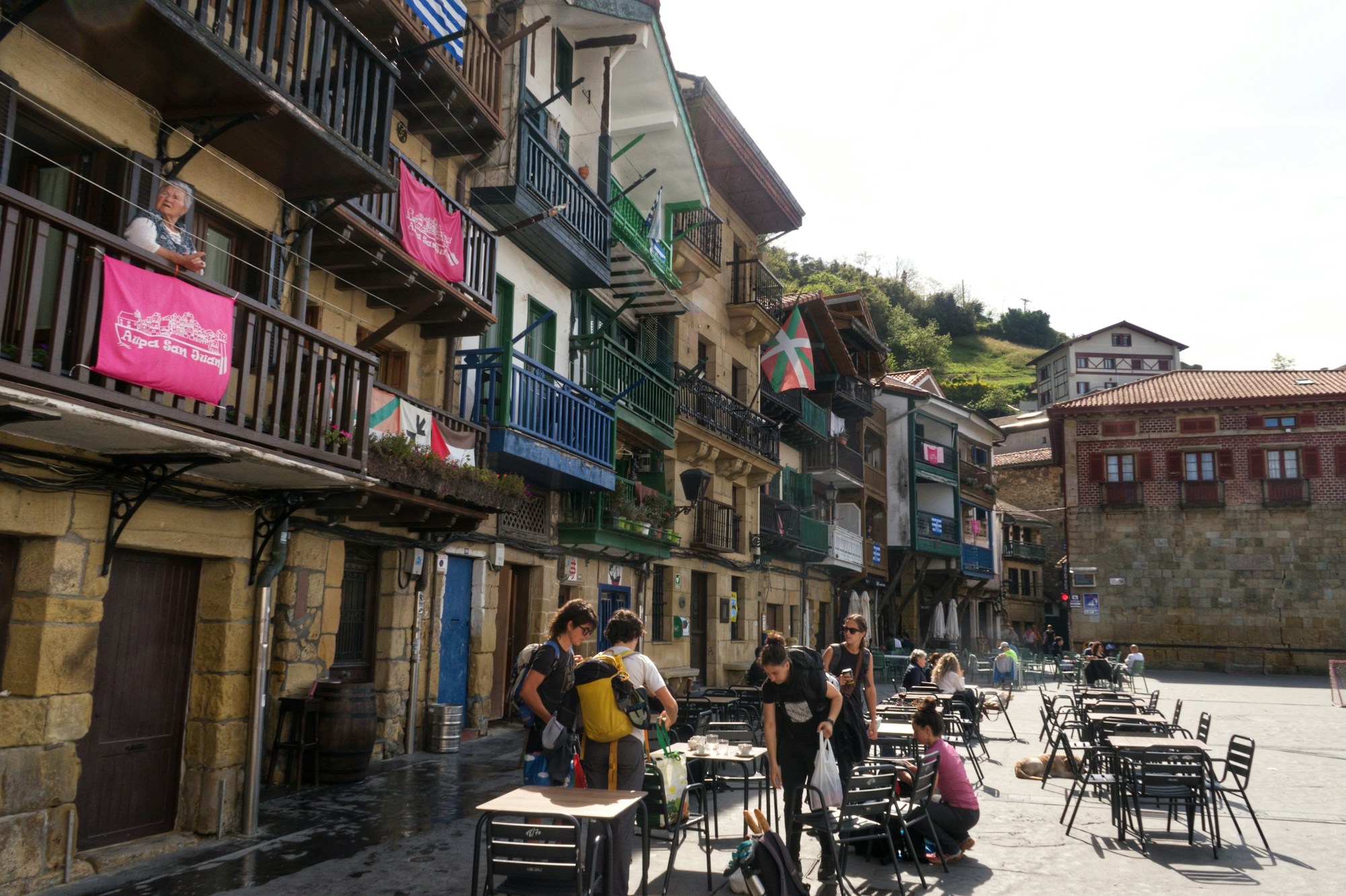
The celebration starts at midnight on the night of 19 to 20 January, when the city raises its flag in the Plaza de la Constitución. The San Sebastián march, played by the companies, accompanies the moment. According to Donostia Turismo, the drums then play for twenty-four hours without a break.
What to know
- Get to the square before midnight: Descubre Donostia advises arriving early, as the square fills up completely.
- The flag comes down at midnight on the night of 20 to 21 January, lowered by the Unión Artesana company.
- The 2027 programme is not published yet: the night’s times are recurring, not confirmed.
On the evening of 19 January, music groups play in the streets of the centre, according to the 2026 Turismo Euskadi listing. Azpeitia, a neighbouring town in Gipuzkoa, holds its own tamborrada the same evening, so don’t confuse it with the one in Donostia. The march is only played on 20 January, from midnight to midnight, according to the Araudia normative 2025. Other pieces in the repertoire can start at 11:30 pm the evening before, which is why part of the atmosphere comes before the flag, not after it.
Want to see the old town before the night? This walking tour of the Parte Vieja, about 1 hour 30 minutes to 2 hours according to Viator, is a good way to get your bearings before the festival. Descubre Donostia notes that the Gaztelubide and Unión Artesana companies play there at night (times not dated). Pixidia earns a commission if you book through this link, at no extra cost to you. The slots checked on 13 November 2026 are at 10:00 am and 4:00 pm on 20 and 21 January 2027: reconfirm the time when you book.
The Tamborrada takes place every 20 January, in honour of Saint Sebastian, the city’s patron. For 2027, that means Wednesday 20 January. The detailed programme was not published on 13 November 2026: treat any time you read for 2027 as carried over from 2026 until Donostia Kultura publishes its programme, which it usually does in January.
| Moment | Event | Place |
|---|---|---|
| Evening of 19 January | Music groups in the streets | City centre |
| Midnight, night of 19 to 20 | Flag-raising and the San Sebastián march | Plaza de la Constitución |
| 12:00 noon, 20 January | Children’s tamborrada parade, departure | Ayuntamiento balcony, departure from Alderdi Eder depending on the year |
| Afternoon and evening, 20 January | Neighbourhood tamborradas, then adult tamborradas | Gros, Antiguo, Amara, Parte Vieja, Centro |
| Midnight, night of 20 to 21 | Flag lowered by Unión Artesana | Plaza de la Constitución |
Source: Donostia Turismo, Tamborrada blog, Araudia normative 2025, Basque Country Tourism, checked on 13 November 2026.
2. Where to stand: the square, the neighbourhoods or the day
Three ways to experience the night
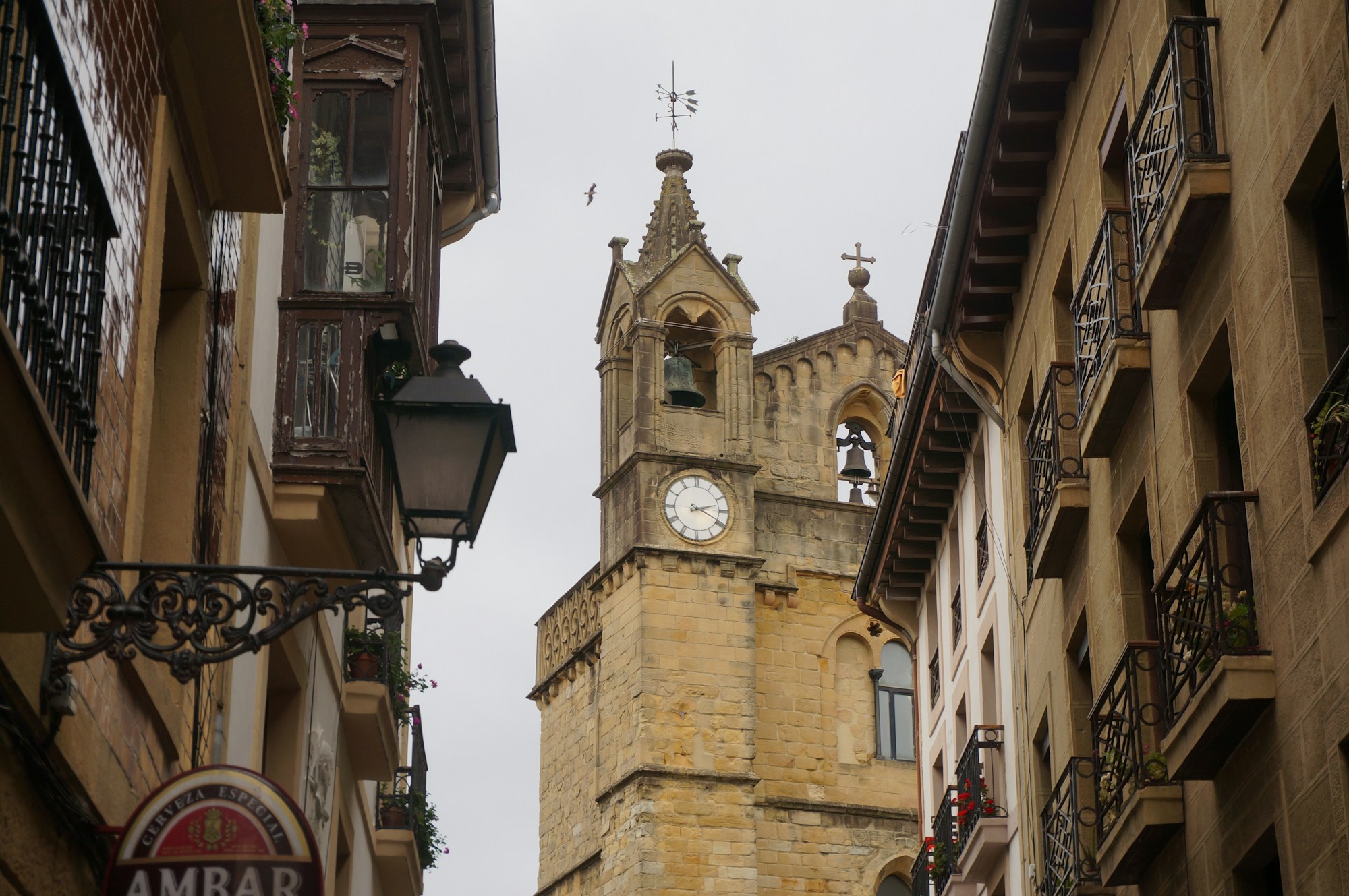
There is no single best spot. Each of the three choices has a cost: the crowd and the cold for the square at midnight, the journey for the neighbourhoods, and the stamina for the day of the 20th.
- The square at midnight: the strongest moment of the night, described by Descubre Donostia as the most moving and most anticipated.
- The neighbourhoods: fewer people and more rhythm, with companies playing in groups through the streets.
- The day of 20 January: the children’s parade and the first tamborradas, best seen without waiting for night.
The Plaza de la Constitución is the symbolic heart of the festival: the flag is raised and lowered there. Guides stress one point, though: the square fills up completely before midnight, so it’s worth arriving early. If the crowd puts you off, the neighbourhood tamborradas offer another way to take part.
The table below lists slots from a guide that doesn’t give a year. It helps you spot companies and neighbourhoods, not plan your evening to the minute.
| Neighbourhood | Company (example) | Slot listed |
|---|---|---|
| Parte Vieja | Gaztelubide | 11:15 pm to 3:30 am (another slot on the same page: midnight to 4:00 am) |
| Parte Vieja | Unión Artesana | Midnight to 3:30 am |
| Antiguo | Ayete Tamborrada | 7:00 pm to 10:00 pm |
| Gros | Zurriola Ikastola | 6:45 pm to 11:00 pm |
| Gros | Umore Ona | 11:30 pm to 3:30 am |
| Amara | Amaratarrak | 11:40 pm to 3:30 am |
| Centro | Catedral Centenario | 8:00 pm to midnight |
Source: Descubre Donostia, Tamborrada guide (undated page, so indicative), checked on 13 November 2026.
On 20 January, the first appointment of the day is the children’s parade at 12:00 noon. The neighbourhood tamborradas take over from 6:45 pm according to the undated slots in the table: reconfirm them before you go.
3. On 20 January by day: the children’s parade
The children’s tamborrada sets off at 12:00 noon on 20 January from the balcony of the Ayuntamiento, with a start from Alderdi Eder depending on the year. In 2025, Orain announced 45 companies for the parade, in a preview dated 15 January: Orain. It’s the moment of the day when the festival feels like a family outing.
Rain changes the picture. The parade is then moved to a later Sunday: in 2024, the last possible date was Sunday 28 January, according to Donostia Kultura’s press notes. Check Donostia Kultura’s updates on the morning itself rather than trusting an announcement from the day before.
For families, the sequence fits into one afternoon: the parade leaves at 12:00 noon from the Ayuntamiento balcony, then the neighbourhood tamborradas take over. Zurriola Ikastola (Gros) plays from 6:45 pm to 11:00 pm and Ayete (Antiguo) from 7:00 pm to 10:00 pm, according to an undated listing to reconfirm. Children get to see the costumes up close before a long night.
4. Numbers: 20,411 adults in 2023, 21,306 in 2024
The numbers give a sense of the festival’s scale, but they come from official reports and local press, and they vary by year and source. The table below keeps only dated figures, each with its source.
| Year | Participants | Details | Source |
|---|---|---|---|
| 2023 | 20,411 adults | 9,181 women (45%) and 11,228 men (55%), across 158 tamborradas | Orain, 19 January 2023 |
| 2024 | 21,306 adults | 26,686 people in total, children and the previous evening’s participants included | Donostia Kultura, 2024 balance |
| 2025 | Adults not recorded | Preview announced: 45 companies for the children’s parade, number of children not set by the source (not a final tally) | Orain, preview of 15 January 2025 |
| 2026 | Forecast of around 23,000 adults | Forecast, not a final tally | Orain, 15 January 2026 |
Source: Orain, 19 January 2023, Donostia Kultura, 2024 balance, Orain, 15 January 2026, checked on 13 November 2026.
Figures for children in 2026 differ between media, and no official final tally had been published at the date we checked. So we don’t quote them. On mixing, the official 2026 report shows that 98.81% of tamborradas are mixed.
5. Origins and costumes: what we know and what gets told
Donostia Turismo dates the festival back to 1836: that is the official origin. Other accounts circulate: a festival that grew out of a carnival comparsa, a vow linked to a plague in 1597, or a link with the French occupation of 1808 to 1813. We couldn’t cross-check the dates of 1597 and 1813. These are traditions as they are told, not established facts.
The costumes, though, follow a written rule. The Araudia normative 2025 requires the drummers to wear the Napoleonic soldier’s uniform, while the barrels carry a cook’s or aguador’s (water carrier’s) costume. Most companies come from gastronomic societies, which organised the dinner and the festival. You’ll recognise the festival by its uniforms, not just its drums.
The festival also features in international heritage listings. A Spanish candidacy, « Tamboradas drum-playing rituals », appears in a decision of the UNESCO Committee. We haven’t checked the year of inscription on the official list, so we don’t give one.
6. Marching or taking part: the 2025 Araudia rules
Want to march? For an adult tamborrada, the Araudia normative 2025 sets the main rules. They apply to companies rather than to individual visitors, so joining a group on the day is unrealistic.
| Rule | Value | Source |
|---|---|---|
| Minimum age | 16 years | Araudia normative 2025 |
| Minimum size | 20 drummers with a tambor mayor, or 40 barrels | Araudia normative 2025 |
| Band | 14 musicians | Araudia normative 2025 |
| Drummers’ costume | Napoleonic soldier | Araudia normative 2025 |
| Barrels’ costume | Cook or aguador (water carrier) | Araudia normative 2025 |
Source: Donostia Kultura, Araudia normative 2025 (PDF), checked on 13 November 2026.
Why are the drummers dressed as Napoleonic soldiers? The written answer is in the Araudia 2025, which imposes this costume on the drummers and a cook’s or aguador’s costume on the barrels. The link with the War of Independence (1808-1813) belongs to the tradition as it is told. Repsol also says the city council handed drums and Napoleonic uniforms to the gastronomic societies in 1881-1882; we couldn’t check that date against our sources.
7. Budget: a free festival, an expensive night
Entry is free: Donostia Turismo presents the Tamborrada as free in its 2026 listings. For 2027, we don’t yet treat free entry as confirmed, since there is no official programme. Check before you travel.
The real cost lies elsewhere: the train, bus or flight to get there, the evening meal in the centre, which is often pricier and worth planning ahead, and accommodation, which local sources advise booking several months in advance. We don’t put figures on these, as no 2026 or 2027 prices have been checked.
To eat before the night without improvising, our pintxos tour guide for San Sebastián covers the tours that let you taste the city before the flag goes up.
8. Step by step: one day and one night
Here is one possible sequence, built from the recurring times. It doesn’t replace the 2027 programme, which is still to come.
- 19 January, late afternoon: arrive in Donostia, drop your bags and work out the walk to the old town.
- Evening: eat early, as the city fills up. Some neighbourhood tamborradas start as early as 7:00 pm, according to the undated listing.
- Before midnight: head to the Plaza de la Constitución or a neighbouring quarter, ideally with a spot to stand.
- Midnight: flag-raising and the San Sebastián march, played by the companies.
- 20 January, noon: children’s parade, if the weather allows, otherwise moved to a later Sunday.
- Afternoon: neighbourhood tamborradas, with a quiet meal between two companies.
- Evening and night: adult tamborradas, then the flag is lowered at midnight, on the night of 20 to 21 January.
If you’re sleeping in Donostia, book early. For the way back, leave a margin: in 2020 the authorities recommended public transport, and no night service has been published for 2027.
9. Mistakes to avoid
- Arriving at 11:45 pm for the flag-raising. Guides say the square is full before midnight: you’ll be stuck behind the crowd without seeing the flag.
- Believing the flag comes down at 11:50 pm. One source gives that time, but the official sources say midnight.
- Booking a return with no 2027 timetable. Special night services have varied from year to year, and no 2027 schedule is published.
- Underestimating the cold. January is damp and windy: the night-time average hovers around 6 °C at Igueldo, according to AEMET’s climate normals.
- Cancelling the children’s parade because of a shower. It is moved to a later Sunday, not cancelled.
10. Variations by traveller type
- Families: the noon parade on 20 January is the easiest moment, with costumed children and a break before the evening.
- Couples or friends: the flag-raising at midnight makes a strong memory. Switch between the square and a neighbourhood so you don’t stay rooted in one spot all night.
- Tight budget: entry is free in 2026. Put your money into the journey and an early meal.
- First time: start with the square at midnight, then move to a neighbourhood for the end of the night.
- Reduced mobility: we found no accessibility plan published for the night of the 20th. Contact the tourist office before you come, rather than relying on a commercial guide.
If you extend your stay, our Semana Grande and its fireworks competition guide covers the city’s other big event, in August.
What other guides don’t tell you
Most guides we read either miss these points or get them wrong for 2027 (Carnifest, for one). We checked them against official sources or, failing that, local press.
- The 2027 programme is not published. Several pages list « 2027 » while repeating the 2026 times, whereas Donostia Turismo and Donostia Kultura only showed the 2026 edition on the date we checked. Donostia Turismo, 2026 agenda (checked 13 November 2026).
- The flag doesn’t come down at a single time in every source. Repsol gives 11:50 pm; official sources say midnight. We go with midnight. Donostia Turismo, blog 461 (checked 13 November 2026).
- The children’s parade has a rain rule. It moves to the following Sunday: in 2024, the last possible date was 28 January. Donostia Kultura, 2024 press notes (checked 13 November 2026).
- The San Sebastián march has a precise window. The Araudia 2025 reserves it for 20 January, from midnight to midnight, while other pieces can start at 11:30 pm the evening before. Donostia Kultura, Araudia normative 2025 (checked 13 November 2026).
- Mixed participation is measured. In the 2026 balance, 98.81% of adult tamborradas are mixed. Donostia Kultura, 2026 balance (checked 13 November 2026).
Practical information
Listings from aggregators show nonstop flights from London to Bilbao (BIO) of about 2 hours (from Gatwick and Luton), so check the airline before booking. From Bilbao airport, the Pesa line D050B runs direct to Pío XII square in San Sebastián, but no journey time or 2027 timetable is published. From France, take the TER from Bayonne to Hendaye, then the Euskotren to Donostia, with the Pass Bask. Allow about 1 hour 30 minutes in total from Bayonne.
The bus from Bayonne takes about 90 minutes, with variable frequency. The centre is closed to traffic on 20 January: the 2023 traffic notice closed some taxi and bus stops. In 2020 the authorities recommended public transport; no 2027 recommendation is published.
January average of around 8.5 °C at Igueldo (AEMET normals 1981-2010). In January 2025, rainfall reached 122.2 mm, 81% of the normal. Pack a waterproof coat, layers and gloves.
20 January is a local holiday in Donostia. A secondary legal source says it is also a non-working day in 2027, but we haven’t confirmed this on an official bulletin.
We don’t have a reliable answer on entry requirements, including whether extended ID cards are still accepted. Check the official travel advice for Spain on gov.uk, or with the Spanish embassy, before you leave.
Frequently asked questions about the Tamborrada
What date is the 2027 Tamborrada?
The Tamborrada takes place every 20 January. In 2027, that is Wednesday 20 January, with the night starting on the evening of 19 January. The detailed programme was not published on 13 November 2026. Wait for Donostia Kultura’s announcement, which usually comes in January, before fixing a precise time for your stay.
What time does the Tamborrada start?
It starts at midnight on the night of 19 to 20 January, with the city’s flag raised in the Plaza de la Constitución. The drums then play for twenty-four hours, according to Donostia Turismo. The flag comes down at midnight on the night of 20 to 21 January.
Is the Tamborrada free?
Entry is free according to Donostia Turismo’s 2026 listing. For 2027, free entry is not yet confirmed by an official programme: check before you travel. The real costs are the journey, the evening meal and accommodation, which need booking ahead.
Where should I stand to see the flag go up?
The flag is raised in the Plaza de la Constitución. Several guides confirm the square is full before midnight: arrive early, in warm clothes. If the crowd puts you off, the neighbourhood tamborradas also play in the evening and at night, in the Gros, Antiguo, Amara and Parte Vieja.
Is there a parade for children?
Yes. The children’s tamborrada sets off at 12:00 noon on 20 January, from the Ayuntamiento balcony, with a start from Alderdi Eder depending on the year. If it rains, the parade moves to a later Sunday: in 2024, the last possible date was 28 January.
Can visitors march in the parade?
For an adult tamborrada, the Araudia normative 2025 requires at least 16 years of age, membership of a company and a compliant costume. A company needs at least 20 drummers with a tambor mayor, or 40 barrels. Joining a group on the day is unrealistic, but watching the companies is an excellent way to experience the festival.
Where does the Tamborrada come from?
The official origin given by Donostia Turismo is 1836. Other accounts exist: a festival that grew out of carnival, a vow linked to a plague in 1597, or a link with the French occupation of 1808 to 1813. Our sources cannot establish the 1597 and 1813 dates.
How do I get there from the UK or France?
From the UK, the simplest route is a nonstop flight to Bilbao (BIO), about 2 hours on aggregator listings, then a direct bus to San Sebastián on the Pesa D050B line. From France, take the TER to Hendaye, then the Euskotren to Donostia with the Pass Bask, about 1 hour 30 minutes in total. Special night-service timetables for the night of 19 to 20 January are not published for 2027: check them before you book your return.
Sources
- Donostia Turismo, « San Sebastián day: the tamborrada drum parade » : flag-raising and lowering (checked 13 November 2026)
- Donostia Kultura, Araudia normative 2025 (PDF) : participation rules, San Sebastián march (checked 13 November 2026)
- Donostia Kultura, 2026 balance (PDF) : mixed participation in tamborradas (checked 13 November 2026)
- Donostia Kultura, 2024 balance (PDF) : adult and total participants (checked 13 November 2026)
- Donostia Kultura, 2024 children’s tamborrada press notes (PDF) : 12:00 noon departure, postponement in case of rain (checked 13 November 2026)
- Orain, 19 January 2023 : 20,411 adult participants in 2023 (checked 13 November 2026)
- Orain, 15 January 2025 : preview announcing 45 companies for the parade (checked 13 November 2026)
- Orain, 15 January 2026 : forecast of around 23,000 adults (checked 13 November 2026)
- Basque Country Tourism, « Tamborrada » : held every 20 January, 24 hours (checked 13 November 2026)
- Turismo Euskadi, Tamborrada 2026 listing : music groups on the evening of the 19th (checked 13 November 2026)
- Descubre Donostia, Tamborrada guide : neighbourhoods, indicative undated times (checked 13 November 2026)
- Repsol, Tamborrada guide : alternative time for the flag lowering (checked 13 November 2026)
- UNESCO ICH, decision 13.COM 10.b.33 : « Tamboradas drum-playing rituals » candidacy (checked 13 November 2026)
- AEMET, climate normals, Igueldo : temperatures and rainfall (checked 13 November 2026)
- Pass Bask, Nouvelle-Aquitaine : Bayonne, Hendaye, Donostia link (checked 13 November 2026)
- Bilbao airport, bus information (unofficial site) : Pesa line D050B to San Sebastián (checked 13 November 2026)
- FlightsFrom, Gatwick to Bilbao nonstop routes : Vueling, about 2 hours (checked 13 November 2026)
- Airport Overview, London Gatwick to Bilbao : airlines and schedules, frequencies to confirm with the airline (checked 13 November 2026)
- Carnifest, 2027 page : commercial announcement, not an official programme (checked 13 November 2026)
Research checked on 13 November 2026. The 2027 times remain to be confirmed once the official programme is published.

Plan your trip with Pixidia
Pixidia learns how you travel and helps you build a trip that truly fits you and everyone coming along.
Open the planner