
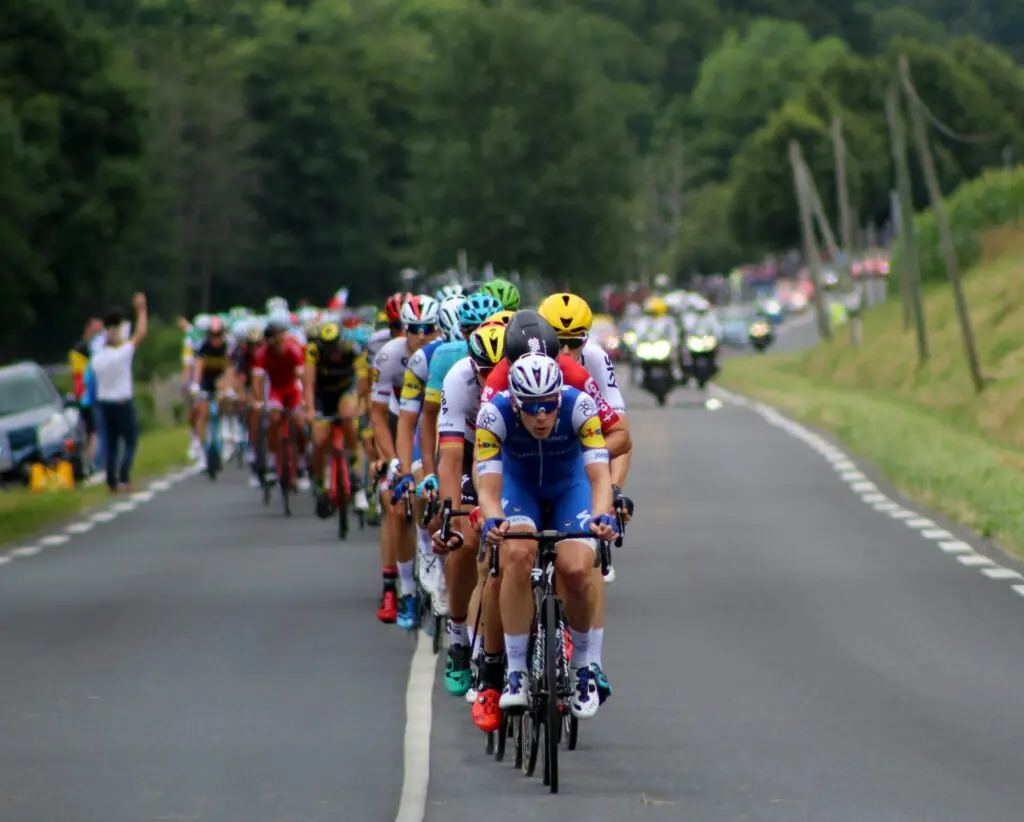
The Tour de France 2026 advertising caravan brings together 170 vehicles and 36 brands distributing 18 million freebies over 30 to 45 minutes, arriving 1h30 to 2h before the peloton. According to ICI Radio-Canada, 47% of spectators come primarily for the caravan. The new brands for 2026 are Charal, Vico, Danette and E.Leclerc with a giant cauliflower float. To maximise your freebies, position yourself on a tight uphill bend with a fishing net and wear brightly coloured clothing.
It was a Tuesday morning in July, somewhere between the Col du Tourmalet and the Béarn plains below. The children gripped their fishing nets with both hands, eyes wide open. Then, in the distance, a rumble of engines and music: sirens, horns, jingles — the Tour de France 2026 advertising caravan had appeared around the first bend. Forty-five minutes later, arms loaded with Cochonou caps, crisp packets, miniature cheeses and a pair of collector hats, they were the happiest people on the roadside.
The caravan is far more than a commercial warm-up act: it is a uniquely French cultural phenomenon, born in 1930, which brings together 12 million spectators along the roadside each summer. In 2026 — running from 4 to 26 July, from the Grand Départ in Barcelona to the finish on the Champs-Élysées — 170 vehicles representing 36 brands will parade daily over 10 to 12 kilometres, with exciting new additions: Charal celebrates its 40th anniversary with a travelling BBQ, Vico launches its giant « Quad Patate » float, and E.Leclerc deploys a fourth electric float shaped like a giant cauliflower. Here is everything you need to know to make the most of it.
The Tour de France caravan: 96 years of history and freebies
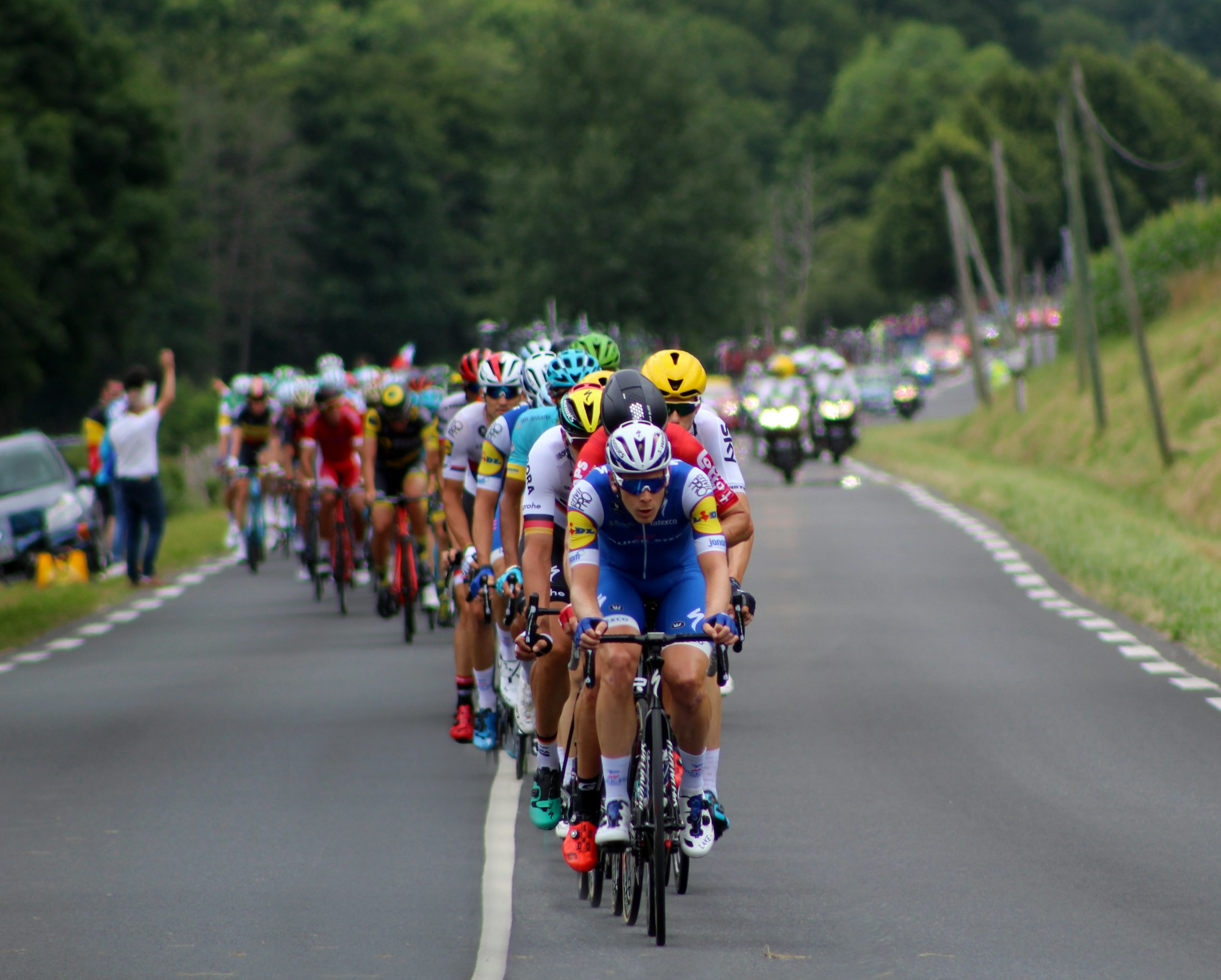
A phenomenon born in 1930 to fund the Tour
According to Wikipedia, the Tour de France publicity caravan was born in 1930 when Henri Desgrange, director of the newspaper L’Auto, switched to national teams and had to fund the riders himself. He accepted the presence of advertising vehicles in the race: just three cars in 1930 (Menier chocolates, Lion d’Or shoe polish, Bayard alarm clocks). In 1931, the official, regulated caravan was created with a dedicated director. By 1935, 25 brands were taking part. The all-time peak: 219 vehicles in 2006, before a reduction to 180 for safety reasons. Since 2024–2025, the convoy has been stabilised at 170 vehicles.
In the 1950s and 1960s, the caravan was also a spectacular artistic event in its own right. Yvette Horner, a French accordionist, rode eleven Tours de France (1952–1963) perched on the roof of a Citroën Traction Avant in Suze livery. Her song « Mon Tour de France » has lived long in the memory. In 2026, the atmosphere is more electronic — DJs, jingles and loud music — but the festive spirit is identical.
Caravan 2026 highlights
- Convoy of 10 to 12 km preceding the peloton by 1h30 to 2h
- Spectacle lasting 30 to 45 minutes depending on the location (longer in mountain passes)
- Around 600 caravan staff recruited each summer to distribute freebies
- 47% of spectators come primarily for the caravan, ahead of the riders
- Access to the caravan and roadsides: entirely free of charge
Caravan 2026 timing: how to work out when it passes
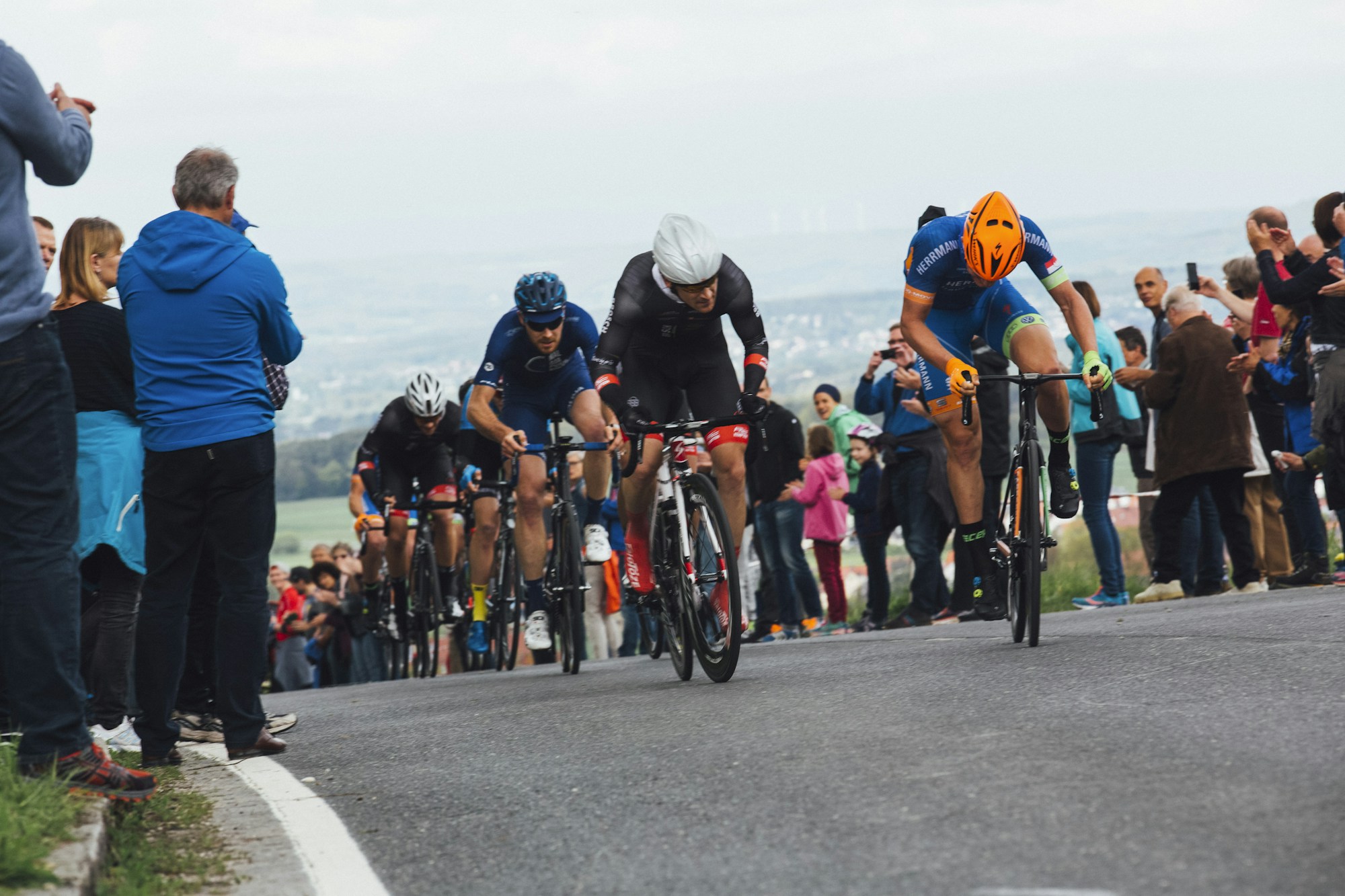
The 1h30–2h rule before the peloton
The principle is straightforward: the caravan precedes the peloton by 1h30 to 2h. Timings vary depending on the stage type. For flat stages (start around noon–1pm), the caravan passes through the start village between 10am and 11:30am and arrives at the finish town around 3:30–4pm. For mountain stages finishing at altitude, the caravan arrives in the late afternoon: according to Camping de Gavarnie, during stage 6 (9 July, Pau → Gavarnie), the caravan is expected at 4:10pm at the finish, the peloton at 5:20pm.
Reliable timing sources for 2026:
- Tour de France by Škoda app (iOS/Android): real-time geotracking, the absolute reference tool
- letour.fr: official roadbook updated before each stage with per-town timings
- Local tourist offices of stage towns: publish precise local passing times (check 2 days before)
- Local French radio (France Bleu): live coverage on the ground on stage day
Indicative 2026 timing examples
| Stage | Date | Town / point | Caravan (approx.) | Peloton (approx.) |
|---|---|---|---|---|
| Stage 6 | 9 July | Gavarnie-Gèdre (finish) | ~4:10pm | ~5:20pm |
| Stage 7 | 10 July | Hagetmau (fictitious start) | 11:10am | 1:25pm |
| Stage 8 | 11 July | Périgueux (start) | ~11am | ~1pm |
| Stage 8 | 11 July | Bergerac (finish) | ~4pm | ~5–5:30pm |
| Stage 21 | 26 July | Champs-Élysées (Paris) | early afternoon | ~6–7pm |
2026 caravan brands and freebies: the new additions not to miss
36 brands — LCL opens the convoy, Orangina closes it
According to sportsmarketing.fr, the 2026 caravan is distinguished by an unprecedented dominance of French food brands: nine major food companies are taking part, each with a strong territorial story to tell.
New brands for 2026
- Charal (Bigard Group) — Celebrates its 40th anniversary. Travelling BBQ, tastings of 100% French produce at stage starts. Floats in the colours of their spotted cattle. Joins from Carcassonne (stage 4, 7 July). According to Presse Agence, this is their very first caravan appearance.
- Vico (official crisp brand) — 4 vehicles including the famous giant « Quad Patate » float. According to Sportbuzzbusiness, 463,000 crisp packets to be handed out (Extra, Raclette, Paysanne, lentil flavours). « Guinguette Vico » events in 3 towns on the route.
- Danette (Danone) — Multi-year partnership announced in 2025. Ambassador: Pauline Ferrand-Prévot, Olympic champion. Caravan presence + national campaign.
- E.Leclerc — giant cauliflower float — Already voted the spectators’ favourite caravan in 2025, according to pa-sport.fr. New 4th electric float shaped like a cauliflower (Marque Repère concept). 10 vehicles in total. Iconic polka-dot cap + polka-dot beret + Petit Beurre P’tit Déli biscuits.
The returning classics
- LCL — Partner since 1981, yellow jersey sponsor since 1987. Opens the convoy. 7 hybrid vehicles. Contract renewed until 2028.
- Cochonou — Since 1999, contract renewed until 2029. Their 3 pink gingham Citroën 2CVs have covered 140,000 km since 1999. According to Linéaires, 7 to 10 tonnes of mini saucissons distributed per edition and 110,000 gingham caps. The Cochonou cap resells for up to £170–250 on eBay — some rare pieces have fetched over £850.
- Haribo — Isuzu pick-ups with giant sweets. Eco-friendly paper bags since 2022. Favourite freebies for children.
- Panzani — 5 vehicles + food truck. 300,000 pasta bags + 100,000 other freebies. Bandanas and farfalle mascot. French durum wheat supply chain (3,000 partner farmers).
- La Vache qui rit — Returned in 2024 after 90 years’ absence, renewed for 2026. According to Linéaires, 460,000+ freebies (caps, T-shirts), 20,000 portions of new regional flavours, 120,000 Pik & Croq’.
- Škoda — Partner since 2004, green jersey sponsor. 100% electric caravan (Elroq, Enyaq). 550,000 collector jerseys and caps. Hosted by Brice Petit (Koh-Lanta).
- ZooParc de Beauval — 2nd consecutive appearance. 4 floats (panda, koala, snow leopard, golden monkey). #BruitsDeBeauval competition woven into the caravan soundtrack.
- Krys — Distribution of 400,000 caps over 3 weeks. Host Hugues Monjo for 15 editions with « his ear-worm playlist ».
- Orangina — Closes the convoy (tradition). Partnership renewed until 2028. Distribution of 11ml samples.
Family strategy: the complete guide to grabbing as many freebies as possible
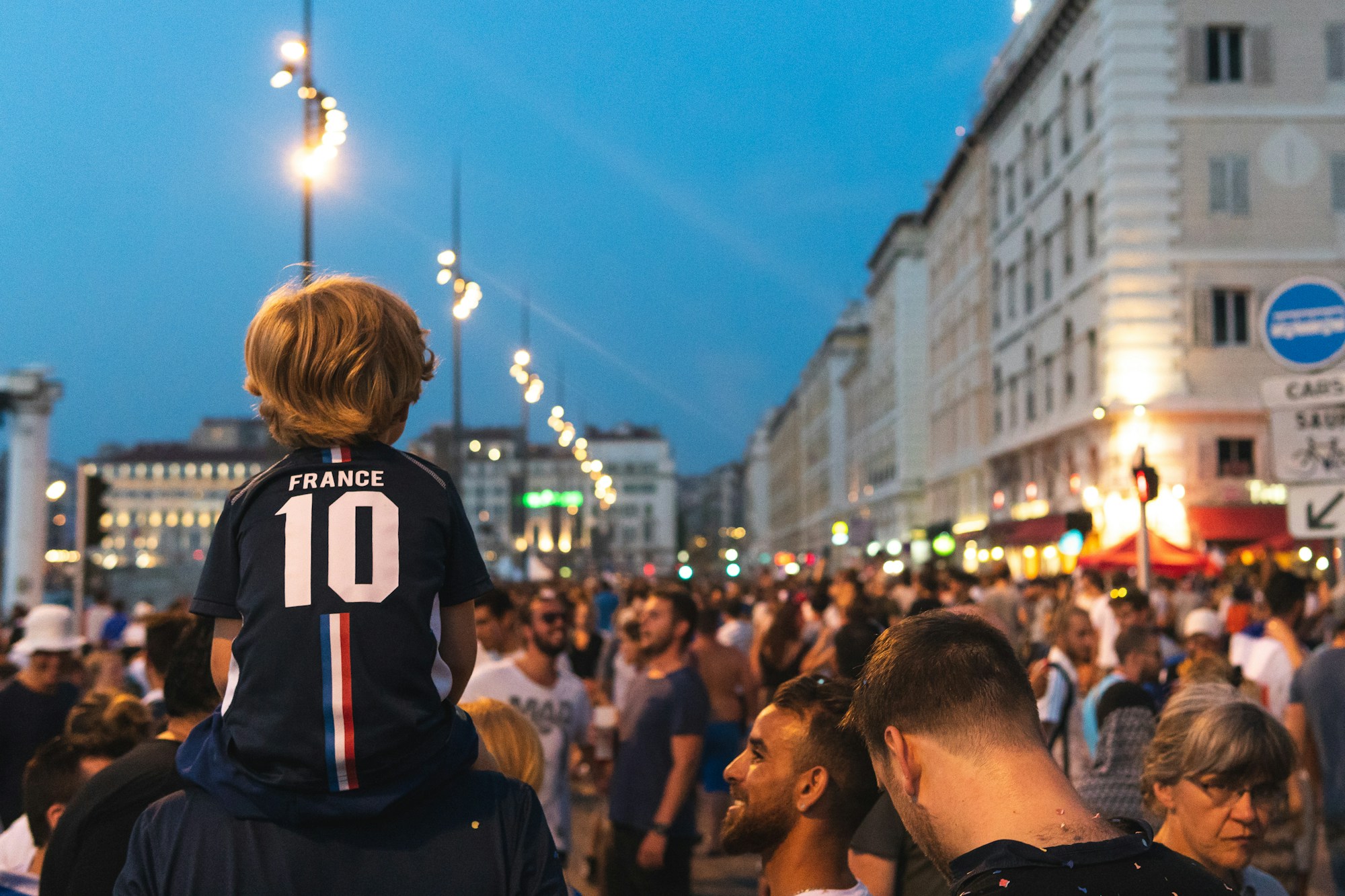
The fishing net, the cardboard target and bright colours
Based on accounts gathered by ICI Radio-Canada and France 3 Normandie, experienced spectators have developed a genuine science of freebie-collecting. Here is the protocol validated on roadsides across France.
Kit to bring
- Fishing landing net: extended reach, catches freebies thrown high or wide. Ideal size: handle 1.2 to 1.5 m, diameter 30–40 cm.
- Inside-out umbrella: acts as a natural catching net for arc-throw items.
- Large colourful cardboard target: write « I ❤ Caravan » or your favourite brand’s name (« Cochonou! »). Caravan staff love aiming at a target — it feels like a game and maximises distribution.
- Open tote bag or mesh bag: easy for kids to hold and plenty of capacity.
- Solid plastic crate: ideal for high-volume collecting at very tight bends.
Clothing and behaviour
- Bright or fluorescent colours to be spotted from a distance (caravan staff can see dozens of metres ahead).
- Top in a caravan brand’s colours: Cochonou pink gingham, E.Leclerc polka dots = near-guaranteed VIP treatment.
- Smile, wave your arms and dance if music is playing. Caravan staff consistently favour enthusiastic spectators.
- Say « merci » and show appreciation — staff notice and give more to friendly families.
- Put children at the front close to the road: caravan staff consistently target families with young children.
Safety — non-negotiable
- Never step onto the road during or after the caravan (another 20–40 official and team vehicles follow behind).
- Watch children at all times: the main risk is them running after a freebie that has fallen onto the road.
- Stay on verges and in ditches; follow instructions from gendarmes and the sound announcer’s messages.
The best spots to watch the Tour de France 2026 caravan
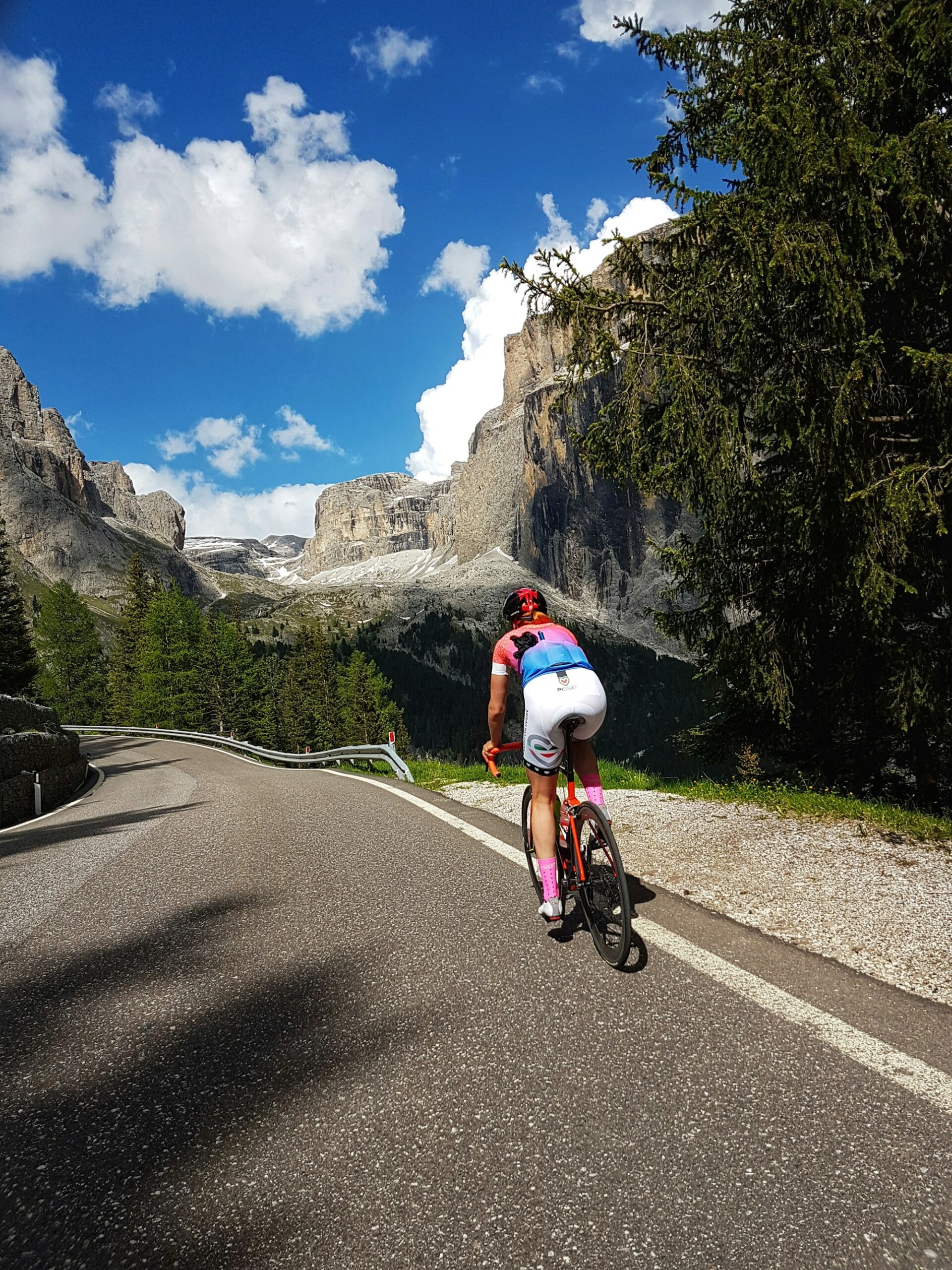
Tight bends, village entrances and stage start villages
The best spots share three characteristics: vehicle speed is reduced, the caravan has to slow down or even stop, and spectator access is possible. According to N’PY Pyrénées and Ulysse.com, tight bends on mountain passes remain the prime positions.
Col du Tourmalet — Stage 6 (9 July)
- Five recommended spots from Tournaboup (Barèges): bends at 1.1 km, 2.2 km (Parc à Mouton hairpins), 4 km (Laurent Fignon bend), 5.5 km (La Cantine), 6.4 km (Oncet hairpin).
- The road closes from 6am on the morning of the stage — arriving the night before is essential.
- Accommodation: Camping du Val d’Autun in Saint-Lary-Soulan, or Barèges/Luz-Saint-Sauveur (book now).
Gavarnie-Gèdre (stage 6 finish) — 9 July
- Exceptional setting: the UNESCO-listed Cirque de Gavarnie as a backdrop. Caravan expected at 4:10pm, peloton at 5:20pm.
- Camping Le Pain de Sucre very close to the finish line. Pedestrian shuttle services planned.
Le Markstein, Vosges — Stage 14 (18 July)
- A 155 km stage with 3,800 m of climbing, passing the Grand Ballon and Ballon d’Alsace. Le Markstein is climbed twice, including as the finish — panoramic spectacle with views over Alsace.
- Start town: Mulhouse — easy access from Strasbourg or Colmar (TGV + car).
Bastille Day — Stage 10 Aurillac → Le Lioran (Cantal)
- An entirely Cantal stage on France’s national holiday (14 July, Bastille Day). Exceptional tricolour atmosphere — flags, brass bands and fireworks in the evening.
- Rest day on 13 July — arrive on the 13th to settle in before the roads close.
Alpe d’Huez — Stages 19 and 20 (24 and 25 July)
- Bend no. 7 « Dutch Corner »: the world’s most iconic and lively spot (Dutch flags, barbecues, sound systems at full blast). Packed but unforgettable.
- Bends 16–21 (lower section of the climb): less crowded, ideal for families with children. Easier access.
- Arrive the night before without fail (roads close early in the morning). Around 500,000 spectators expected across the two stages.
- Accommodation at Alpe d’Huez: €80–100/night minimum during the Tour. Cheaper alternative: Grenoble (1h30) or Bourg-d’Oisans (shuttle). Col de Sarenne closed to spectator vehicles on the ascent side (pastoral track, reserved for riders).
Practical information: eSIM, insurance and activities
Track the caravan in real time with the official app without burning through your data plan. The eSIM activates before you travel, with 4G/5G coverage across France and 36 European countries. Ideal for UK visitors following the Tour.
From €4.50Cover your Tour de France trip: medical expenses, cancellation and baggage. Essential for 3 weeks in a campervan or Alpine stages (hiking accidents, summer heat). Nomad Insurance from $56/4 weeks. 10% off via our link.
From $56 / 4 weeksCombine the Tour de France Grand Départ (4–6 July, Barcelona) with visits to the Sagrada Família, Park Güell and Montjuïc. Skip-the-line tickets included, English-speaking guide. Perfect for the first 3 days of the Tour.
From £85 / €99Frequently asked questions about the Tour de France 2026 caravan
What time does the Tour de France 2026 caravan pass?
The caravan precedes the peloton by 1h30 to 2h depending on the stage. For a flat stage (start around 1pm), the caravan passes through the start village between 10:30am and 11:30am and arrives at the finish around 3:30–4pm. For mountain stages finishing at altitude, expect the late afternoon: at Gavarnie (stage 6, 9 July), the caravan is scheduled for 4:10pm, the peloton for 5:20pm. Use the official Tour de France by Škoda app (iOS/Android) for real-time geotracking, or check letour.fr for per-town timings.
Which brands are in the Tour de France 2026 caravan?
36 brands take part in the 2026 caravan. LCL opens the convoy (yellow jersey sponsor since 1987), Orangina closes it (partnership until 2028). Among the new brands: Charal (celebrating 40 years with a travelling BBQ), Vico (giant Quad Patate float + 463,000 crisp packets), Danette (Danone), E.Leclerc with a 4th electric cauliflower-shaped float. Among the returning classics: Cochonou (3 pink gingham Citroën 2CVs), Haribo, Panzani (300,000 pasta bags), La Vache qui rit (460,000+ freebies), Škoda (100% electric caravan, 550,000 jerseys). Source: sportsmarketing.fr.
What is the best strategy for children to collect as many freebies as possible?
Four golden rules: (1) Kit: fishing landing net or inside-out umbrella + large colourful cardboard target reading « I ❤ Caravan ». (2) Position: tight uphill bend or village entrance (vehicles slow down), children at the front by the roadside. (3) Clothing: bright colours or a top in a caravan brand’s colours (Cochonou pink gingham = near-guaranteed VIP treatment). (4) Behaviour: smile, wave your arms, dance if music is playing. Caravan staff consistently prioritise enthusiastic families with children. Safety: never step onto the road during or after the caravan. Source: ICI Radio-Canada.
Do you need a ticket to watch the Tour de France by the roadside?
No, the Tour de France is entirely free from the roadside. No ticket or registration is required. Stage start villages (including team presentations and rider signings) are also free and open from around 9am on each stage morning. Only VIP spaces (hospitality areas, premium grandstands) are ticketed. The completely free roadside access is a founding principle of the Grande Boucle, often described as « the world’s largest free sporting event ». Source: France Bleu.
Does the caravan go through the Col de Sarenne on stage 20 in 2026?
No. The caravan will not pass through the Col de Sarenne on stage 20 (25 July). The Sarenne climb is a pastoral track that is too narrow, reserved exclusively for riders, emergency services and official vehicles. Spectators cannot access it by car on the ascent side either. You therefore need to position yourself on the descent towards Alpe d’Huez (via Bourg-d’Oisans) or on the Alpe d’Huez hairpins themselves, particularly bend no. 7 (Dutch Corner). Source: Mon Séjour en Montagne.
What is the budget to watch the Tour de France 2026 as a family?
Roadside access is free, but accommodation costs vary considerably. For a family (2 adults, 2 children) over 3–4 stage days: campsite/motorhome pitch €25–50/night on flat stages, €35–60/night in the mountains (book 3–6 months ahead). Hotel in a stage town: €85–130/night normally, +30–50% during the Tour. At Alpe d’Huez during stages 19–20: at least €80–100/night (Grenoble at 1h30 is significantly cheaper). Total budget for 3 weeks by motorhome (2 people): €1,200–1,700 according to Esprit Camping Car, fuel included.
How long does the Tour de France caravan take to pass?
Between 30 and 45 minutes depending on the location. The convoy stretches over 10 to 12 km and rolls past at a moderate pace. On mountain passes with tight hairpins (Tourmalet, Alpe d’Huez), the caravan takes longer to pass because vehicles must slow down considerably on the bends. After the caravan, allow a further 20 to 40 minutes for all official, team and media vehicles to come through — do not return to the road surface before the gendarmes give the all-clear.
Sources
- Wikipedia — Tour de France publicity caravan — History, key figures
- sportsmarketing.fr — Food brands in the 2026 caravan
- Sportbuzzbusiness — Vico Quad Patate TDF 2026
- Presse Agence — Charal official supplier TDF 2026
- PA Sport — E.Leclerc enhanced presence TDF 2026
- Linéaires — 50 years of Cochonou, half of them at the Tour
- Linéaires — La Vache qui rit returns to the Tour de France
- ICI Radio-Canada — 5 tips for collecting freebies
- ICI Radio-Canada — Spectators’ tips for maximising caravan freebies
- France 3 Normandie — 6 tips for freebies and caps in 2025
- N’PY Pyrénées — 5 best spots at the Col du Tourmalet
- Ulysse.com — Spectator guide Alpe d’Huez double ascent 2026
- Mon Séjour en Montagne — Col de Sarenne spectator access 2026
- Camping Gavarnie — Stage 6 TDF 2026 timings
- Esprit Camping Car — Tour de France 2026 budget and logistics
- France Bleu — The Tour de France is free
- Masculin.com — A day inside the TDF 2025 caravan
- BM Goodies — TDF caravan: towards greener freebie distribution
Research completed 29 May 2026.
Ready to experience the Tour de France 2026 caravan from the roadside?
Whether you are at the Col du Tourmalet, the Dutch Corner at Alpe d’Huez or the entrance to a Cantal village on Bastille Day, the caravan remains the greatest French popular celebration of them all. Browse our stage-by-stage guides to plan your Tour de France 2026 trip.
Explore cycling activities