
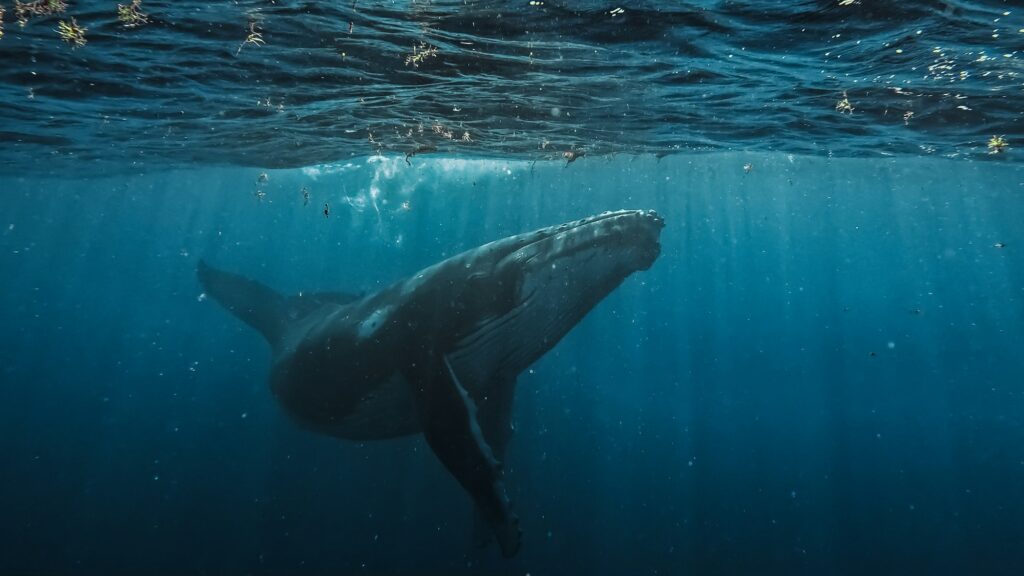
The humpback whale season in Samaná runs from mid-January to late March, but the 2027 dates have not been announced yet. The 2026 season opened on 16 January with 46 observation permits issued by the Ministry of Environment, and visitor numbers peak in February. Ask for the permit number before you book.
Checked on against the sources cited in this article, including official texts read in part and figures relayed by the press.
Humpback whales come back every winter to Samaná Bay, on the north-east coast of the Dominican Republic. If you are planning a trip in January, February or March 2027, knowing when to see them is only part of the question. You also need to check that the trip is authorised, understand the approach rules, estimate the budget and know what is still uncertain. The 2026 season opened on 16 January with 46 permits; no date has been set for 2027 yet. Before you pay, check three things: the operator’s permit number, the final price including taxes and fees, and the approach protocol it follows.
1. A sanctuary created in 1986, extended to the bay in 1996
The sanctuary of Samaná Bay
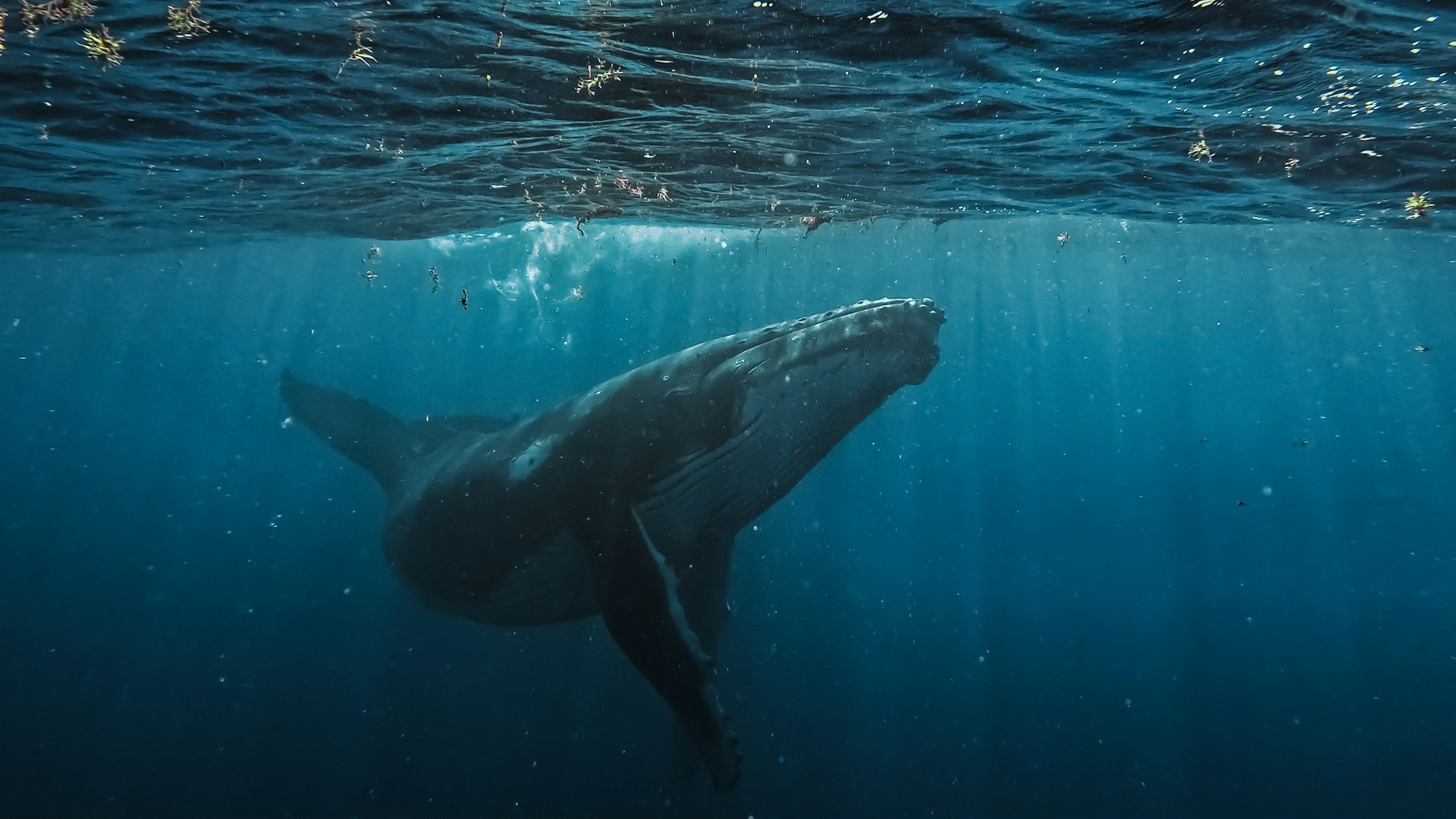
Samaná Bay is where humpback whales that leave the cold waters of the North Atlantic come for courtship, mating and calving. Its legal protection rests on four texts. Decree 319-86 of 14 October 1986 created the Plata Bank sanctuary. Decree 233-96 of 3 July 1996 extended it to 23,445 km², including Navidad Bank and Samaná Bay, in IUCN category IV. Finally, resolutions 0054-2025 and 0059-2025 of the Ministry of Environment, dated 27 and 31 October 2025, approve the sanctuary’s management plan, resolution 0054-2025, consulted on 23 November 2026.
Key points
- A sanctuary created in 1986, extended to the bay in 1996.
- A management plan approved by two resolutions in October 2025.
- Whale watching governed by permits issued each season.
If the sea is too rough for a boat trip, a day on land can take its place. The El Limón zipline, in Samaná province, has nothing to do with whale watching: it suits people the sea keeps off the water, or those put off by seasickness. Its Viator listing, checked on 23 November 2026, mentions about 4 hours of activity, a 450-metre cable and views of Cayo Levantado and Los Haitises National Park. It lists free cancellation, to be confirmed before you pay. A rough-sea day is the best moment for it, since the wind can pick up in the afternoon according to one source. The catch: check the open slots when you book, rather than relying on the season.

2. Calendar: what repeats and what remains unknown
Mid-January to late March, a window that comes back every year
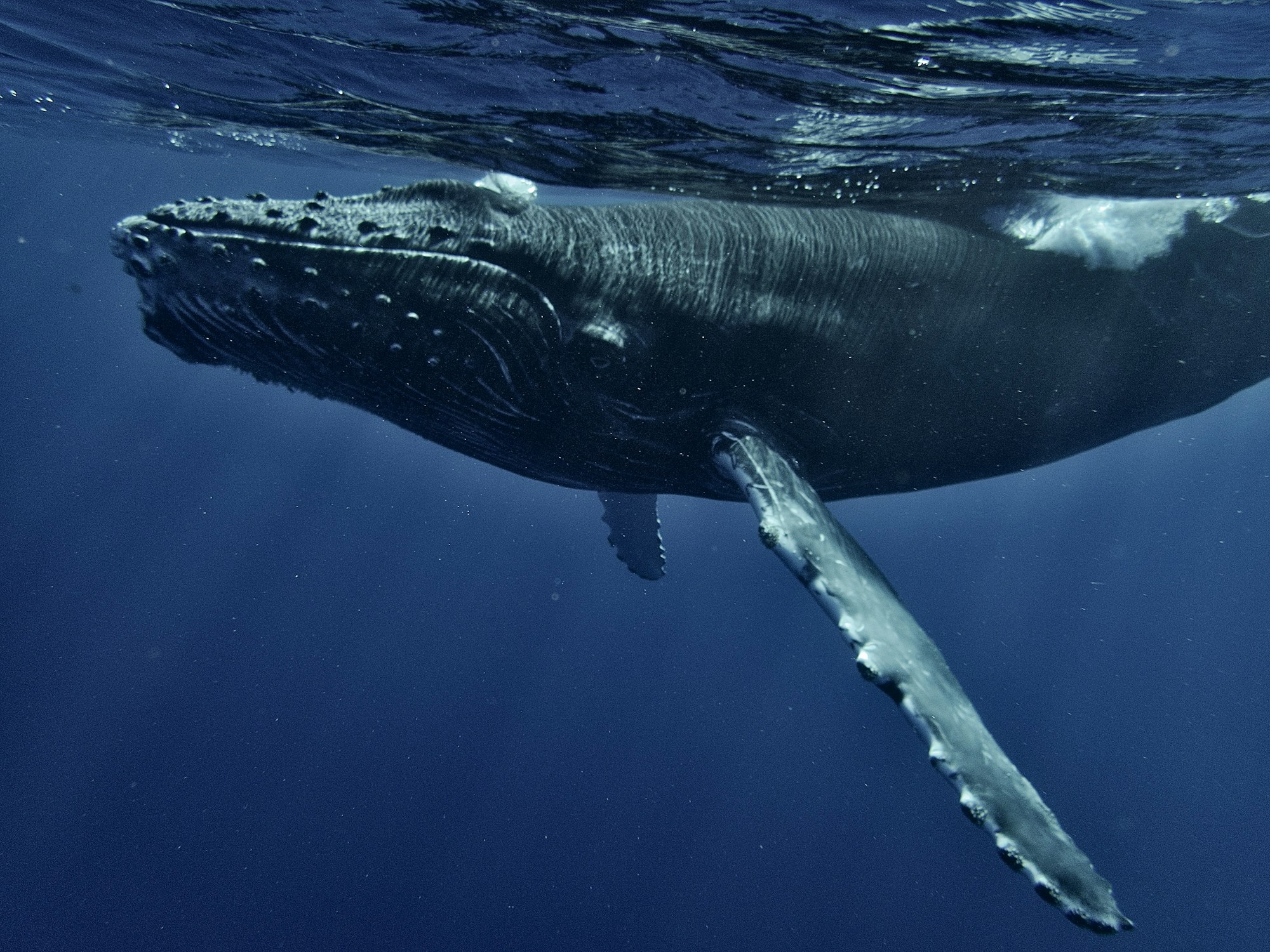
The 2024 and 2025 seasons opened on 15 January and closed in late March, according to the Ministry as relayed by the Rio Times. The 2026 season opened on 16 January, with a management agreement signed in Samaná and 46 observation permits: 43 for regular or rotating slots, and 3 departing from Puerto Plata. For 2027, no date had been published at the time of checking. The 2024, 2025 and 2026 seasons all opened between 15 and 16 January; the 2027 date will have to be confirmed with the Ministry or with the operator you choose.
The end of the season varies depending on the source. The official tourism website gives 25 March, but the page is dated 2020 and was updated in 2022. Several operators mention 30 March, and the Ministry quoted in the press gives 31 March for 2025. The safest approach is to write « late March » and confirm the exact date with your chosen operator.
Visitor numbers peak in February, according to guides and the press. The date the first whales arrive varies from year to year, and mothers with their calves are present from December to January, according to 2024 press reports. Outside the bay, the Caribbean Cetacean Society expedition to Navidad Bank counted 513 whale sightings in a single day in April 2026, which shows how important that bank is for mothers and calves.
| Season | Opening | End | Permits | Source |
|---|---|---|---|---|
| 2024 | 15 January | 30 March | not recorded | Rio Times, relaying the Ministry |
| 2025 | 15 January | 31 March | not recorded | Rio Times, relaying the Ministry |
| 2026 | 16 January | late March, exact date not published | 46 (43 + 3 from Puerto Plata) | Diario Libre and Acento, 16 January 2026 |
| 2027 | not announced | not announced | not announced | Rio Times, 28 October 2026 |
Source: Rio Times, Acento, Diario Libre, checked on 23 November 2026.
To compare with another winter season, humpback whales in Maui follow a different ocean: read our guide to Maui and Hawaii.
3. Swimming, distance, duration: what the rules say and what the guides say
What is banned, what is allowed, what remains unclear
Swimming is banned at Las Galeras. It is only allowed at Banco de la Plata, under permit, according to the Diario Libre newspaper of 30 March 2026. Guides that say you don’t swim in the bay are therefore not contradicting that text: the swimming concerns a bank outside the bay.
For the approach, distances circulate without always being sourced. The most quoted values are 50 metres for a single whale and 80 metres for a mother with her calf, according to a 2021 season protocol relayed by the press. No text read in 2026 sets a numerical distance that applies today. It is therefore better to present these figures as « according to the 2021 protocol » rather than as a rule in force.
The length of an observation follows the same principle. Guides mention 30 minutes at most for a group and 20 minutes for a mother with her calf. No regulatory source has been identified for these durations, and the full texts of the 2025 resolution are not accessible without a subscription.
4. Entry formalities for a French traveller
No visa, an online form, and a tax that keeps moving
For a stay of less than 30 days, a French national does not need a visa, according to France Diplomatie, whose page was updated on 15 October 2026. The eTicket entry form is free. It is completed online before departure and produces a QR code to show on arrival. A fine of 80 USD is reported if you have no QR code.
The tourist card costs 10 USD. It is included in tickets bought outside the Dominican Republic. If your ticket does not include it, you pay for it on arrival.
The departure tax is the least stable point. The press in June 2026 announced a 10 USD increase, a travel guide mentions 20 USD, and no official text we read confirms the amount. Don’t put a figure in your budget until you have checked it.
France Diplomatie does not specify a passport validity rule. The US State Department advisory cites six months after arrival, and airlines can apply a stricter rule. The safest approach is to travel with a passport valid for at least six months, without attributing this rule to the French authorities.
| Requirement | Rule | Source |
|---|---|---|
| Visa | not required up to 30 days | France Diplomatie, 15 October 2026 |
| Entry form | free eTicket, QR code required | France Diplomatie |
| Tourist card | 10 USD, included in tickets bought outside the Dominican Republic | DGII, summary of the official page |
| Departure tax | amount to be confirmed, increase announced in June 2026 | Dominican Today, 23 June 2026 |
| Passport validity | not specified by France Diplomatie, six months recommended | US State Department, summary |
Source: France Diplomatie, Dominican Republic, checked on 23 November 2026. The other lines are summaries of third-party sources.
5. Budget: how much a trip costs
No official price, undated listings
There is no official price for whale watching. Each operator sets its own price in US dollars, and the listings we checked are not dated. A shared trip of 7 to 8 hours, with observation and a beach stop, starts around 60 to 65 USD per adult. A 4-hour catamaran with pickup costs about 90 USD, a 3-hour private trip can reach 395 USD for a group, and a private full day from Punta Cana was listed at 1,500 USD. Taxes and fees are sometimes added at booking.
The format mainly changes the budget and the time spent at sea. A long trip combining observation, lunch and swimming at Cayo Levantado costs more and leaves less time for the observation itself. The reviews we read rate 3- to 4-hour trips as more focused. The cheapest shared option we found lasts 7 to 8 hours, from 60 USD per adult; a 4-hour catamaran trip costs about 90 USD.
The reviews we read also flag mistakes to avoid: trips lasting 7 to 12 hours, observation cut short to 40 minutes, groups of up to 100 people and poor communication with the operator. These reviews are not dated. Before booking, ask for the actual observation time and the maximum group size.
| Option | Duration | Indicative price |
|---|---|---|
| Shared trip from Samaná, Los Haitises or Cayo Levantado | 7 to 8 h | 60 to 65 |
| Shared trip with lunch | 7 h | 85 |
| Catamaran with pickup | 4 h | 90 |
| Departure from Las Terrenas | about 4 h | 109.29 |
| Departure from Santa Bárbara, long trip | 8.5 h | 220 |
| Private trip | 3 h | 395 for the group |
| Private trip from Punta Cana | full day | 1,500 (basis not specified) |
Source: AAA TripCanvas, Cayo Levantado and Los Haitises and Civitatis, unofficial listings (Expedia and Pelago too), checked on 23 November 2026.
6. Getting to Samaná and getting around
By road from Santo Domingo, or by air
From Santo Domingo, the Caribe Tours bus takes about 2 hours 25 to 2 hours 45, with a departure every four hours, for 4 to 7 USD. The company has not confirmed its 2026 timetables, so check before you travel. Samaná El Catey airport (AZS) receives Air Caraïbes flights from Santo Domingo, and seasonal flights to Canada. Airlines have not confirmed dates for the 2026-2027 season.
On site, public transport is rare. Samaná town is the best base for departures from Santa Bárbara, where the port is. Las Galeras, at the tip of the peninsula, is quieter, and Las Terrenas, about 45 minutes away, has more restaurants. Scooters and quad bikes are the norm. Guaguas, minibuses, link Samaná and Las Galeras in 30 to 40 minutes.
The whale museum in Santa Bárbara displays a cetacean skeleton. Its opening hours and admission price were not found in the sources we read, and a renovation has been reported. Plan to check on arrival.
| Route | Duration | Indicative cost | Source |
|---|---|---|---|
| Santo Domingo to Samaná by bus | about 2 h 25 to 2 h 45 | 4 to 7 USD | Caribe Tours, timetable not confirmed |
| Samaná to Las Galeras by guagua | 30 to 40 min | not recorded | Travel guides |
| Samaná to Las Terrenas | about 45 min | not recorded | Travel guides |
| Santo Domingo to Samaná El Catey airport | short-haul flight | not recorded | Flight aggregators, dates not confirmed |
Source: Caribe Tours, travel guides and flight aggregators, checked on 23 November 2026. Timetables and prices not confirmed by the carriers.
7. Visitor numbers and the debate over tourist pressure
Tens of thousands of visitors, and more and more boats
Visitors to the whale watching rose by 41% between 2019, with 71,261 people, and 2022, with 100,336. In the first quarter of 2024, 61,558 people took part in an observation, including 40,667 foreigners, according to Ministry of Environment data relayed by elDinero. These figures are not audited, and their source is not always identified.
The debate also covers cruises. The Ministry of Tourism counts 662 cruise and 157 ferry operations in 2023, compared with 366 cruise operations in 2019. A port project at Arroyo Barril, announced at 68 million USD, forecasts 300,000 cruise passengers in its first year. According to a biologist interviewed, the carrying-capacity study, required every five years, has not been carried out. The point remains contested.
Population figures are not consistent either. A biologist quoted by elDinero in 2024 counts 252 whales identified in the bay, while blogs put the number at 1,500 to 3,000 without citing a source. This article does not settle between these figures.
For comparison with other places to watch whales, the blue whales of Mirissa in Sri Lanka follow a completely different model: read our guide to Mirissa. The grey whales of Baja California in Mexico follow another season and another ocean: read our guide to Baja California.
| Period | Visitors | Source |
|---|---|---|
| 2019 | 71,261 | elDinero, 20 June 2024 |
| 2022 | 100,336 | elDinero, 20 June 2024 |
| First quarter 2024 | 61,558 | elDinero, 9 July 2024, Ministry of Environment |
| January 2025 | 12,951 | El Día, summary |
Source: elDinero, 9 July 2024, checked on 23 November 2026.
What other guides don’t tell you
The 2026 season saw incidents that the guides do not mention. An entanglement was reported on 11 March, propeller injuries on 20 March, a collision with a tourist boat took place, and illegal nets were seized. Diario Libre, 30 March 2026 (consulted on 23 November 2026). Tip: ask your operator how it approaches the animals, and check that it keeps to the distances and durations it advertises.
Practical information for planning the season
The local currency is the Dominican peso (RD$), but operators often charge in US dollars. Keep some cash for small operators and a card for larger companies.
The bay is sheltered, and morning departures are calmer. One source says the wind can pick up in the afternoon, and a windy night can make the following morning choppy.
A practical guide recommends a catamaran for sensitive travellers and a preventive medicine before boarding. Also bring sun protection, a windproof layer and binoculars.
Dominican Spanish is the common language. English is good in hotels and with operators, and more limited in small villages.
Frequently asked questions
When can you see humpback whales in Samaná?
The season runs from mid-January to late March, with a peak in February, according to guides and the press. The 2026 season opened on 16 January with 46 permits. The 2027 dates had not yet been published as of 23 November 2026. The end of the season varies between sources, from 25 to 31 March, so confirm the exact date with your operator.
How much does a whale watching trip cost?
There is no official price. The listings checked on 23 November 2026 range from about 60 to 65 USD per adult for a shared 7- to 8-hour trip, to 395 USD for a 3-hour private trip, and up to 1,500 USD for a private full day from Punta Cana. These prices are undated, and taxes or fees are sometimes added at booking. Compare two or three operators before you pay.
Can you swim with the whales in Samaná?
Mainstream guides advise against swimming in the bay. The only text we found (Diario Libre, 30 March 2026) bans it at Las Galeras and only allows it at Banco de la Plata, under permit. If an offer promises swimming with whales in the bay, ask for the corresponding permit before booking.
How long does an observation last?
Guides mention 30 minutes at most for a group, and 20 minutes for a mother with her calf. These durations come from the guides, and we found no regulatory source that sets them. A trip usually lasts several hours, as it includes the journey to the area, the observation and the return to port.
How do you check that a trip is authorised?
The Ministry issued 46 permits for 2026. Ask for the permit number when you book, then check it with the Ministry of Environment through its ventanilla única in the Distrito Nacional (channel to be confirmed). No source we read publishes a named list of operators, so only the number provided by the operator can be checked. An operator that cannot give you one should not be considered.
Does a French national need a visa?
No, for a stay of less than 30 days, according to France Diplomatie, updated on 15 October 2026. You do need to complete the free eTicket form and keep the QR code. The 10 USD tourist card is included in tickets bought outside the Dominican Republic. Your passport should ideally be valid for at least six months, although this rule is not attributed to the French authorities.
Can you see whales without a boat?
A land-based lookout is reported at Punta Balandra, on the south coast of the peninsula. Tourist sites present it as opened by the Ministry in 2011, but we did not check this against the official text. Whales are sometimes visible from afar, as spouts and backs. Visibility depends on the weather and the swell, and nothing is guaranteed.
Which base should you choose: Samaná, Las Terrenas or Las Galeras?
Samaná is the best base for departures from Santa Bárbara, where the port is. Las Terrenas has more restaurants and nightlife, about 45 minutes away. Las Galeras is quieter and closer to the tip of the peninsula. Public transport is rare across the whole region, so plan a car or a transfer for early-morning departures.
Is there a risk of seasickness?
There can be. The bay is described as sheltered, with calmer mornings, but the wind can pick up in the afternoon and make the sea rough after a windy night. A practical guide recommends a catamaran if you are sensitive, and a preventive medicine before boarding. We found no figures on sea conditions from January to March.
Sources
- Diario Libre, 16 January 2026: opening of the 2026 season and management agreement
- Acento, 16 January 2026: 46 observation permits issued by the Ministry
- Diario Libre, 30 March 2026: 2026 incidents and swimming rule
- vLex, resolution 0054-2025: sanctuary management plan, considerations
- vLex, resolution 0059-2025: approval of the management plan
- France Diplomatie, Dominican Republic: entry formalities, updated 15 October 2026
- Rio Times, 28 October 2026: 2024 and 2025 seasons, 2027 season not announced
- elDinero, 9 July 2024: visitor numbers for the first quarter of 2024
- DR1, 14 April 2026: expedition to Navidad Bank
- AAA TripCanvas, Bacardi: operator listing, season ends 30 March, unofficial price
- AAA TripCanvas, Cayo Levantado and Los Haitises: operator listing, unofficial price (60 to 65 USD)
- Holaqueya, practical guide: season, observation duration, swimming rules
- Visit Dominican Republic, whale watching: page dated 2020, updated 2022
- US State Department, Dominican Republic advisory: passport validity, summary
Unless stated otherwise, pages were consulted on 23 November 2026. The full official texts were not accessible without a subscription.

Plan your trip with Pixidia
Pixidia learns how you travel and helps you build a trip that truly fits you and everyone coming along.
Open the planner