

Paris-Berlin night train (European Sleeper): key facts
The Paris-Berlin sleeper train relaunched on March 26, 2026 with European Sleeper and remains in operation as of August 2026 — the wider network has since grown to include a Hamburg stop (from July 2026) and a new Brussels/Amsterdam–Milan line (from June 2026). The journey takes 15h30 to 16h15 via Brussels, with 3 weekly departures (Tue/Thu/Sun from Paris, Mon/Wed/Fri from Berlin). Fares start at €59 (seat), €69.99 (couchette), or €129 (private sleeping car). Interrail and Eurail passes are accepted with a reservation supplement from €11. Book directly on europeansleeper.eu — tickets are not sold on SNCF Connect. For the best berth, book at least 6-8 weeks ahead and choose Classic class for a shared trip or Comfort Plus for a private cabin with a washbasin.
It’s official: the Paris-Berlin night train is back. After the controversial cancellation of the Nightjet service by ÖBB/SNCF in December 2025, the Belgian-Dutch cooperative European Sleeper is picking up the torch from March 26, 2026. With a route via Brussels, fares starting at 59 €, and a capacity of 600 to 700 passengers, this long-awaited service reconnects two iconic capitals in a single night. Here is everything you need to know to plan your journey: schedules, prices, comfort classes, booking, and practical tips.
1. European Sleeper: the citizen-owned cooperative reviving the night train

A railway company born from crowdfunding
European Sleeper is not your average railway operator. Founded in 2021 by Elmer van Buuren and Chris Engelsman, two Dutch night train enthusiasts, this Belgian-Dutch cooperative pulled off an ambitious feat: building an international railway company entirely owned by its users and citizen investors.
The fundraising track record is remarkable. In May 2021, European Sleeper raised 500,000 € in just fifteen minutes from 350 early investors. Two additional rounds followed in 2022 (2 M€, 1,400 investors) and 2023 (3 M€). In December 2025, a new campaign was launched to support the Paris-Berlin service. In total: over 7 million euros raised from more than 6,000 co-owners.
Since its commercial launch in 2023 on the Brussels-Amsterdam-Berlin-Prague route, the cooperative has already carried more than 230,000 passengers across over 750 trains. The model works: anyone who believes in sustainable rail travel can become a co-owner starting at 280 €, and enjoy discounts of up to 25% on tickets.
2. Route and schedule: Paris to Berlin in one night
A new route via Brussels
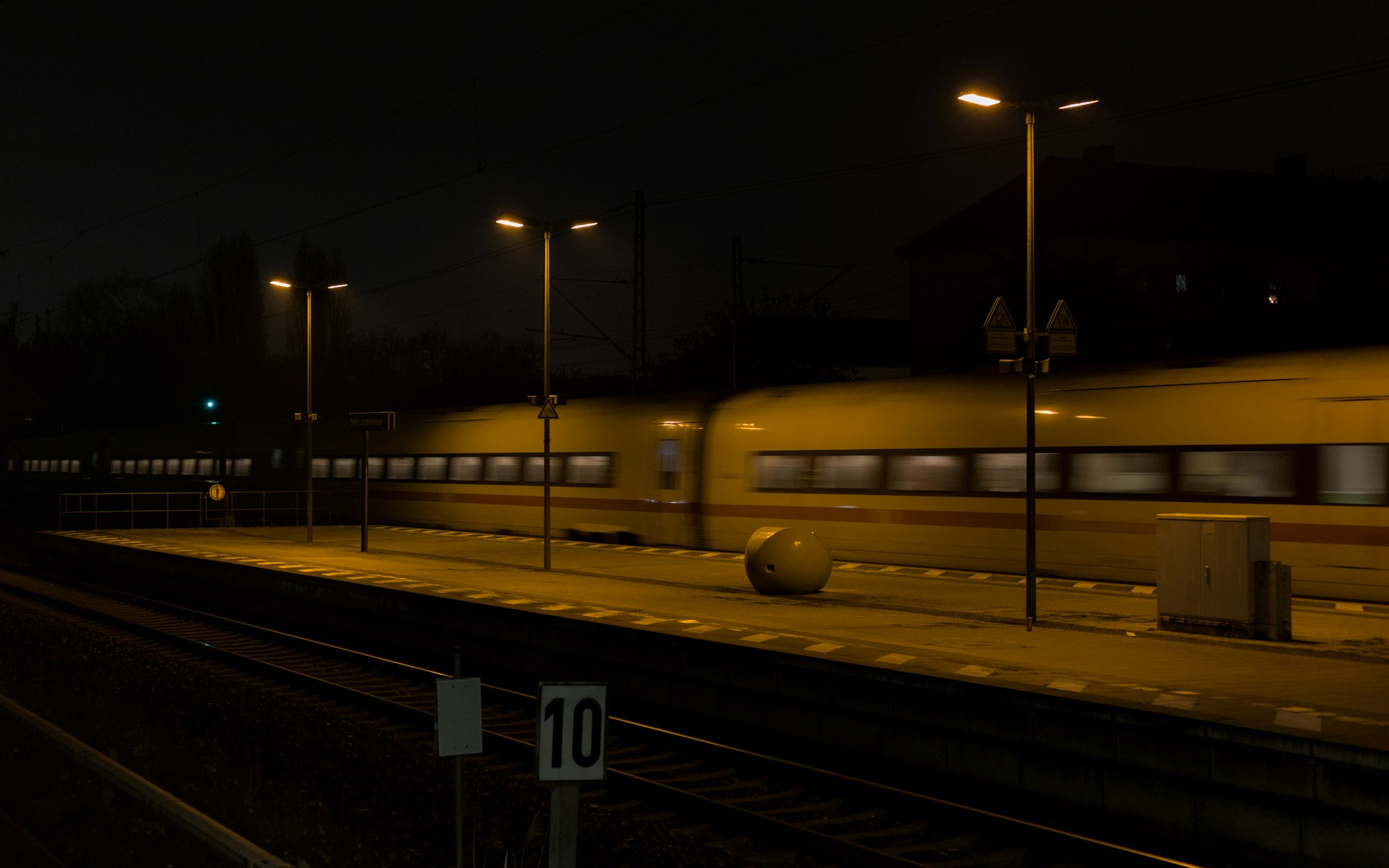
Unlike the former Nightjet, which took the route via Strasbourg and Frankfurt, the new European Sleeper service runs through Brussels-Midi. This strategic choice allows the company to combine this service with its existing Brussels-Berlin line, offering up to six weekly connections between Brussels and Berlin.
Detailed schedule
| Direction | Train | Departure | Arrival | Days |
|---|---|---|---|---|
| Paris → Berlin | ES 475 | Paris Nord 6:02 PM | Berlin Hbf 10:10 AM | Tue, Thu, Sun |
| Berlin → Paris | ES 474 | Berlin Hbf 6:31 PM | Paris Nord 10:00 AM | Mon, Wed, Fri |
Intermediate stops
- Paris Gare du Nord — Departure/arrival, Eurostar connection to London
- Brussels-Midi — Intermediate stop, Thalys/Eurostar connections
- Hamburg Harburg — Stop added July 13, 2026, now part of the regular route
- Berlin Hauptbahnhof — Central station, heart of Berlin’s rail network
The Brussels routing also provides a convenient connection for travelers coming from the United Kingdom via Eurostar. The train may also serve cities in northern France such as Aulnoye or Douai, according to the latest reports.
3. Comfort classes and fares: from 59 € to 250 €
Four categories for every budget
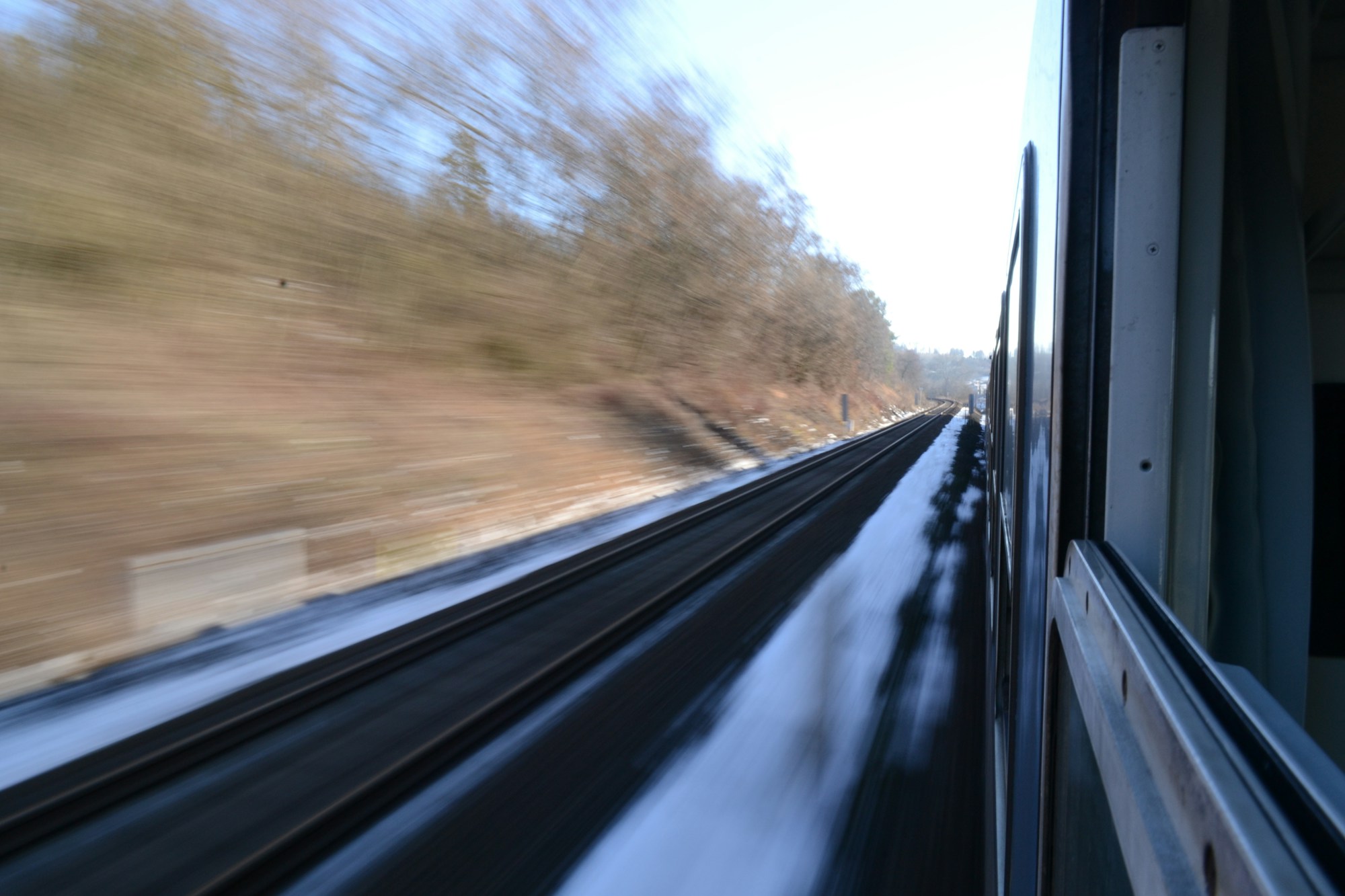
European Sleeper offers four comfort classes, from the adventurous backpacker to couples seeking a romantic rail experience. The carriages, built in the 1990s for German railways, offer what the company describes as « vintage chic » comfort.
| Class | Configuration | Price from | Included |
|---|---|---|---|
| Budget | Seats | 59 € | Reclining seat |
| Classic | Couchettes (5 pers.) | 69.99 € | Sheets, blanket, pillow, water bottle |
| Comfort Standard | Couchettes (1-3 pers.) | 109 € | Mattress, full bedding, breakfast |
| Comfort Plus | Sleeping car (1-3 pers.) | 129 € | Proper bed, washbasin, duvet, breakfast |
Details by class
Classic: the best value for money. Each compartment has 5 couchettes in air-conditioned carriages. Clean sheets, blanket, and pillow provided. Toilets and washbasins at the end of the corridor. The door locks with both a key lock and a safety chain. Women-only compartments are available.
Comfort Plus: the premium option in historic stainless steel sleeping cars, built between 1954 and 1956 by the Compagnie Internationale des Wagons-Lits. Proper beds with duvets, a private washbasin, and a guaranteed « Orient Express » atmosphere.
Supplements and services
- Bicycle: 19 € (26 spaces, more in peak season)
- Pets: free (private compartment required)
- Luggage: 1 carry-on + 2 checked bags included
- Breakfast: included in Comfort, optional for Classic and Budget
4. How to book: tickets, Interrail, and conditions
Everything you need to know to book at the best price
Tickets for the Paris-Berlin route have been on sale since December 16, 2025 on the official website europeansleeper.eu. Please note: tickets are not available on SNCF Connect. You can also book via B-Europe (SNCB International).
Fares with Interrail / Eurail pass
Interrail and Eurail passes are accepted on European Sleeper, subject to a mandatory reservation supplement:
| Class | Interrail reservation | Standard ticket |
|---|---|---|
| Budget | 11 – 21 € | 14.99 – 169.99 € |
| Classic (5 pers.) | 64 – 74 € | 79.99 – 219.99 € |
| Comfort Standard | 79 – 169 € | 95.99 – 225.99 € |
If your night train arrives after midnight, only one travel day is needed on your pass (the departure day). The arrival day simply needs to fall within your pass validity period.
Cancellation policy
- Easy Night: no refund
- Good Night: 100% up to 30 days before, 50% up to 15 days before
- Flex Night: 100% up to 48 hours before departure
In case of a delay exceeding 120 minutes, you are entitled to compensation of 50% of the ticket price. For delays of 60 to 119 minutes, the compensation is 25%.
5. Why was the Nightjet Paris-Berlin discontinued?
The end of the Nightjet: withdrawal of French subsidy
The Nightjet Paris-Vienna and Paris-Berlin services, operated by ÖBB in partnership with SNCF Voyageurs and Deutsche Bahn, ended on December 14, 2025. The cause: the French Ministry of Transport withdrew an annual subsidy of 8 to 10 million euros, amid budget austerity measures.
Launched in December 2021 for Vienna and December 2023 for Berlin, the service had an occupancy rate of 70% in 2024. SNCF estimated that even with higher load factors, operating costs remained too high without public subsidy. Among the challenges: the lack of European coordination on maintenance works and particularly high track access charges in Germany.
The decision sparked a massive public outcry, with nearly 100,000 signatures on the petition by the « Oui au train de nuit » (Yes to Night Trains) collective. It was in this context that European Sleeper, already operating on the Brussels-Berlin route, announced it would take over the service.
6. On board the train: what to expect
A « vintage chic » experience and digital detox
European Sleeper uses carriages leased in Germany, built in the 1990s. Co-founder Chris Engelsman says they offer comfort comparable to current Nightjet equipment. The Comfort Plus sleeping cars are even older and steeped in history: built between 1954 and 1956 by the Compagnie Internationale des Wagons-Lits, they feature American-style stainless steel bodywork.
Notable point: there is no Wi-Fi on board. European Sleeper embraces this « digital detox » and encourages passengers to read, chat, or simply watch the landscape roll by in the night. There is no dining car at launch either, but a snack and beverage service is provided by stewards. Breakfast (hot drink, bread roll, juice, granola yogurt) is included in Comfort or available as an add-on.
Packing checklist for your journey
- Meals and snacks (no dining car at launch)
- Earplugs and sleep mask
- USB charger (outlets available on board)
- Book or downloaded podcast (no Wi-Fi)
- Light toiletry bag (no showers on board)
- Extra water bottle
Traveling with children
Children under 3 travel for free (without a reserved seat). Children aged 4 to 11 must be accompanied by an adult. A private Classic compartment can be an excellent option for families.
7. Environmental impact: 100 times less CO₂ than flying
The night train: undisputed champion of low-carbon travel
The numbers speak for themselves. A flight between Paris and Berlin emits approximately 200 kg of CO₂ per passenger. The same journey by night train? Just about 2 kg. A ratio of 1 to 100 that makes the night train the most eco-friendly option by far.
Beyond the carbon footprint, the night train offers an often-overlooked economic advantage: you save one hotel night in each direction. When factoring this cost into the equation, the night train often becomes competitive even against low-cost flights.
The fiscal argument is equally striking: between Berlin and Paris, up to fourteen daily flights carry approximately 675,000 passengers per year. Back-on-Track estimates that the lost VAT revenue on this single air route alone (jet fuel being tax-exempt) amounts to roughly 12.8 million euros — more than double the subsidy that would have kept the Nightjet running.
8. European Sleeper network update: Hamburg and Milan now live, Barcelona next
A European network in full expansion
The Paris-Berlin line was just the beginning. European Sleeper has continental ambitions, and as of August 2026 two more of its announced 2026 expansions are already running:
Hamburg — live since July 13, 2026
The Paris-Berlin train now makes an additional stop at Hamburg Harburg, in the southern part of the port city. A strategic connection that opens the door to Scandinavia and improves links between Western Europe and northern Germany.
Brussels/Amsterdam – Milan — live since June 18, 2026
The most anticipated connection, now running. Two departure points (Amsterdam or Brussels), with trains joining at Cologne to head south via the historic Simplon route through the Alps, stopping at Bern, Brig, and Domodossola before reaching Milan. Departures on Monday, Thursday, and Saturday evenings.
Amsterdam – Barcelona — 2027-2028
Selected in January 2023 as a pilot project by the European Commission to improve cross-border rail links, this service to southern Europe is the cooperative’s next major milestone.
9. Destinations accessible from the night train

Much more than just a Paris-Berlin link
The European Sleeper night train is not merely a connection between two capitals. It is a gateway to an entire European network. Here are the best destinations accessible from this route:
Berlin — the terminus that never sleeps
Arriving at Berlin Hauptbahnhof in the early morning means finding yourself at the heart of a city in perpetual motion. The Brandenburg Gate is 10 minutes away. Budget 80-120 € per day. May-June or September are ideal, and head straight to Neukölln for brunch before your hotel check-in even opens.
Prague — onward connection via Berlin
The existing European Sleeper Brussels-Berlin-Prague line lets you continue on to the « City of a Hundred Spires. » The train follows the Elbe valley before Prague, offering one of Europe’s most beautiful rail panoramas at breakfast time.
Brussels — the gourmet stopover
Take advantage of the Brussels-Midi stop for a day-long layover. The Grand-Place is a 15-minute walk from the station. Waffles, chocolate, and craft beers await before you catch the next train.
Hamburg — gateway to the North (from July 2026)
With the new Hamburg Harburg stop, the train also becomes a Paris-Hamburg service. From there, you can continue to Copenhagen, Sweden, or the North Sea islands.
The Spreewald — Germany’s green Venice
Just one hour by regional train south of Berlin, this UNESCO biosphere reserve offers hundreds of canals to explore by traditional punt boat. The perfect nature excursion to extend your trip.
Make the most of your first morning in Berlin
You arrive at Berlin Hauptbahnhof around 10 AM with a full day ahead before your hotel check-in. These guided experiences are ideal for arriving travellers:
A small-group walking tour covering the city’s most iconic Cold War sites — Berlin Wall, Karl-Marx-Allee, Alexanderplatz, East Side Gallery. From €18.32 per person, free cancellation. Rated 4.9/5 by 1,099+ travellers — an easy, low-cost first stop for history lovers arriving by sleeper train.
Discover Berlin’s culinary scene on a guided food walk through the city centre. Tastings included. From €119 per person. Rated 5.0/5 by 88 travellers — a great way to start your Berlin visit.
10. Alternatives: other night trains across Europe
A continent connected by night
Europe has approximately 150 night train routes crisscrossing the continent. Here are the main alternatives and complements to the Paris-Berlin service:
ÖBB Nightjet — the European leader
Despite the cuts to Paris, ÖBB maintains a dense network: Vienna-Brussels (3x/week), Vienna-Amsterdam, Munich-Venice, and numerous connections to Italy. In 2026, brand-new state-of-the-art trains are being deployed on the Vienna-Rome/Milan routes.
Caledonian Sleeper — the premium experience
Europe’s most luxurious night train links London to the Scottish Highlands. Since January 2026, a new Birmingham-Aberdeen service has been added. A full cooked breakfast, a club lounge, and cabins with showers: the hotel experience on rails.
Stockholm – Berlin
Operated by SJ and then RDC Deutschland (from August 2026), this train links Sweden to Berlin three times a week via Hamburg. Combined with European Sleeper, it opens a Stockholm-Paris corridor in just two nights.
Adriatic Express — Warsaw-Rijeka
PKP Intercity connects Poland to the Croatian Adriatic coast. Resumption planned for late June 2026 for the summer season.
Frequently Asked Questions
When does the first European Sleeper Paris-Berlin night train depart?
The first departure took place on Thursday, March 26, 2026 from Paris Gare du Nord. The train arrives at Berlin Hauptbahnhof the next morning at 10:10 AM. Departures run 3 times per week: Tuesday, Thursday, and Sunday from Paris.
Is the Paris-Berlin night train still running in 2026?
Yes. The European Sleeper Paris-Berlin service has been operating since its March 26, 2026 launch and, as of August 2026, keeps its 3-times-weekly schedule via Brussels. The wider European Sleeper network has also expanded since launch: a Hamburg Harburg stop was added in July 2026, and a separate Brussels/Amsterdam-Milan line launched in June 2026. Check europeansleeper.eu for the live timetable before booking.
How much does a Paris-Berlin night train ticket cost?
Prices start at 59 € for a seat (Budget class), 69.99 € for a shared couchette (Classic class, 5 people), 109 € for a private couchette (Comfort Standard, 1-3 people), and 129 € for a sleeping car berth (Comfort Plus). Prices vary based on demand and booking date.
Can I use my Interrail pass on European Sleeper?
Yes, Interrail and Eurail passes are accepted on all European Sleeper services. However, you must purchase a mandatory reservation supplement: from 11 € (Budget) to 179 € (Comfort). Book early as Interrail quotas are limited. Only one travel day is needed if the train arrives after midnight.
Are there showers and Wi-Fi on board?
Neither is available. There are no showers on board (washbasins are available in Comfort Plus compartments and at the end of the corridor for other classes). Wi-Fi is not offered: European Sleeper embraces the « digital detox » concept. Bring a book or downloaded content.
Where can I book Paris-Berlin night train tickets?
Exclusively on the official website europeansleeper.eu or via B-Europe (SNCB International). Tickets are not available on SNCF Connect. Book as early as possible as seats fill up fast.
Can I bring my bicycle on the night train?
Yes, for 19 € per bicycle. The train has 26 standard bicycle spaces, with additional spaces in peak season. Book your bicycle spot at the same time as your ticket on the European Sleeper website.
Are pets allowed on board?
Yes, dogs and cats are welcome on board, provided you book a private compartment (Comfort Standard or Comfort Plus). There is no additional charge for the pet.
Is the night train more eco-friendly than flying?
By a wide margin. A Paris-Berlin flight emits approximately 200 kg of CO₂ per passenger compared to only 2 kg for the night train — a ratio of 1 to 100. When you factor in the hotel night saved and the city-center-to-city-center journey, the night train is often competitive on price as well.
Is the Paris-Berlin sleeper train cheaper than flying?
It can be, once you factor in the full cost of travel. A budget flight at €49 typically requires an airport taxi (€25–35 each way) and at least one hotel night (€80–120 in Berlin). The total often exceeds €160–200 per person. The European Sleeper sleeper train from €69.99 (Classic couchette) takes you city-centre to city-centre overnight — saving the hotel night entirely. For solo travellers and couples, the night train is frequently the smarter financial choice, not just the greener one.
Which class should I choose on the Paris-Berlin night train?
For most travellers, Classic class (€69.99+) offers the best value: a shared 5-berth couchette with sheets, blanket, pillow, and a water bottle. It suits solo travellers and friends. For couples or anyone prioritising privacy, Comfort Plus (€129+) provides a proper bed, a private washbasin, and a duvet in a historic stainless-steel sleeping car. Avoid the Budget seat (€59) for a 15h+ journey — it is a reclining seat only, without bedding. If you hold an Interrail pass, the reservation supplement for Classic is just €64–74, making it exceptional value.
How long does the Paris-Berlin sleeper train take and which days does it run?
The European Sleeper night train takes about 15h30 to 16h15 via Brussels. It departs from Paris on Tuesday, Thursday and Sunday and from Berlin on Monday, Wednesday and Friday. Fares start at €59 for a seat, and tickets are sold on europeansleeper.eu.
Sources
- European Sleeper — Official cooperative website
- European Sleeper – Paris-Berlin — Dedicated Paris-Berlin page
- European Sleeper – Timetable — Official timetable
- Seat61 – European Sleeper — Independent European train guide
- Back-on-Track – Paris-Berlin — Timetable and technical details
- B-Europe / SNCB International — Alternative booking platform
- Travel Tomorrow — Paris-Berlin revival announcement
- Connexion France — Paris-Berlin route context
- Yahoo Finance / PR Newswire — Cooperative model and funding
- Railway Gazette — End of Nightjet ÖBB/SNCF service
Research conducted on February 7, 2026. Updated June 28, 2026 (Hamburg stop confirmed July 13, Viator experiences added). Updated August 22, 2026 (Hamburg and Milan routes confirmed live, Viator product mix refreshed, FAQ expanded).
Plan your next train journey
Discover hundreds of detailed itineraries across Europe, created by our community of travelers. From a weekend in Berlin to grand overnight crossings of the continent, find inspiration for your next sustainable trip.
Explore all itineraries