
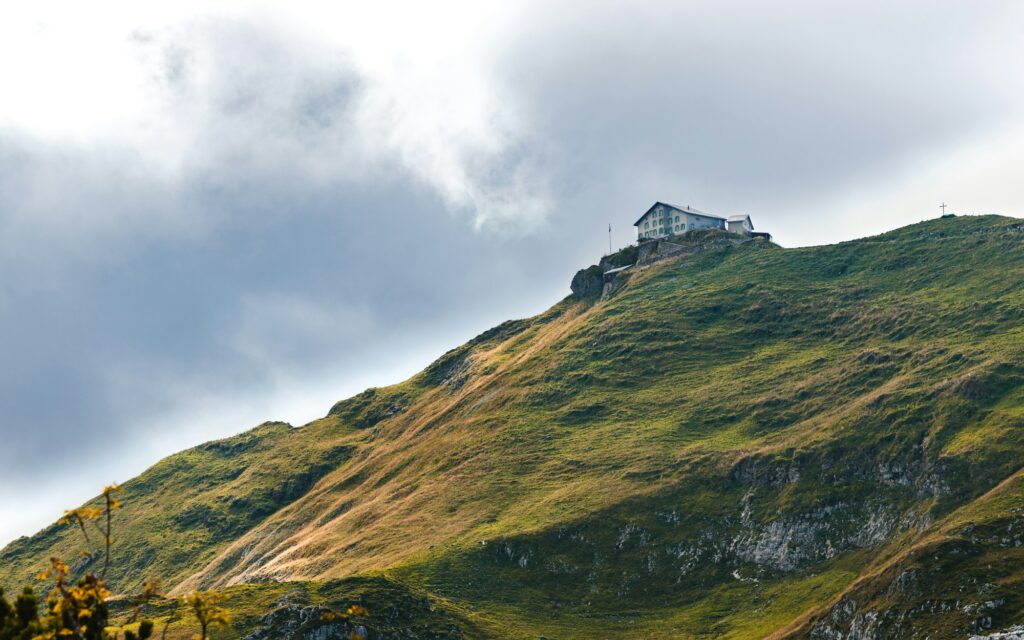
Hut-to-hut hiking is the biggest mountain travel trend of 2026. According to Gregory Packs, mountain hut reservation requests have surged by 34% over two years, driven by a generation of hikers seeking total immersion in alpine landscapes. The idea is simple and powerful: sleep at altitude, travel light, and gaze at the stars from a refuge perched at 2,000 metres, far from tourist valleys. The Alps, Dolomites and Pyrenees concentrate the finest hut-to-hut routes in Europe — from the legendary Tour du Mont-Blanc to the Alta Via of the Dolomites and the great Pyrenean traverse. This guide compiles the most up-to-date 2026 data: distances, elevation gain, budgets, best seasons, booking advice and insider secrets. Your adventure starts here.
Hut-to-hut hiking in Europe means walking from refuge to refuge and sleeping there each night. The reference route, the Tour du Mont Blanc across France, Italy and Switzerland, takes 7 to 11 days at €70 to €110 a day. In 2026, the main season runs from mid-June to mid-September.
1. Tour du Mont-Blanc (TMB) — The Ultimate Classic
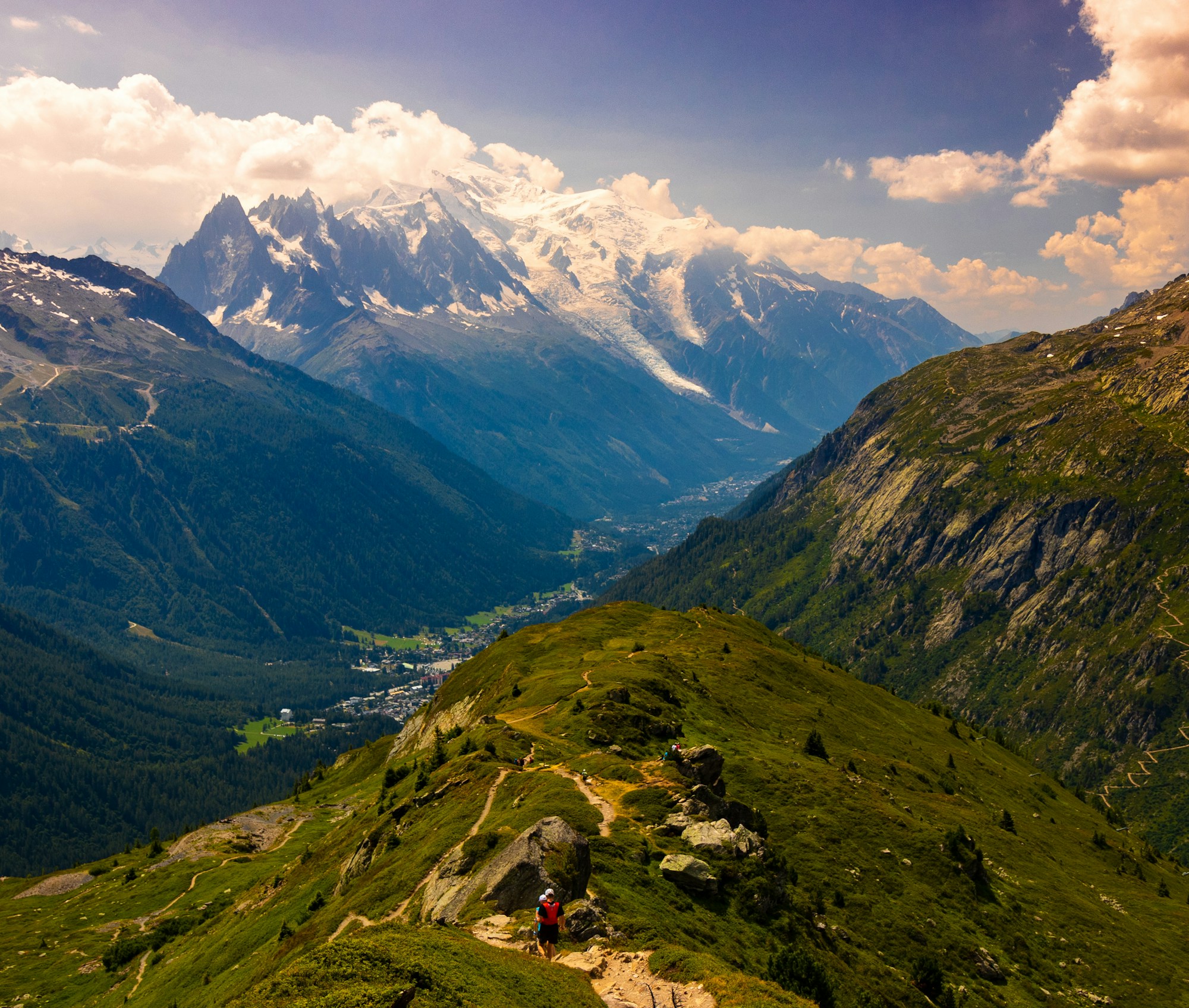
Tour du Mont-Blanc — France, Italy, Switzerland
The Tour du Mont-Blanc is the most celebrated hut-to-hut route in the world. This 166-kilometre circuit traverses three countries — France, Italy and Switzerland — circling the Mont-Blanc massif, Western Europe’s highest peak (4,808 m). According to La Chamoniarde, the route crosses major alpine passes including the Col de la Seigne (2,516 m), Col des Fours (2,665 m) and Grand Col Ferret (2,537 m), accumulating over 10,000 metres of total elevation gain. Accommodation is varied: charming hotels, picturesque gîtes, traditional mountain huts, and even bivouac sites for the most adventurous.
For 2026 booking logistics, the system has evolved: reservations for the 2026 season opened in October 2025 on Mon Tour du Mont Blanc. The message from TMB Trail Guide is clear: book from September of the previous year to secure the best huts as soon as reservations open in October.
Highlights
- 3-country loop with a perfectly organised transport network
- Dense hut network — never more than one challenging stretch between shelters
- Unique cultural diversity: Savoyard fondue, Valle d’Aosta polenta, Swiss raclette in three days
- Maximum flexibility: from 7 to 12 days depending on your pace
The daily budget ranges from €70 to €110: expect €25–40 for a dorm bed, €55–80 for half-board, and €15 for drinks and extras. Crowds peak between 14 July and 15 August. Before mid-June, residual snow can make some col crossings tricky — check conditions with the hut keepers.
2. Walker’s Haute Route — Chamonix to Zermatt
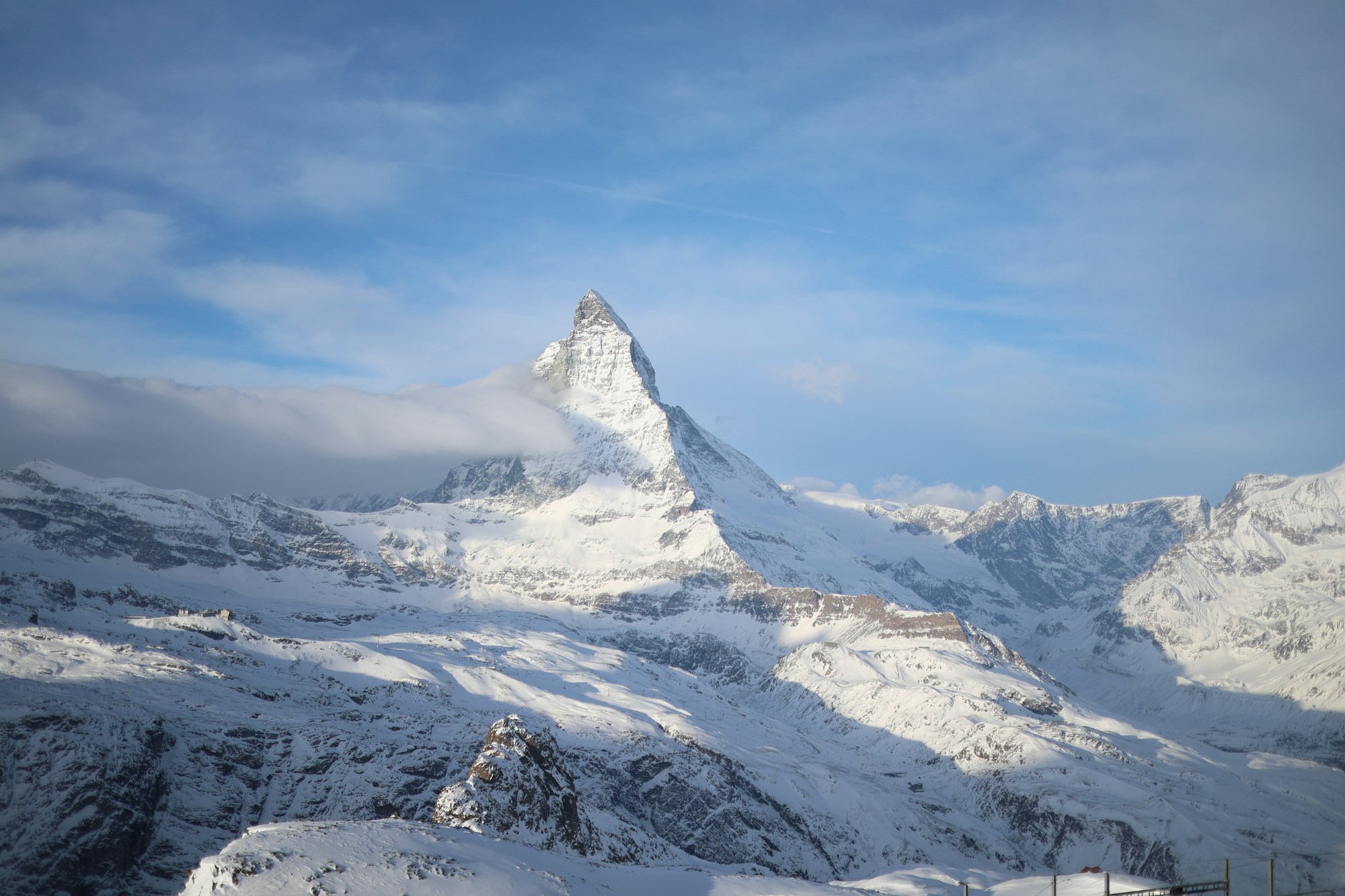
Walker’s Haute Route — The Legendary Traverse
The Walker’s Haute Route is considered by many to be the finest hut-to-hut trek in the Alps. It links Chamonix, at the foot of Mont-Blanc, to Zermatt, dominated by the Matterhorn (4,478 m), in 14 days. According to Alpine Exploratory, the standard route reaches a high point of 2,987 m with a cumulative elevation gain of 15,200 m — a serious physical undertaking reserved for experienced hikers. There is no single trail but a network offering 10 popular alternative itineraries, for a total distance ranging from 174 to 227 km depending on the variants chosen.
Swiss mountain huts are noticeably more expensive than French huts: budget €100–150 per day, including €15–20 CHF just for drinks. The final section via Zermatt is memorable, but note that in 2025 diversions via Täsch were in place between the Europahütte and Taschalphütte following rockfalls. Check current conditions on The Hiking Club before departure.
Highlights
- Considered the finest trek in the Alps by the global hiking community
- Final view of the Matterhorn from Zermatt — an experience of rare intensity
- Passage through authentic Valais villages (Verbier, Arolla, Les Haudères)
- High-quality Swiss huts with renowned cuisine
3. Alta Via 1 of the Dolomites — The Fairy-Tale Route
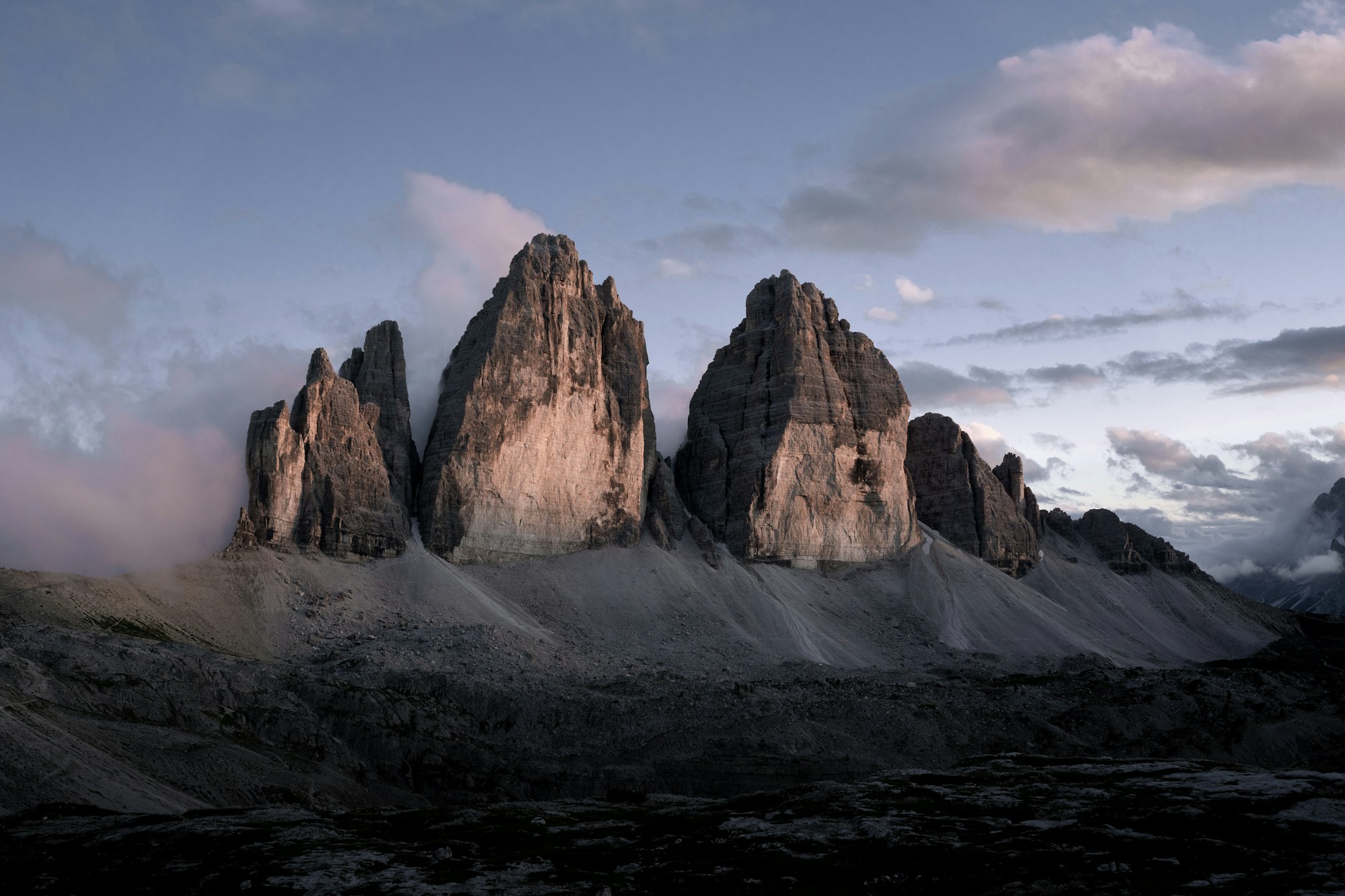
Alta Via 1 — Lago di Braies → Belluno
A UNESCO World Heritage Site, the Dolomites are home to one of Europe’s most spectacular landscapes — limestone pinnacles that change colour throughout the day, from brilliant white to fiery orange during the enrosadira at sunset. The Alta Via 1 (AV1) is the most popular long-distance route in this massif. Nicknamed « the fairy-tale land of the Alps » by The Hiking Club, it departs from the emerald waters of Lago di Braies — Italy’s most beautiful mountain lake — and heads south over 120 km through spectacular alpine lakes, dramatic rock formations and flower-filled meadows.
The route also passes through World War I historical sites: at Lagazuoi, restored tunnels and trenches recall battles fought at 2,000 m altitude. According to Self Guided Dolomites, the booking challenge is real: rifugi are managed individually, open reservations at different times, and often fill up months in advance. Start looking for availability from March–April for the summer season.
Highlights
- Lago di Braies — one of Europe’s most photogenic starting points
- Cinque Torri and WWI sites accessible directly from the trail
- Italian rifugi with outstanding regional cuisine (speck, canederli, strudel)
- Ideal for a first hut-to-hut trek — well-marked trails, frequent huts
4. GR54 — Tour de l’Oisans et des Écrins
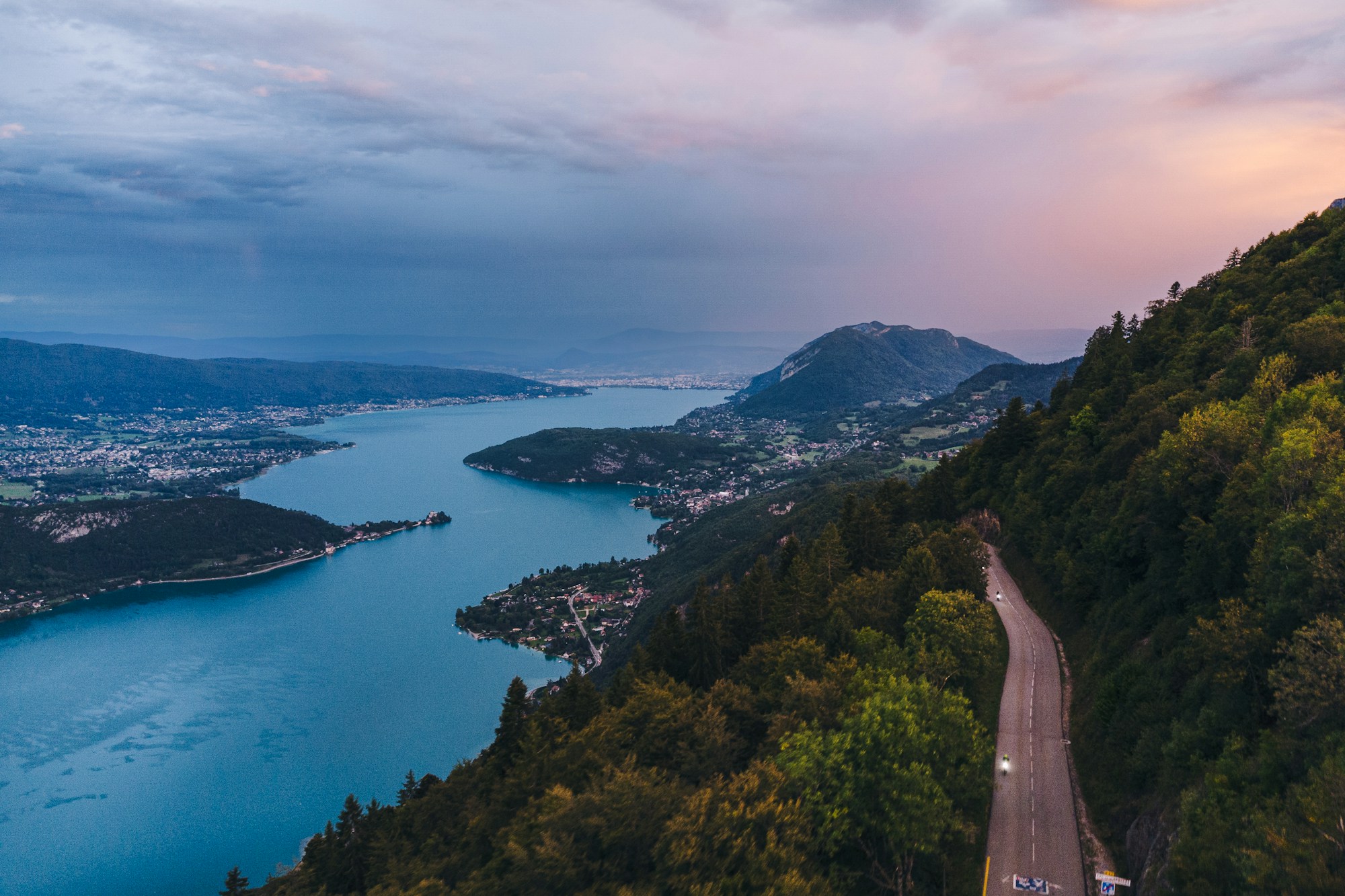
GR54 — The Great Adventure of the French Alps
The GR54 is the great unknown of the French Alps — and that is precisely its strength. This 176–190 km circuit traverses the entire Écrins National Park, the wildest alpine park in France, with summits above 4,000 m (Barre des Écrins at 4,102 m, La Meije at 3,983 m). According to Summit Cairn, the trail is far less crowded than other famous GR routes — chamois, marmots and griffon vultures abound. The statistics speak for themselves: 13,000 m of elevation gain, 14 cols, an average altitude of 1,800 m.
The budget is significantly lower than the Swiss Alps: budget €50–80/day. In Écrins National Park, bivouacking is permitted but regulated to protect the fragile environment — tents may only be pitched between 7 pm and 9 am. In 2026, designated bivouac zones were established at Lac du Lauvitel and Lac de la Muzelle following incidents in previous years.
Highlights
- Exceptional wildlife: chamois, marmots, griffon vultures and ibex
- Almost unknown to foreign hikers — you’ll see more ibex than tourists
- Best value for money in the French Alps for this level of scenery
- Regulated bivouacking possible — an economical and immersive option
5. GR10 — The Great Traverse of the French Pyrenees
GR10 — From Hendaye to Banyuls-sur-Mer
The GR10 is undoubtedly one of the most beautiful and demanding long-distance routes in France. According to Échappées Montagnardes, it traverses the Pyrenean chain from Hendaye (Basque Country) to Banyuls-sur-Mer (Roussillon), linking the Atlantic to the Mediterranean over more than 900 kilometres with a cumulative elevation gain of 55,000 metres. Most hikers split it into themed sections over several summers rather than completing it end-to-end in 40–50 days.
The French Pyrenees offer greener, cooler landscapes to the west (Atlantic influence) and more pronounced alpine forms in the central section. According to Pyrénées Hut-to-Hut Hiking, you can experience three seasons in a single day in the Pyrenees — afternoon storms (typically around 4 pm) can drop the temperature by 15°C in as many minutes. Start early in the morning, before 7 am on long stages.
Highlights
- A true continent-to-continent crossing: from the Atlantic to the Mediterranean
- Incomparable landscape diversity: Basque heathland, glacial cirques, Catalan garrigue
- Network of gîtes d’étape and staffed huts with affordable half-board (€50–80/day)
- Doable in sections — one week is enough for a memorable stretch
6. GR11 — The Senda Pirenaica on the Spanish Side
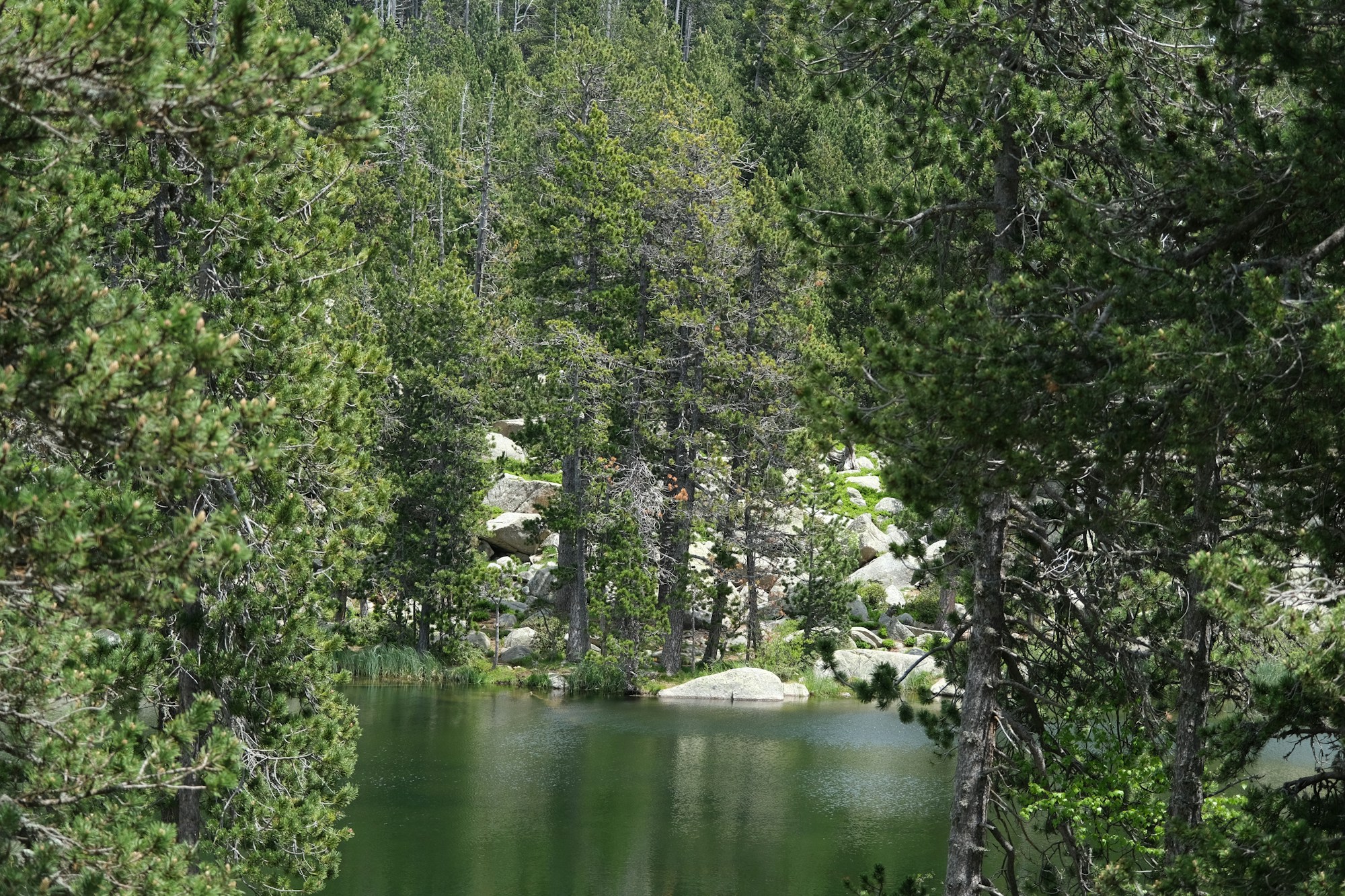
GR11 — From Cap de Creus to Cabo Higuer
The GR11, or Senda Pirenaica, is the Spanish counterpart to the GR10: it traverses the entire southern flank of the Pyrenees from Cap de Creus in Catalonia to Cabo Higuer in the Basque Country. Significantly less crowded than the GR10, it crosses near-untouristed areas — the wild Aragonese and Catalan Pyrenees, with authentic high-altitude villages like Hecho, Ansó and Benasque and protected valleys such as Ordesa. The light and Mediterranean aridity of the Spanish flank offer a striking contrast to the lush GR10 landscapes.
The budget is slightly lower than the GR10: Spanish huts, often managed by regional federations (CAF Aragon, CAF Catalunya), charge €40–70 per day. According to The Pyrenean Way, most huts and hostels on the GR11 are accessible by car — which facilitates shuttle logistics to lighten your pack on the most technical sections.
Highlights
- Significantly less crowded than the GR10 — precious solitude in high summer
- Authentic Spanish Pyrenean villages preserved from mass tourism
- Ordesa and Monte Perdido National Park (UNESCO) — spectacular canyon
- Lower budget than the GR10 with comparable accommodation quality
7. Booking Mountain Huts in 2026: The Complete Guide
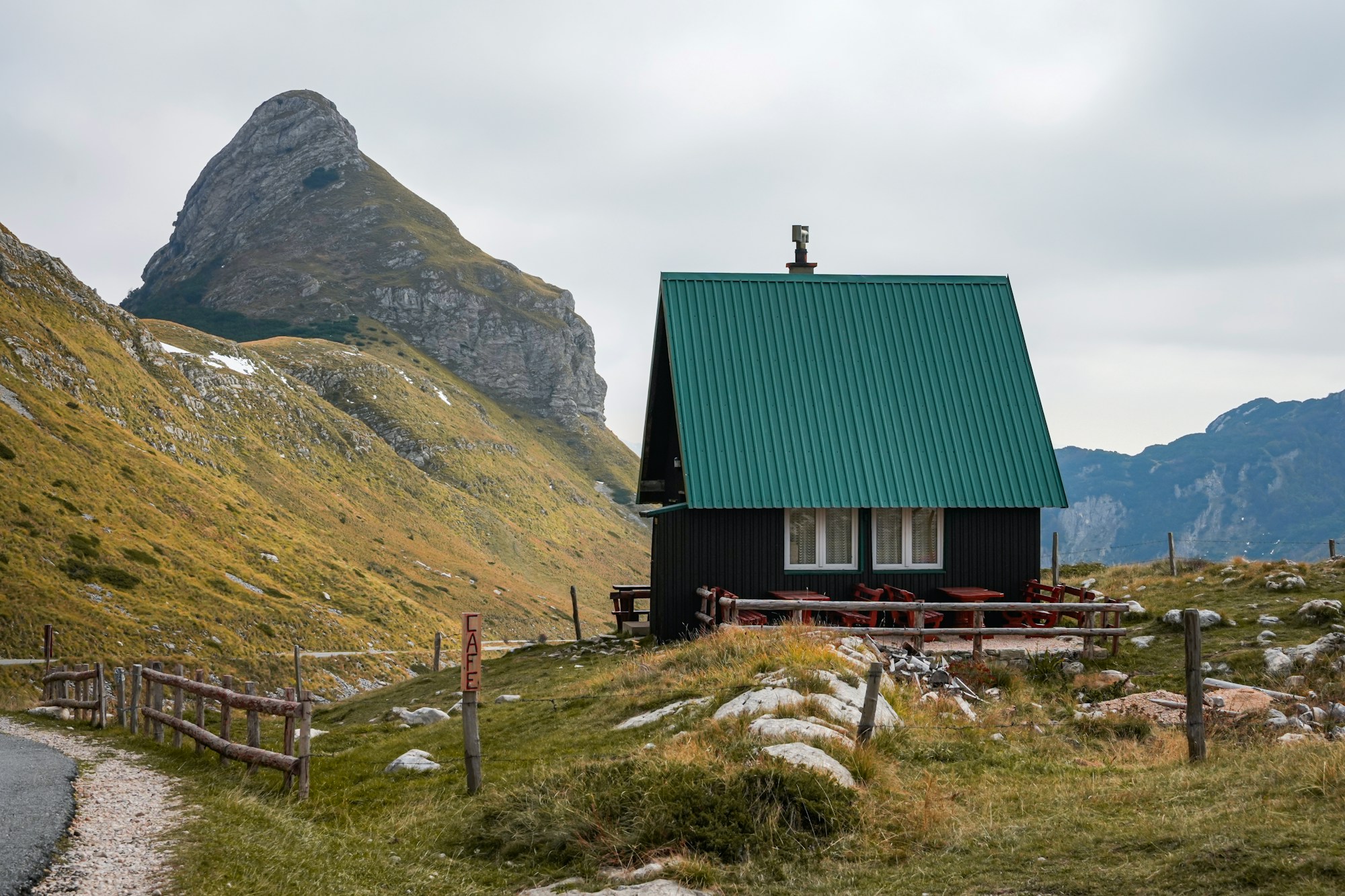
Alpine Huts — Booking, Kit and Etiquette
Booking in advance has become essential on popular routes. According to Gregory Packs, alpine huts are increasingly popular each year and some fill up months in advance. Booking platforms vary by massif:
- TMB: montourdumontblanc.com — reservations open in October for the following season
- French Alps (Écrins, Queyras): ffcam.fr — FFCAM for CAF huts
- Dolomites: direct booking by email or phone with each rifugio (no centralised platform)
- French Pyrenees: local CAF websites + direct booking with hut keepers
Essential Kit for Hut Stays
According to Cilao Shop, a few rules apply universally in European mountain huts:
- Sleep liner: mandatory in virtually all huts (even if quilts and pillows are provided)
- Hut shoes: hiking boots forbidden inside — bring lightweight slippers or sandals
- Headtorch: electricity is often limited, especially in dormitories
- Power bank: phone charging is charged in many huts (€2–5)
8. Budget & Logistics: Massif Comparison 2026
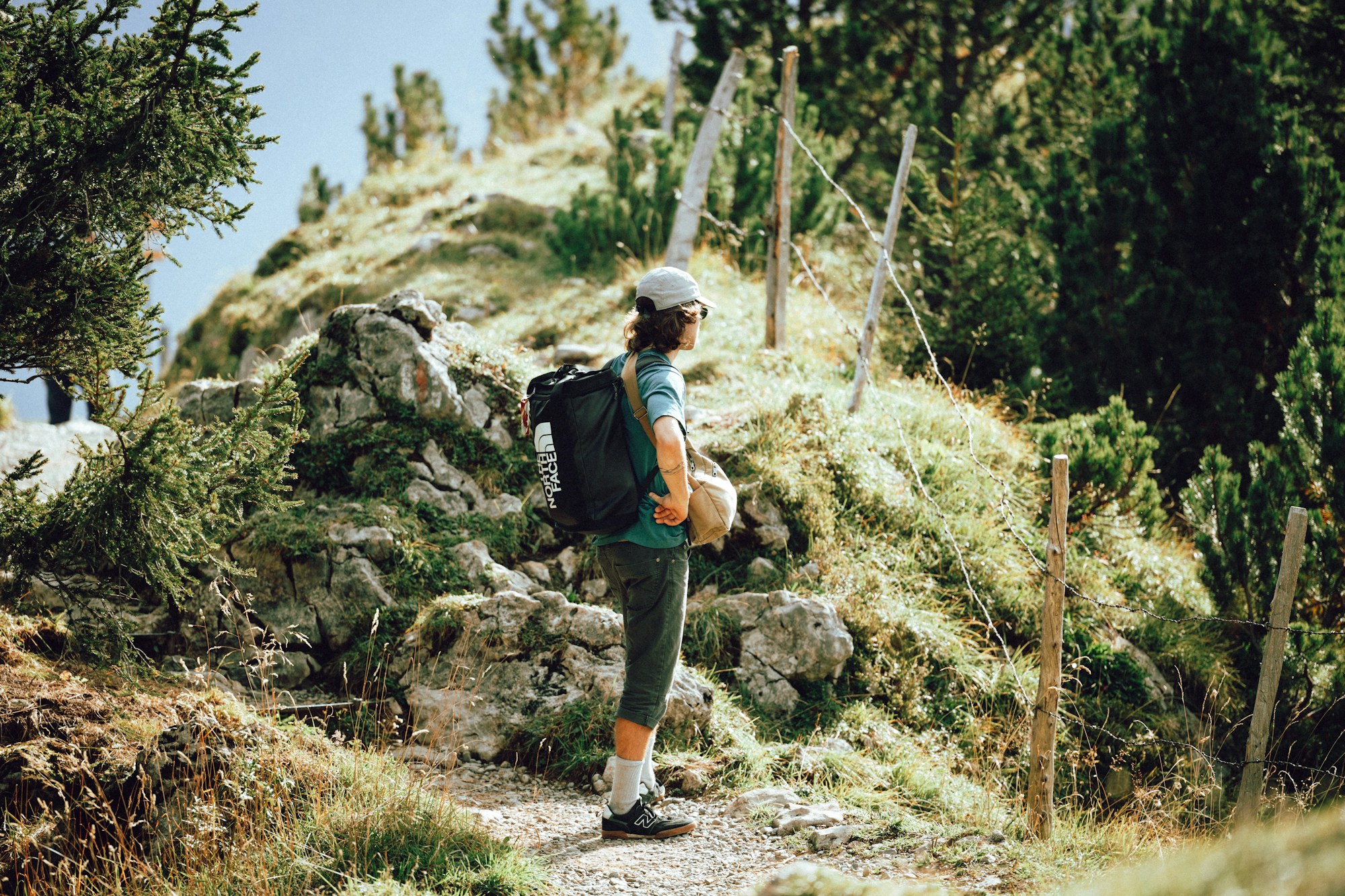
Budget and Season Comparison 2026
The table below summarises field data collected in 2025–2026 to help you plan your hut-to-hut adventure:
| Route | Budget/day | Duration | Difficulty | Best window |
|---|---|---|---|---|
| TMB | €70–110 | 7–11 d | ★★★★ | Mid-June–Sept |
| Haute Route | €100–150 | 14 d | ★★★★★ | Jul–Sept |
| GR54 Écrins | €50–80 | 10–15 d | ★★★★★ | Late June–mid-Sept |
| Alta Via 1 | €80–120 | 7–9 d | ★★★ | Late June–mid-Sept |
| Alta Via 2 | €80–130 | 10–14 d | ★★★★★ | Jul–mid-Sept |
| GR10 Pyrenees | €50–80 | Sections | ★★★★ | 12 June–30 Sept |
| GR11 Spain | €40–70 | Sections | ★★★★ | Jul–Sept |
Recommended GPS Apps
For the Pyrenees: Alpine Quest (works offline, very accurate on the GR10). For the Dolomites: Komoot (recommended by rifugi). For the TMB and Haute Route: The Hiking Club offers an interactive GPS map with accommodations and grocery shops. For French massifs (Écrins, Pyrenees): IGN Rando with 1:25,000 maps is indispensable.
Frequently Asked Questions About Hut-to-Hut Hiking
What is the best hut-to-hut trek for a beginner in 2026?
The Alta Via 1 in the Dolomites is ideal for a first hut-to-hut trek. The trails are well-marked, rifugi are frequent (sometimes every 3–4 hours of walking), the Italian cuisine is outstanding and the UNESCO Dolomites scenery is among the most spectacular in Europe. Allow 7 to 9 days and a budget of €80–120/day. The Tour du Mont-Blanc is also accessible but requires more logistical preparation and advance booking (October of the previous year).
When should you book huts for summer 2026?
Booking timelines vary by massif. Tour du Mont-Blanc: reservations open in October of the previous year on montourdumontblanc.com — have your approximate itinerary ready from September. Dolomites (Alta Via 1 & 2): start searching for availability from March–April, as private rifugi set their own opening dates. Écrins (GR54) and Pyrenees (GR10/GR11): April–May is generally sufficient except for the busiest huts. For the Walker’s Haute Route, book Swiss huts first from March.
Do you need a sleeping bag for mountain hut stays?
No, but a sleep liner is mandatory in virtually all European alpine huts (Alps, Dolomites, Pyrenees). Quilts and pillows are generally provided in dormitories. A sleeping bag can be useful for regulated bivouacking in some parks (especially Écrins), but adds unnecessary weight and bulk if you’re sleeping exclusively in staffed huts.
What is the difference between the GR10 and GR11 in the Pyrenees?
The GR10 follows the French (north) side of the Pyrenees, from Hendaye to Banyuls-sur-Mer, with green landscapes and a strong Atlantic influence in the west. The GR11 follows the Spanish (south) side, from Cap de Creus to Cabo Higuer, with Mediterranean light and greater aridity. The GR11 is significantly less crowded and slightly cheaper (Spanish huts managed by regional federations). The HRP (Haute Route Pyrénéenne) follows the ridge between the two and allows you to switch sides.
Can you do a hut-to-hut trek with children?
Some routes are suitable for children from 8–10 years old. The Tour des Refuges de la Vallouise (Écrins, 5 days, 38 km) is ideal for a first family hut-to-hut experience with sporty children. Sections of the GR54 and GR10 are also manageable with families. However, the full TMB is not suited to children under 8–10 according to La Chamoniarde. The Alta Via 2 and Walker’s Haute Route are not recommended for children due to the technical terrain.
What is the ideal backpack weight for a hut-to-hut hike?
The goal is to stay under 10–12 kg (full pack including water). Experienced hikers aim for 7–9 kg. Since you’re sleeping in huts with meals provided, you don’t need a tent, sleeping bag or food for overnight stays. The essentials fit in: technical clothing (3–4 layers), waterproof jacket, hiking footwear, sleep liner, toiletries, lightweight first-aid kit, charger/power bank and documents. Avoid « just in case » items — every superfluous kilo becomes torture at 2,500 m altitude.
Are there important environmental restrictions for 2026?
Yes, especially in the Écrins. From 2026, bivouacking at Lac du Lauvitel and Lac de la Muzelle is strictly limited to designated zones following incidents in previous years. Throughout Écrins National Park, tents may only be pitched between 7 pm and 9 am. On the Tour du Mont-Blanc, the Contamines Nature Reserve requires dogs on leads. In the Dolomites, certain areas around Braies and the Cinque Torri are subject to daily visitor quotas. Always check the official park websites before departure.
How do you choose between the Alps, Dolomites and Pyrenees for a hut-to-hut trek?
It all depends on your priorities. Alps (TMB, Haute Route): ideal for cultural diversity (3 countries), perfect infrastructure and glacial panoramas, but the most crowded and expensive. Dolomites (Alta Via 1): the most spectacular scenery and the best mountain cuisine, at moderate prices. Pyrenees (GR10/GR11): the best ratio of wildness to accessibility and the lowest prices, but more complex booking logistics. Écrins (GR54): for hikers seeking alpine adventure without the crowds, with the best value for money.
Sources
- TMB Trail Guide — Tour du Mont-Blanc Refuge Guide
- Mon Tour du Mont Blanc — Official booking site
- La Chamoniarde — Tour du Mont-Blanc
- The Hiking Club — Walker’s Haute Route
- Alpine Exploratory — Haute Route Walking Guide
- Pro Guiding Service — Summer Haute Route
- The Hiking Club — Alta Via 1 Dolomites
- Self Guided Dolomites — Alta Via 1 Planner 2026
- Hut to Hut Hiking Dolomites — Alta Via 1 Ultimate Guide
- Grand Tour des Écrins — GR54 Tour de l’Oisans
- Summit Cairn — GR54 Écrins National Park
- GR10.org — Grande traversée des Pyrénées
- Échappées Montagnardes — Complete GR10 guide
- The Pyrenean Way — GR10 Walk Guide
- Pyrénées Hut-to-Hut Hiking — Complete guide
- Gregory Packs — How to book a hut-to-hut hiking tour
- Cilao Shop — Mountain huts in the Alps: Complete Guide 2025
- Indescribable Moments — Planning a Hut-to-Hut in the Dolomites
- Rando Pays des Écrins — Tour des Refuges en Vallouise
- Altimood — Weekend refuge in the Écrins
Ready to Hike from Hut to Hut?
Create your tailor-made hut-to-hut itinerary with Pixidia. Tour du Mont-Blanc, Alta Via of the Dolomites, Pyrenean traverse — plan your alpine adventure with mountain hut stays, detailed stages and on-the-ground tips.
Explore all our mountain itineraries