
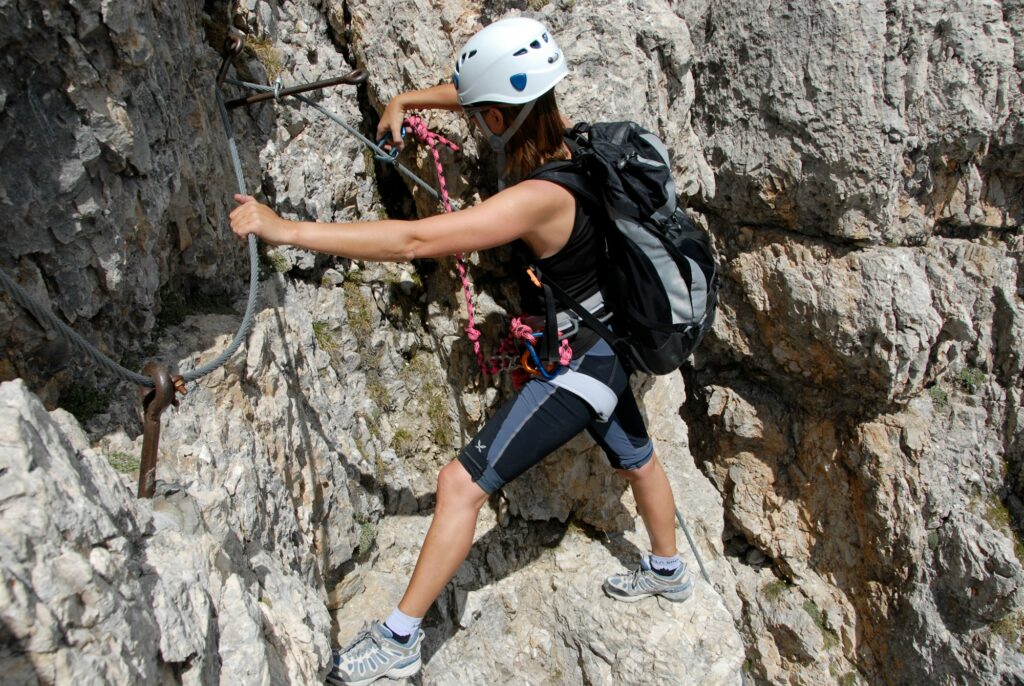
Via ferrata is no longer reserved for seasoned alpinists — it is one of the most accessible vertical adventures in Europe, and 2026 marks a turning point. According to Dolomagic, the Dolomites alone are home to one of the world’s largest collections of via ferrata routes, direct heirs to the military paths of the First World War. In Switzerland, the network has surpassed 100 official routes since 2020, with new additions every season. And in the Gorges du Verdon — a temple of rock climbing and a regional natural park — a unique approach has emerged: the via cordata, a route anchored in the rock with no permanent infrastructure whatsoever. This guide compiles the 12 best routes of 2026, organised by level, with practical data, budgets, insider tips and best seasons. Dolomites, Swiss Alps, Verdon: your vertical playground starts here.
🟢 Beginner Level — Rating A/B or K1-K2
Beginner-level routes offer a safe first vertical experience, with cables throughout, metal ladders and limited exposure. No climbing experience is required, but good physical fitness and a head for heights are essential.
1. Via Ferrata Gran Cir — Passo Gardena, Dolomites
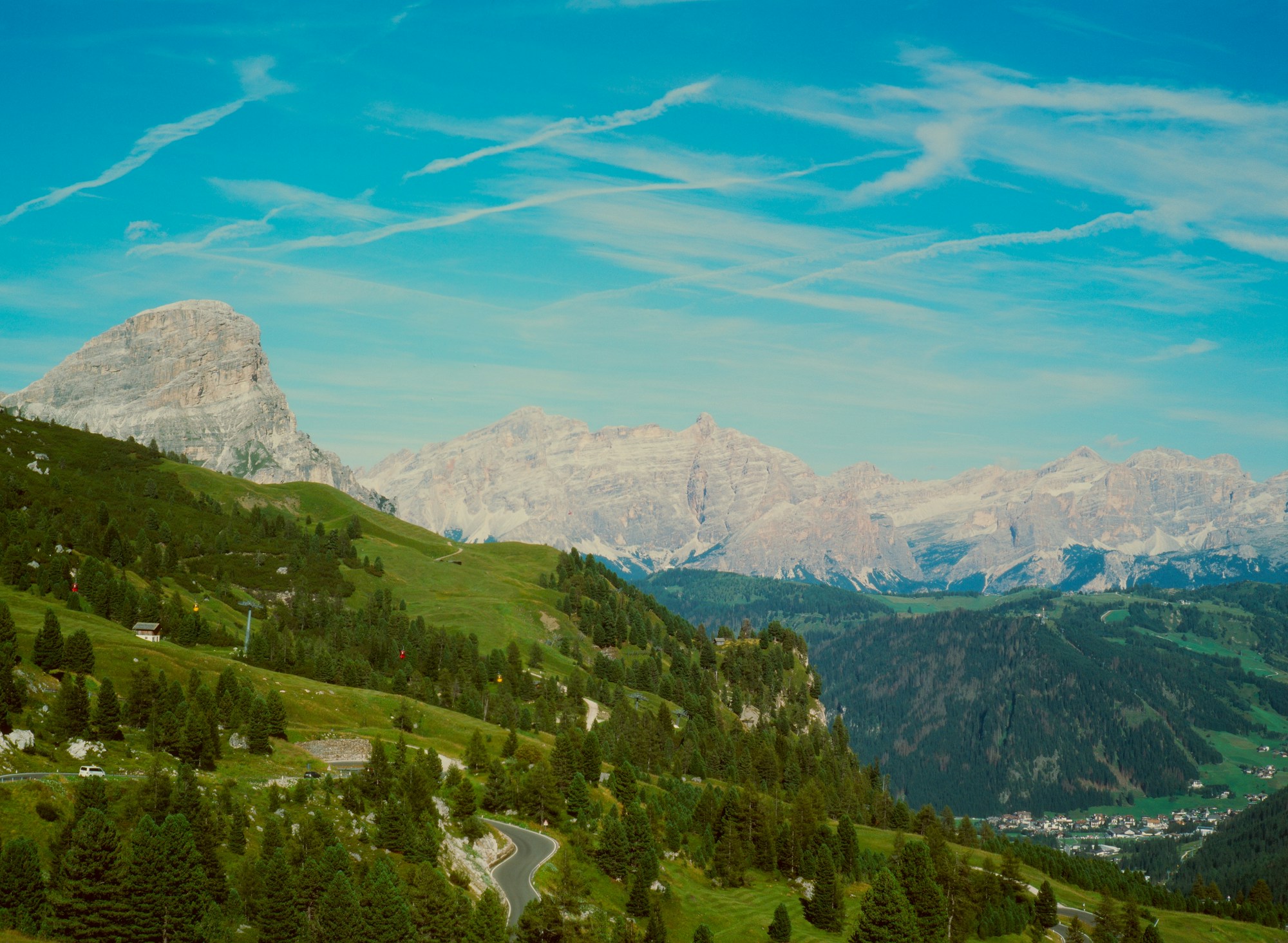
Gran Cir — The perfect route for first-timers in the Dolomites
If you are looking for great rewards for little effort, the Via Ferrata Gran Cir is the route for you. It is one of the easiest routes in the region, and the ascent takes just 60 to 90 minutes from Passo Gardena (2,121 m), one of the most photogenic passes in the Dolomites. According to In A Faraway Land, the route leads to the summit of the Gran Cir, offering sweeping views over the Sella Group and the Sassolungo — a royal warm-up for anyone discovering the vertical world of the Dolomites. This route corresponds to the simplest rating (1A), feeling more like an exposed hike than a true via ferrata. It can also be combined with the much harder Via Ferrata della Piccola Cir for a full day of progressive challenge.
One of the Gran Cir’s major advantages is public transport access. Passo Gardena is served by Val Gardena and Val Badia buses, making it one of the rare Dolomites routes reachable without a car. According to Dolomites.com, the optimal window runs from late June to early October, when conditions are generally stable and the trails clear of snow.
Highlights
- Direct access from the pass by public transport — no car needed
- Panoramic views over the Sella Group and Sassolungo from the summit
- Ideal for children or absolute beginners discovering vertical exposure
- Can be combined with the Piccola Cir for a day of technical progression
2. Lagazuoi Galleries — Passo Falzarego, Dolomites
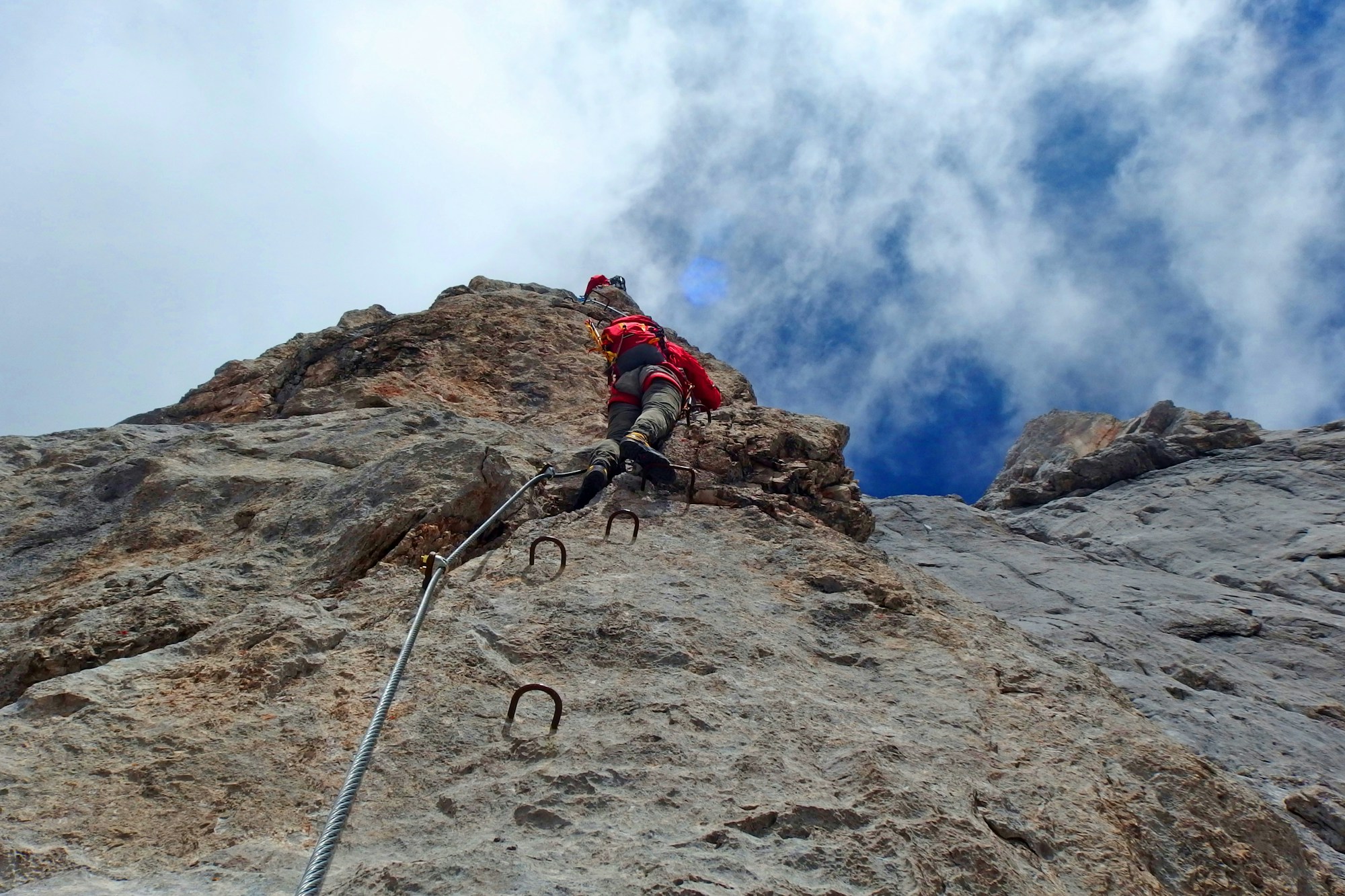
Via Galleria del Piccolo Lagazuoi — The Great War’s underground adventure
This is one of the most original experiences in the Dolomites: descending through the military galleries hewn by Italian soldiers during the First World War, through the flank of the Piccolo Lagazuoi. Rated a beginner-level via ferrata, the route is fully equipped with cables guiding hikers through dark rocky terrain. According to AllTrails, gloves, a headlamp and a helmet are strongly recommended. It is also an excellent activity in bad weather, as the trail is covered for most of its length — one of the rare Dolomites routes that can be tackled in the rain.
An unbeatable combination: descend the galleries + spend the night at the Rifugio Lagazuoi, perched at 2,752 metres and accessible from the top by cable car (Falzarego), for a sunrise above the clouds — a rare spectacle that few tourists ever witness. According to Guide Dolomiti, many Dolomites itineraries follow these ledges, tunnels and Great War paths, allowing visitors to explore trenches, fortifications and historical positions at over 2,000 metres of altitude.
Highlights
- Unique experience in Europe: descending through 1914–1918 military galleries
- Practicable in bad weather thanks to the covered tunnels
- Rifugio Lagazuoi (2,752 m) for a spectacular sunrise above the clouds
- Great War history accessible to all, without any technical barrier
3. Via Ferrata Pinut — Flims (Graubünden, Switzerland)
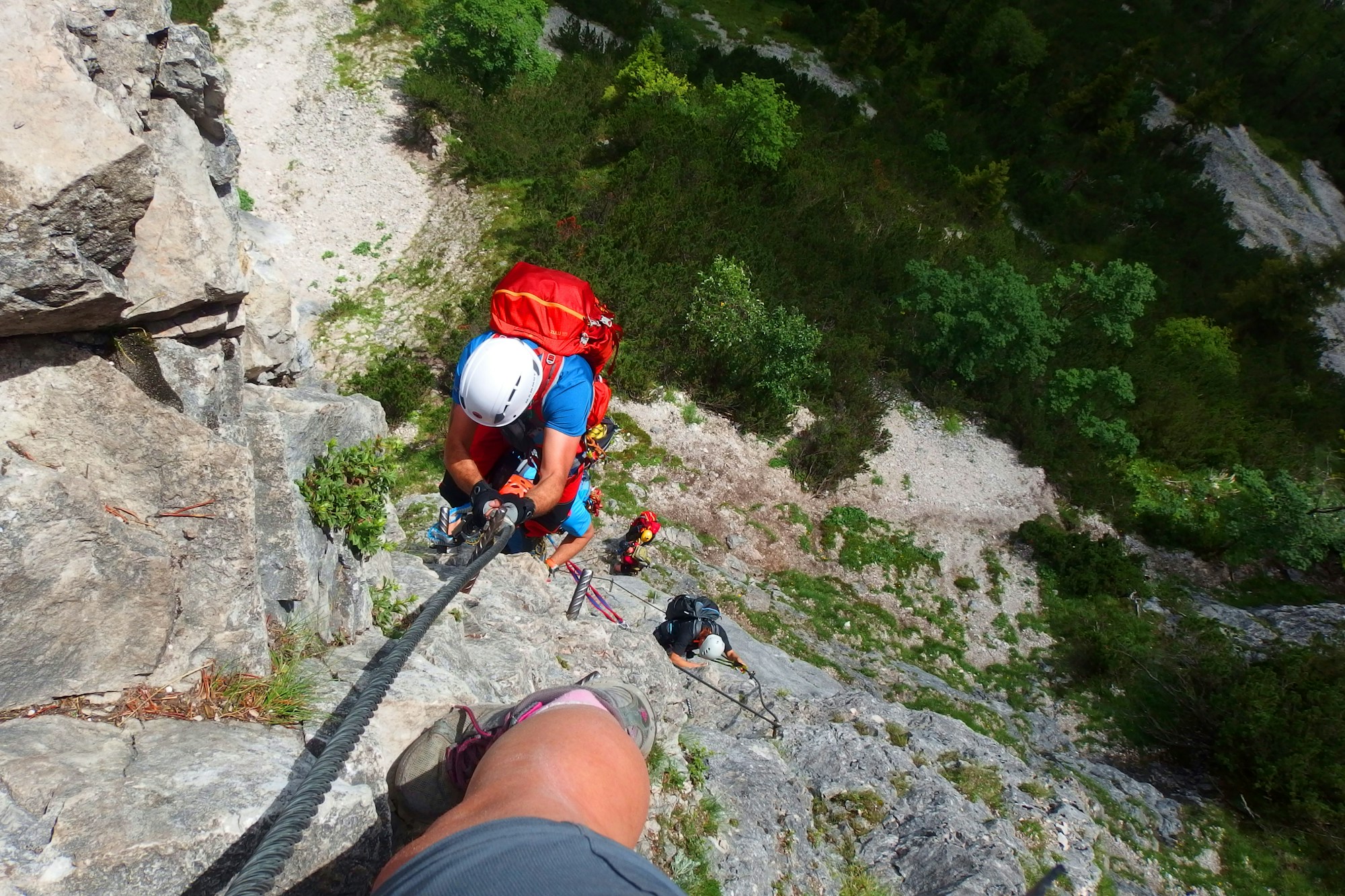
Klettersteig Pinut — Switzerland’s oldest via ferrata
This is not just a sporting route: it is a living monument of European alpinism. The Via Ferrata Pinut, starting from Fidaz (municipality of Flims), is the oldest still-existing via ferrata in Switzerland — with traces dating back to 1739. Fully renovated in 2007, it today offers a comfortable experience with its 27 ladders and steps cut into the rock. According to Graubünden Tourism, the path, though very airy in its lower section, is comfortably secured for beginners. Its K1-K2 rating makes it an excellent introduction for those who have never done a via ferrata before.
One of the Graubünden’s best-kept secrets: the region remains largely unknown to English-speaking travellers, despite its beauty. From Chur, just 30 minutes by bus is enough to reach Flims. According to Journeyera, the region is home to the magnificent Crestasee and Caumasee lakes, which can be combined with the via ferrata for a perfect day. Avoid it in wet weather, as the wooden ladder rungs become slippery.
Highlights
- The oldest existing via ferrata in Switzerland (traces from 1739)
- The Graubünden region almost unknown to tourists — solitude guaranteed
- Crestasee and Caumasee lakes to combine for a magical day
- Easy access from Chur in 30 min by bus — no car needed
4. Gorge Alpine — Saas-Fee (Valais, Switzerland)
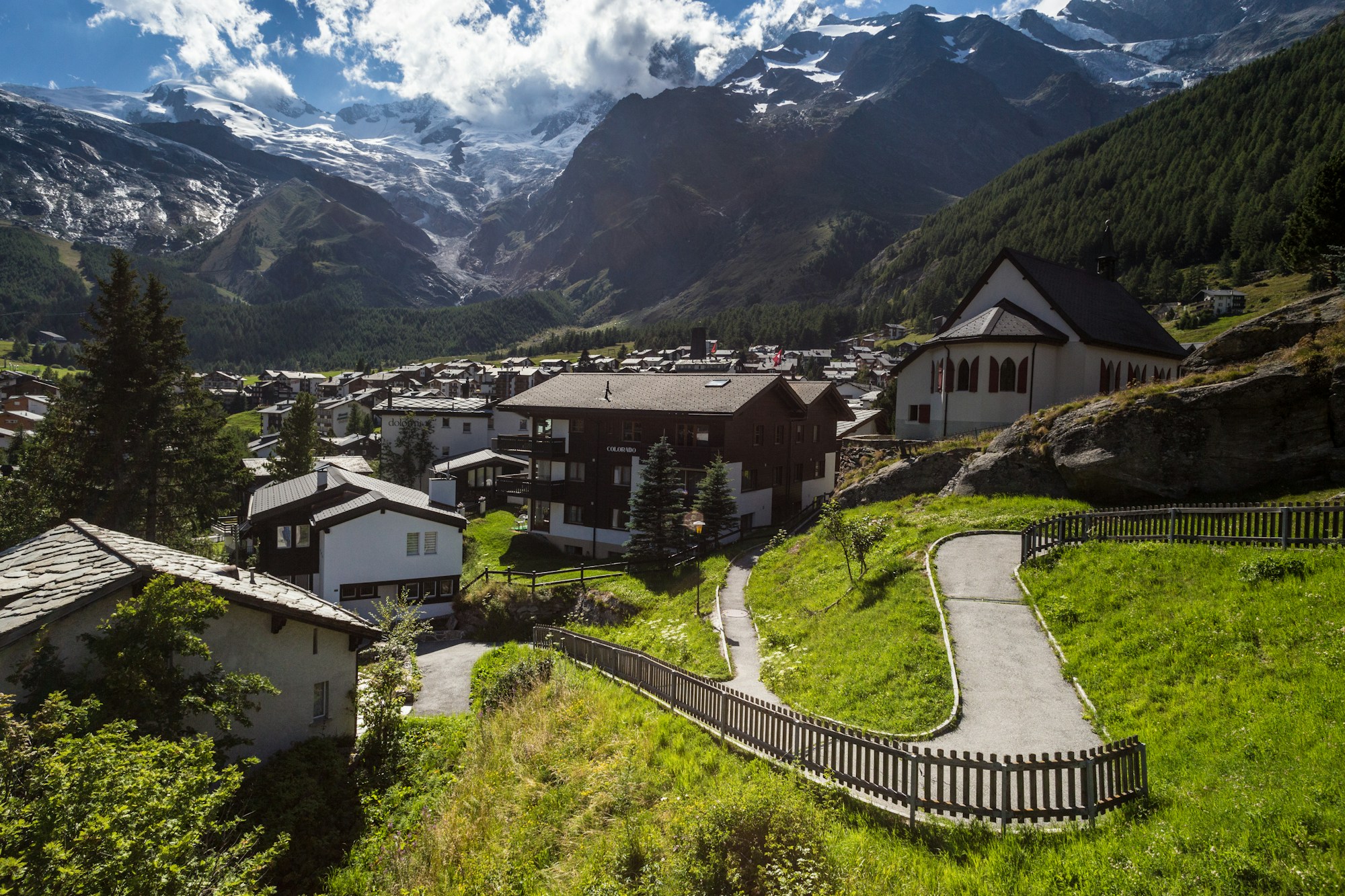
Gorge Alpine — Vertical canyoning through the Fee gorges
Imagine canyoning without water — that is how local guides describe the Gorge Alpine in Saas-Fee. The adventure leads through the wild Fee gorges, between Saas-Fee and Saas-Grund, across 4 kilometres of zip lines, rope bridges, ladders and fixed ropes. According to Outdooractive, a mountain guide is mandatory on this route — in addition to the protection structures, the gorges include fast zip lines that are dangerous without proper training. This constraint is also a guarantee of maximum safety for beginners. According to Saas-Fee Tourism, nowhere else in the Alps will you find so many via ferratas grouped in a single valley.
The unique feature of this route: it is practicable in winter — the lower section remains accessible year-round with a guide, and the full section opens from June to October. The all-inclusive price is CHF 80 to 110 per person, equipment included. Saas-Fee, a car-free village at 1,800 m of altitude, is also an ideal base for accessing the Allalin glacier (3,500 m) by cable car, for a striking contrast between via ferrata and glacial landscape.
Highlights
- Practicable in winter (partial section) — rare for an alpine via ferrata
- All-inclusive price (guide + equipment) — no gear investment required
- Saas-Fee, car-free village — a peaceful and authentic base
- Allalin glacier (3,500 m) accessible by cable car from the village
🟡 Intermediate Level — Rating C/D or K3
Intermediate routes require comfort at height, good physical fitness and some prior via ferrata experience. The sections are more exposed, cables less frequent, and the commitment greater. A certified via ferrata set (Y-shaped lanyards with shock absorber) is essential.
5. Via Ferrata Brigata Tridentina — Sella Group, Dolomites
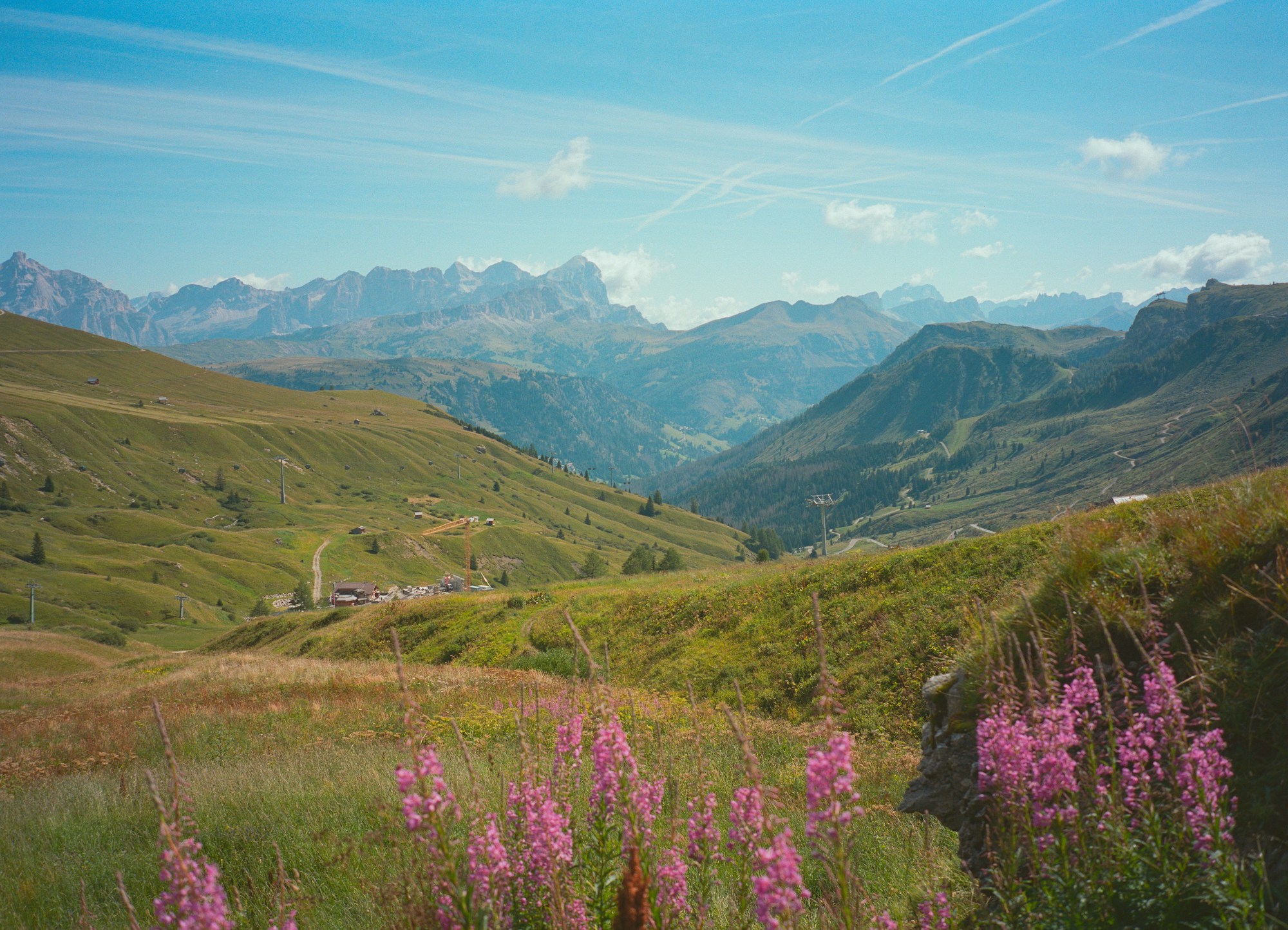
Via Ferrata Tridentina al Pisciadù — The most popular via ferrata in the Dolomites
No honest list of the best Dolomites via ferratas would be complete without the Brigata Tridentina al Pisciadù. According to Val Gardena Tourism, it is one of the most popular routes in the entire massif — famed for its short approach from Passo Gardena, the spectacular scenery of the Sella Group cliffs, and its unforgettable centrepiece: an 8-metre suspension bridge linking the Torre Exner to the Brunecker Turm, with several hundred metres of void directly below. Built in the 1960s by the Italian army troops who gave it its name, the route has retained its adventurous character despite its popularity. According to Brooke Beyond, the famous suspension bridge remains one of the most memorable moments in all of European via ferrata.
The full circuit descends through the Val Mezdì, offering a hiking return through magnificent terrain with views of the Rifugio Pisciadù (2,587 m) and the vertical walls of the Sella Group. To avoid the crowds, start before 8:30 am and on a weekday if possible — this route is very busy on summer weekends.
Highlights
- The 8-metre suspension bridge — one of the most intense moments in all alpine via ferrata
- Quick access from Passo Gardena — free parking at the pass
- Descent via Val Mezdì for a complete circuit with varied panoramas
- Rifugio Pisciadù at altitude for an unforgettable night on the Sella plateau
6. Via Ferrata Merlone — Cima Cadin NE, Tre Cime
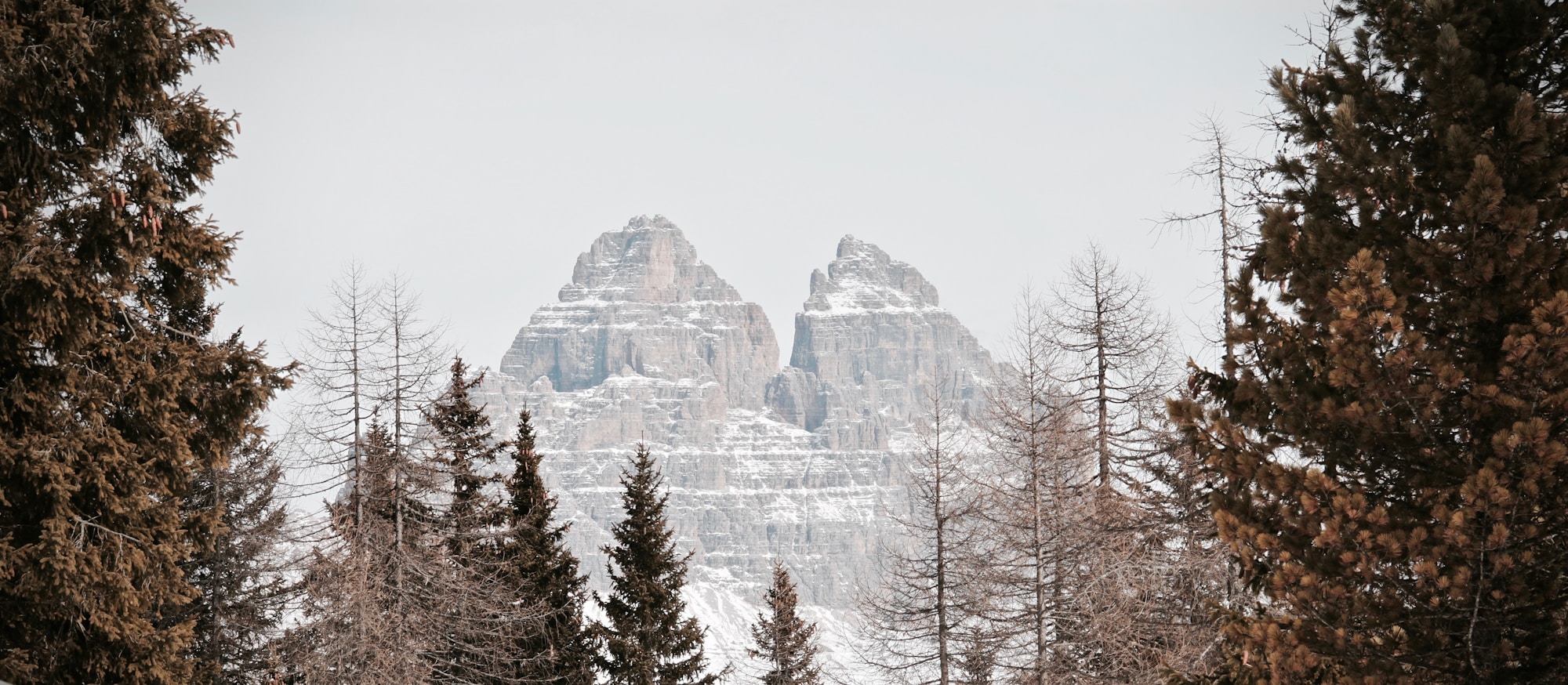
Via Ferrata Merlone — The secret faces of the Cadin massif
The Via Ferrata Merlone is, according to Brooke Beyond, one of the most spectacular in the entire massif — with constant exposure, breathtaking views, and after climbing a great height on ladders on the west face of Cima Cadin, terrain that relies more on natural hand and foot holds for a true climbing experience. The route reaches the summit of Cima Cadin NE at 2,788 m, offering panoramas over the jagged ridges of the massif — and above all, views of the southern faces of the legendary Tre Cime di Lavaredo from an angle that 99% of visitors never see.
This route is accessible from the Rifugio Fonda Savio (ideally after an overnight stay), located on the Alta Via 4 — the great north-south traverse of the Dolomites. This is one of its major assets: it can be integrated into a multi-day hut-to-hut trek, granting access to views that even regular Dolomites climbers have never experienced. The reward? Almost no other climbers, and some of the most wild panoramas in the massif.
Highlights
- View of the Tre Cime’s southern faces — an angle unknown to virtually all visitors
- Can be integrated into the Alta Via 4 for a multi-day hut-to-hut trek
- Very low footfall — solitude guaranteed in a magnificent setting
- Sections requiring real natural holds — a more alpine than sporting experience
7. Via Ferrata Mürren–Gimmelwald — Bernese Oberland, Switzerland
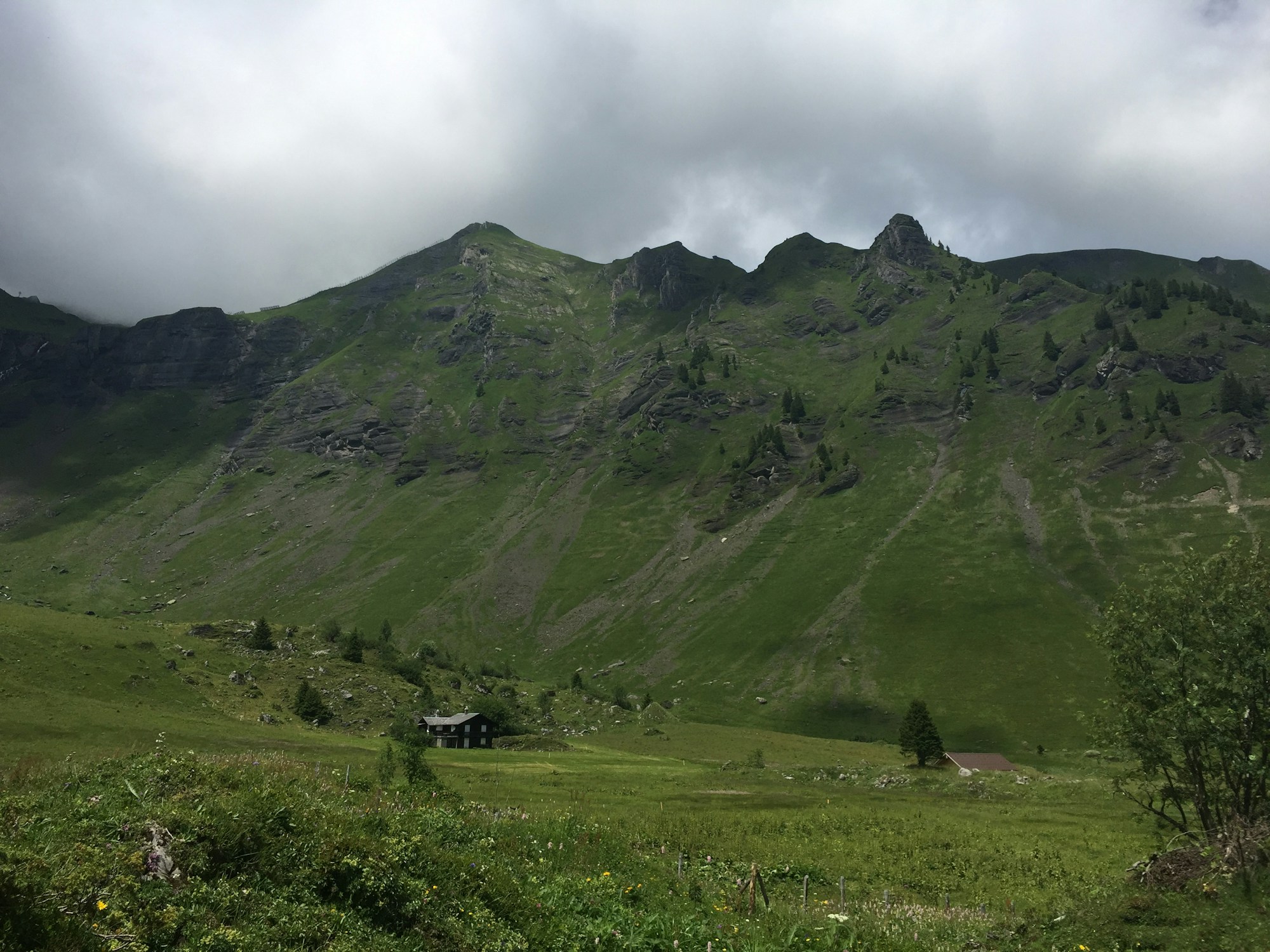
Via Ferrata Mürren — The spectacular descent above Lauterbrunnen
This via ferrata does not go up — it goes down. And that is precisely what makes it unique in the world. According to Passion Via Ferrata, the spectacular traverse from Mürren to Gimmelwald, across 2.2 km of steep rock faces dominating the Lauterbrunnen valley, features exhilarating ladders and a dramatic 80-metre suspension bridge with 400 m of void underfoot. From the very start, at the « Hammer Corner », the view plunges into the valley as you progress safely along the face. The base jump platform is visible from the route — with a bit of luck, you may see wingsuit flyers launching into the void.
Mürren, a car-free village accessible only by cable car from Stechelberg or by train from Lauterbrunnen, adds a timeless dimension to the experience. According to Mürren Tourism, the via ferrata is open only from 1 June to 31 October, from 9 am to 6 pm. Equipment rental on site (helmet, harness, via ferrata set) costs around CHF 30, or CHF 50 with hiking boots. Entry to the route itself is free.
Highlights
- A descending via ferrata — a radically different experience from all others
- 80-metre suspension bridge with 400 m of void — intensity guaranteed
- Base jump platform visible from the route
- Via ferrata access is free — only equipment and transport to budget for
8. Via Cordata du Trou du Renard — Gorges du Verdon
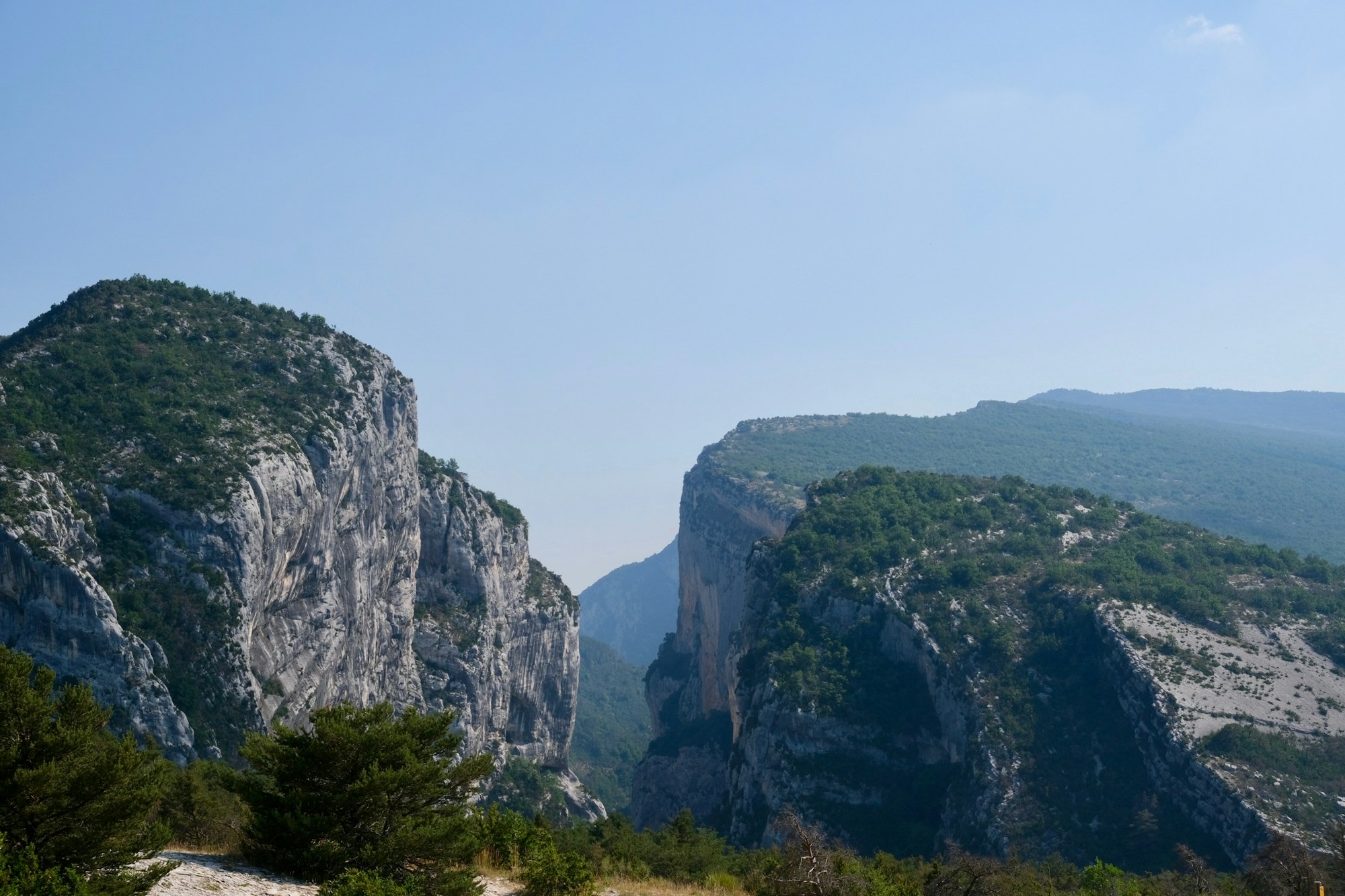
Via Cordata — The Verdon’s unique alternative to traditional via ferratas
The Verdon has no via ferrata — and that is a deliberate choice. Classified as a Regional Natural Park, the site prohibits all permanent metal infrastructure on the cliffs. In its place, via cordata routes have been created: itineraries adapted to all levels, allowing visitors to discover secret ledges, airy passages and elevated panoramas without altering the cliff face. According to Les Guides du Verdon, the Verdon via cordata routes are an invitation to discovery between hiking, easy climbing, abseiling and zip lines, at the heart of a landscape of absolute verticality.
The Trou du Renard itinerary suits beginners: a 40-metre zip line, a Tarzan swing, a 20-metre abseil. The Couloir Samson, more committing, offers an exceptional view over the grand canyon with abseil, 45-metre zip line, pendulum and rope traverse according to Les Canyons du Verdon. Both are compulsory with a certified guide. The price ranges from €45 to €80 depending on the provider. Avoid July and August for the heat and crowds — opt for April–May and September–October.
Highlights
- Unique experience in France — no permanent infrastructure, untouched cliff face
- 45-metre zip line above the canyon — thrills guaranteed
- Exceptional Provençal setting: turquoise waters, limestone cliffs, lavender in the background
- Guide mandatory — maximum safety and expert knowledge of this exceptional canyon
🔴 Expert Level — Rating E/ED or K4-K6
Expert routes demand confirmed experience on vertical terrain, excellent physical fitness and complete mastery of the via ferrata set. Exposure is extreme, sections can be overhanging, and weather must be managed as in high-altitude mountaineering. These itineraries tolerate no improvisation.
9. Via Ferrata Marino Bianchi — Monte Cristallo (Cortina)
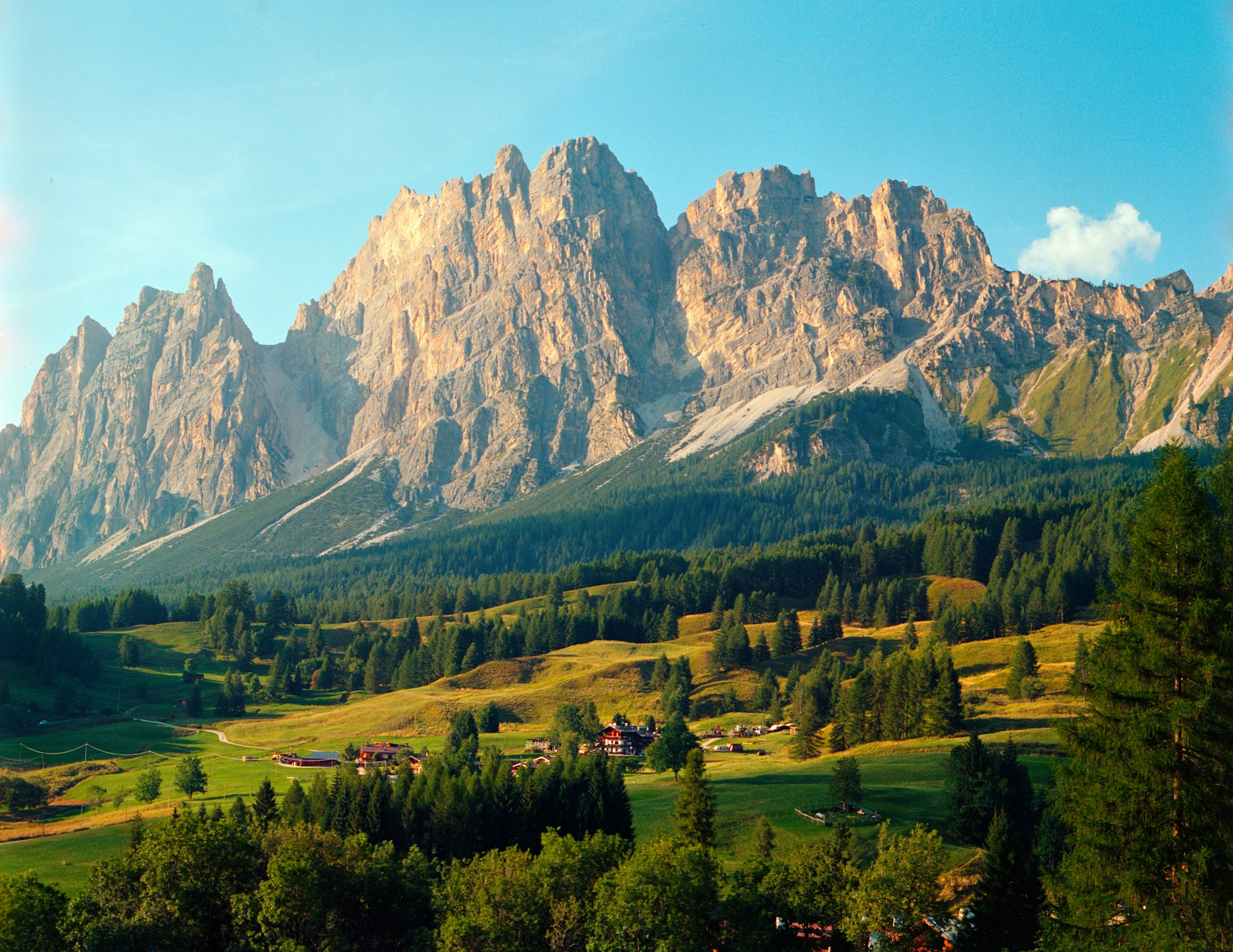
Via Ferrata Marino Bianchi — Over 3,000 m on the ridges of the Cristallo
Reserved for expert climbers, the Via Ferrata Marino Bianchi leads to the summit of the Cristallo di Mezzo at 3,154 metres, starting from the Rio Gere chairlift (1,698 m). According to Cortina Dolomiti, the route features a smooth, overhanging and fractured crack — the most difficult section of the route — before the final ridge leading to the traditional summit cairn. The summit view takes in the Conca Ampezzana on one side and the magnificent Valle di Landro on the other, with a 360° panorama over the greatest massifs of the Dolomites.
What makes the Marino Bianchi unique in 2026: since the closure of the cable car in 2016 (which led directly to the saddle), the approach has become considerably longer. Traffic has noticeably decreased according to In A Faraway Land — making it a much wilder and more solitary route than it once was. Note: the chairlift operates only between 8:30 am and 4:30 pm — this 8-hour window must suffice; bring extra water, as there is no water source after Rifugio Lorenzi (2,932 m).
Highlights
- Summit at 3,154 m with 360° panorama over the greatest Dolomites massifs
- Reduced footfall since 2016 — near-solitary experience
- Rifugio Lorenzi (2,932 m) accessible on the ascent for an exceptional overnight stay
- Overhanging fractured section — a unique technical challenge in the Dolomites
10. Via Ferrata Tour d’Aï — Leysin (Vaud Alps)
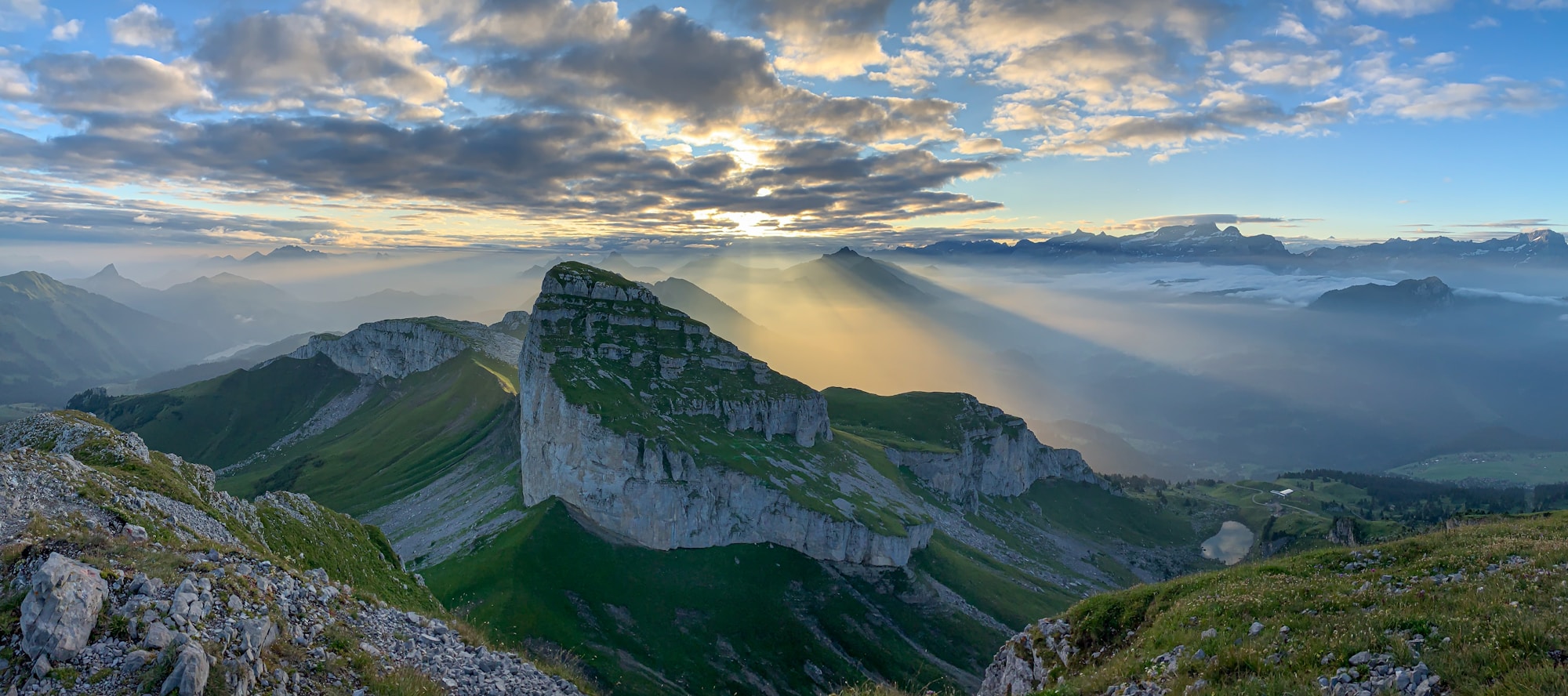
Via Ferrata Tour d’Aï — Short and formidable, facing the Vaud Alps
Short but powerful — that is how Vaud guides describe the Via Ferrata de la Tour d’Aï in Leysin (2,331 m). According to Switzerland Tourism, the route is difficult, very exposed, with a slight overhang at one point, and benefits from excellent safety features. The upper section, in the shade on the mountain flank, holds the most committing passages. At the top, the views over Lake Geneva, Mont Blanc and the Valais Alps are among the finest in the French-speaking Swiss Alps. According to the Swiss Alpine Club, a path equipped with chains and fixed handrails leads to the main route from the very start.
A unique bonus: the Tour d’Aï massif offers two distinct via ferratas — Tour d’Aï (K4-K5, steeper) and Planpraz (adjacent, different style) — allowing two consecutive days of climbing with completely different characteristics. Equipment rental is available at Hefti Sports in Leysin (~CHF 20–25). Access by train from Aigle then rack railway up to Leysin.
Highlights
- Views of Lake Geneva, Mont Blanc and the Valais Alps from the summit
- Two via ferratas on the same massif for two different days
- Access by train and rack railway — no car needed
- Overhang in the upper section — the ultimate technical test for advanced intermediates
11. Traversée des Cataractes — Gorges du Verdon (Escalès)
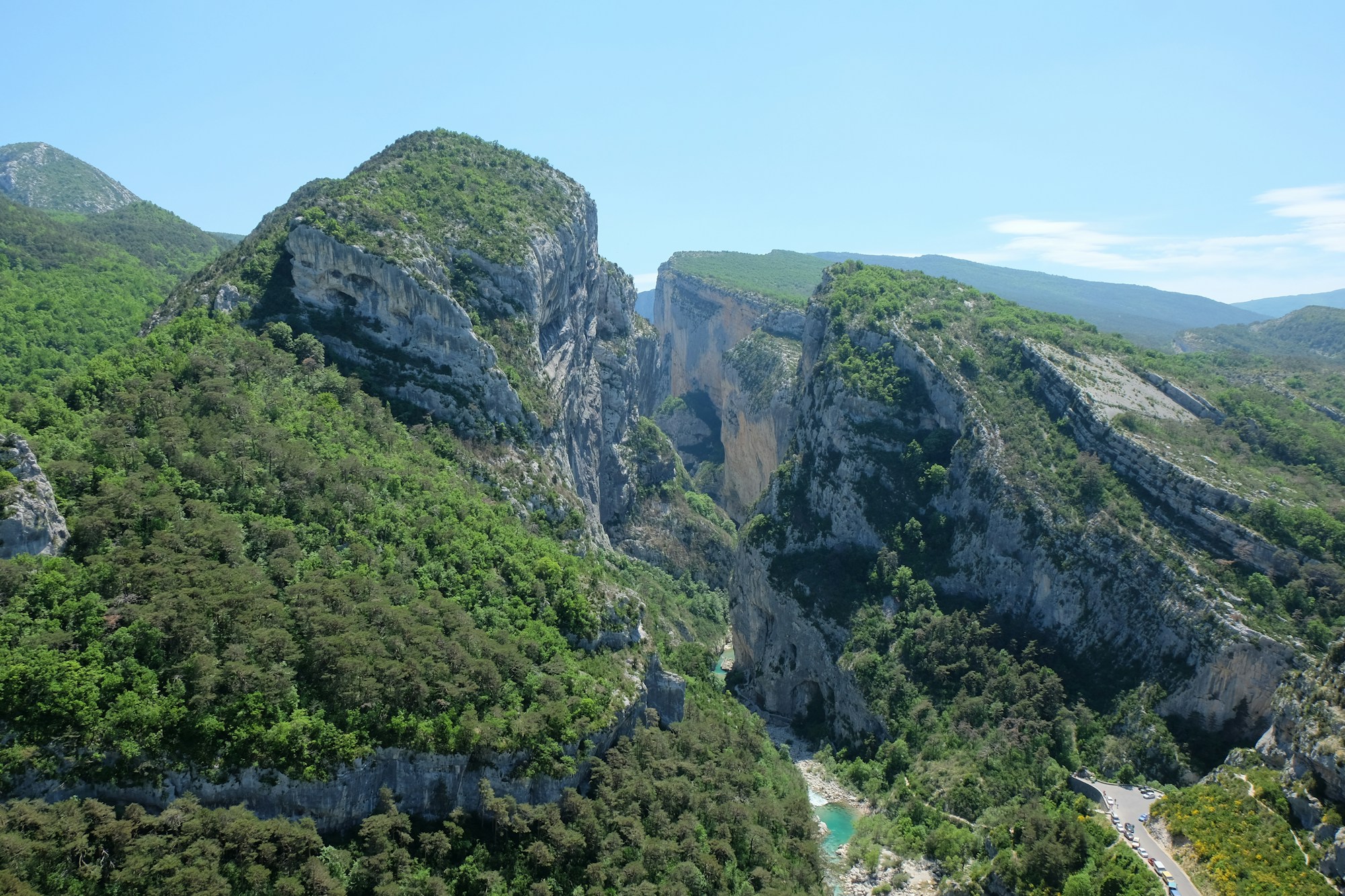
Traversée des Cataractes — The ultimate challenge on the Escalès cliffs
The « Traversée des Cataractes » is the most committing via cordata in the Verdon — an experience that places participants in the world of professional climbers. The itinerary begins with a 180-metre abseil to access a hanging garden in the middle of the Escalès cliffs, followed by a succession of rope passages perched 150 m above the ground. According to Notre Provence, six hours of climbing punctuate the route before a final 60-metre abseil allowing access to the tunnels of the Blanc-Martel trail. The guide is not only mandatory — it is a vital safety measure on terrain that tolerates absolutely no improvisation.
What makes this itinerary absolutely exceptional: the Verdon, a world temple of free climbing with 1,500 equipped routes according to Les Guides du Verdon, permits no permanent infrastructure on its protected cliffs. The Traversée des Cataractes therefore offers a radically different experience from anything that exists in Austria or the Dolomites — closer to a traditional big wall climbing route than an adventure course. A budget of €120 to €180 per person (guide included) should be anticipated.
Highlights
- Initial 180-metre abseil — one of the most vertiginous descents in France
- The Escalès cliffs seen from the inside — an angle inaccessible any other way
- No permanent infrastructure — preserved cliffs, authentic experience
- Exit onto the Blanc-Martel trail — one of the finest hiking paths in France
12. Via Ferrata Caprioli — San Vito di Cadore ⭐ New in 2024
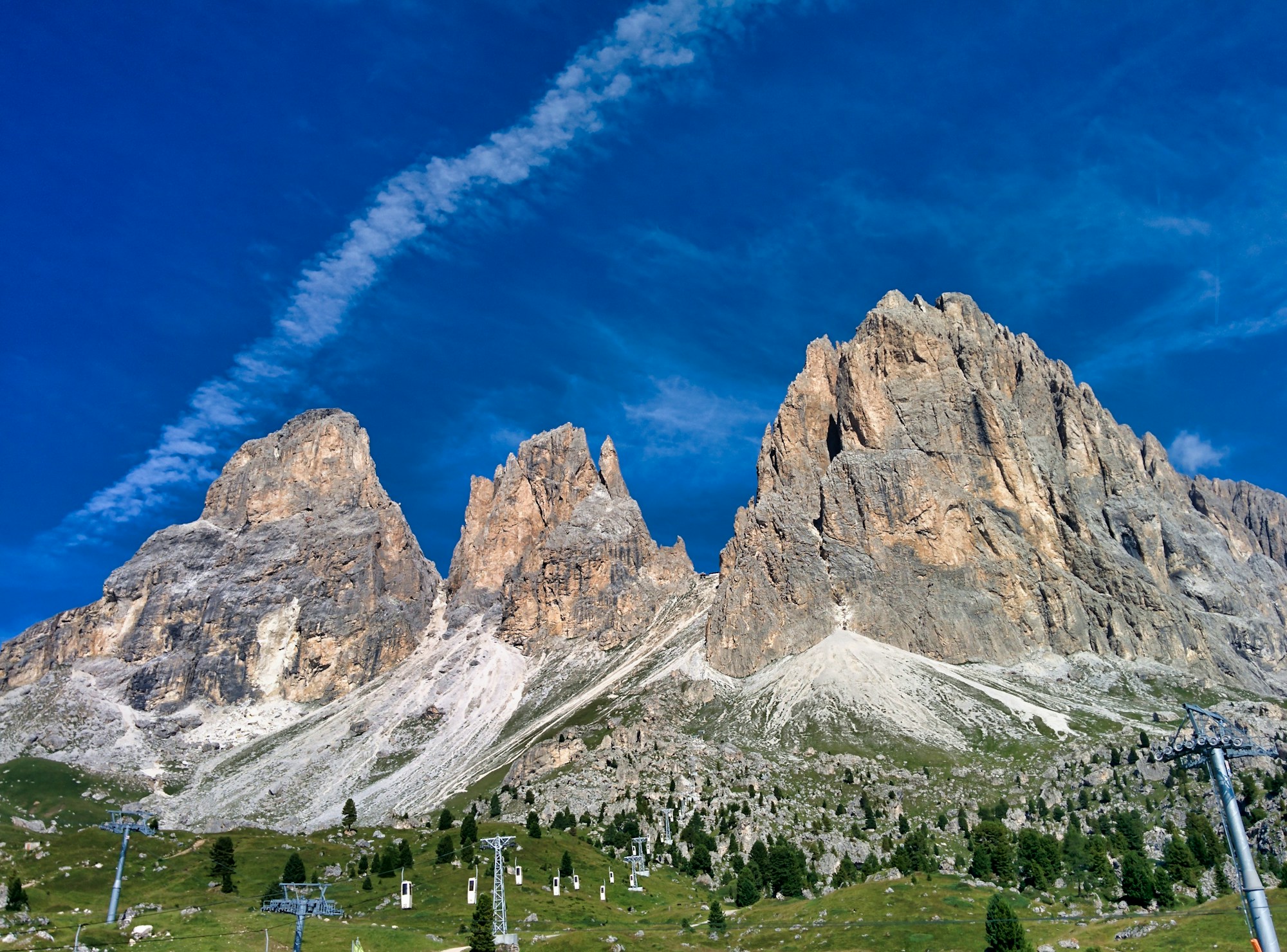
Via Ferrata dei Caprioli — The fresh gem of the Dolomites 2024
This is the brand-new route in the Dolomites, and it is already remarkable. Inaugurated in the summer of 2024 by the Cortina Mountain Guides, the Via Ferrata dei Caprioli winds above the village of San Vito di Cadore with spectacular views over Monte Antelao, Monte Pelmo and the valley below. According to Guide Dolomiti, the circuit covers 690 metres of elevation gain in 4 to 5 hours, with an initial section over grass and loose terrain (slippery after rain) and an upper section on solid rock with smooth slabs, where metal steps provide valuable support in the most committing zones. It does not appear in any printed guidebook published before 2024 — an exclusive for early adopters.
The real secret: San Vito di Cadore is just 20 minutes from Cortina but far less touristy, and its accommodation is 30 to 40% cheaper than in Cortina. The atmosphere is that of a genuine Dolomitic alpine village, far from the international clientele that floods Cortina in season. Wait for the rock to be perfectly dry after rain — the upper slabs can be treacherous if conditions are not optimal.
Highlights
- Inaugurated in 2024 — does not appear in any traditional printed guidebook
- Views of Antelao and Pelmo — summits less celebrated but every bit as grand as the Tre Cime
- San Vito di Cadore: a base 30–40% cheaper than Cortina just 20 minutes away
- Minimal footfall — you will be among the first to explore it
🗺️ Summary Table — All 2026 Routes
| # | Via Ferrata | Region | Level | Season | Budget |
|---|---|---|---|---|---|
| 1 | Gran Cir | Dolomites (IT) | 🟢 Beginner | Jun–Oct | €60–90/day |
| 2 | Lagazuoi Galleries | Dolomites (IT) | 🟢 Beginner | Jul–Sep | €40–70/day |
| 3 | Via Ferrata Pinut | Graubünden (CH) | 🟢 Beginner | May–Oct | CHF 50–80/day |
| 4 | Gorge Alpine | Valais (CH) | 🟢 Beginner | Jun–Oct | CHF 80–110 |
| 5 | Brigata Tridentina | Dolomites (IT) | 🟡 Intermediate | Jul–Sep | €40–80/day |
| 6 | Via Ferrata Merlone | Dolomites (IT) | 🟡 Intermediate | Mid-Jul–Sep | €50–80/day |
| 7 | Mürren–Gimmelwald | Bernese Oberland (CH) | 🟡 Intermediate | Jun–Oct | CHF 80–130/day |
| 8 | Via Cordata Verdon | Alpes-de-H.-Prov. (FR) | 🟡 Intermediate | Apr–Oct | €45–80/guided |
| 9 | Marino Bianchi | Dolomites (IT) | 🔴 Expert | Mid-Jun–Sep | €60–100/day |
| 10 | Tour d’Aï | Vaud Alps (CH) | 🔴 Expert | May–Oct | CHF 80–120/day |
| 11 | Traversée Cataractes | Alpes-de-H.-Prov. (FR) | 🔴 Expert | Apr–Oct | €120–180/guided |
| 12 | Caprioli (NEW 2024) | Dolomites (IT) | 🟡 Intermediate | Jul–Sep | €50–80/day |
Frequently Asked Questions about Via Ferrata
What equipment is essential for via ferrata?
The essential gear includes a harness, a via ferrata set (Y-shaped lanyards with shock absorber and two locking carabiners), a helmet and sturdy hiking boots. Gloves are strongly recommended to protect your hands from the cables. According to Dolomites.com, this equipment can easily be rented from local outdoor shops for €15 to €30 in Italy, CHF 30 in Switzerland. Important: via ferrata lanyards must be Y-shaped with a shock absorber — a standard climbing lanyard is not suitable.
What rating systems are used across Europe?
Several systems exist depending on the region. In the Dolomites, routes are rated from 1A (easiest) to 5ED (extreme), combining a global difficulty number (1 to 5) with a technical difficulty letter (A to ED). In Switzerland, the system runs from K1 (easy) to K6 (extremely difficult) according to Transa. In France (Verdon), via cordata routes have no standardised rating system — guides adapt the itinerary to the group’s level. Approximate equivalents: K1-K2 ≈ A/B, K3 ≈ C/D, K4-K5 ≈ E/ED, K6 ≈ ED+ (extreme).
Do you need prior climbing experience for via ferrata?
For beginner-level routes (K1-K2), no climbing experience is required. A good sense of balance, no disabling fear of heights and good overall fitness are sufficient according to Brooke Beyond. For intermediate levels (K3-K4), some prior experience on vertical terrain is a major asset. For expert routes (K5-K6), mastery of climbing techniques, advanced route-reading and altitude fatigue management are all essential. When in doubt, a certified guide is always the wisest choice.
What is the best season for via ferrata in the Dolomites, the Swiss Alps and the Verdon?
In the Dolomites, the optimal window runs from late June to early October. The weather can change dramatically within a few hours — never attempt a via ferrata during a thunderstorm, as the metal cables are conductors according to Dolomites.com. In the Swiss Alps, the ideal period is June to October for most alpine routes. Some routes such as the Gorge Alpine in Saas-Fee are practicable in winter (partial section). In the Verdon, opt for April–May and September–October — the summer heat (sometimes 40°C in the canyon) makes progress exhausting and dangerous.
Can via ferrata be done as a family with children?
Some beginner-level routes are perfectly suited to families with teenagers from 12 years old. The Via Ferrata Gran Cir in the Dolomites is explicitly recommended for children according to In A Faraway Land. In the Swiss Alps, you will find short, safe itineraries specifically designed for families. Younger children (under 10) require specialised routes or professional supervised guidance. Always check the rating, duration and exposure before committing with children.
Is it better to go with a guide or independently?
For a first via ferrata, a certified guide is strongly recommended — they teach progression techniques, kit management and terrain reading. In the Dolomites, via ferratas are not easy marked trails: weather, fatigue and route choice are critical factors according to Guide Dolomiti. For Verdon routes, a professional guide is even mandatory on the more committing via cordata. In Switzerland, guides charge between CHF 80 and CHF 150 per guided day; in the Dolomites, €150 to €250 per group. An investment that is well worth the safety and learning.
How much does a day of via ferrata cost on average in 2026?
Costs vary considerably by destination. In the Dolomites: expect €15–25 for equipment rental and €150–250 per group for a full-day guide — the route itself is free on most itineraries. In the Swiss Alps: renting a helmet, harness and set costs around CHF 30 according to Allthehui, and guides charge CHF 80 to 150 per person for a guided day. In the Verdon: between €45 and €80 per person for a guided via cordata according to Notre Provence, up to €120–180 for expert routes such as the Traversée des Cataractes.
What specific dangers should you anticipate on via ferrata?
The presence of cables is not a guarantee of safety — it is a protection system. The main dangers are: lightning (cables are conductors — descend immediately in the event of a thunderstorm), rockfall (never stand directly below another climber), fatigue (accidents often happen on the descent), inappropriate footwear (trainers or city shoes can be fatal) and underestimating the grade. According to Guide Dolomiti, memorial plaques can be found on almost every major via ferrata — a sober reminder of the terrain’s seriousness. Always check local weather forecasts before setting out and do not hesitate to turn back if conditions deteriorate.
Sources & References
- Dolomagic — The Complete Via Ferrata Guide to the Dolomites 2026 — Complete guide
- In A Faraway Land — Beginner Via Ferratas in the Italian Dolomites — Beginner via ferratas
- Lost in Switzerland — The Ultimate Via Ferrata Guide to Switzerland — Switzerland guide
- Les Guides du Verdon — Via ferrata et via cordata — Verdon specifics
- Val Gardena Tourism — Via Ferrata Tridentina — Brigata Tridentina
- Brooke Beyond — 10 Best Via Ferrata Routes in the Dolomites — Best route selection
- Graubünden Tourism — Via Ferrata Pinut — Switzerland’s oldest via ferrata
- Saas-Fee Tourism — Via Ferratas & Climbing — Gorge Alpine
- Mürren Tourism — Via Ferrata Mürren — Via ferrata Mürren–Gimmelwald
- Notre Provence — Via ferrata et via cordata dans le Verdon — Verdon activities
- Cortina Dolomiti — Via Ferrata Marino Bianchi — Monte Cristallo
- Switzerland Tourism — Tour d’Aï Via Ferrata — Leysin
- Guide Dolomiti — Via Ferrata in Cortina 2026 — Via Ferrata Caprioli
- Les Canyons du Verdon — Via ferrata et via cordata — Verdon routes
- Swiss Alpine Club — Via Ferrata Tour d’Aï — SAC Route Portal
Research conducted on 15 March 2026. Rating information, prices and opening seasons are subject to change — always verify local conditions before setting out.
Ready to Hit the Iron Routes?
Via ferrata takes preparation — the right gear, the right weather, the right level. And once you are on the rock face, every clip of the carabiner is a victory. Discover our complete travel itineraries to plan your trip to the Dolomites, the Swiss Alps or the Verdon.
Explore all itineraries