
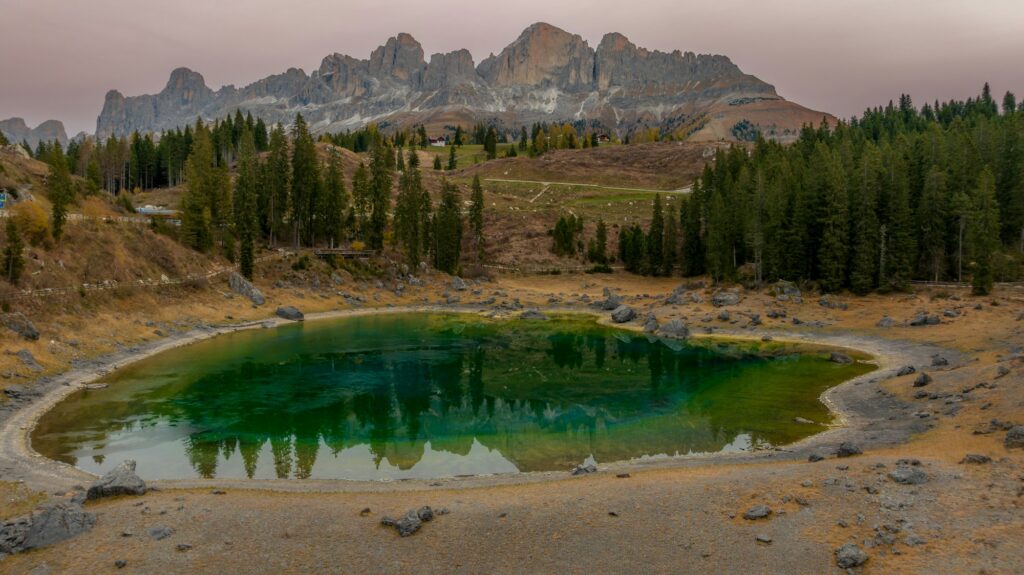
Five European national parks guarantee temperatures below 20°C all summer: Abisko (17°C average high in July), the Cairngorms (15–18°C), Gran Paradiso, Triglav and the Dolomites at altitude. Searches for coolcation destinations have surged 74% since January 2026. The Dolomites are introducing new ZTL restrictions and paid bookings in 2026. Scotland is debating the reintroduction of the lynx. For the most reliable cool escape, choose Swedish Lapland or the Cairngorms.
The mercury is pushing 38°C in Barcelona, 40°C in Seville, and even the South of France feels like a car park in August. In 2026, the coolcation trend has gone thoroughly mainstream: according to Open Jaw, searches for cool summer destinations have exploded by 74% since January. Travel to Scandinavia is forecast to grow by 35% this season (Sixt). Whether you’re escaping from London, Birmingham or Edinburgh, the high-altitude and high-latitude national parks of Europe — where temperatures rarely exceed 20°C even in August — have become the breakout stars of summer travel. I’ve compiled the climate data, the latest 2026 regulations and real-world budgets for five destinations that genuinely deliver on their cool promise.
1. The Dolomites (Italy) — altitude cool, new 2026 restrictions
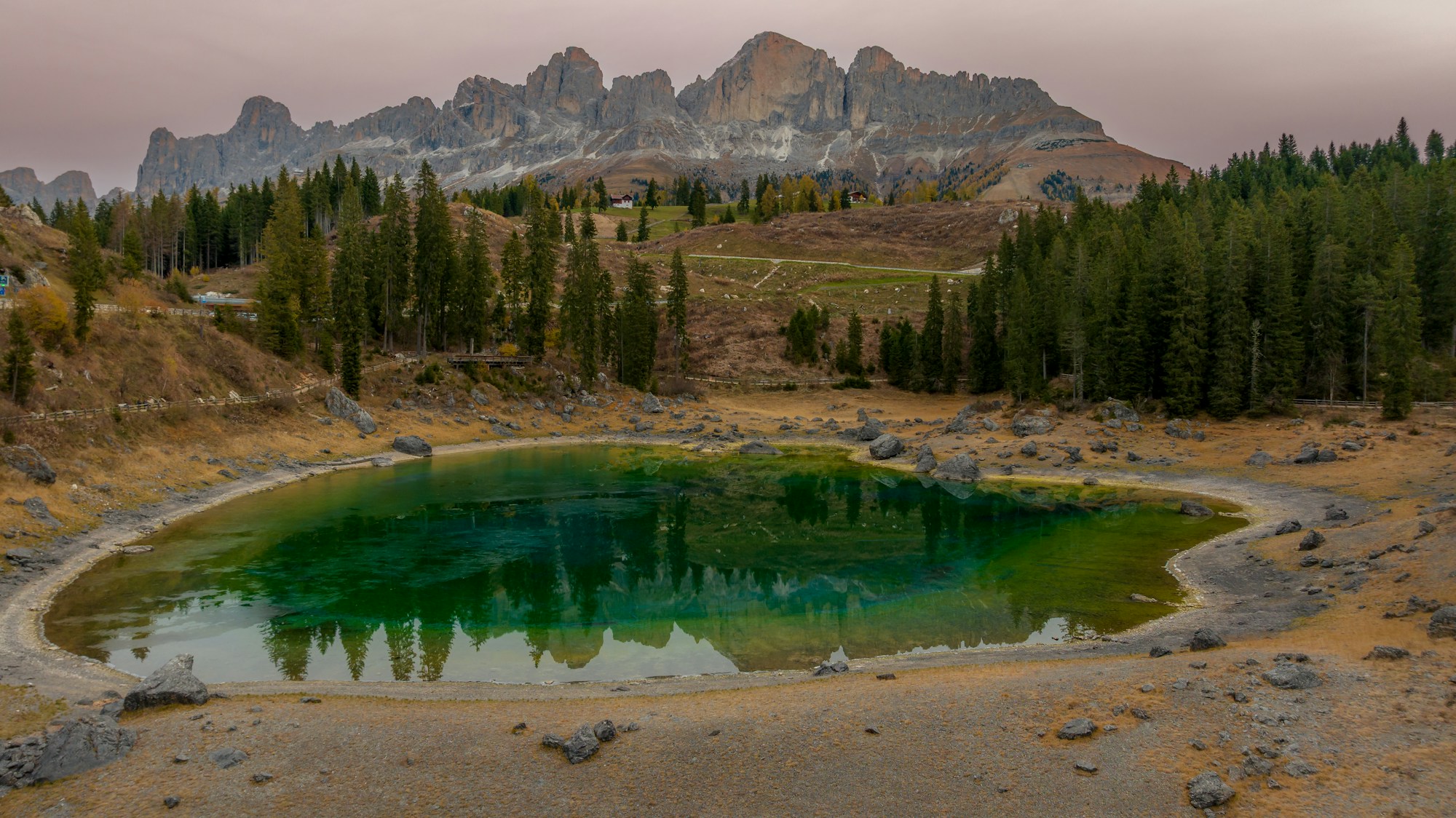
Dolomites UNESCO — summer hiking under the new rules
A UNESCO World Heritage Site since 2009 (141,902 ha, 9 massifs), the Dolomites remain one of the most spectacular alpine hiking destinations in Europe. At altitude (above 1,800 m), temperatures hold between 10 and 15°C in June, rarely climbing above 20°C in July. According to Hut to Hut Hiking Dolomites, afternoon thunderstorms typically roll in between 2 pm and 5 pm in July and August — an early start is essential. Down in the valleys, however, temperatures can reach 22–26°C in midsummer.
The key information for 2026: local authorities have rolled out a raft of anti-overtourism measures that every visitor must know before setting off. According to Wild Connections Photography and NSS Magazine, these restrictions are now in force:
| Zone | Restriction | Fee / logistics |
|---|---|---|
| Lago di Braies | Closed to cars 9 am–4 pm (1 Jul – 15 Sep 2026) | Paid shuttle bus from entry car park |
| Tre Cime di Lavaredo | Mandatory online booking | €40 / 12 hrs |
| Seceda | Paid turnstile + timed cable car slot | €5/person + €74 return cable car |
| Alpe di Siusi | Closed to private cars 9 am–5 pm | Cable car or public bus |
| Santa Maddalena | On foot only | 15-minute walk |
The most iconic trek remains the Alta Via 1: 120 km, 6,700 m of ascent, 9 to 11 days hut to hut. Book overnight stays (Lagazuoi, Nuvolau, Locatelli) 4 to 6 months ahead for July and August. Hut half-board budget: roughly €80 per day. From the UK, fly London Gatwick–Venice or London Heathrow–Munich, then take the Dolomiti Bus network.
Highlights
- 18 peaks above 3,000 m — among the most photographed landscapes in Europe
- Alta Via 1 — 9 to 11 days of legendary mountain huts with half-board
- Dolomiti Bellunesi (Veneto): unspoilt section with deer, chamois and wolves, far from the crowds
- Direct flights from London Gatwick or Heathrow to Venice (~2 hrs)
2. Cairngorms National Park (Scotland) — Britain’s own cool escape, rewilding in action
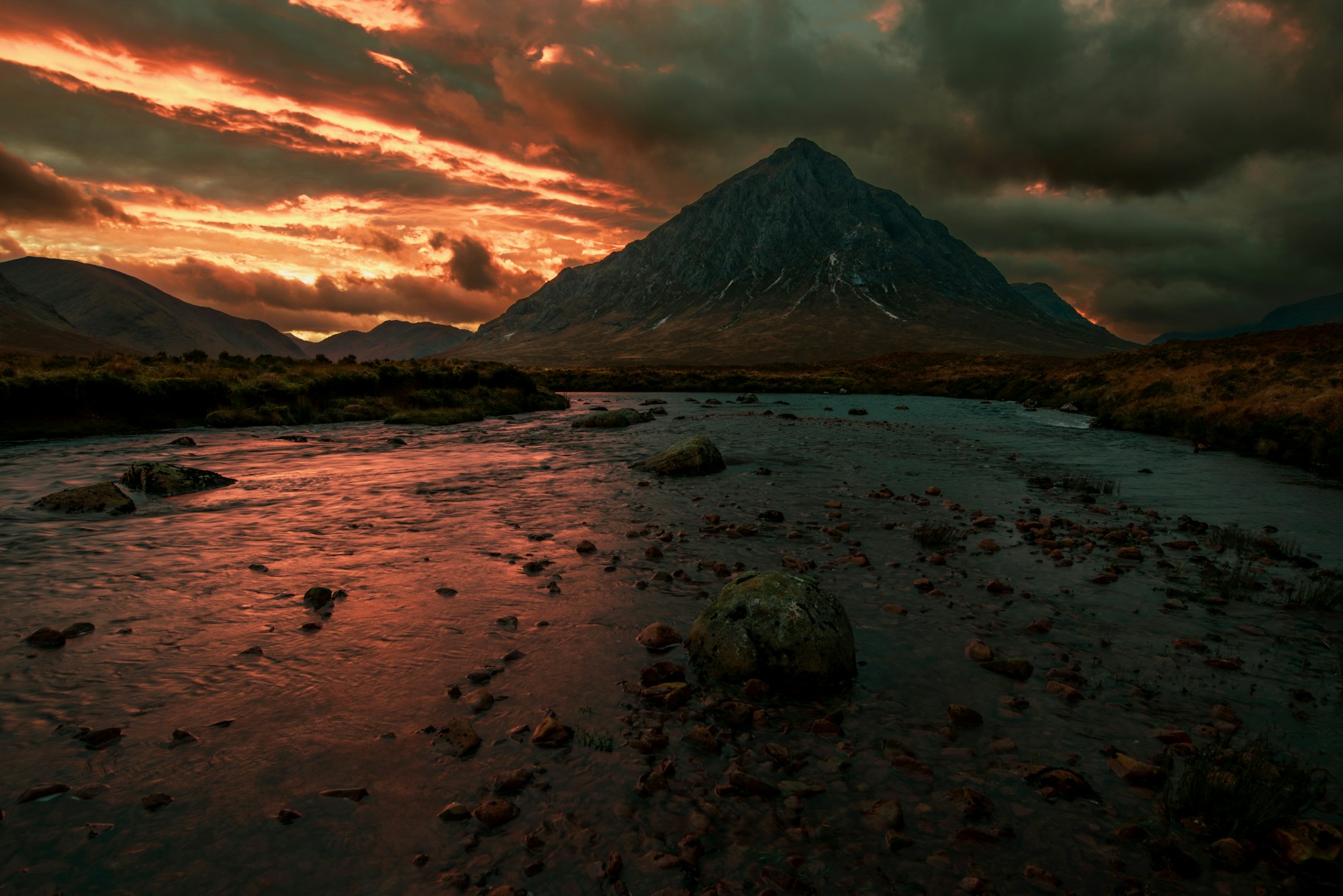
Cairngorms — the UK’s largest national park, right on your doorstep
At 4,528 km², the Cairngorms is the UK’s largest national park — and, for British travellers, arguably the most undervalued. While holidaymakers scramble for flights to the Mediterranean, this vast sub-arctic plateau in the heart of the Highlands quietly guarantees what the South of France cannot: genuinely cool summer temperatures. According to Visit Cairngorms, July and August average 15–18°C — with the frank admission that even July can feel brisk. The plateau above 1,000 m remains the snowiest ground in Britain even in summer. The park shelters 25% of the UK’s rarest species and draws 2 million visitors a year, contributing £419 million to the local economy.
The big story for 2026: a public consultation launched in January on the reintroduction of the lynx to the Scottish Highlands. According to Envirolink, 89,000 households were consulted and up to 250 animals could eventually roam Scotland’s forests. The debate is spirited — NFU Scotland is firmly opposed — but the rewilding ambition underlines why the Cairngorms punch well above their weight ecologically. The park already hosts the UK’s only free-ranging reindeer herd, viewable at the Cairngorm Reindeer Centre.
The classic walk for beginners is the Speyside Way: 116 km from Buckie to Aviemore, moderate grade, threading through whisky distilleries (Glenfiddich, Glenlivet). For experienced hillwalkers, the Lairig Ghru cuts through the heart of the massif over 30 km (grade 4, very exposed terrain). Loch Morlich beach (bus from Aviemore, £4.90 return) is ideal for families: kayaking, paddleboarding and wild swimming from May to September.
Highlights
- 15–18°C guaranteed in July–August — the park’s own website confirms this
- UK’s only free-ranging reindeer herd + 7 rare species including golden eagle
- International Dark Sky Park (Gold Tier) — world-class stargazing and long autumn nights
- Easy to reach: ScotRail train from Edinburgh to Aviemore in 3 hrs 10 — no flight needed
3. Lapland (Sweden, Finland, Norway) — three levels for three types of traveller
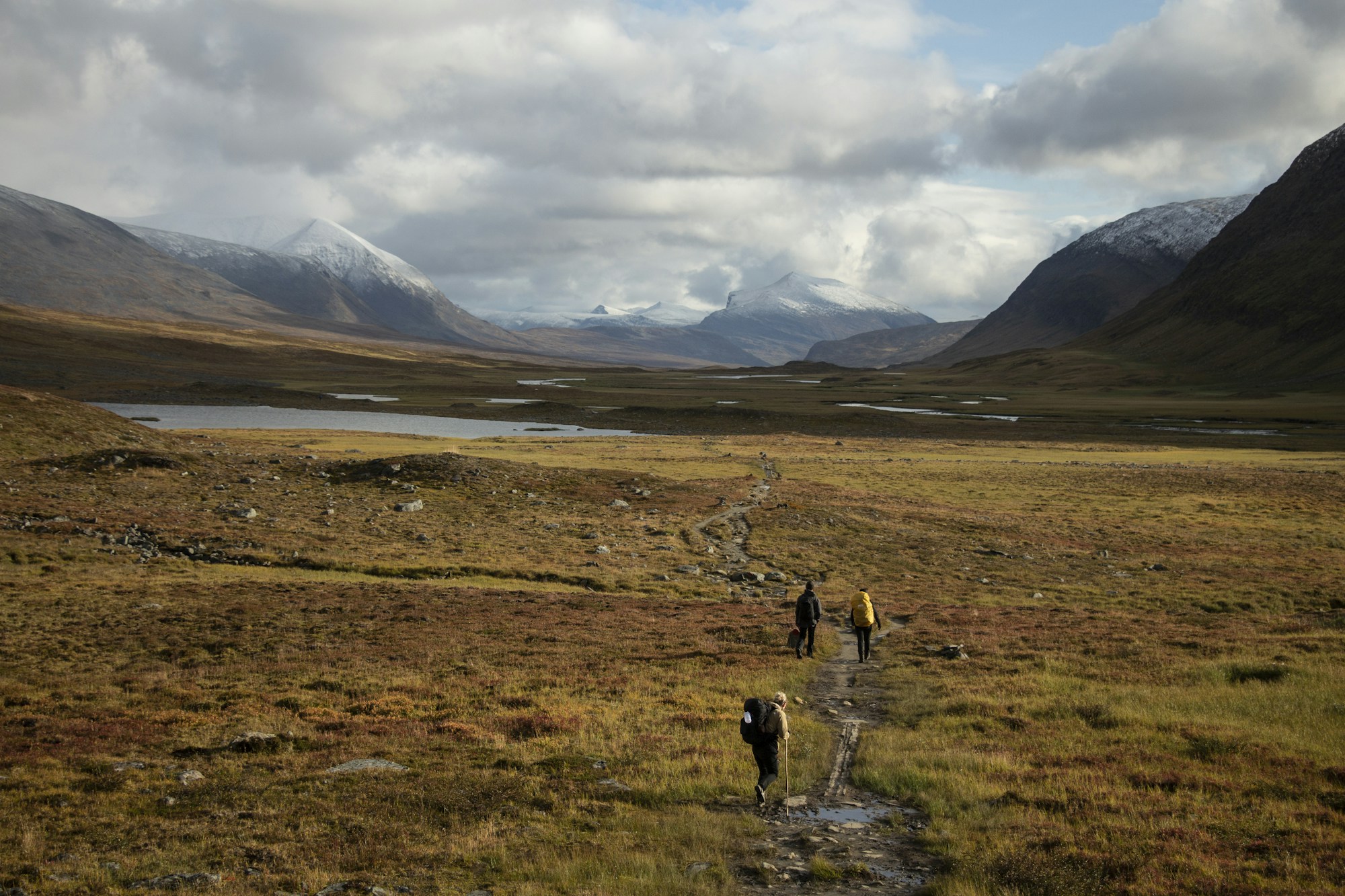
Lapland — from Level 1 (Abisko) to Level 3 (Sarek)
Scandinavian Lapland encompasses radically different experiences depending on your profile and appetite for effort. The common thread: July daily highs averaging 17°C, a midnight sun phenomenon observable from 31 May to 11 July at Abisko, and pristine wildlife (moose, reindeer, arctic fox, wolverine). Finland recorded a 7.1% rise in international arrivals in early 2026 according to MICE Travel Advisor — confirmation that the region’s appeal is growing fast.
Level 1 — Abisko and the Kungsleden (Sweden): Abisko National Park (77 km²) benefits from an exceptional microclimate with some of the lowest rainfall in Lapland. Average maximum temperature in July: 17°C. The northern section of the Kungsleden (105 km, 7–8 days, Abisko to Nikkaluokta) passes STF huts every 15 km, open from mid-June to mid-September. STF member rate: approx. £40/night; non-member: approx. £48/night. According to SCANDI, the ideal window is late August to mid-September: fewer walkers, the first arctic autumn colours, and virtually no mosquitoes. Access from London: fly London–Stockholm (2 hrs 30 min) then the overnight train Stockholm–Abisko (15 hrs 10 min, with shower compartments).
Level 2 — Pallas-Yllästunturi (Finland): 101,171 ha, Finland’s third largest park. The Hetta-Pallas trail (55 km, 3 to 5 days) links the village of Hetta to the Pallas nature centre through fell landscapes. Wildlife: brown bear, lynx, moose, arctic fox. Temperatures: 10–20°C by day. Access from Kittilä or Rovaniemi (bus).
Level 3 — Sarek (Sweden, experts only): 1,970 km², established in 1909. No marked trails, no huts. Over 100 glaciers. The Skierfe cliff face (700 m of ascent) is the most dramatic viewpoint in Scandinavia. Guided tours of 9 to 12 days are available through specialist operators (WildSweden, LaponiaAdventures). Avoid July entirely due to massive mosquito swarms, according to TakeYourBackpack.
Bonus — Jotunheimen (Norway): « Home of the Giants », with Galdhøpiggen (2,469 m, highest peak in Scandinavia). Mountain temperatures: 4–15°C. No entry fee. The Besseggen ridge — 60,000 walkers per season threading between two contrasting-coloured lakes — is Scandinavia’s most iconic day walk. The allemannsretten (right to roam) guarantees free access and wild camping on all uncultivated land in Norway.
Highlights
- Abisko: 17°C average high in July, midnight sun from 31 May to 11 July
- Kungsleden: 105 km waymarked trail with STF huts every 15 km — doable for intermediate walkers
- Outstanding wildlife: moose, wild reindeer, arctic fox, wolverine (Sarek)
- Jotunheimen (Norway): free entry, legal wild camping, Besseggen’s two-colour lakes
4. Gran Paradiso (Italy) — ibex country and Italy’s best-kept alpine secret
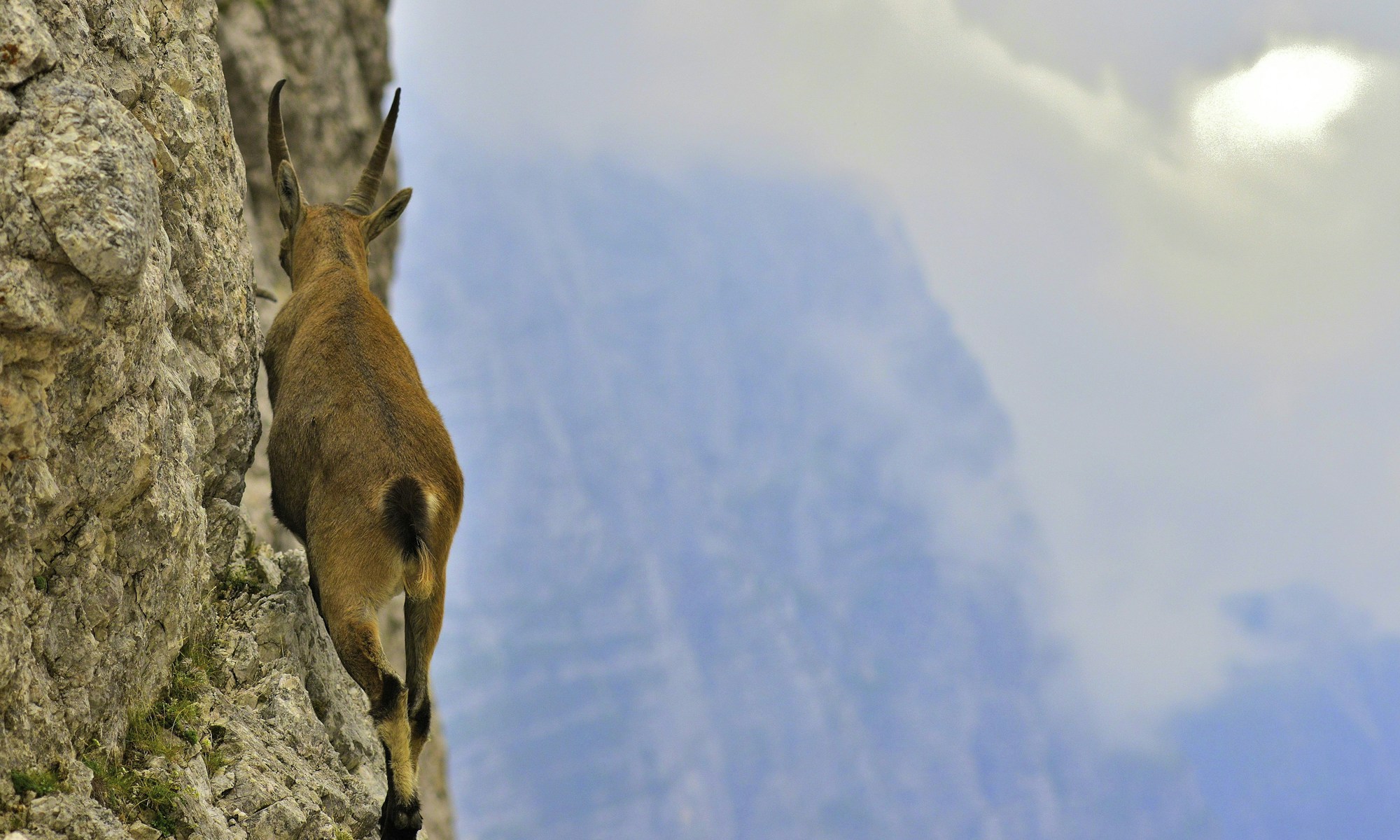
Gran Paradiso — Italy’s first national park, the Alps’ best-kept secret
Established in 1922 to save the alpine ibex from extinction, Gran Paradiso (703 km², Graian Alps, Piedmont and Aosta Valley) is Italy’s oldest national park and one of the best-kept secrets in the Alps. While the Dolomites draw 300,000 overnight stays at the Tre Cime alone, Gran Paradiso receives a fraction of that footfall. The result: it is still entirely possible to encounter a herd of ibex at 50 metres without triggering a photographic scrum. According to the park’s official website, the ibex population now stands at around 2,800 — one of Europe’s great conservation success stories.
57 glaciers, summits up to 4,000 m and more than 470 km of waymarked trails make up the hiking network. The park borders France’s Vanoise National Park, creating a de facto cross-border protected area. Naturalist-guided walks run from 21 June to 6 September 2026, from £1,110/week full board (Terres d’Aventure equivalent operators). Self-guided, huts cost £26–52/night and park entry is free. The Alpine Ibex Trail is waymarked with a downloadable app.
Highlights
- 2,800 ibex — near-guaranteed sightings on altitude trails
- Far less overtourism than the Dolomites or the Italian Lakes
- Easy access from Turin (80 km), Aosta or Geneva (via Cogne or Noasca)
- Adjacent to France’s Vanoise National Park — cross-border circuit possible
5. Triglav (Slovenia) — Lake Bohinj, turquoise Soča, Julian Alps
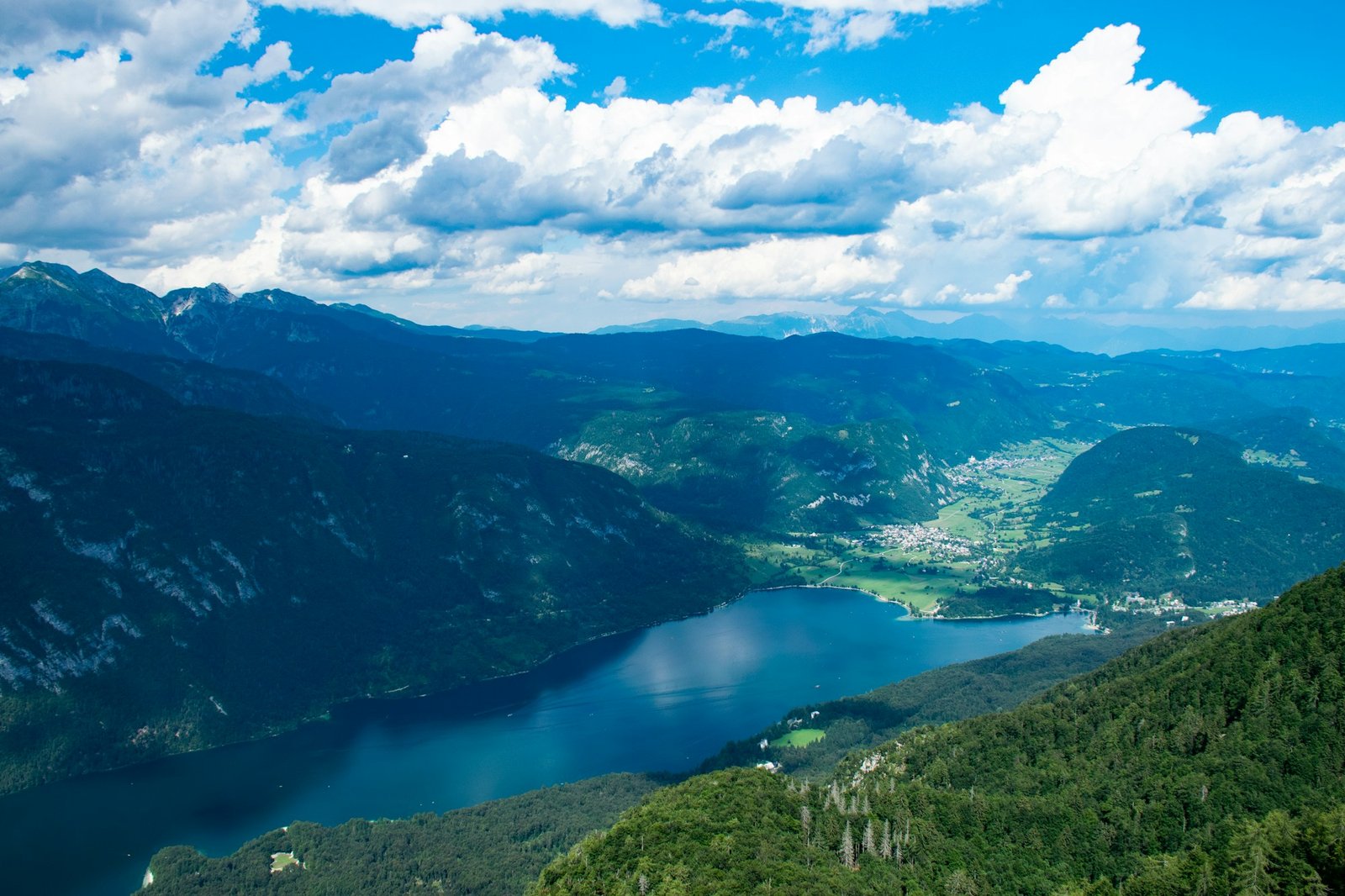
Triglav — Slovenia’s only national park
Slovenia’s only national park at 838 km² in the eastern Julian Alps, Triglav offers unbeatable value for money in an alpine setting. Lake Bohinj — ten times less crowded than Lake Bled — is the ideal base for multi-day hiking. According to the park’s official site, July temperatures reach 20°C at Tolmin in the valley but drop to 5.8°C at Kredarica (high-altitude hut), with significant rainfall (over 2,000 mm/year). The Soča river, with its extraordinary turquoise waters, is one of the most beautiful rivers in the alpine world.
There are walks for every level: the Mostnica Gorge (€4/person, suitable for all), the spectacular Seven Lakes Valley (full day), Visevnik (2,050 m, 4 hrs from Bohinj with views to Bled and Bohinj), or the Pokljuka plateau for a 3–4 day hut circuit. The Triglav summit (2,864 m) requires a guide, with a via ferrata section at the top. Hut accommodation in the park: £22–40/night. Bus from Ljubljana: around £5. The Bohinjska Bistrica park-and-ride costs £1.80/day with a free shuttle to the lake.
The park shelters around 3,000 chamois, 20 breeding pairs of golden eagles and 84 nesting bird species. Brown bear is present, though not a permanent resident. For kayakers and white-water enthusiasts, the Soča offers sections suited to all abilities from Bovec.
Highlights
- Lake Bohinj: cheaper and quieter than Bled, with multi-day hiking on the doorstep
- Soča river in turquoise — rafting, kayaking, wild swimming
- One of the most affordable alpine destinations in Europe
- Train from London to Ljubljana via Paris and Venice (~20 hrs) for an all-rail adventure
Comparison table — 5 parks at a glance
| Park | Country | Max temp July | Budget/day | Car-free access | Level |
|---|---|---|---|---|---|
| Abisko / Kungsleden | Sweden | 17°C | £40–60 | Overnight train from Stockholm | Intermediate |
| Cairngorms | Scotland (UK) | 15–18°C | £40–215 | ScotRail Edinburgh–Aviemore | Beginner to expert |
| Gran Paradiso | Italy | 15–18°C (altitude) | £52–130 | From Turin (bus) | Intermediate |
| Triglav | Slovenia | 20°C valley / 6°C altitude | £26–70 | Bus from Ljubljana (£5) | Beginner to expert |
| Dolomites | Italy | 22–26°C valley / 15°C altitude | £70–105 | Bus from Venice | All levels (ZTL 2026) |
Practical information for your alpine coolcation
Stay connected across all countries in this guide (Italy, Scotland, Sweden, Finland, Norway, Slovenia) with one Europe eSIM. Activated in 2 minutes, no roaming charges.
From £4 / 1 GBNomad Insurance covers mountain activities, altitude rescue and repatriation — essential for alpine and Scandinavian parks. Global coverage from $56/4 weeks. 10% off via our link.
From $56 / 4 weeksFrequently asked questions
Which European national parks guarantee under 20°C all summer?
The most reliable: Abisko (17°C average high in July), Jotunheimen in the mountains (4–15°C), the Cairngorms (15–18°C guaranteed, per Visit Cairngorms), Sarek (0–15°C, variable), Gran Paradiso and Triglav at altitude (below 10°C above 2,000 m). The Dolomites in the valley reach 22–26°C in July but stay cool above 1,500 m.
What are the new Dolomites restrictions for 2026?
In 2026, several areas have introduced unprecedented restrictions: Lago di Braies is closed to cars from 9 am to 4 pm between 1 July and 15 September (paid shuttle bus mandatory). Tre Cime di Lavaredo requires a mandatory online booking at €40/12 hrs. Seceda requires a timed cable car slot (€74 return + €5/person turnstile). Alpe di Siusi is closed to private cars from 9 am to 5 pm. Source: Wild Connections Photography and NSS Magazine.
Can I reach these national parks from the UK without a car?
Yes for all of them. Cairngorms: ScotRail train from Edinburgh to Aviemore (3 hrs 10) — no flight needed. Abisko: fly London–Stockholm (2 hrs 30) then overnight train Stockholm–Abisko (15 hrs 10). Triglav/Bohinj: bus Ljubljana–Bohinj (approx. £5) from Ljubljana, reachable by air or rail from the UK (~20 hrs via Paris and Venice). Dolomites: fly London Gatwick or Heathrow to Venice, then Dolomiti Bus. Gran Paradiso: train London–Turin via Paris Eurostar (7 hrs) then bus to Cogne.
When should I visit Lapland to avoid mosquitoes?
Before late June or after late August. July is peak mosquito season across Lapland, particularly at Sarek and on the Kungsleden. Late August hits the sweet spot: mosquitoes drop off sharply, the first arctic autumn colours appear (golden dwarf birch), and visitor numbers fall. Early September remains excellent for Abisko. Source: partirou.com.
What is the average budget for a week in a European alpine national park?
Budgets vary by destination: Dolomites £490–735 (£70–105/day all-in, huts £60–95/night). Cairngorms £280–1,505 (£40–215/day). Lapland/Kungsleden £280–420 (£40–60/day, STF huts £40–48/night). Gran Paradiso £260–435/week self-guided (huts £26–52/night, free park entry). Triglav is the best value: from £5 by bus, huts £22–40/night, free park entry except Mostnica Gorge (€4).
Is wild camping allowed in these national parks?
Rules vary by country. In Norway and Sweden, the allemannsretten (right to roam) legally permits wild camping on all uncultivated land, for a maximum of 2 nights in the same spot. Similar rules apply in Finland. In the Dolomites, wild camping is prohibited and carries fines of €100–500. In Triglav, discreet bivouacking is tolerated outside sensitive zones. In the Cairngorms, the Land Reform (Scotland) Act 2003 guarantees a legal right of access and responsible camping. Source: Wonder Norway.
- Hut to Hut Hiking Dolomites — Best seasons, huts and hiking in the Dolomites
- Wild Connections Photography — New 2026 access restrictions, Dolomites
- NSS Magazine — ZTL zones and bookings, Dolomites 2026
- Visit Cairngorms — Temperatures and weather, Cairngorms National Park
- Envirolink — Lynx reintroduction consultation, Scotland 2026
- SCANDI — Abisko National Park, Swedish Lapland
- Swedish Tourist Association (STF) — Kungsleden summer 2026 information
- TakeYourBackpack — Sarek guide 2026
- Gran Paradiso National Park (official) — Official information, wildlife, trails
- Triglav National Park (official) — Climate data
- Open Jaw — Coolcations: +74% search surge, April 2026
- Wonder Norway — Allemannsretten, right to roam in Norway
- National Geographic — Best European national parks for summer
- Euronews Travel (May 2026) — European national parks accessible by train
- partirou.com — Best time to visit Swedish Lapland, mosquitoes
Research completed 17 May 2026 — 62 sources consulted.
Ready to plan your European national park coolcation?
Dolomites, Cairngorms, Lapland, Gran Paradiso or Triglav — each one delivers a genuine promise of cool air, wildlife and alpine scenery. Find detailed itineraries on Pixidia to plan your mountain escape this summer.
Explore mountain itineraries