
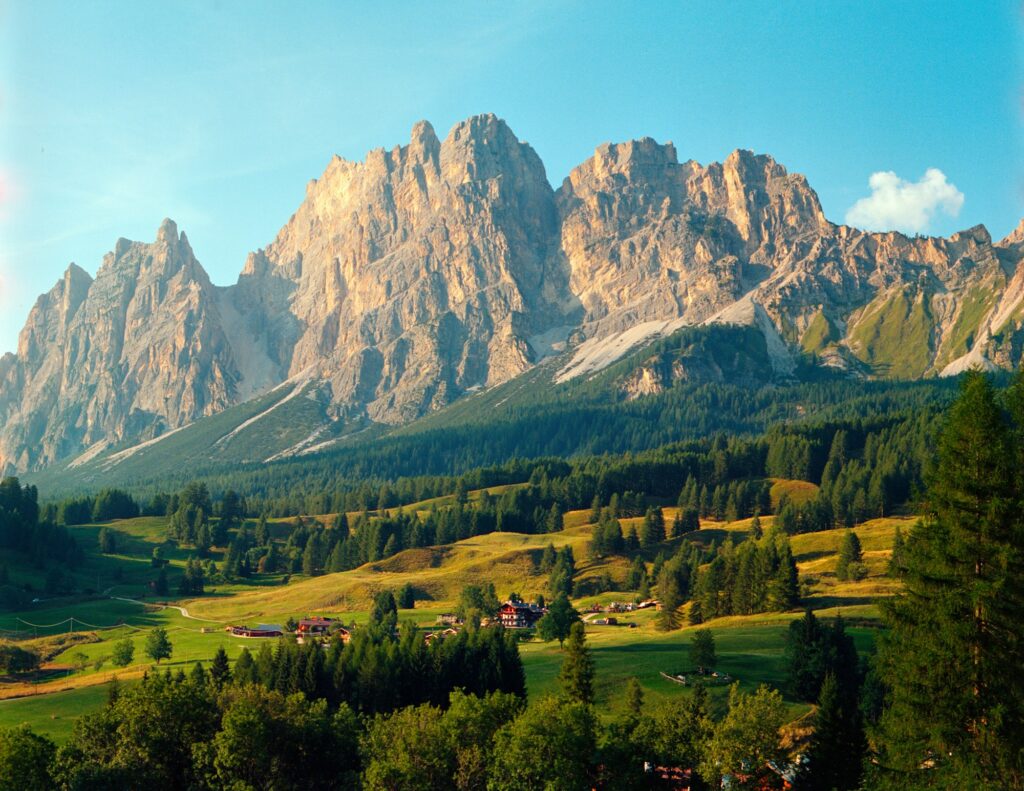
What if your next European adventure was decided at the cheese counter? From the Italian Dolomites swept by Alpine air to the Savoie highland pastures where Beaufort wheels age in silent cellars, Europe hides an astonishing wealth of cheese routes. In 2026 — the year of the Winter Olympics in Milan-Cortina — cheese tourism is experiencing a worldwide resurgence: according to Euronews Travel, following local food trails is one of the best ways to discover a destination far from the crowds. This guide covers seven essential cheese routes, from the golden slopes of South Tyrol to the volcanic burons of Auvergne, with dairies to visit, detailed budgets and insider tips.
1. The Trentino Dolomites — Puzzone di Moena & Cheese Route
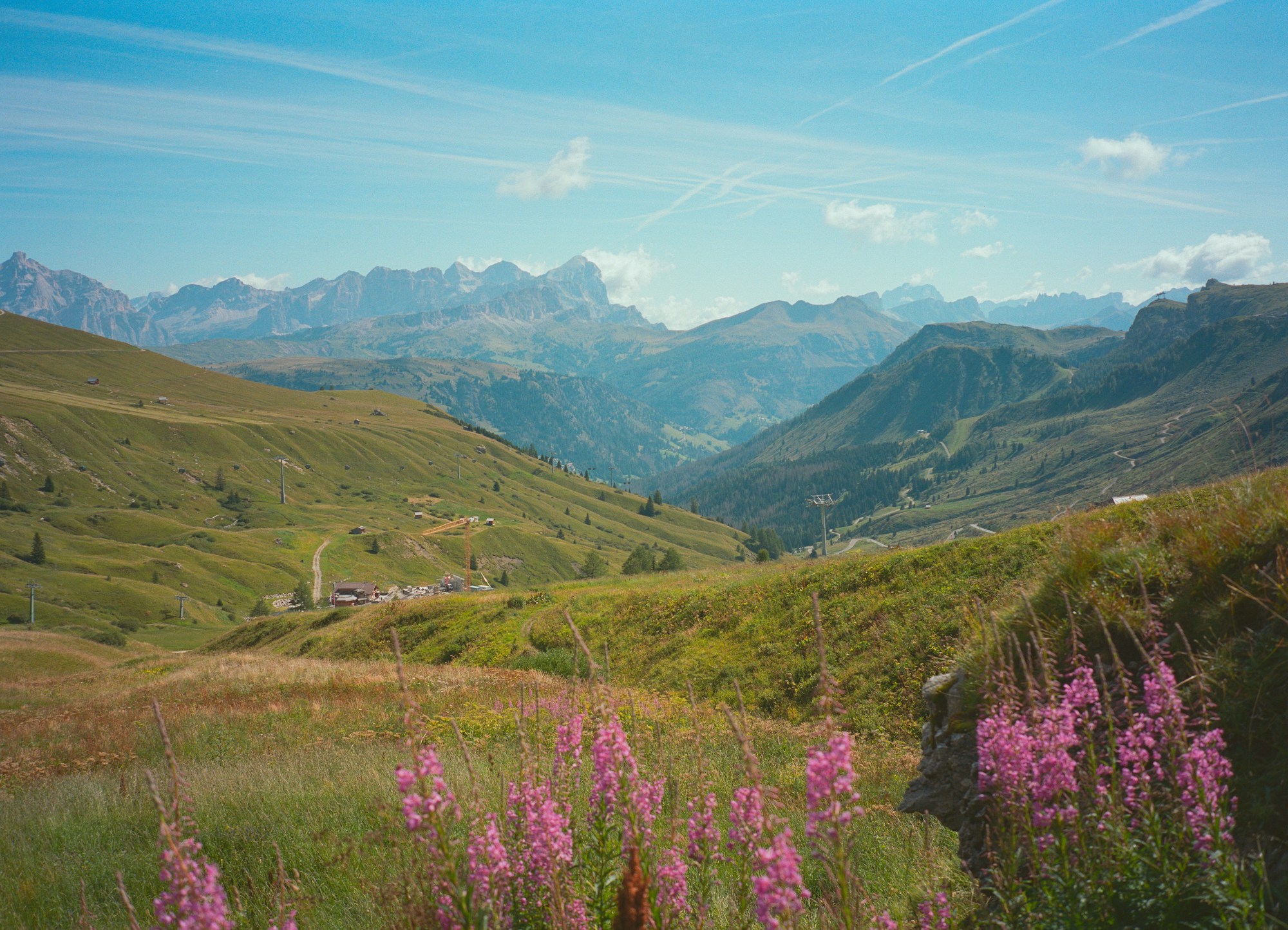
Val di Fassa, Val di Fiemme, Primiero — Trentino-South Tyrol, Italy
The Dolomites Cheese Route winds through the picturesque valleys of Primiero, Val di Fiemme and Val di Fassa, where Alpine gastronomic traditions have been practised for centuries. Between stops, hikers burn off calories on trails snaking through wildflower meadows and dense forests beneath majestic peaks. According to Taste Trentino, it is the ideal journey to discover the landscape and flavours of Val di Fassa, Val di Fiemme and Primiero — a true immersion into the Alpine identity of the Dolomites.
The star of this circuit is Puzzone di Moena PDO, a Slow Food cheese produced by only 6 makers in the world. This washed-rind cheese, aged between 3 and 8 months, develops a savoury, slightly spicy and complex flavour profile with notes of dried fruit and hay. According to We Are Italy, it holds Slow Food Presidium recognition to guarantee its tradition and authenticity. Every year, from 19 to 21 September, the Puzzone Festival of Moena brings together tastings, Michelin-starred showcookings and a cattle parade.
In 2026, the Milan-Cortina Winter Olympics thrust the Dolomites onto the world stage. According to National Geographic, Dolomites cuisine blends North Italian, Austrian and Ladin flavours — a triple culinary culture found nowhere else in Europe. After the Games (March–April 2026), mountain roads remain accessible, mid-season prices bring a smile, and rifugio terraces smell of mulled wine and burning wood.
Highlights
- Puzzone di Moena PDO: one of Europe’s rarest washed-rind cheeses (only 6 producers)
- Cheese Route through Val di Fiemme, Val di Fassa and Primiero
- Tastings in rifugi (mountain huts) at 2,000 m altitude
- Preserved Ladin culture: unique language, cuisine and architecture
- Puzzone di Moena Festival (3 days, September)
2. Alta Badia & La Val — The Off-the-Radar Ladin Valley
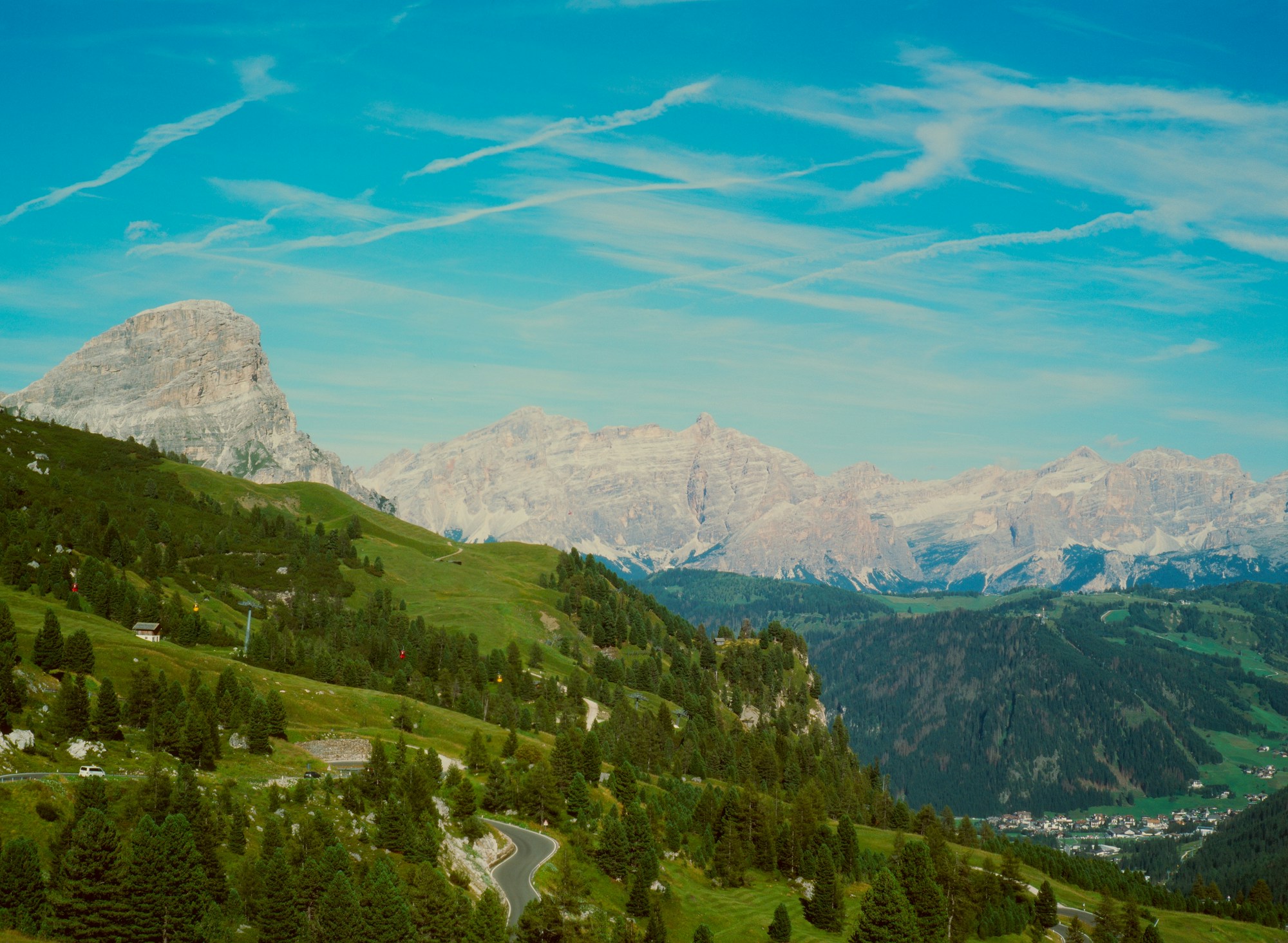
La Val (La Valle / Wengen), Dobbiaco — South Tyrol, Italy
The village of La Val (Wengen in German, La Valle in Italian) is considered the most traditional and least touristy municipality in Alta Badia. According to Moon Honey Travel, the absence of a ski industry means no massive hotels, no crowds. Its farming hamlets (viles) rise above the Gadera river, and visitors can explore Ladin settlements with granaries and woodcutters, as well as join locally led experiences — farm cheese visits, Ladin cooking classes.
In the Ladin region of the Dolomites, Ladin, an ancient Romance language, is still spoken and traditional customs are preserved like treasures. Nearby, the Dobbiaco Dairy Cooperative, which has been making cheese since 1882, is one of the oldest in the Alps still in operation. According to TourRadar, the tasting at the cooperative is consistently the highlight of hiking tours in Val Pusteria. Its Graukäse (grey cheese with natural acid fermentation, without salt) is a speciality almost impossible to find outside the region.
Highlights
- Village of La Val: less touristy than Alta Badia, vibrant Ladin culture
- Dobbiaco Dairy Cooperative (1882): artisan Bergkäse and Graukäse
- Agriturismo stay: cheese made on-site, raw milk from the morning milking
- Snowshoe hikes in winter with polenta and smoked cheese lunch at a mountain hut
3. Beaufortain, Savoie — The Alpine Pastures of the Prince of Gruyères
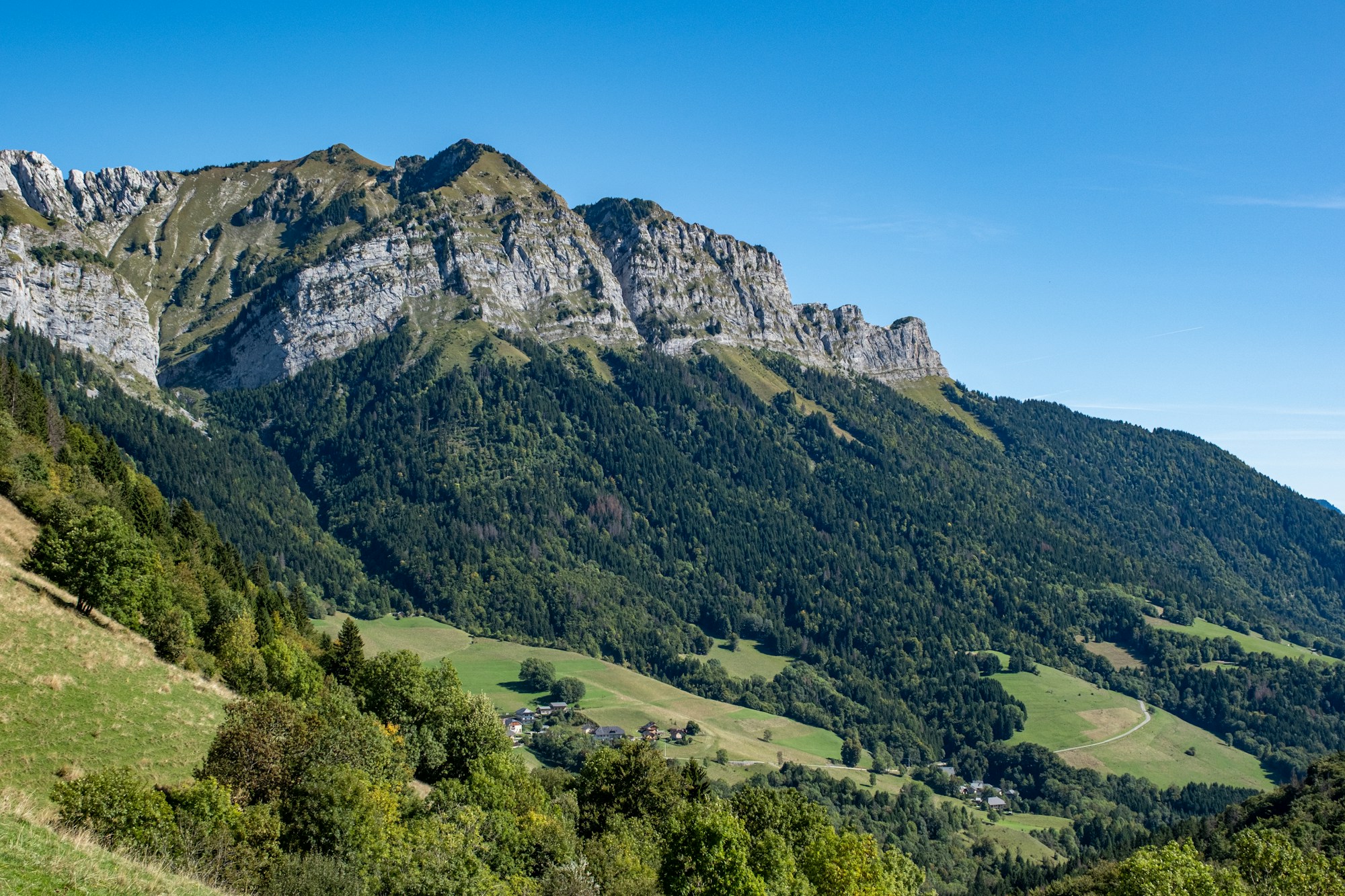
Beaufort-sur-Doron, Arêches, Bourg-Saint-Maurice — Savoie
Nicknamed the «prince of gruyères», Beaufort PDO is made in the alpine pastures from the raw milk of Tarine and Abondance cows. Only three farms in the Beaufortain still maintain the demanding craft of «Beaufort Chalet d’Alpage», made on-site from the still-warm milk of the morning milking. According to Fromage Beaufort, since 1964, the Coopérative Laitière de Haute Tarentaise has brought together 52 producers who transform 8 million litres of milk each year into 16,000 wheels of Beaufort PDO.
The Coopérative Laitière du Beaufortain, based in Beaufort-sur-Doron, offers a 400 m² sensory visit with a direct view of the production room and a screening of the film «Le Beaufort en héritage». Open every day, 9am–12pm and 2pm–6pm — guided cave tour + film: just €3 per person. The summer «Instants Beaufort» organise full-day «bottom-to-top» experiences: morning at the cooperative for production secrets, then afternoon at an alpine pasture to watch the cows being milked.
Highlights
- Coopérative Laitière du Beaufortain: visit + film for just €3, open every day
- «Instants Beaufort»: immersive full-day experiences from cooperative to alpine pasture
- Beaufort Chalet d’Alpage: the only one made at 1,800 m, raw milk from morning milking
- 52 local producers united in a historic cooperative (founded in 1964)
4. Fort Saint-Antoine, Jura — The Underground Cathedral of Comté
Saint-Antoine, Haut-Doubs — Bourgogne-Franche-Comté
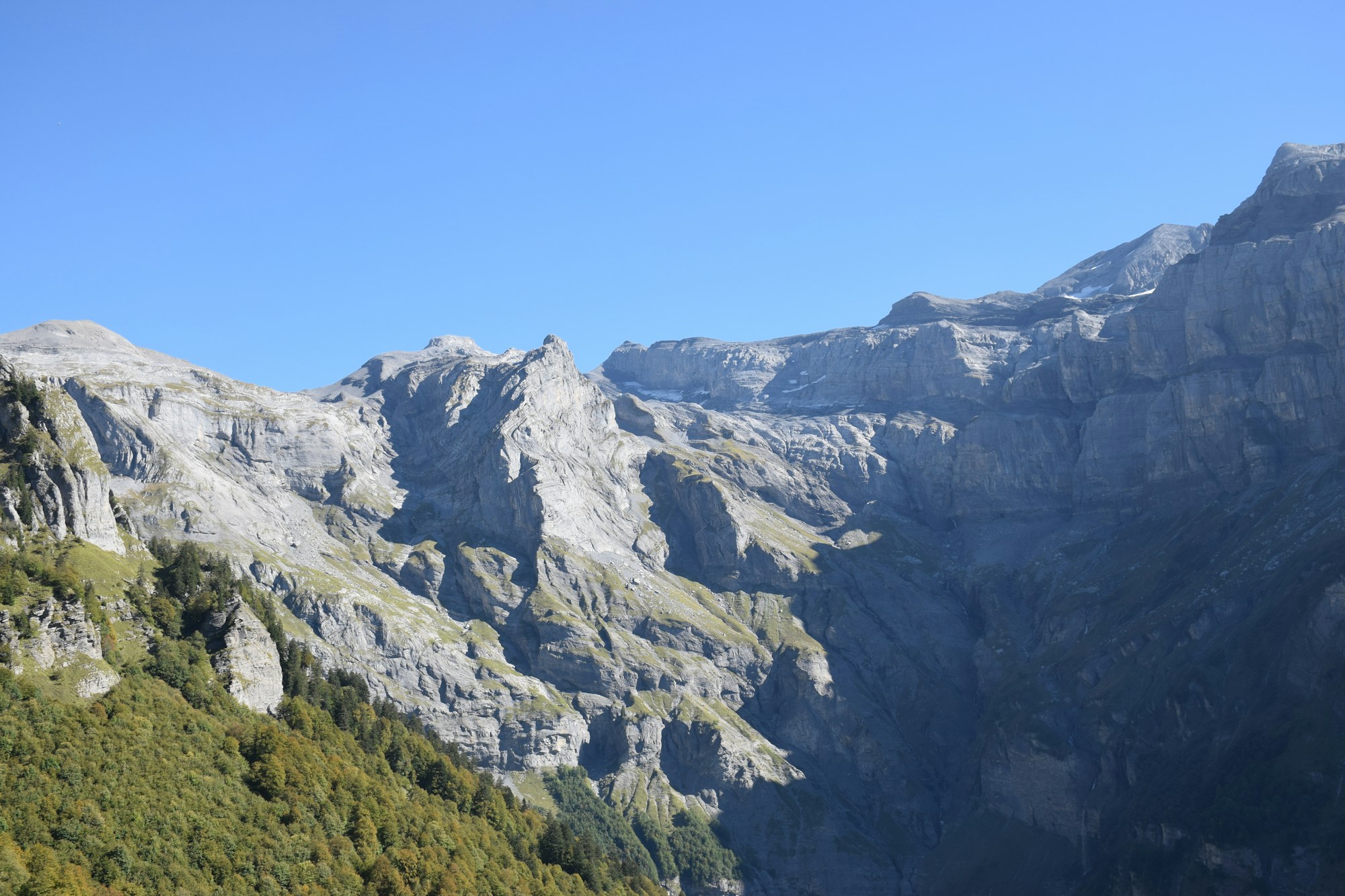
This former military fort, situated at 1,100 metres altitude in the Massif du Jura, was built between 1879 and 1882 to protect the eastern border. From 1966 onwards, Fromageries Marcel Petite converted it into Comté ageing cellars. In over sixty years, this underground cathedral has matured more than a million exceptional Comtés in a natural cave setting, along 300 metres of fitted passages housing 100,000 wheels simultaneously.
The slow ageing process (10 to 20 months) in this unique environment brings out the delicate and fruity aromas of Comté produced in the artisan fruitières of Haut-Doubs and Haut-Jura. According to Destination Haut-Doubs, passionate guides lead tours through little-known trades among the wheels, and a cellar master shares his daily life in this privileged moment beneath the stone vault. Price: €8/adult, €4 (ages 6–14) — booking required at comte-petite.com.
Highlights
- 100,000 Comté wheels aged simultaneously in a Napoleonic fort
- Slow ageing of 10 to 20 months in a natural cave at 1,100 m altitude
- 1.5-hour guided tour with cellar master, for just €8/adult
- Vertical tasting to compare different Comté maturation stages
- Unique heritage: the only military fort converted into an active cheese ageing facility in France
5. Ossau-Iraty Route, Basque Country — In the Shepherds’ Footsteps
Saint-Jean-de-Luz → Col d’Aubisque — Pyrénées-Atlantiques
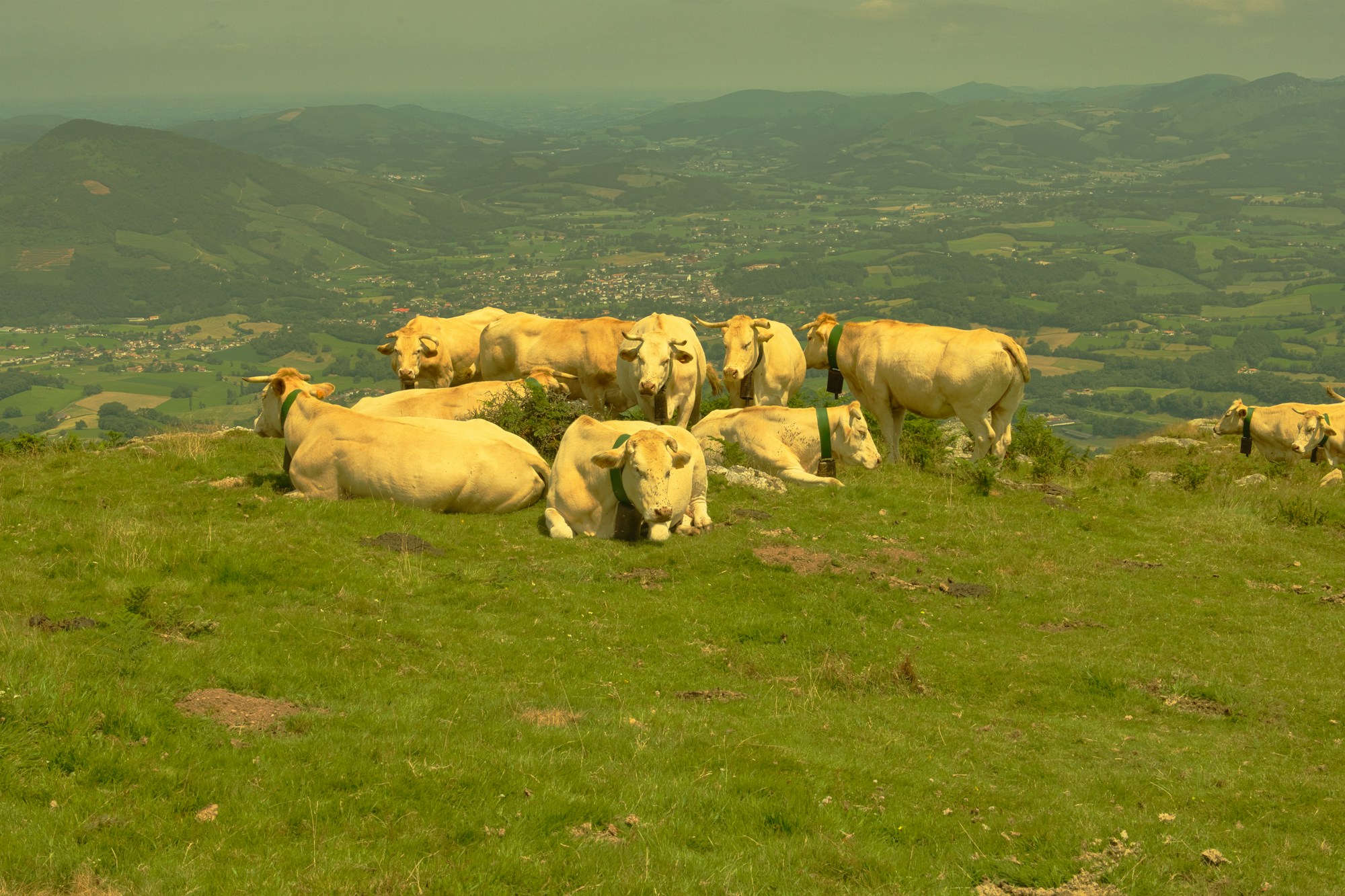
Since 1993, all summer long, the Ossau-Iraty Cheese Route leads into the valleys, hillsides and mountains of the Basque Country and Béarn. Around 200 km of departmental roads, from Saint-Jean-de-Luz on the Basque Atlantic coast to the famous Col de l’Aubisque in Béarn — the only Pyrenean ewe’s milk cheese with PDO status. According to Le Routard, Ossau-Iraty PDO cheese is currently produced by 150 farm producers, 11 dairies and 3 affineurs.
The Agour dairy at Iraty is a gem in its own right: built in 2010 with a chestnut wood-clad structure in a spirit of sustainable development, it offers a fun and educational trail to observe cheesemakers at work at every stage of production. According to La Route Gourmande des Basques, the visit and tasting are free. You’ll also discover the three hardy breeds: Basco-Béarnaise, Manech Tête Rousse and Manech Tête Noire.
Highlights
- 200 km of scenic road from the Basque Atlantic coast to the Béarn Pyrenees
- Agour Iraty dairy: free visit and tasting, eco-responsible building
- 150 farm producers: each cheese reflects the terroir of its shepherd
- «Cabanes Ouvertes» (July–August): milking, cheesemaking and sheep care live
- Cayolar (Basque shepherd’s hut): rare pastoral architecture listed as heritage
6. Saint-Nectaire PDO, Auvergne — The King’s Cheese at the Heart of the Volcanoes
Saint-Nectaire, Massif du Sancy — Puy-de-Dôme, Auvergne
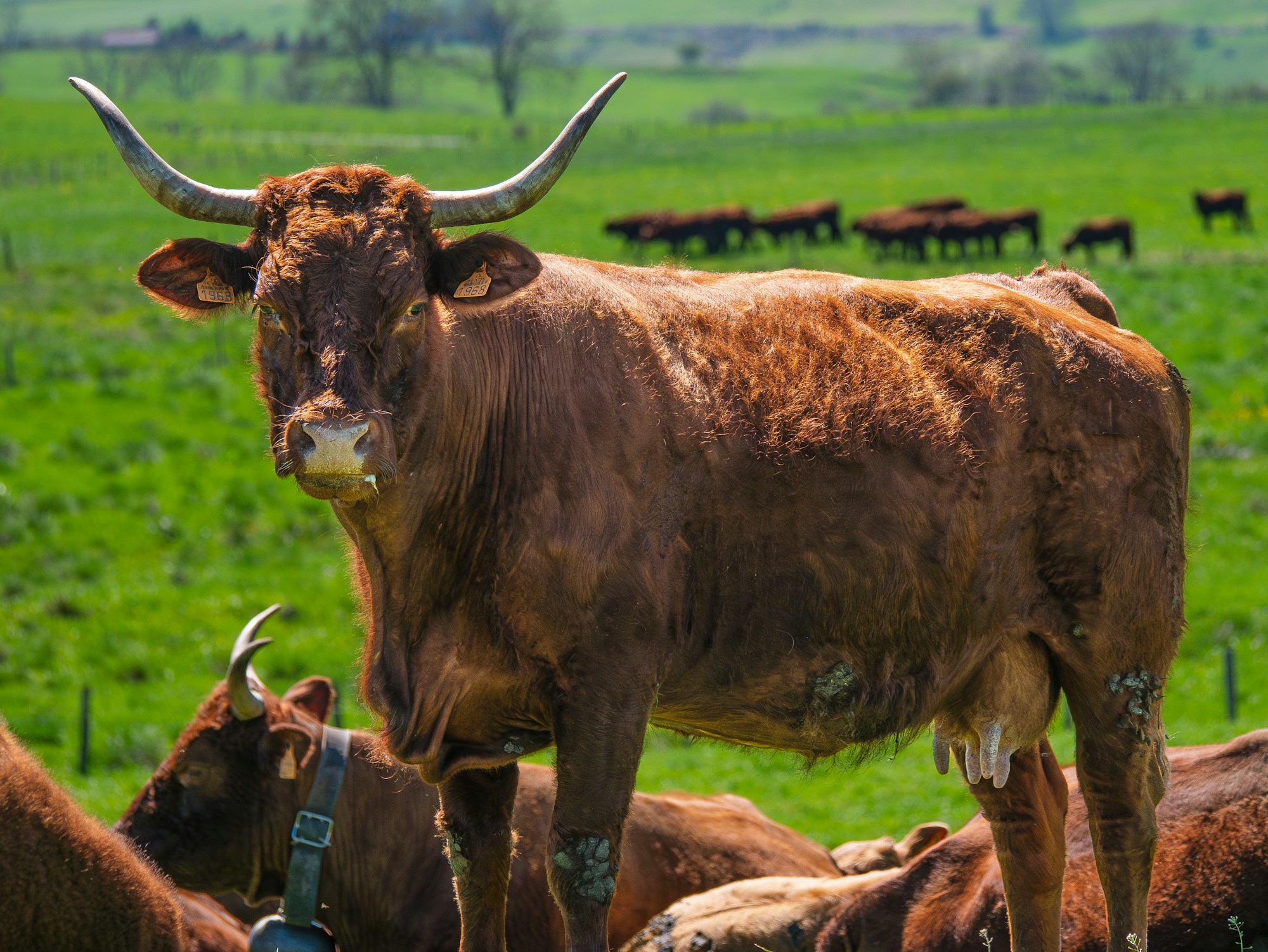
Saint-Nectaire is a cow’s milk cheese originating from the mountains of Sancy, Artense and Cézallier, at the heart of the Auvergne Volcanoes Regional Nature Park. Its natural high-altitude meadows form the basis of the cows’ diet (min. 70% of the annual ration). Long known as «rye cheese» because it was aged on rye straw, it was introduced to the court of Louis XIV by Marshal Henri de la Ferté-Senneterre — hence its nickname of «king’s cheese».
With its 35 stops, from farms to dairies, the Auvergne PDO Cheese Route lets you discover Cantal, Saint-Nectaire, Fourme d’Ambert, Bleu d’Auvergne and Salers. The Maison du Fromage Saint-Nectaire offers a complete visit (audiovisual presentation, demonstration ageing cave, final tasting) at very accessible prices: €8.50/adult, €6.50/child. Terroir enthusiasts will find, beyond the Maison du Fromage, burons — these ancient high-altitude farms where cheese is still made the traditional way.
Highlights
- Maison du Fromage in Saint-Nectaire: ageing cave + tasting at €8.50/adult
- Auvergne PDO Cheese Route: 35 stops, Cantal, Fourme d’Ambert, Bleu d’Auvergne
- Cantal burons: vanishing high-altitude farms where cheese is still made the traditional way
- Auvergne: most affordable region for accommodation (€50–80/day all-inclusive)
7. Bleu du Vercors-Sassenage, Isère — The Medieval Cheese at the Heart of a Nature Park
Villard-de-Lans, La Chapelle-en-Vercors — Isère and Drôme
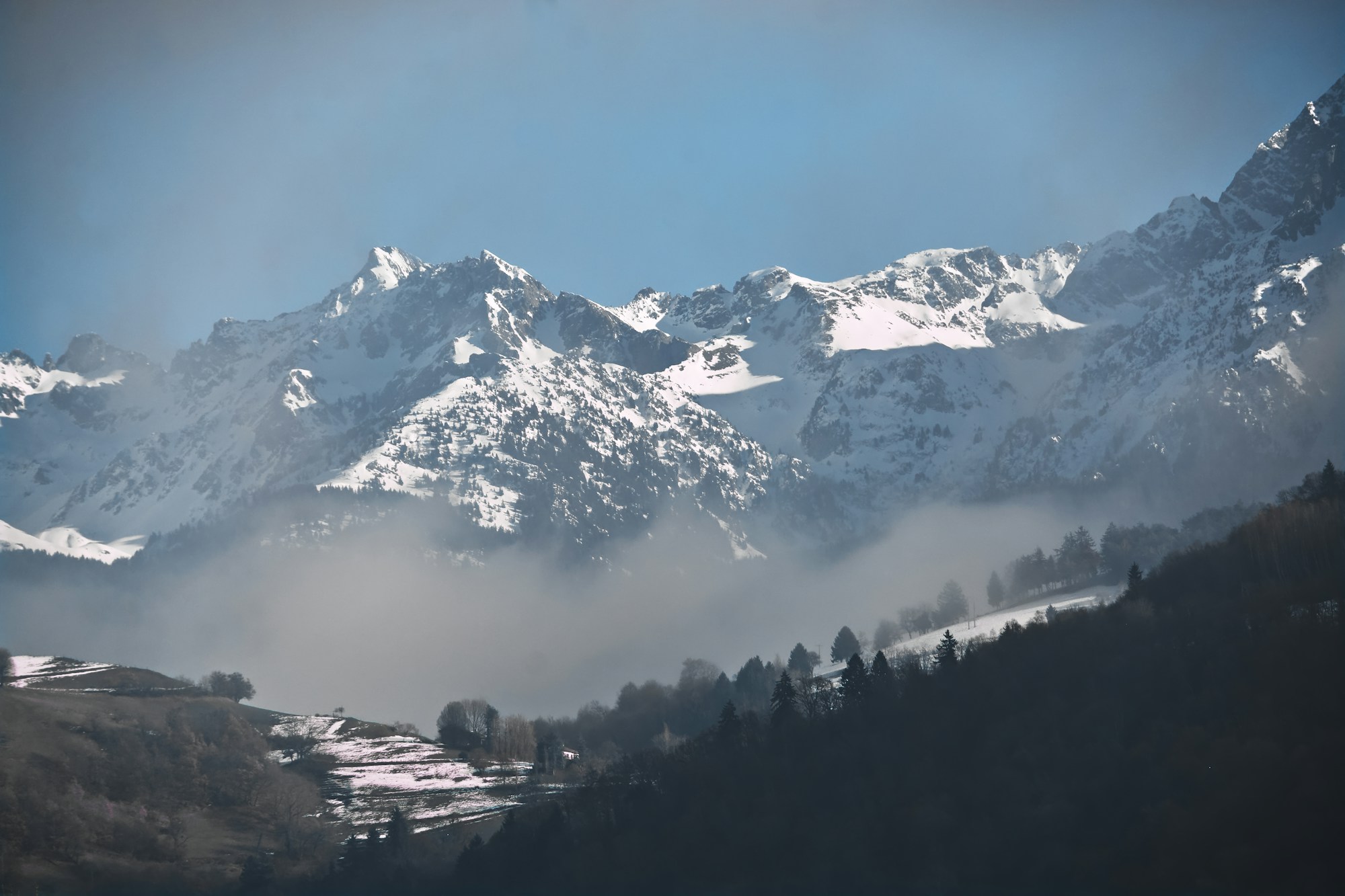
Bleu du Vercors-Sassenage is one of the rare French PDOs produced at the heart of a Regional Nature Park. This cheese, made from the milk of three local cow breeds (Montbéliarde, Abondance and Villard de Lans) grazing for at least 150 days per year, has a production technique unique in the world: according to Vercors Lait, it is the only French cheese made from a blend of yesterday’s heated milk and fresh raw morning milk — a unique «double-milk» technique.
In the Middle Ages, farmers on the Vercors plateau paid their taxes to the Lord of Sassenage with this cheese. Today, Vercors Lait is the sole cooperative producing this PDO cheese and invites visitors to its fruitière in Villard-de-Lans for a tasting and direct sales. The Fête du Bleu du Vercors-Sassenage, organised each summer in a different village of the Park, celebrates this cheese with producers’ markets, demonstrations and themed hikes.
Highlights
- «Double-milk» technique: unique in the world, blending yesterday’s milk with fresh morning milk
- Vercors Lait fruitière in Villard-de-Lans: free or near-free visit and tasting
- The only French cheese PDO produced at the heart of a Regional Nature Park
- La Vercouline: mountain raclette with Bleu du Vercors to try at a farm-inn
- Accessible as a day trip from Grenoble (45 min) — perfect for a quick excursion
Frequently Asked Questions About Cheese Routes in Europe
What is the best season to visit cheese-making alpine pastures in France and Italy?
The ideal window is between mid-June and mid-September, when cows and ewes are on the high pastures, seasonal dairies are active and cheese festivals are in full swing. The alpages, these high-altitude meadows where cows graze in summer, are prime spots for watching the transhumance and understanding the close link between terroir and taste. According to IF Magazine, summer visits also allow you to watch cheese being made live at cooperatives. For the Dolomites, the season runs from June to September. Book altitude dinners several weeks ahead.
Do you need to book cheese dairy visits in advance?
Yes, in most cases. Guided tours at Fort Saint-Antoine last 1.5 hours and require advance booking. The Beaufortain Cooperative requires online booking for groups. The Agour dairy in the Basque Country is more flexible (free access), but the «Instants Beaufort» at the alpine pasture require prior registration. For small farms, a simple phone call the day before is often enough.
How to combine a Dolomites visit with a cheese route in 2026 after the Olympics?
The Olympic crowds have left after March 2026. Start in the Dolomites from June to September: mountain huts (rifugi) offer tastings at about 2,000 m, before driving on to the French Alps. According to Ulysse.com, gîte accommodation can be 30–40% cheaper than in peak season, and local dairies like the Caseificio de Predazzo remain open year-round. Book altitude dinners several weeks ahead.
What is the difference between a farm PDO cheese and a dairy PDO cheese?
Farm cheese is made on-site using only the milk from the farm’s own cows, often in smaller quantities with raw milk, giving a more distinctive and unique flavour according to the terroir. Dairy cheese is made in a cooperative with milk collected from several farmers, often pasteurised. According to Auvergne-Rhône-Alpes Tourisme, both can hold PDO status, but the farm version, bought directly from the producer, generally offers a more intense sensory experience. For Puzzone di Moena DOP, specifically ask for the «di malga» (alpine pasture) version: produced only from June to September.
What are the must-see cheese festivals in 2026?
Three events stand out: the Puzzone Festival of Moena (mid-September, Val di Fassa) with showcookings, food tours and a dinner at 2,500 m at the InAlto restaurant; the Fête du Bleu du Vercors-Sassenage (summer, Vercors Nature Park) with producers’ markets, demonstrations and themed hikes; and the «Cabanes Ouvertes» days of the Ossau-Iraty Route (July–August, Basque Country/Béarn) with live milking demonstrations, cheesemaking, sheep care and pastoralism. The Dolomites Desmontegada (late September) completes the panorama with flower- and bell-adorned cows descending from the alpine pastures.
Can PDO cheeses be transported on a plane from Europe?
Hard and semi-hard aged cheeses (Comté, Beaufort, aged Puzzone) travel without issue in the hold in vacuum-sealed packaging. Avoid soft fresh cheeses for long-haul flights. According to the Ministry of Agriculture, France’s 46 cheese PDOs are subject to 6,200 annual checks guaranteeing their quality and traceability — which makes buying from source doubly worthwhile. Prefer cheeses bought directly from a dairy or cooperative, vacuum-sealed or wrapped in special wax paper, and keep them cool.
How to travel responsibly on Europe’s cheese routes?
A few essential common-sense rules: stay on marked trails in the alpine pastures (the grass is precious — it feeds the herds and directly determines the quality of the cheese, as the Beaufortain Cooperative reminds us); respect farm visiting hours; buy directly from producers rather than from supermarkets; prefer the train to reach the mountain massifs from Paris or Lyon. Europe’s cheese routes are mostly located in areas of high ecological value (regional nature parks, reserves) where landscape preservation is directly linked to cheese quality.
What budget to plan for a grand Alpine cheese circuit (14 days)?
Based on the Beaufortain → Vercors → Jura → South Tyrol → Alta Badia → Val di Fassa itinerary, budget €1,200 to €2,000 per person for 14 days all-inclusive (moderate gîte or B&B accommodation, transport, visits and meals). Agriturismo or farm-inn accommodation (€65–130/night for 2 people) often offers the best value for money with hearty local breakfasts. Cheese dairy visits remain very accessible (€3–8 per person in general). Auvergne and the Basque Country are the most affordable regions; South Tyrol and Savoie the most expensive in peak season.
Sources
- Euronews Travel (Feb. 2026) — Gastronomic circuits in Europe 2026
- National Geographic — Dolomites & Milan 2026: when to visit, where to stay
- Visit Dolomites — The Dolomite Cheese Route (official)
- Taste Trentino — Dolomites Cheese Route
- We Are Italy — Puzzone di Moena, the distinguished washed-rind cheese
- Caseificio Sociale di Predazzo e Moena — Puzzone di Moena DOP (official)
- Dolomiti.it — Puzzone Festival of Moena DOP
- Moon Honey Travel — La Val, Alta Badia: eat, hike, stay
- TourRadar — Dolomites tours and trips 2026
- Ulysse.com — Cortina after the 2026 Olympics: itinerary and Dolomites deals
- Coopérative Laitière du Beaufortain — Visit circuit (official)
- Fromage Beaufort — Instants Beaufort at the alpine pasture
- Fromageries Marcel Petite — Visit Fort Saint-Antoine (official)
- Destination Haut-Doubs — Ageing caves of Fort Saint-Antoine
- AOP Ossau-Iraty — PDO Cheese Route (official)
- Le Routard — Ossau-Iraty Route, in the shepherds’ footsteps
- La Route Gourmande des Basques — Agour Iraty dairy
- Association des Fromages AOP d’Auvergne — PDO Cheese Route
- Maison du Fromage Saint-Nectaire — (official)
- Auvergne-Rhône-Alpes Tourisme — AOP Saint-Nectaire
- Vercors Lait — Bleu du Vercors-Sassenage Cooperative (official)
- Ministry of Agriculture — Bleu du Vercors-Sassenage AOP
- Ministry of Agriculture — On the French PDO cheese route
- IF Magazine — Culinary cheese circuits in France
Research conducted on 11 March 2026
Ready to Hit the Cheese Route?
From the Italian Dolomites to the Savoie alpine pastures, via the burons of Auvergne and the Basque cayolars, Europe’s cheese world is waiting for your taste buds. Pixidia offers tailor-made itineraries to plan your next gourmet circuit.
Explore all itineraries