
Roughly 925,000 expatriate jobs are at risk across the six Gulf states through 2029 as nationalization programs accelerate. Saudi Arabia confirmed 340,000 new Nitaqat-quota positions in February 2026 alone, and Kuwait has proposed cutting its migrant population from 70% to 30%, while UAE free zones (DIFC, ADGM) remain a rare exemption. With Brent crude near $100/barrel and the Strait of Hormuz under threat since the 2025–2026 escalation, affected expats should diversify savings outside the Gulf now and start scouting alternatives — Tbilisi, Lisbon or Kuala Lumpur — before their contract ends.
925,000 expatriate jobs at risk across the six Gulf countries. This figure, aggregated from active nationalization programs in Saudi Arabia, the UAE, Oman, Qatar, Bahrain and Kuwait, summarizes a silent crisis upending millions of lives. Since February 2026, Riyadh announced the localization of 340,000 additional positions under its new Nitaqat cycle. Meanwhile, the Iran-Israel-US military escalation is shaking the region: missiles, a threatened closure of the Strait of Hormuz, disrupted airspaces. For French, Belgian, Moroccan, Indian or Filipino expatriates working in the Gulf — often for years — the question is no longer « will things change? » but « do I still have a place here? »
This guide breaks down the crisis country by country and identifies the most relevant alternative destinations for a fresh start.
The « perfect storm »: nationalization + geopolitical tensions
A double threat without precedent
Two forces are converging simultaneously. The first is structural: workforce nationalization policies (Saudization, Emiratization, Omanization, Qatarization) are accelerating. According to the Baker Institute, GCC states are actively pursuing these policies to reduce their dependence on expatriate workers and create sustainable opportunities for their growing local populations.
The second force is conjunctural: the 2025–2026 armed conflict. According to the OMFIF, GCC economies face geopolitical shock transmission through trade routes, maritime transport costs, supply chains and investor sentiment. Hundreds of missiles and drones were fired at Gulf states during the 2026 escalation.
The 925,000 figure: how is it calculated?
- Saudi Arabia: 340,000 positions announced in Feb. 2026 (new Nitaqat cycle)
- UAE: target of 10% nationals in the private sector by end of 2026
- Oman, Qatar, Bahrain, Kuwait: increasing sectoral quotas
- Kuwait: proposal to reduce migrants from 70% to 30% of the population
1. Saudi Arabia: the epicenter of Saudization
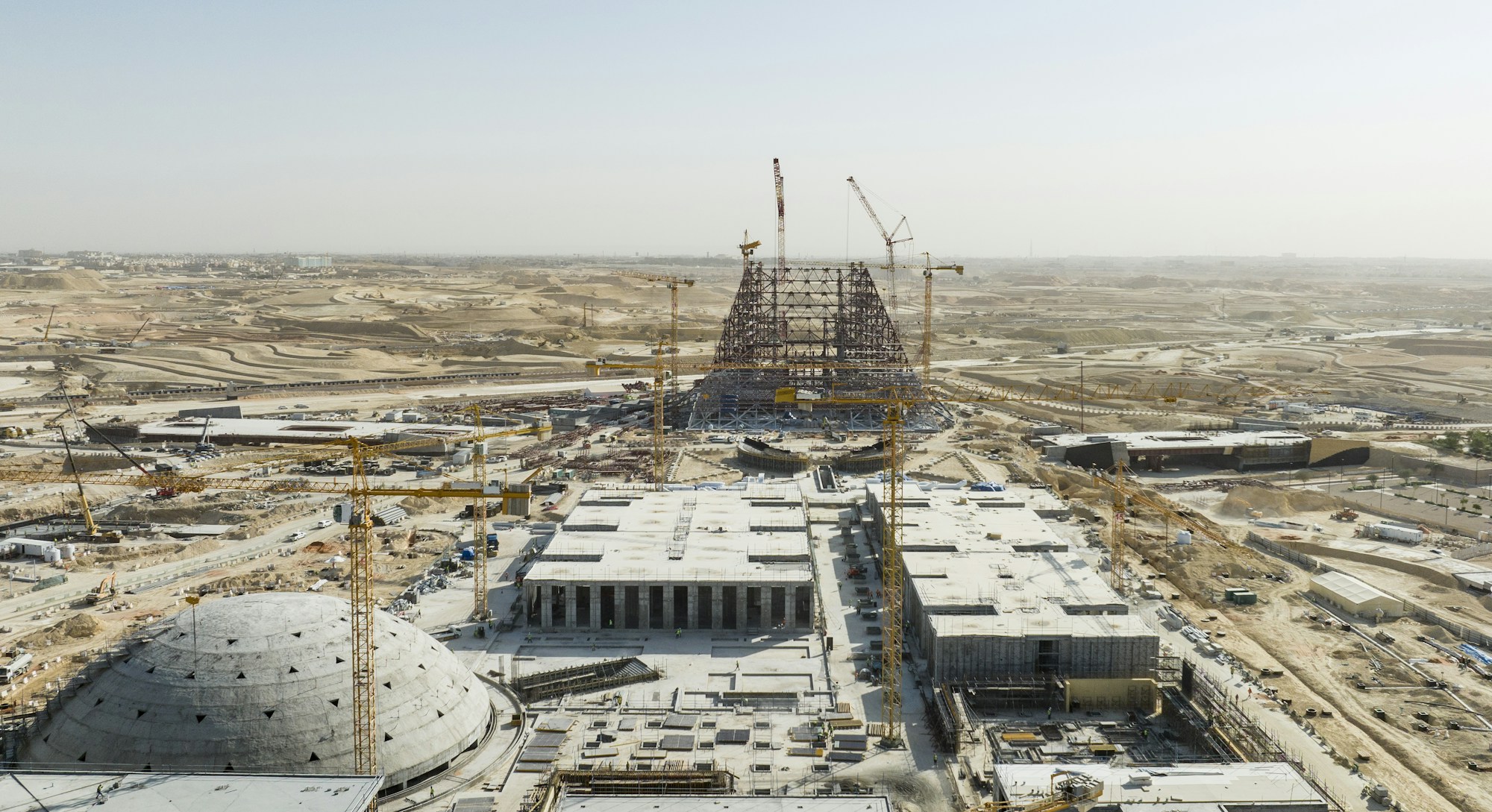
Riyadh, Al-Khobar, Jeddah — Nitaqat 2.0
Saudization (the Nitaqat program) is one of the most consequential policy frameworks of Vision 2030. It mandates that private sector employers hire Saudi nationals at prescribed ratios, fundamentally reshaping a labor market that historically relied on expatriates across virtually all sectors. By 2025–2026, hospitals must reach 65% nationals, community pharmacies 35%, according to Centuro Global.
Researchers conclude that Nitaqat policies impose new competitive pressures, costs and risks on expatriate workers without fundamentally challenging the Saudi economy’s dependence on non-national labor, according to a 2025 academic study.
Most exposed sectors
- Retail, banking, healthcare: reinforced quotas
- Specialist doctors and senior engineers: growing pressure
- IT and finance: demand maintained for highly qualified profiles
- NEOM and Red Sea Project: partial exemptions for foreigners
2. UAE: the Emiratization laboratory
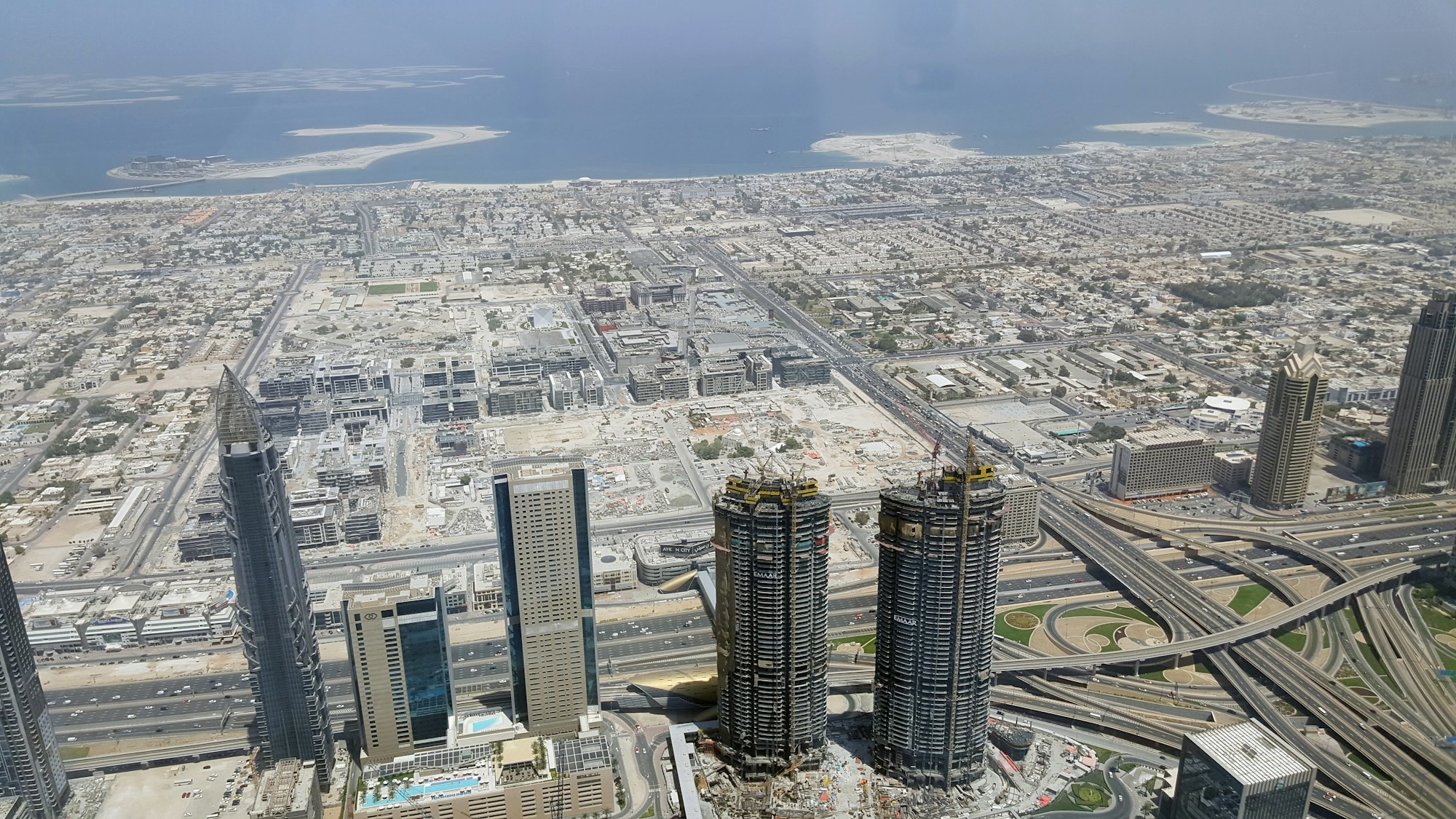
Dubai, Abu Dhabi, Sharjah — Free zones as a refuge
Emiratization requires mainland private companies to meet national quotas. However, one sanctuary remains: free zones (DIFC, ADGM) are currently largely exempt, according to Altios. This distinction is crucial for expatriates seeking to remain in the UAE. In June 2025, the EU removed the UAE from the FATF grey list, boosting investor confidence. For context on how neighboring Gulf economies are weathering the same instability, see our analysis of Abu Dhabi and Qatar’s 2026 luxury boom amid regional instability.
Strategies to maintain your position
- Register in a free zone (DIFC, ADGM, DMCC)
- Target still-open sectors: tech, international finance, healthcare
- Leverage international trade shows (GITEX, ADIPEC) for networking
- Golden visa for investors (threshold: 2M AED)
3. Oman: the last bastion of relative stability
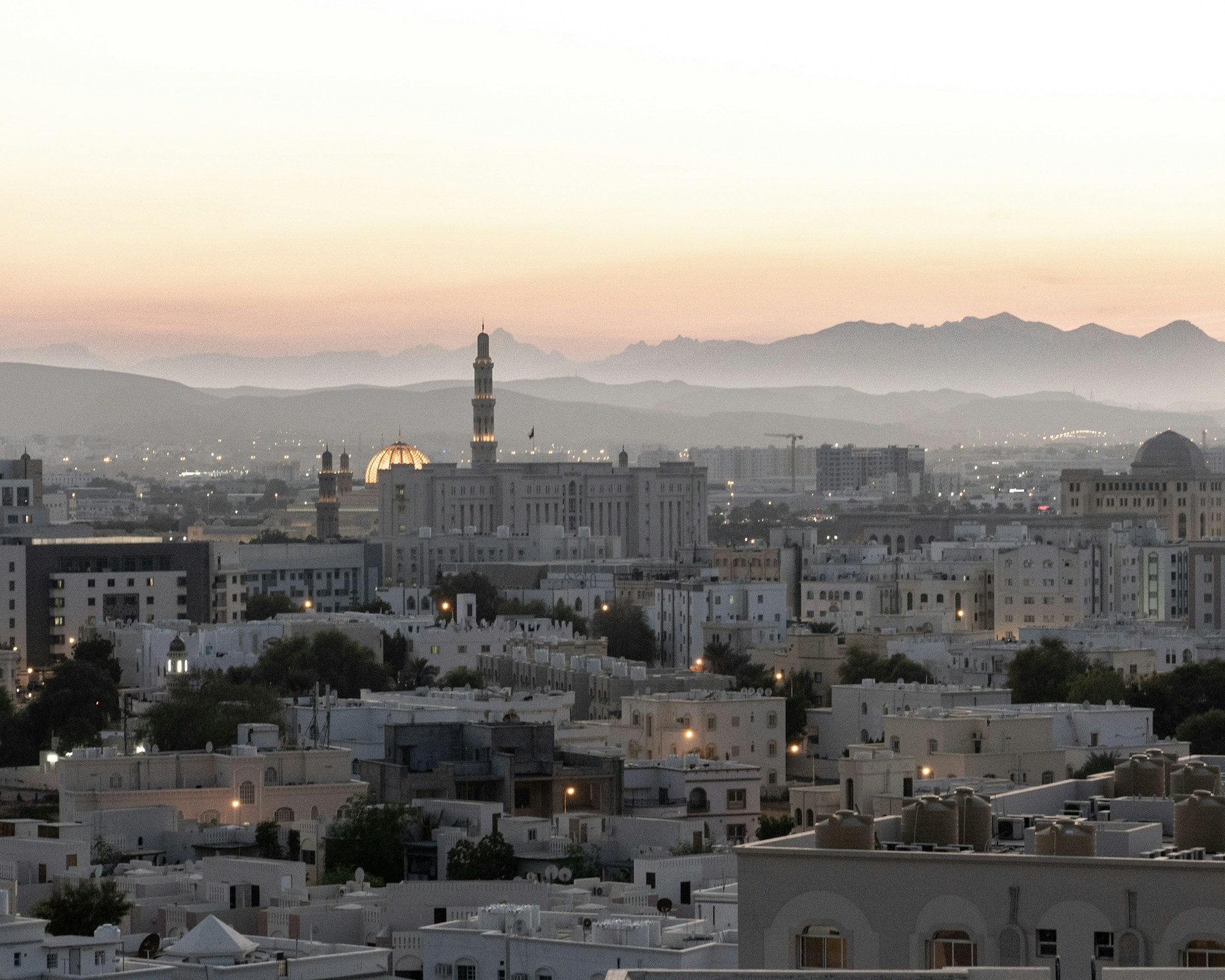
Muscat, Sohar, Salalah — The spared mediator
In a Gulf struck by Iranian missiles, Oman distinguished itself through its neutral mediator role, relatively spared from direct conflict fallout. Oman is the most affordable tax-free country for expats in 2024, with a relocation score of 7.92, according to Euronews. For a couple, the cost of living in Muscat ranges from $1,800 to $3,000 per month.
Expat advantages in 2026
- 10-year renewable golden visa (threshold: OMR 200,000)
- Duqm Economic Zone: considerable Omanization exemptions
- Mediator role: less exposed to direct military fallout
- Lowest cost of living in the Gulf, with no income tax
4. Tbilisi, Georgia: the unexpected refuge for ex-Gulf workers
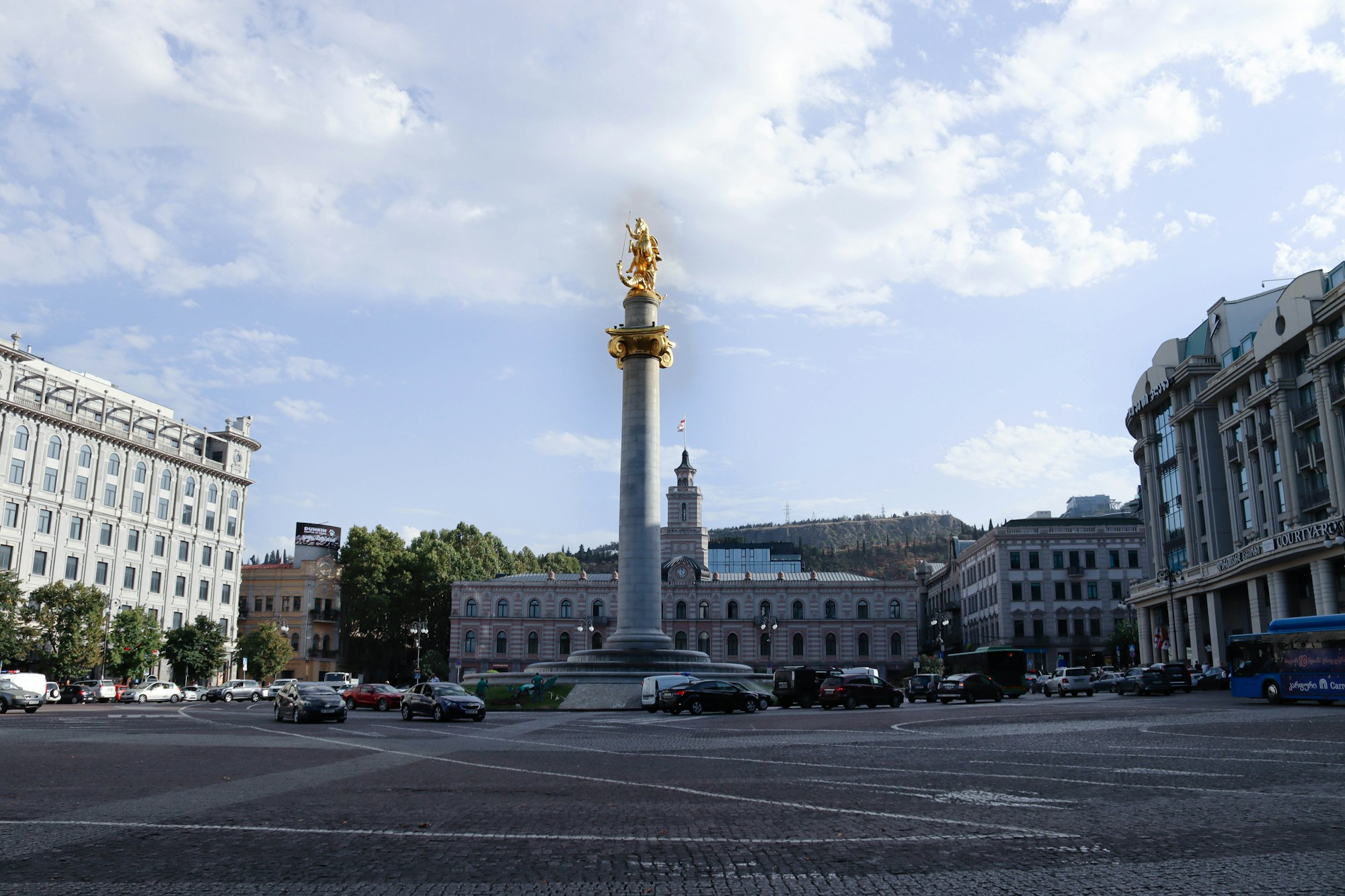
South Caucasus — The Europe-Asia crossroads for $1,500/month
Tbilisi has become one of the major surprise destinations for ex-Gulf relocators. Georgia has an extremely generous visa-exemption policy allowing over 95 nationalities to enter without a visa and stay for up to a year — including to work or study without a special permit, according to Expat.com. On a budget of $1,500 to $1,900 per month, a single person can live comfortably in a nice neighborhood, go out regularly and enjoy everything the capital has to offer.
Former Gulf expats with experience in the oil and gas or construction sector are finding growing demand in Azerbaijani pipeline projects and new Georgian infrastructure. Georgia also serves as a base to cover Central Asian markets.
Why Georgia attracts ex-Gulf workers
- Visa-free 1 year for most nationalities
- Among the most business-friendly tax systems in the region
- Cost of living 3–4× lower than Dubai at comparable quality of life
- Banking, company registration, car, real estate: easily accessible for foreigners
5. Kuala Lumpur and Johor Bahru, Malaysia: the Asian Islamic hub
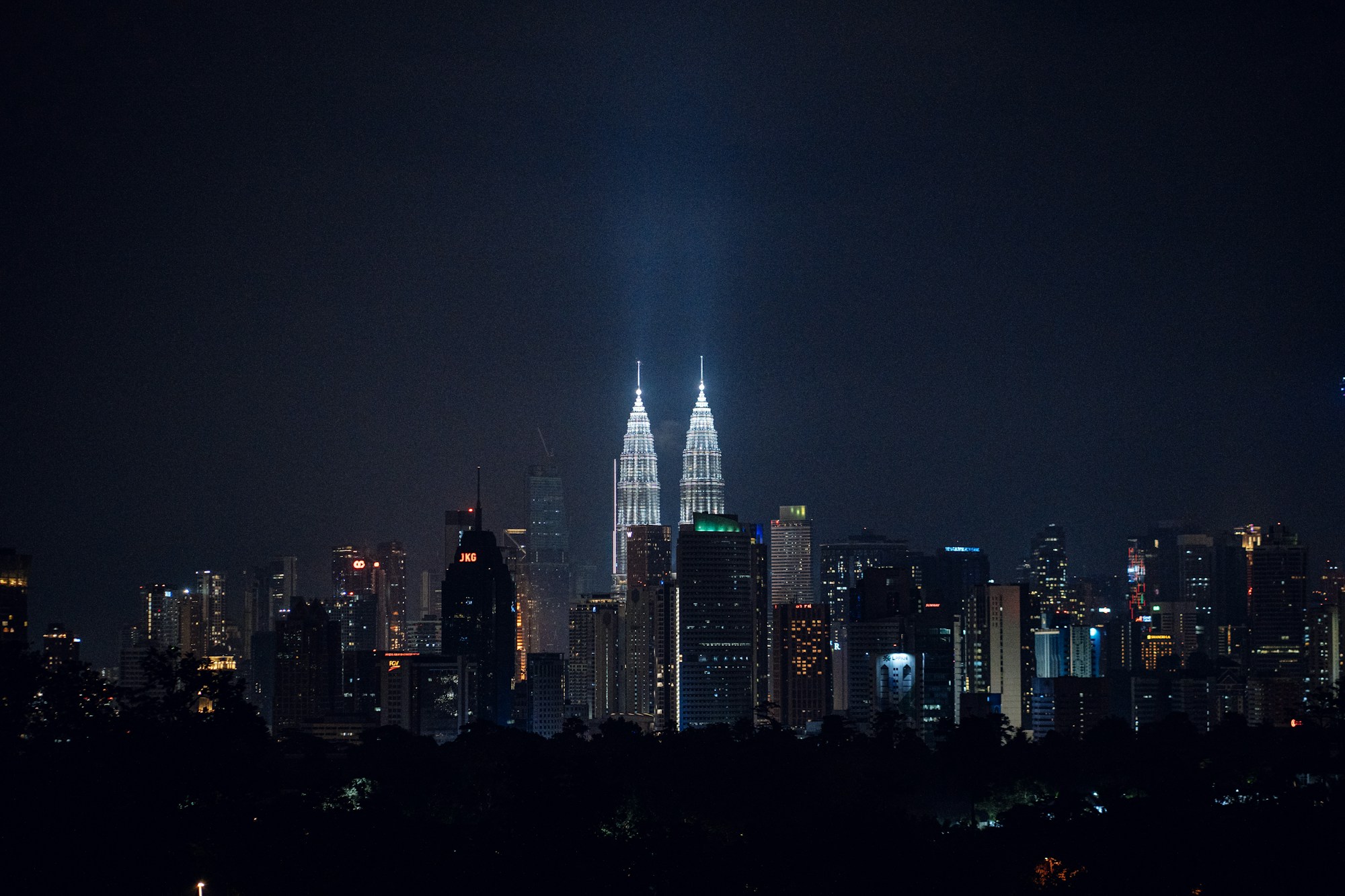
Malaysian Peninsula — Muslim environment with Western standards
While Johor Bahru attracts families (just 1km from Singapore), Kuala Lumpur is the natural choice for Gulf expat managers and executives seeking a Muslim environment with Western standards. Malaysia is consistently rated one of Southeast Asia’s best expat destinations. On a monthly budget of $1,000–$1,500, a single professional can enjoy a modern, relaxed lifestyle, according to Living in Southeast Asia.
Malaysia’s key assets for ex-Gulf workers
- MM2H program 2024: Silver (10yr), Gold (15yr), Platinum (20yr)
- DE Rantau visa for tech digital nomads
- International Islamic universities (IIUM) for Arabic-speaking families
- JB/Singapore: access to Singapore’s economy at Malaysian cost of living
6. Kigali, Rwanda: the Africa that surprises
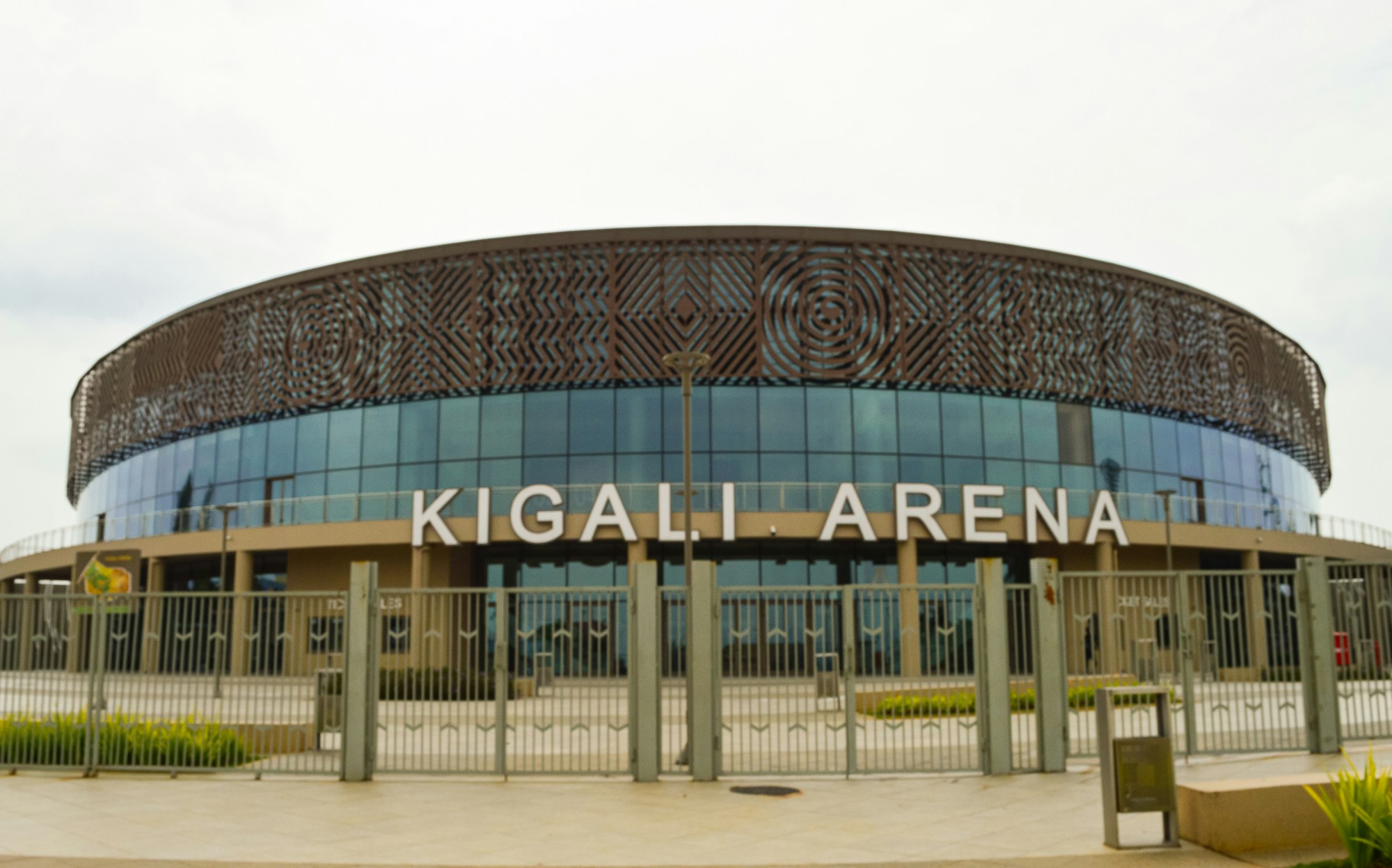
East Africa — The Pan-African hub at 20–27°C year-round
Kigali is the African surprise for Gulf expats seeking a career pivot. Rwanda is the only African country to have attracted a Carnegie Mellon University campus and an African Leadership University branch, creating an English-language intellectual ecosystem unique in Francophone sub-Saharan Africa. Energy engineers and managers from Gulf oil companies find enormous demand in East African solar and hydroelectric projects financed by the World Bank and AfDB.
Opportunities for ex-Gulf professionals
- Energy: strong demand for solar and hydroelectric engineers
- NGOs and international organizations: competitive expat salaries
- Tech: booming startup ecosystem (Klab, Carnegie Mellon Africa)
- Security: Rwanda among the safest countries in Sub-Saharan Africa
7. Lisbon and Porto, Portugal: affordable Europe

Southwestern Europe — The Schengen gateway with sunshine
For Western expats (French, Belgian, British, German) leaving the Gulf, Portugal represents the ideal transition: European quality of life, Mediterranean sun and a still-competitive cost of living compared to London or Paris. It’s also the gateway to the Schengen area — a decisive asset for those wishing to maintain European mobility after years in the GCC.
Portugal has accepted Golden Visa applications via investment funds (€500,000) since 2024, bypassing the ban on residential real estate purchases. The D8 « Digital Nomad » visa is ideal for Gulf freelancers and consultants. Former NEOM or Red Sea Development Company managers are particularly sought after in Portuguese coastal rehabilitation projects.
Portugal’s advantages for ex-Gulf expats
- D7 (passive income) or D8 (digital nomad) visa: simplified access
- Golden Visa via investment funds (€500,000): residence then citizenship
- Established Francophone, Lebanese and Egyptian expat community in Lisbon
- Porto slightly cheaper than Lisbon, with strong IT demand
8. Quick comparison: which relocation destination fits your profile?
Four alternatives, four different profiles
There’s no single best answer — the right relocation destination depends on your budget, family situation, professional sector and appetite for a new cultural context. Here’s how the four alternatives covered above compare at a glance:
| Destination | Monthly budget | Visa / residency | Best for |
|---|---|---|---|
| Tbilisi, Georgia | $1,500–$1,900 (single) | Visa-free up to 1 year (95 nationalities) | Freelancers, oil/gas profiles pivoting to Azerbaijani pipeline projects |
| Kuala Lumpur, Malaysia | $1,000–$2,000 (single) | MM2H (10–20yr) or DE Rantau (digital nomads) | Muslim families, tech and finance executives |
| Kigali, Rwanda | $1,500–$2,500 (couple) | Visa on arrival for most nationalities | Energy engineers, NGO and international staff |
| Lisbon / Porto, Portugal | €2,000–€3,500 (couple) | D7/D8 visa or Golden Visa (€500,000) | Western expats seeking EU/Schengen mobility |
9. Emergency corridors: what to do during a military crisis?
Crisis planning — 2026 geopolitical realities
The 2025–2026 military escalation exposed the limits of Gulf economy resilience. A critical but often overlooked fact: due to the temporary status of non-national workers, Gulf governments can reduce their expatriate workforce without any legal obligation to provide social protection, according to the Baker Institute.
Recommended corridors by nationality
- French/Belgians/Moroccans: Dubai → Lisbon or Dubai → Paris via Doha or Abu Dhabi
- UK/US/Australian: organized evacuations via Muscat (Oman still operational)
- Indian nationals: India has established a special operations room for 9M+ Indians in the GCC
- For everyone: Keep 3 months of expenses in cash in an account outside the Gulf
Practical info for expats on the move
Global coverage for expats in transition. Perfect for the periods between two contracts. 10% off via our link.
From $56 / 4 weeksStay connected in 190+ countries during your relocation. Instant activation, no SIM swap needed.
From €4.50Frequently asked questions about the Gulf expat employment crisis
What is Saudization (Nitaqat) in practice?
Saudization (the Nitaqat program) is the central framework of Vision 2030 that mandates private sector employers to hire Saudi nationals at prescribed ratios. In practice, companies are classified into four zones (Platinum, Green, Yellow, Red) based on their Saudization rate, with escalating penalties for poor performers. The program addresses a structural challenge: aligning the aspirations of a young, fast-growing Saudi population with employment opportunities in a private sector that long preferred cheaper foreign labor, according to Vision 2030. In an update published in April 2026, the same source notes the policy trajectory continues to tighten across sectors, moving beyond simple headcount quotas toward qualitative performance measures — a sign the program is entering a more sophisticated enforcement phase rather than winding down.
Which sectors are most threatened for expats in 2026?
The most exposed sectors are retail, banking, healthcare (hospitals must reach 65% nationals in Saudi Arabia), pharmacies and tourism. In Oman, systems analysts, programmers and web designers are specifically targeted for 2025–2027. However, highly qualified IT, international finance and energy profiles maintain residual demand, especially in mega-projects (NEOM, Red Sea Project) and UAE free zones.
Will nationalization policies really drive all expats out of the Gulf?
No — but the role of expatriates will change radically. Despite crises and nationalist policies, in the foreseeable future Gulf economies will remain just as dependent on foreign workers as they have been for the past fifty years, according to INSS. The demand is shifting: GCC states are prioritizing highly skilled migration in sectors like technology, finance and healthcare, while limiting growth in low-skilled flows.
How can I protect my savings as a Gulf expat facing departure?
Key points: (1) Open an international bank account outside the Gulf now (HSBC International, CIB, Wise). (2) Diversify currencies: don’t stay 100% in dirhams or riyals. (3) Know your End of Service Gratuity (EOSG) rights — these can represent several months’ salary depending on years of service. (4) Maintain 3 months of expenses in cash in an external account. (5) Take out repatriation insurance, essential in the current geopolitical situation.
Is the kafala system being reformed?
It’s an important but insufficient evolution. The kafala system is a major drag on the Gulf’s economic potential and perpetuates human rights violations against millions of workers, according to the Wilson Center. The most advanced change comes from Qatar, the only Middle Eastern country to guarantee a non-discriminatory minimum wage for all workers, including domestic employees.
Sources
- Baker Institute — Workforce Transitions in Gulf Economies Amid Global Energy Shifts
- OMFIF — The Gulf’s Resilience Faces a New Geopolitical Test (March 2026)
- Altios — Emiratization in the UAE
- Wilson Center — Changing the Tide: Gulf’s Migrant Workers
- Expat.com — Complete Guide to Georgia for Expats
- Northman & Sterling — Impact of Saudization on Global Talent Mobility 2025
Research conducted on March 25, 2026, reviewed and expanded in July 2026. Sources cross-referenced from 102 references.
Plan your next step
Are you considering leaving the Gulf or exploring new destinations? Discover Pixidia’s itineraries and practical guides to organize your transition with peace of mind.
Explore all itineraries