
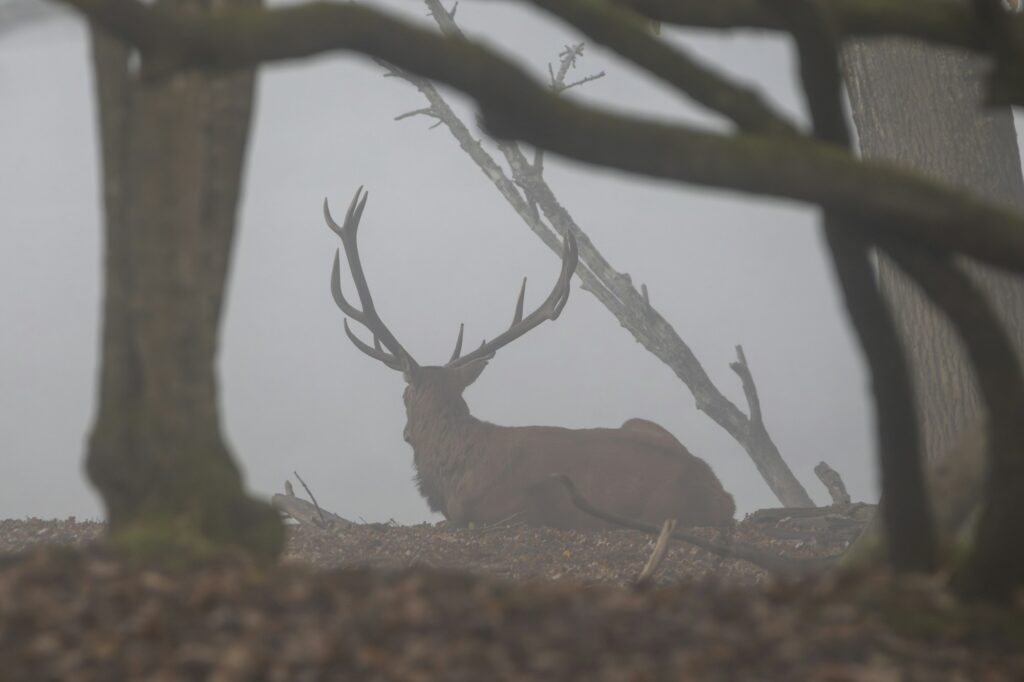
The deer rut is generally audible from mid-September to mid-October in France, Spain and Germany, peaking in late September or early October. There’s no fixed date: falling daylight triggers the rut, and weather only shapes how loud and how long the stags bellow. Château de Chambord (France) and Parque Nacional de Cabañeros (Spain) are among the easiest sites to reach. Budget €10 to €60 for a guided outing, and book several weeks ahead.
A deep, rasping roar cuts through the dark, unsettling the first time you hear it. If you’ve caught the rut at Richmond Park or in the Scottish Highlands, you already know the sound. Every autumn, stags across Europe compete for hinds the same way, and on the continent it has grown into a proper travel season: France, Spain and Germany each do it very differently, from a €10 forest ranger walk to a Spanish 4×4 safari to Germany’s strictly booked ranger outings. Here’s where and how to hear it in 2026, without disturbing the animals or falling for the tourist traps.
France: the Chambord estate and ONF forest walks
France runs two quite distinct models. On one side, the state-owned forests managed by the Office National des Forêts (ONF), France’s national forestry service, run cheap, ranger-led night walks, often for €10 to €15. On the other, private wildlife parks combine a semi-enclosed reserve with a more upmarket experience, with packages running into several hundred euros.
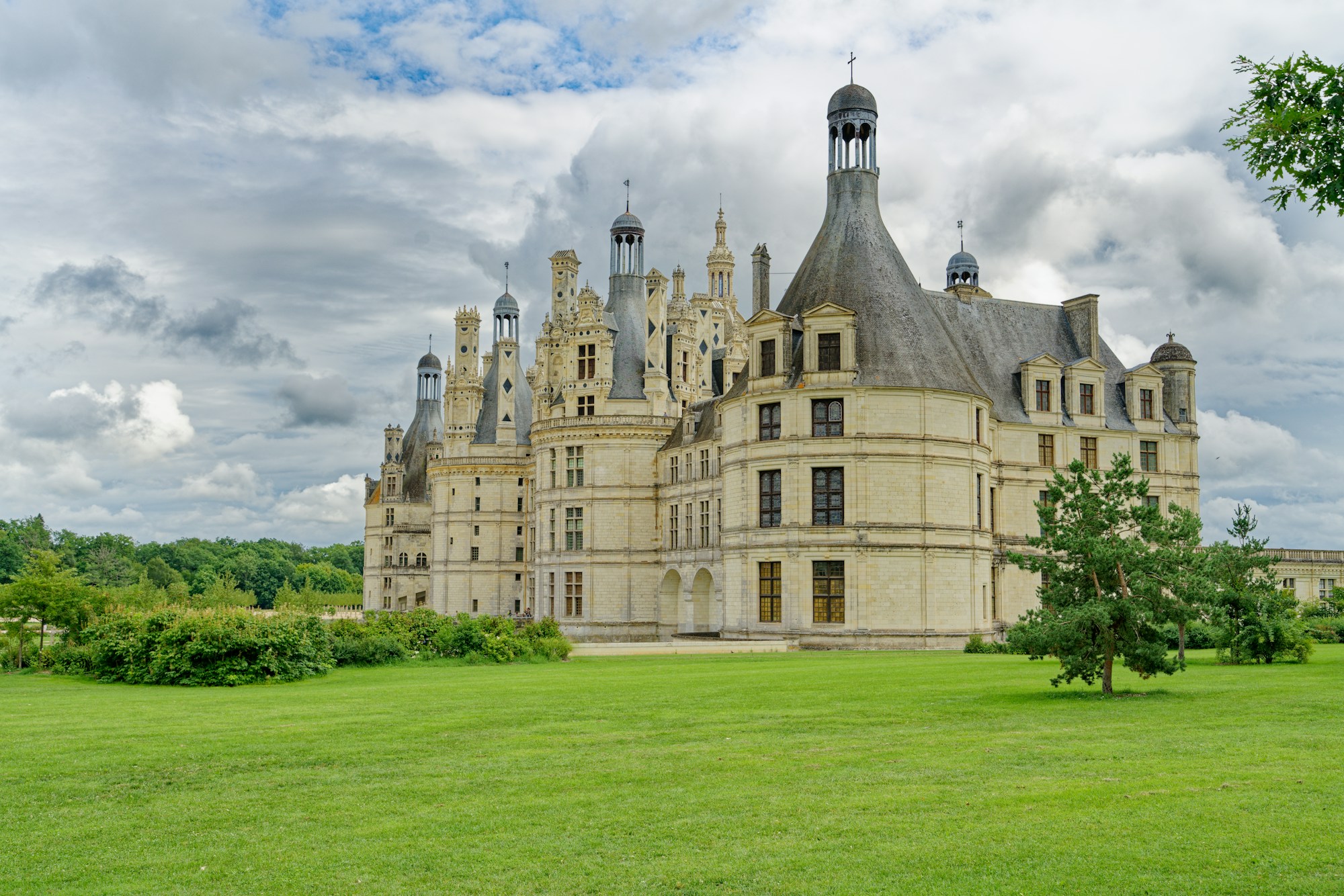
Château de Chambord (Loir-et-Cher) remains the benchmark: its walled, 5,438-hectare estate, the largest in Europe, is home to between 700 and 900 deer. Two packages are on offer for the 2026 season, according to Chambord.org: « L’Écoute du brame » (groups of up to 16 people, around two hours, €45 on weekdays and €60 at weekends) and « Au cœur du brame », a private hide for four people at €250 for the group. Five observation posts remain free and open access, and bookings, by phone or email only, have been open since 1 June 2026. If your Loire Valley stay runs into the weekend, VitiLoire in Tours adds a wine-tasting note to the trip.
At Espace Rambouillet (Yvelines), four options run from 5 September to 4 October 2026, from an early self-guided morning visit at €27.50 to a full forest dinner at €56.50. Parc animalier de Sainte-Croix, in Moselle, runs immersive evenings at €49 from 18 September to 16 October. On a tighter budget, plenty of state forests run ONF-guided outings for €10-15, including at Compiègne, Saint-Gobain (Aisne) and Les Andaines (Orne).
Highlights
- A dense network of state forests, open access, no booking needed (sightings not guaranteed)
- Five free, open-access observation posts on the Chambord estate
- ONF-guided outings from €10 in more than a dozen forests
The estate is also worth seeing by day, before you come back at dusk for the sound-hunt: here’s a day trip that combines Chambord with the Château de Chenonceau, a way to stretch the visit beyond just the rut evening.
Spain: the berrea, mass tourism under strain
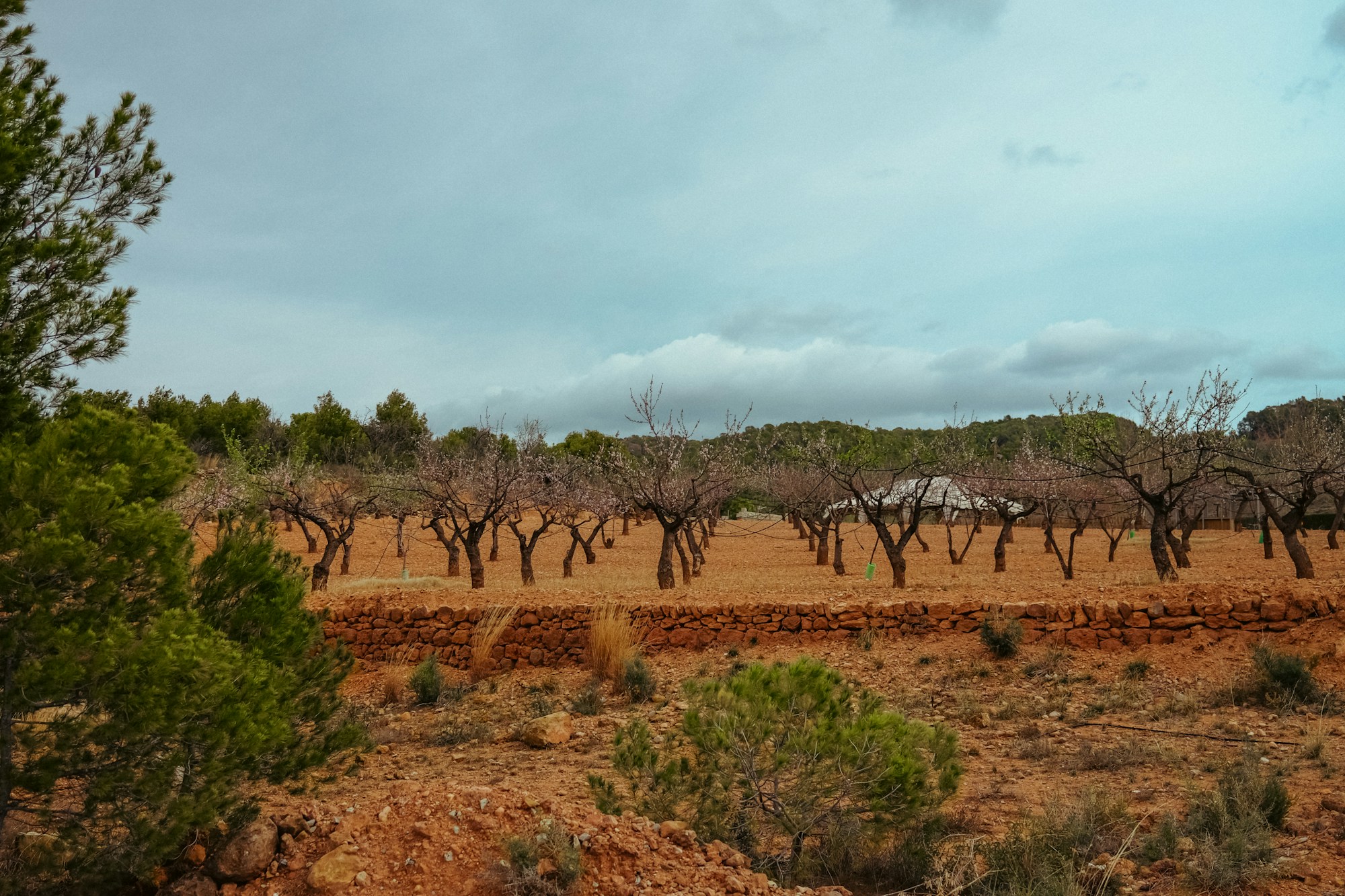
In some ranges, Spain’s deer densities run markedly higher than France’s, and the tourism side is far more commercial: dozens of private operators run 4×4 circuits, photo hides and night drives built around the berrea, the local name for the rut.
Parque Nacional de Cabañeros (Ciudad Real/Toledo), 390 km² of Spain’s best-preserved Mediterranean forest, draws more than 20,000 visitors during the season on its own, according to Aprendizaje Viajero, with up to 90% of the park’s 3,000 deer gathering on the wide clearing of the raña. Entry costs €29 per adult, and a three-hour guided 4×4 route starts at €27.
Another giant, Parque Nacional de Monfragüe (Cáceres), a UNESCO biosphere reserve since 2003, is at the centre of a very recent controversy. On 18 August 2026, conservation group FONDENEX reported what it called « mass tourist safaris » to the regional Directorate-General for Hunting and the Environment, run by an alliance of five companies between 18 September and 12 October 2026, according to COPE Extremadura. The companies involved replied on 24 August that this was, on the contrary, a regulation measure meant to prevent overexploitation, by steering visitors in small groups towards less-visited areas. The debate remains unresolved.
Other well-known sites: Sierra de Cazorla (Jaén), which combines the stags’ berrea with the fallow deer’s ronca in the same season; Sierra de Andújar, also home to the Iberian lynx; and Cadí-Moixeró in Catalonia, where two free observation points are run by environmental educators, binoculars included. Spain’s new high-speed rail lines have cut the journey from Madrid considerably: our guide to the 2026 AVE lines covers the best connections to Ciudad Real or Cáceres.
Highlights
- Cadí-Moixeró (Catalonia): free observation with educators and binoculars included
- Sierra de Cazorla: two shows in the same season, the stags’ berrea and the fallow deer’s ronca
- Booking essential at Cabañeros, which sees more than 20,000 visitors during the season
Germany: the Hirschbrunft, ranger-led
Germany has between 200,000 and 240,000 red deer, confined to around 140 management districts (Rotwildbezirke) that cover only a quarter of the country, according to rothirsch.org. As a sign of the interest in the species, conservation group NABU named the Rothirsch (red deer) « Wildtier des Jahres 2026 », Germany’s wild animal of the year.
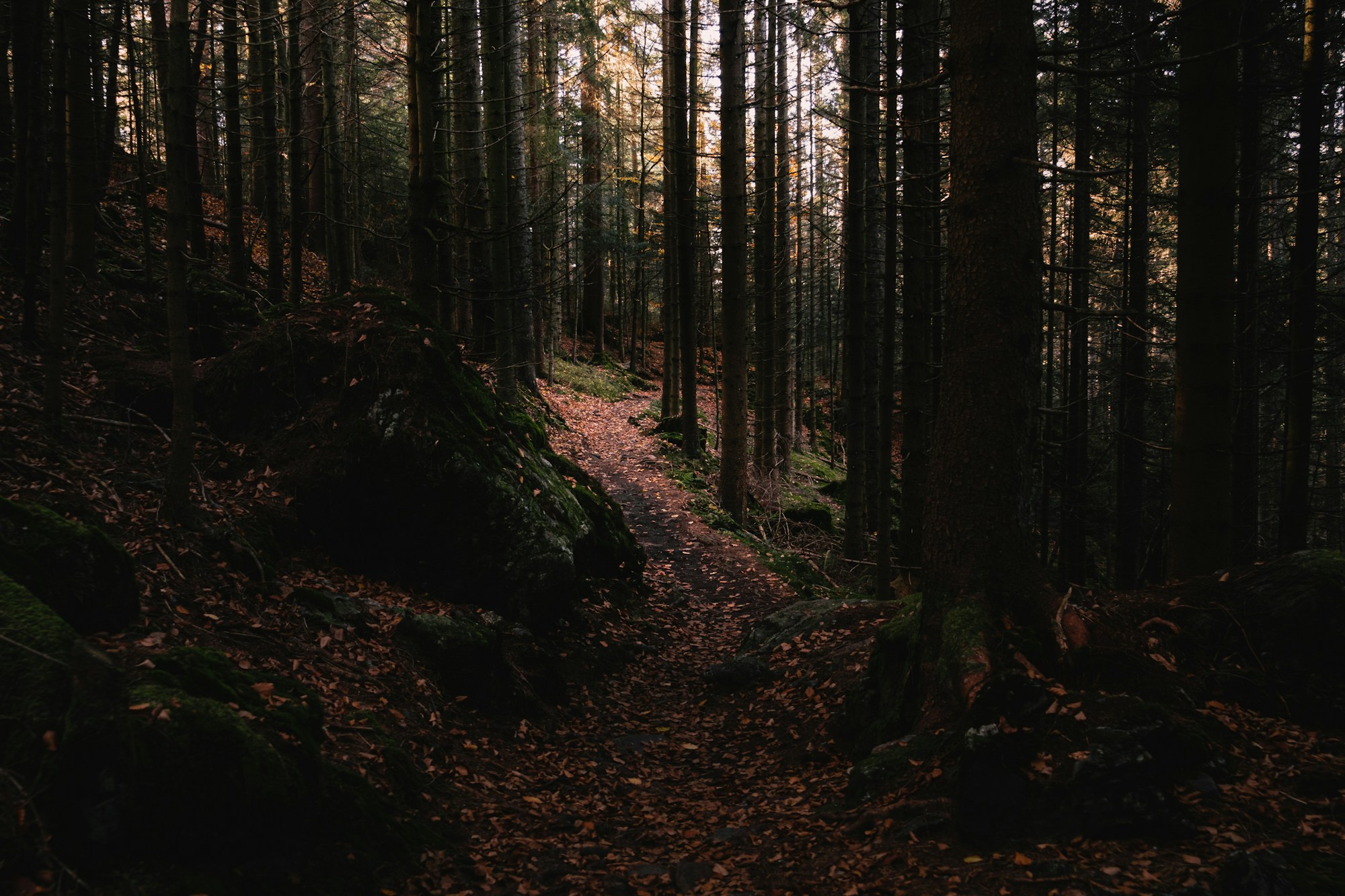
Germany runs the most tightly managed of the three models: outings by registration only, with trails formally closed rather than simply flagged as best avoided. Nationalpark Bayerischer Wald, in Bavaria, offers free 4-hour outings booked by phone (17 September and 1 October 2026 confirmed), plus a multi-day package with accommodation for €98-128 per person. Nationalpark Harz runs eleven free slots between 15 and 25 September 2026, on a route rated difficult.
The Reinhardswald (Hesse), the state’s largest continuous forest, is home to Tierpark Sababurg, Europe’s oldest zoo park, founded in 1571 and known as the Brothers Grimm’s Sleeping Beauty castle. Its « Hirschbrunft » outings cost €20 per adult. For reaching remote sites like the Reinhardswald or Cabañeros, an electric car road trip remains the most flexible option, provided you plan charging stops in rural areas.
A unique case, documented by the park itself: at Nationalpark Vorpommersche Boddenlandschaft, on the Darß peninsula, the deer show daytime behaviour unusual for Germany, crossing the open Buchhorster Maase clearing in broad daylight. The clearing is closed to visitors from 1 September to 31 October to limit disturbance.
Highlights
- Nationalpark Bayerischer Wald and Harz: free, ranger-led outings
- Vorpommersche Boddenlandschaft: deer come out in broad daylight, a one-off in Germany
- Tierpark Sababurg: a historic setting (1571) at the heart of the Reinhardswald
Understanding the rut: it’s daylight, not the weather
Contrary to a widespread belief, including on some specialist sites, weather doesn’t trigger the rut. The real signal is photoperiod: the gradually shortening days of late summer act on the deer’s hormonal system, boosting testosterone production in males and preparing ovulation in females, according to La Salamandre. In central Europe, the red deer rut begins in early September and lasts five to six weeks, notes Wild und Hund.
Weather, meanwhile, shapes the intensity and audibility of the phenomenon: two distinct mechanisms, often confused with one another. Cool, calm, damp nights carry the sound further; heat, strong wind or prolonged drought dampen it, or even delay it. This quiet, sensory approach to the forest isn’t unique to the rut, either: it echoes the logic of forest bathing (shinrin-yoku), popularised in Japan.
The call itself is impressive: its frequency spans from 50 to over 4,000 Hz, reaching around 100 decibels, roughly the noise level of a pneumatic drill a few metres away, according to an acoustic analysis published in the Italian Journal of Animal Science. Dominant males lose up to 20% of their starting body weight during this period, a physiological cost that explains how vulnerable they become to the slightest human disturbance.
Another myth worth qualifying: the full moon has no biological effect on triggering the rut, but several parks, the Cévennes among them, recommend it in practice, since it lets you move through the woods without a head torch. A real comfort for watching, not a cause.
Climate change is scrambling the calendar, but not in the same direction
Warming affects the rut differently depending on geography, a point that a lot of content wrongly flattens into a single storyline. In Scotland, on the Isle of Rum, the start of the males’ rut has moved 12 days earlier over 28 years, and females now enter oestrus around 7 days earlier than before, according to the University of Edinburgh‘s research programme there: warmer summers put animals into better physical condition earlier in the season.
In Mediterranean Spain, it’s the opposite. A 25-year study published in PLOS ONE at the Doñana reserve shows that falling autumn rainfall delays the rut and reduces its intensity, measured by how often males call: less food available during dry spells translates into poorer physical condition and reduced breeding capacity.
Cabañeros is a concrete illustration of this second scenario. Since the 1980s, summer there has lengthened by nearly a month, with more heatwaves and less autumn rain. The direct consequence: the rut can now stretch out to two months, against one month before, and some hinds can no longer sync their fertility with the males’ peak activity, according to El Diario. The park, where the deer population has meanwhile thrived in the absence of a natural predator since the wolf disappeared, is looking at controversial fixes: reintroducing the wolf, or exporting live deer abroad, already under way.
One climate phenomenon, two different directions depending on latitude and rainfall patterns, and just as tied to daylight as the peak of Japan’s autumn colours, where the koyo season also shifts from year to year: one more reason never to fix an exact date, wherever in Europe you’re watching the rut in 2026.
Good habits: don’t disturb the deer (or put yourself at risk)
All three countries broadly share the same common-sense rules, summed up by Parc national des Cévennes in its ten official tips: keep your distance, never seek contact, favour full-moon nights over a head torch, stick to permitted trails, and check on any hunting under way, since the hunting season overlaps with the rut.
- A safe distance of at least 50 metres, a benchmark set by Britain’s Royal Parks
- No torches, flash photography or car headlights: an offence carrying a €135 fine in France
- Dark, quiet clothing, no perfume or deodorant
- Dogs banned, even on a lead, at most sites
- A stag in rut can weigh over 150kg and turn aggressive: never approach
The subject also stirs local tension, of different kinds in each country. In France, some hunting federations complain about walkers disturbing rutting grounds, while groups like ASPAS or One Voice are calling for a halt to deer hunting during this period. In Spain, it’s conservation groups pointing the finger at tour operators, as the Monfragüe controversy shows. In both cases, the common thread is the same: a hind’s fertility window lasts only 24 hours, and badly-timed disturbance can cost her a pregnancy.
Practical info for planning your trip
Stay connected to book a last-minute spot, find your way on the trails and check the local weather, whether you’re in France, Spain or Germany.
From €4.50 for 1GBA night walk through forest terrain that can get rough (Harz, Cabañeros) is a good reason for cover that includes outdoor activities and repatriation, wherever in Europe you’re headed.
From $56 / 4 weeksFrequently asked questions
When exactly does the deer rut start in 2026?
There’s no fixed date: the general window runs from mid-September to mid-October 2026 across all three countries, usually peaking in late September or early October. The exact date depends on local weather and altitude, and a very hot summer can bring the start of the rut forward, according to the ONF.
Do you need to book an outing in advance?
Yes, strongly recommended everywhere and essential in Spain, where Cabañeros gets more than 20,000 visitors during the season, according to Aprendizaje Viajero. Germany’s free outings fill up just as fast: several 2026 dates were already fully booked by late August.
Can you hear the rut without a paid, organised outing?
Yes. In France, plenty of state-forest trails stay open access, with no guarantee you’ll hear anything. In Spain, the two observation points at Cadí-Moixeró, in Catalonia, are free and staffed by environmental educators who provide binoculars.
Is the rut dangerous for visitors?
A stag in rut can weigh several hundred kilos and turn aggressive, especially in semi-enclosed parks where the animals aren’t wary of people. The basic rule, a distance of at least 50 metres according to the Royal Parks in Britain, applies as common sense everywhere. Road accidents involving deer also rise during this period.
What’s the difference between the stag’s berrea and the fallow deer’s ronca in Spain?
They’re two different species. The red deer’s rut call is a powerful roar, around 100 decibels, audible from several kilometres away. The fallow deer’s ronca, which follows in October, is shorter and huskier, closer to a grunt. Sierra de Cazorla is one of the few sites offering both shows in the same season.
Should you bring binoculars?
Mostly useful in Spain, where watching happens more by day or at dusk, in open landscapes like the dehesa or the raña. In France, the experience stays mostly nocturnal and auditory: standard binoculars aren’t much use there.
Can you take photos with flash?
No, it’s banned in all three countries. It disturbs the animals and counts as an offence in several regulated areas, with a €135 fine in France for using a light source to spot an animal.
Is there a controversy over rut tourism in 2026?
Yes, notably at Parque Nacional de Monfragüe, in Spain, where conservation group FONDENEX has, since 18 August 2026, been calling out mass tourist safaris run by five companies over 18 September to 12 October, according to COPE Extremadura. The debate remains unresolved.
- ONF: official safety guidelines for watching the rut in state-owned forest
- Château de Chambord: 2026 dates, packages and prices
- Espace Rambouillet: programme of rut-watching outings
- Parc animalier de Sainte-Croix: rut evenings and mornings
- Parc national des Cévennes: ten official tips for watching
- COPE Extremadura: the tourist-safari controversy at Monfragüe (18/08/2026)
- Aprendizaje Viajero: practical guide to Cabañeros, 2026 dates and prices
- Nationalpark Bayerischer Wald: free ranger-led outings
- Harzinfo: Nationalpark Harz’s Hirschbrunft programme
- Nationalpark Vorpommersche Boddenlandschaft: official Hirschbrunft FAQ
- La Salamandre: the biology of the rut, frequently asked questions
- PLOS ONE: 25-year study on rainfall and Iberian deer behaviour (Doñana)
- Isle of Rum Red Deer Project, University of Edinburgh: the effect of climate change on the rut
- Discover Wildlife / BBC Wildlife: safety recommendations from Britain’s Royal Parks
Research conducted on 25 August 2026.

Plan your trip with Pixidia
Pixidia learns how you travel and helps you build a trip that truly fits you and everyone coming along.
Open the planner