
Commercial partnership. This article contains affiliate links. If you book through these links, Pixidia earns a small commission at no extra cost to you. Learn more
Gion Matsuri 2027 peaks in Kyoto on Saturdays 17 and 24 July, with two free street-side float processions. These are the traditional dates, to be rechecked with Kyoto City because the 2027 programme has not been published. No Viator experience sells a view of the floats, so I suggest twelve experiences to book around them, rated from 4.84 to 4.98 out of 5, with slots open from 14 to 24 July 2027. Start with the guided walk through Gion.
I see Gion Matsuri 2027 as a calendar more than a single show. All July, Kyoto lives to the rhythm of the festival, but the high point comes down to two Saturdays, 17 and 24 July 2027, when the floats parade through the centre. These are the traditional dates: the official 2027 programme is not published yet, so recheck them with Kyoto City before you lock in a flight.
A point of honesty before we start: the procession is free and watched from the pavement. None of the experiences below sells a view of the floats, and I will not promise you one. What I offer is to book around it: mornings before the crowds, yoiyama evenings, quiet days, and the hottest hours spent indoors. I have picked twelve experiences rated between 4.84 and 4.98 out of 5, with slots open from 14 to 24 July 2027 at the time of writing. All of them are guided in English.
If you only keep one, I would start with the two-hour walk through Gion: it is the most accessible, and it teaches you how to behave in the district before the festival fills it. The rest of the selection is grouped by use, with my tips for organising your days.
Why Gion Matsuri: the Pixidia angle
The festival began in 869. An epidemic struck Kyoto, the emperor ordered prayers at Yasaka Shrine and 66 halberds were raised, one for each province of the time (Kyoto Travel, Wikipedia). The rite became annual around 970, and the festival has been on UNESCO’s list of the Intangible Cultural Heritage of Humanity since 2009. It is counted as one of Japan’s three great festivals, alongside Tokyo’s Kanda Matsuri and Osaka’s Tenjin Matsuri, and it is probably the most famous of the three.
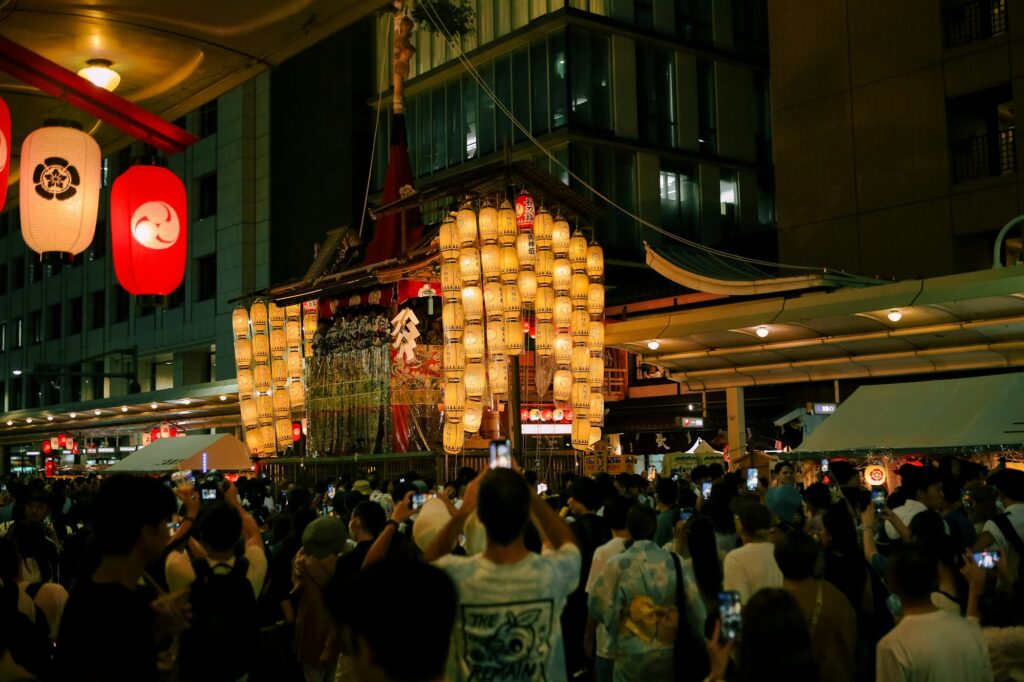
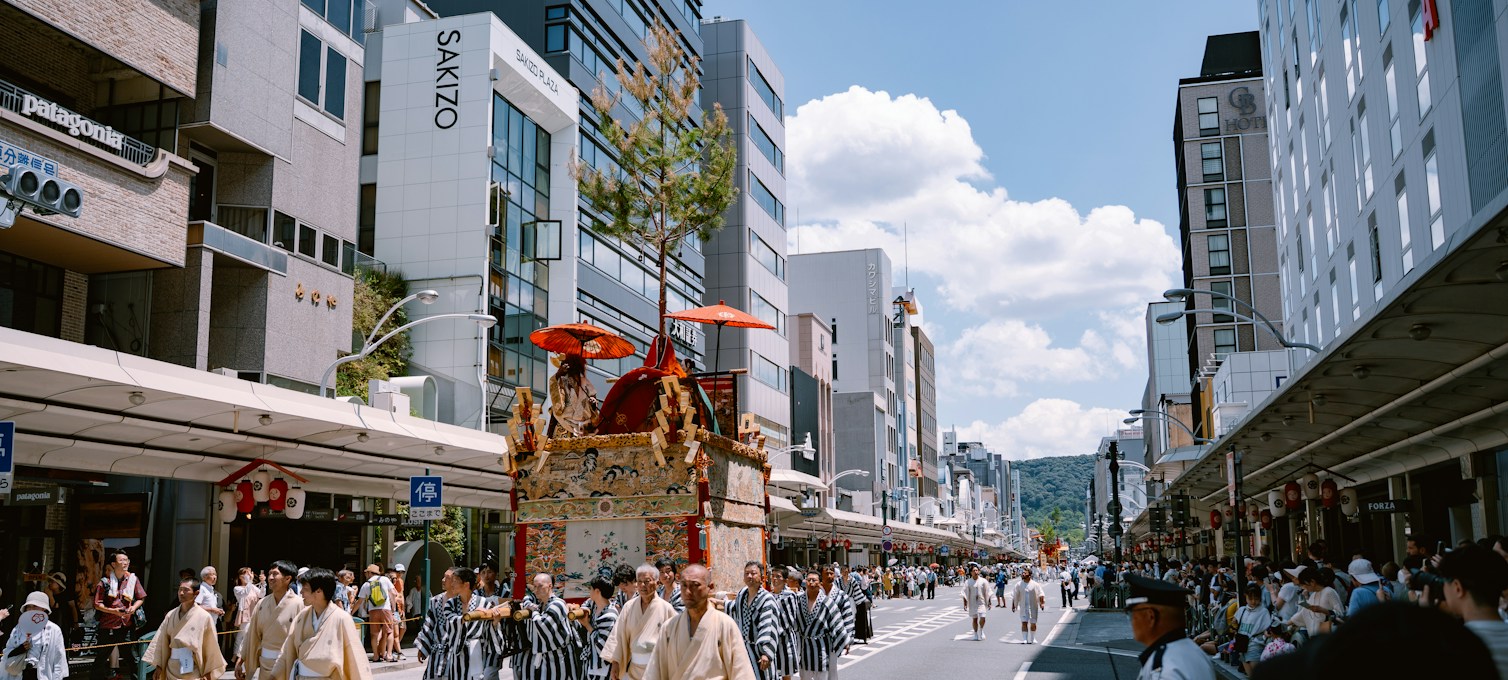
Its stars are 34 floats: 10 hoko, large wheeled floats that rise up to 25 metres and weigh around 12 tonnes, and 24 yama, smaller ones carried on the shoulder. The Naginata-hoko always opens the 17 July procession, with the chigo, the sacred child. Since 2014 the festival has had its two processions back: 23 floats on 17 July, 11 on 24 July. Here is the 2027 calendar as the official sources give it (Kyoto City, japan-guide.com):
- Thursday 1 July: ritual opening of the festival month.
- Wednesday 14 to Friday 16 July: yoiyama of the Saki Matsuri, from 6 pm to 11 pm, with streets in the centre closed to traffic.
- Saturday 17 July: Saki Matsuri procession, roughly 9 am to 1 pm, 23 floats.
- Wednesday 21 to Friday 23 July: yoiyama of the Ato Matsuri.
- Saturday 24 July: Ato Matsuri procession, roughly 9:30 am to 11:50 am, 11 floats.
- Saturday 31 July: closing ceremony.
To recheck with Kyoto City: these dates are traditional and fixed from year to year, but the official 2027 guide comes out in spring. Both processions fall on a Saturday in 2027, so expect maximum crowds. Some guides present the 24th as easier to breathe in (Flip Japan Guide).
12 experiences to book around Gion Matsuri 2027
How to read this: prices are totals for 2 adults (2-person basis), taken from the rates displayed in September 2026 for July 2027, so they are provisional. All experiences are guided in English. « Open » shows the number of days with available slots over the 14 to 24 July 2027 window, checked on 30 September 2026.
1. Gion Hidden Gems: the walk that explains the district
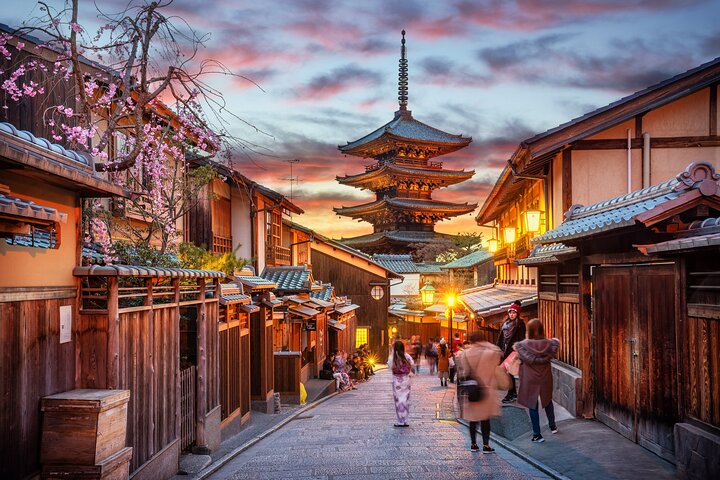
This is my way into the district: two hours on foot through the back lanes of Gion, with a shrine that is a thousand years old and Edo-period townhouses. The guide explains where to walk and how to behave around geiko and maiko, which matters now that private lanes have banned photos. I would put it on a weekday morning, far from the processions.
- Side lanes of Gion, away from the main avenue
- Thousand-year-old shrine and Edo townhouses
- Guide’s tips on etiquette around geiko
2. An evening of food in Gion and Pontocho
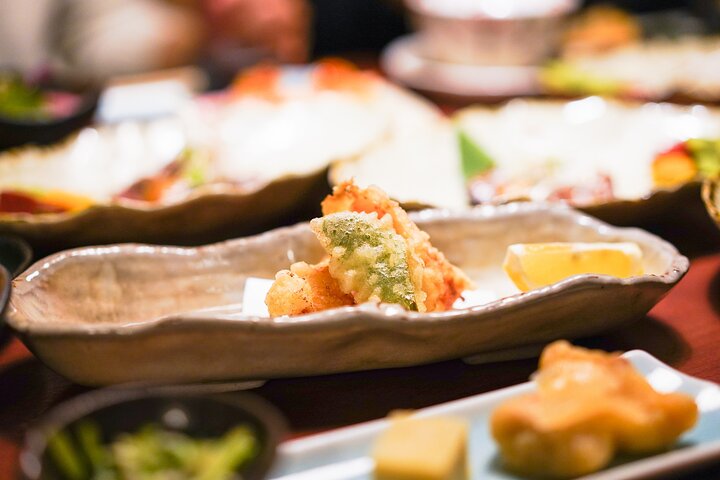
A sit-down evening between Gion and Pontocho, with more than nine dishes and three sake tastings. I would book it on a night without yoiyama, between 18 and 20 July, when the central streets are not closed and you feel like resting your legs. A vegetarian menu is possible on request in advance, while vegan and gluten-free diets are not offered according to the listing.
- More than nine dishes and a dessert
- Three sake tastings and two drinks
- Meeting point at Gion-Shijo station
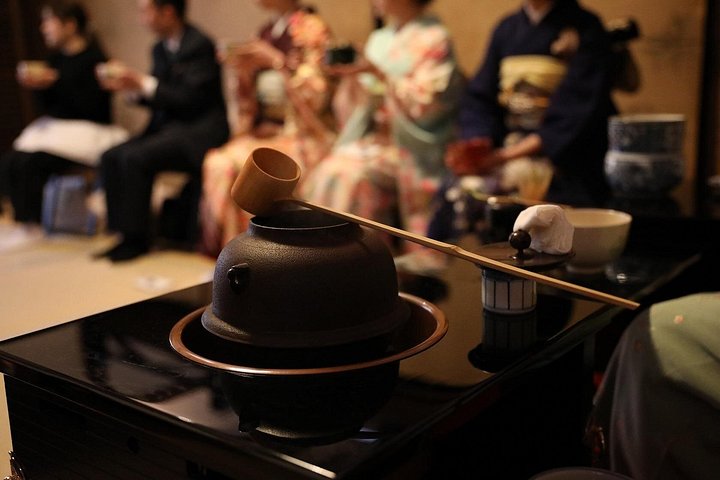
3. Tea ceremony in a kimono
The right plan for a rest morning: a tea ceremony worn in a kimono, in a salon in the north of the city near Imamiya Shrine (bus 205 or 206). The kimono echoes the yukata many Japanese people put on in July. It is the only experience in the selection open just 9 days out of 11, so book it early.
- Professional instructor
- Kimono worn during the ceremony
- Tea and coffee served on site
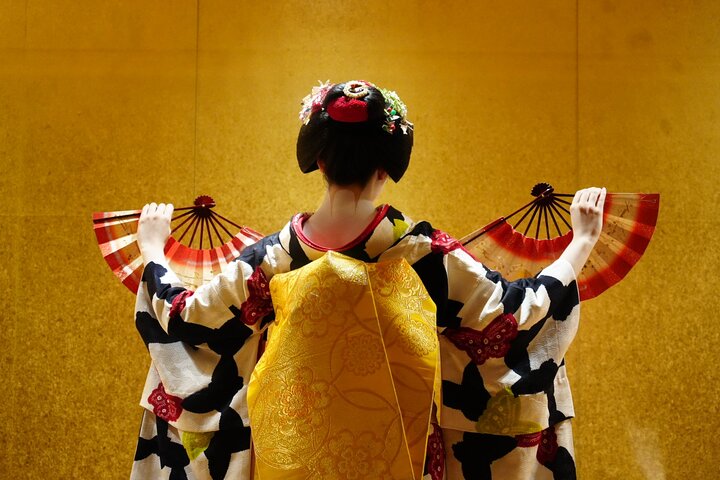
4. Maiko show in Kyoto
Watching a maiko dance up close, without chasing after the private lanes of Gion: it is the polite answer to the wish to meet an apprentice geisha. The show alternates about ten minutes of dance, a Q&A, photos and a traditional game. The listing mentions only about forty maiko in Kyoto today, which I leave you to check.
- A maiko dance followed by a Q&A
- English-speaking guide-interpreter
- Japanese green tea

5. Kintsugi workshop near Gion
Repair a chipped ceramic with lacquer and gold powder, in a quiet workshop near Gion and Kawaramachi. It is the ideal refuge on a scorching afternoon, and you leave with your piece. The price shown is for the basic option: other options or extras exist, so read the listing carefully before paying.
- Repair with lacquer and gold powder
- Finished piece to take home
- English-speaking instructor

6. Make your own ramen by hand
An indoor session where you make the noodles and broth yourself, then eat your own lunch. I keep it as a fallback for when a storm breaks or the heat becomes hard to bear. Vegetarian, vegan or pork-free versions are advertised, to be confirmed when you book.
- Making the noodles and the broth
- Lunch and tasting included
- Local taxes included

7. Night ghost tour in Arashiyama
Note that this evening does not start in Gion but at Saga-Arashiyama station, in the west of the city. It is above all an escape-the-crowds evening: tales and urban legends in the bamboo grove at nightfall, with a drink included. A good option when the centre is packed by the yoiyama.
- Starts at Saga-Arashiyama station, not Gion
- Walk through the bamboo forest at nightfall
- One drink included
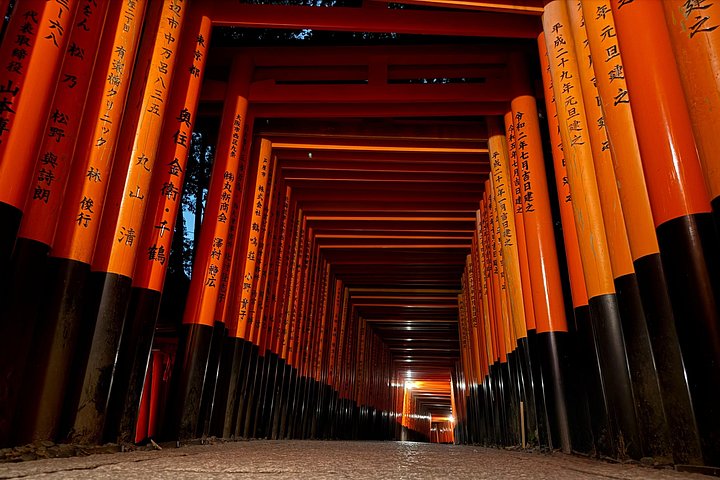
8. Fushimi Inari at night
Guides advise against Fushimi Inari in daytime during the festival, because of the crowds and the heat. In the evening the shrine is lit up and the air cools a little: it is the direct answer to that problem. The meeting point is at the main entrance, in front of the fox statue.
- Lit-up shrine, away from the daytime crowds
- Relative coolness of the evening
- English-speaking guide, about 2 hours
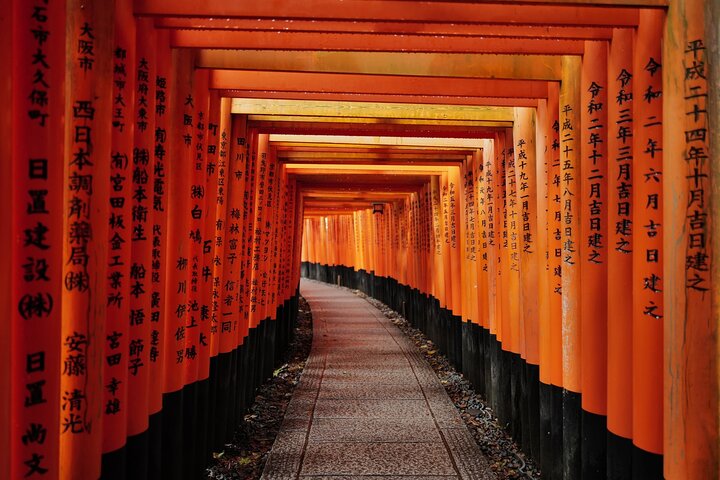
9. Early morning Kyoto before the crowds
A departure between 5 and 6 am from Kyoto Station to see Fushimi Inari and Kinkaku-ji before the crowds arrive. It is exactly what you need on days without a procession, when you want the major sites without the crush and without the midday heat. Then head back to rest: festival evenings are long.
- Fushimi Inari and Kinkaku-ji before the groups
- Early departure from Kyoto Station
- English-speaking guide
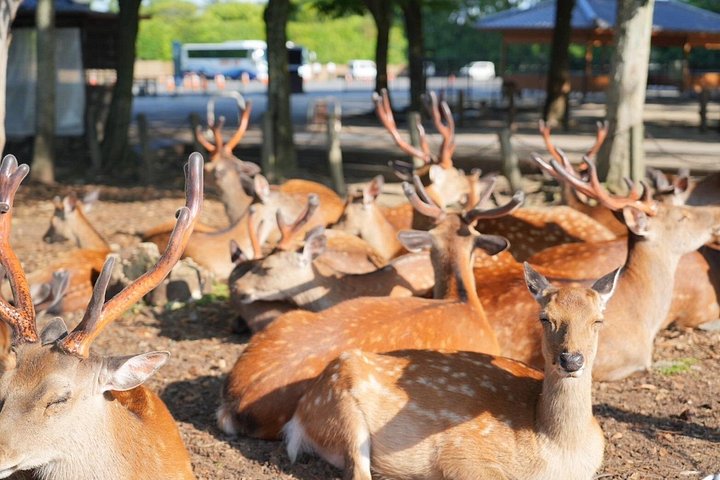
10. Nara early in the morning
Nara works very well as a half-day if you leave early: Todai-ji, Kofuku-ji, the park and Kasuga-taisha before the afternoon crowd arrives. The tour offers several departure points, Kyoto, Osaka or Nara itself, depending on the option chosen. It is my plan for a day when central Kyoto is closed off.
- Todai-ji, Kofuku-ji, Nara Park and Kasuga-taisha
- Departure from Kyoto, Osaka or Nara depending on the option
- English-speaking guide
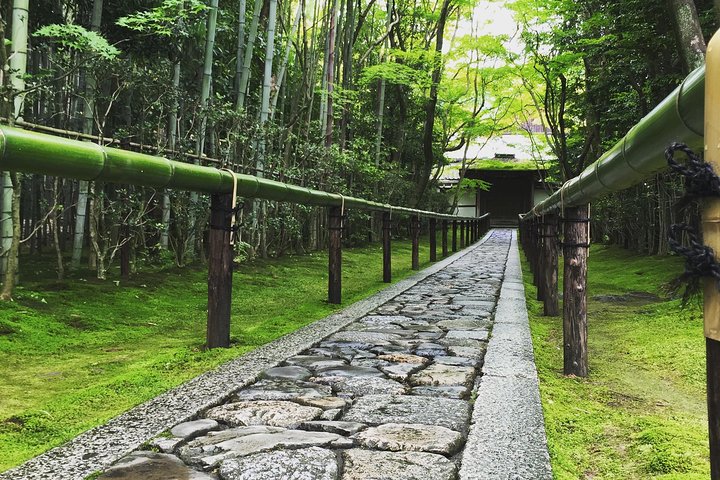
11. Hidden Kyoto by e-bike
A loop of about 8 km in the north-west of the city, taking in Kinkaku-ji, then Daitoku-ji and its sub-temples Koto-in and Zuiho-in. One word of warning: bikes are banned in the festival zones, so do not schedule it on procession days or yoiyama evenings. It suits a quiet day very well, avoiding the middle of the afternoon.
- E-bike, helmet and water provided
- Koto-in and Zuiho-in, secondary temples
- Avoid on procession and yoiyama days
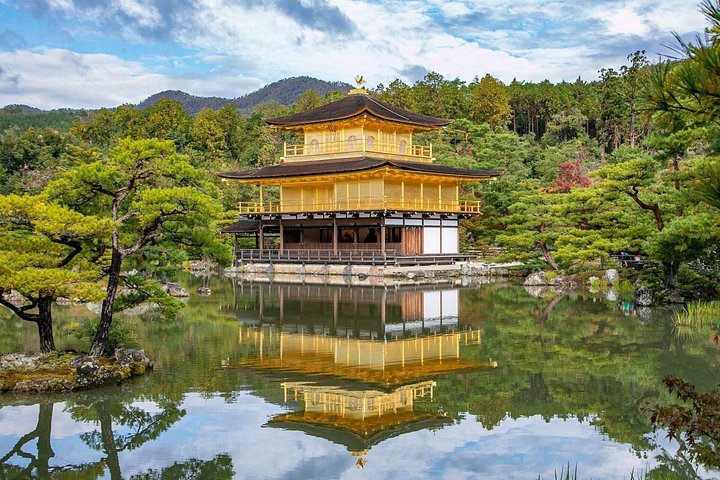
12. Private day: 10 must-see spots
For a family or a small group that wants to set the day at its own pace, outside procession hours. The professional guide adapts the route to the ten major sites, and you keep control of the breaks when the heat rises. It is the most expensive card in the selection, so the best value when shared among several people.
- Ten major sites in one day
- Private tour, pace set with the guide
- Children under 3 free
Getting ready for the trip
A connection from the moment you land, handy for maps and the day’s timetables.
Get my eSIMWorldwide coverage for travellers, with a quote in a few seconds.
See the priceKyoto has no airport: the simplest way is to land at Osaka-Kansai and take the train.
See flightsPractical tips on the ground
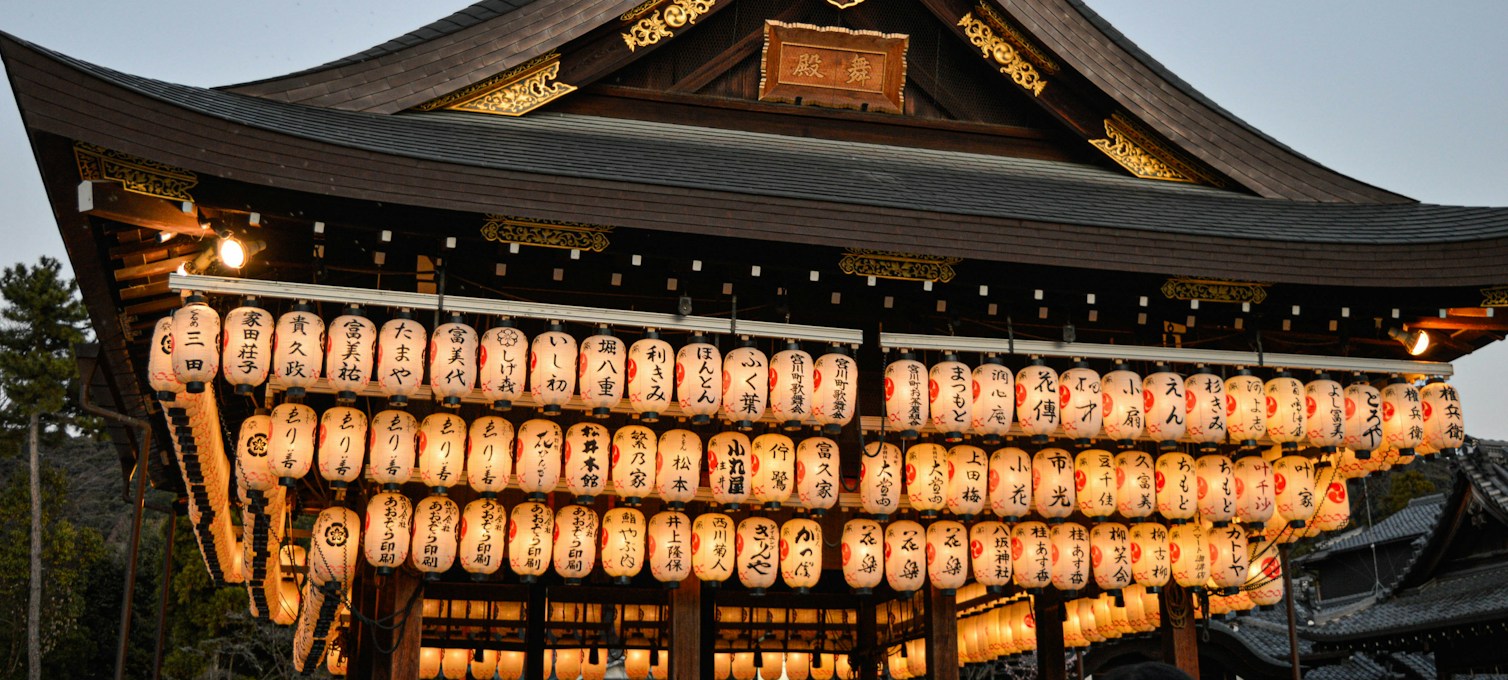
Crowds. Saturday 17 July draws the biggest crowd. For a free front row, arrive around 7 am or even earlier, since guides already advise 7:30 to 8 am in a normal year (Flip Japan Guide). Kyoto City also sells paid seats, with 2027 prices not yet published (official page). There is also a dedicated guided-visit offer with reserved places on 17 and 24 July, but it has very few reviews so far: I do not feature it as a card and leave you to judge it on Viator.
Heat. Expect around 31 °C and high humidity in July (Inside Kyoto). Kyoto City recommends staying hydrated, taking breaks, favouring public transport, not eating while walking and leaving the bike behind in the festival zones (Kyoto Travel).
Where to stay. Book at least two months ahead, around Shijo, Karasuma or Kawaramachi so you can walk back after the yoiyama. Since 1 March 2026, Kyoto’s accommodation tax rises to as much as 10,000 yen per person per night for stays priced at 100,000 yen and above (Kyoto Travel). For the rest of the trip, my complete guide to Japan and the article on the changes for tourists will spare you a few surprises.
Etiquette in Gion. Since 2024, private lanes in the district ban photographing geiko and maiko, with a 10,000 yen fine; the public Hanamikoji avenue is not affected (Afar). If you continue to Higashiyama and Kiyomizu-dera, set off early. And if you eat in Kyoto, my 48-hour foodie itinerary has ideas, while the cherry blossom tours in Kyoto will come in handy for another trip, in spring.
Frequently asked questions
What are the dates of Gion Matsuri 2027?
The festival lasts all of July. The two float processions fall on Saturday 17 July (Saki Matsuri) and 24 July 2027 (Ato Matsuri), with the yoiyama evenings from Wednesday to Friday before each. These are the traditional dates: the official 2027 programme is not published yet, so recheck with Kyoto City before booking.
Can you book a place to watch the procession?
The procession is free from the pavement. Kyoto City sells paid seats along Oike-dori (in 2026, sales opened in early June, from 6,000 to 155,000 yen for the 17 July procession), and 2027 prices are not yet published. None of the twelve experiences in this article sells a view of the floats: they are there to organise your days around the processions.
Are the experiences guided in English?
Which experience in the selection is the best rated?
Two experiences share first place at 4.98 out of 5: the Fushimi Inari night visit (415 reviews) and the private day in Kyoto (1,384 reviews). The walk through Gion has the most reviews, 3,969, for a rating of 4.95.
Are the July 2027 slots already open?
As of 30 September 2026, eleven of the twelve experiences show open slots every day from 14 to 24 July 2027, and the tea ceremony in a kimono 9 days out of 11. A provider can close dates or change its rates: the prices shown are provisional and live availability appears when you click through.
Sources
- Kyoto City Official Travel Guide: Gion Matsuri: accessed 30 September 2026
- Kyoto City Official Travel Guide: paid seats: accessed 30 September 2026
- Kyoto City Official Travel Guide: Yamaboko Junko: accessed 30 September 2026
- Kyoto Travel: 2026 guide to the yoiyama and the procession: accessed 30 September 2026
- Kyoto Travel: Gion Matsuri: accessed 30 September 2026
- japan-guide.com: Kyoto Gion Matsuri: accessed 30 September 2026
- Wikipedia: Gion Matsuri: accessed 30 September 2026
- Wikipedia: Yasaka Shrine: accessed 30 September 2026
- Flip Japan Guide: Gion Matsuri for first-timers: accessed 30 September 2026
- Machiya Inn Japan: guide to the Gion festival: accessed 30 September 2026
- Kyoto Travel: accommodation tax change: accessed 30 September 2026
- Japan Travel: Kyoto lodging taxes from March 2026: accessed 30 September 2026
- Afar: Gion bans photographing geisha on private streets: accessed 30 September 2026
- Inside Kyoto: Kyoto weather in July: accessed 30 September 2026
- Wikidata: Gion Matsuri (Q979873): accessed 30 September 2026

Plan your trip with Pixidia
Pixidia learns how you travel and helps you build a trip that truly fits you and everyone coming along.
Open the planner