
The Wurstmarkt 2026 in Bad Dürkheim runs 11-15 and 18-21 September, across two weekends. It’s the 610th edition of the world’s largest wine festival: more than 600,000 visitors, 36 historic stands and around 300 wines, all of them from the Palatinate, with free entry. The second block ends on Monday 21 September, with the closing fireworks at 9 pm. To enjoy it at its best, book your accommodation early and take the Rhein-Haardtbahn tram from Mannheim.
The Bad Dürkheim Wurstmarkt is to German wine what Oktoberfest is to beer. Despite the name — literally « sausage market » — this 9-day festival draws more than 600,000 visitors every September for Palatinate wines, music tents and a full funfair. The 2026 edition, the 610th, runs 11-15 and 18-21 September. This guide covers everything you need to enjoy it without a hitch: exact dates, programme, budget, transport and accommodation.
Wurstmarkt 2026 in Bad Dürkheim: official dates and the essentials
The world’s largest wine festival, across two weekends
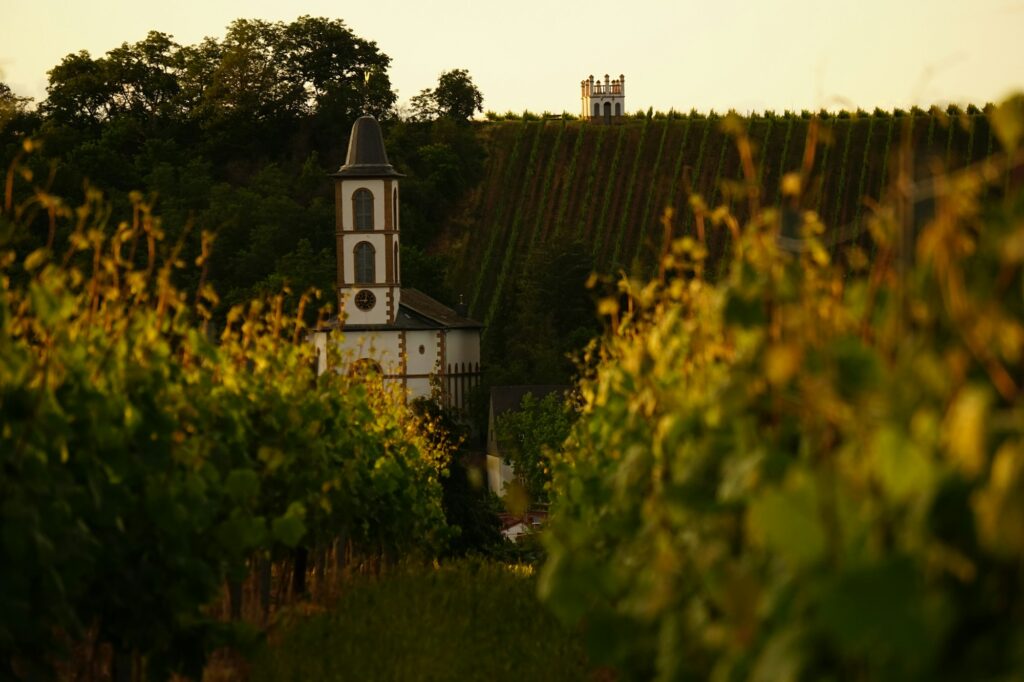
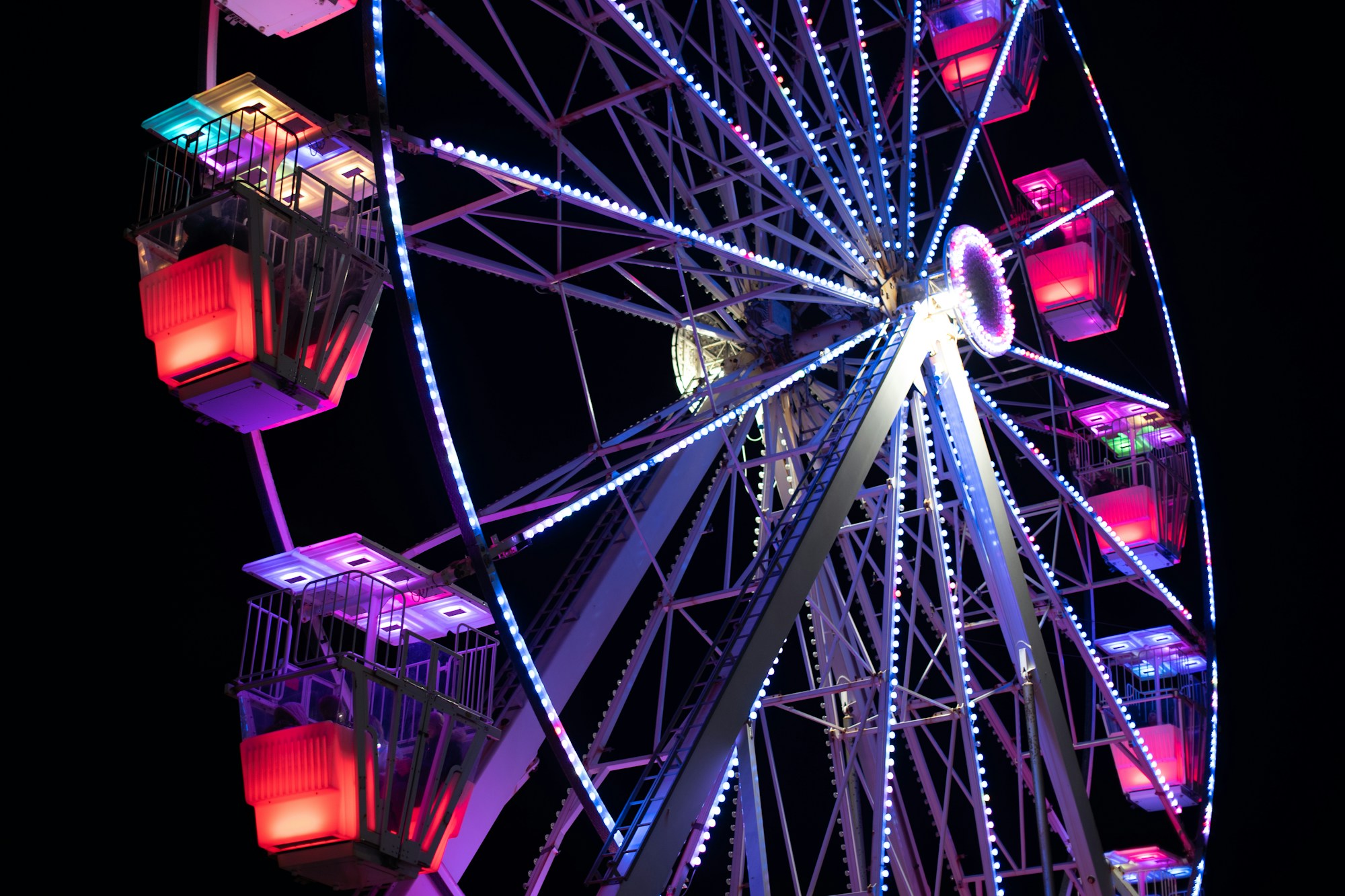
The Wurstmarkt takes place on the Wurstmarktplatz in Bad Dürkheim, a spa town in the Palatinate sitting along the Deutsche Weinstraße, Germany’s wine road. The event officially claims the title of the world’s largest wine festival: according to the Rhineland-Palatinate tourism board (rlp-tourismus.com), it attracts more than 600,000 visitors over 9 days — roughly thirty times the town’s own population of about 19,000. The site brings together 36 historic wooden stands, the « Schubkärchler », a wine village (Weindorf) created in 1992 with 12 wine tents and 4 food tents, a large music tent seating around 2,000 and about twenty rides, including a 65 m Ferris wheel.
The 2026 dates are confirmed: first block (Vormarkt) from Friday 11 to Tuesday 15 September, a reduced break on Wednesday 16 and Thursday 17, then the second block (Nachmarkt) from Friday 18 to Monday 21 September, per the official calendar of RLP-Tourismus. Entry is free, including the tent concerts: you only pay for what you drink, eat and ride.
Highlights
- 9 days of free-access festival at the foot of the Dürkheimer Riesenfass
- Around 300 wines, exclusively from Bad Dürkheim and all award-winning
- Two firework displays at 9 pm, on 15 and 21 September
- A more relaxed vibe than Oktoberfest, no dress code
600 years of pilgrimage, sausages and wine
From the St Michael’s pilgrimage to the Riesenfass
It all started in 1417 with the « Michaelismarkt », the St Michael’s market, born from a pilgrimage to the St Michael chapel on the Michelsberg. Farmers, winemakers and traders sold wine, sausages and bread there; according to Wikipedia, the festival settled on the Brühlwiesen, at the foot of the hill, by the end of the 16th century and never left. The name « Wurstmarkt » stuck around 1832, when visitors were devouring so many sausages that the name outlived the wine that had always ruled the glasses. Only the world wars and Covid (2020-2021) have interrupted the run.
The site’s landmark is the Dürkheimer Riesenfass, built in 1934 by master cooper Fritz Keller: 13.5 m in diameter, around 1.7 million litres of capacity, never once filled with wine. It houses a two-level restaurant with nearly 430 seats, according to Wikipedia. Another tradition worth knowing: the Dubbeglas, the 0.5 L studded glass invented by local butchers so they wouldn’t drop their glass, back in vogue since 1982 and now carrying a €3 deposit. And the festival has run for 9 days since 1985, always starting on the Friday before the second Sunday of September.
Highlights
- More than 600 years of continuity on the same spot
- The world’s largest wine barrel, turned into a restaurant
- The butchers’ Dubbeglas, a festival symbol since 1982
- A whole literature and dialect poetry scene born at the festival
The 2026 programme: opening, fireworks and highlights
Opening, fireworks and traditions, day by day
The official opening takes place on Friday 11 September 2026 at 6 pm at the foot of the Gradierbau, the 333 m graduation tower, with the historic ceremony and the Fassanstich, the barrel tapping that gives the signal to start (the site opens its gates at 5 pm, per RLP-Tourismus). Wine stands start serving at 11 am, music stops at midnight in the big Hamel tent, but service continues until 2 am.
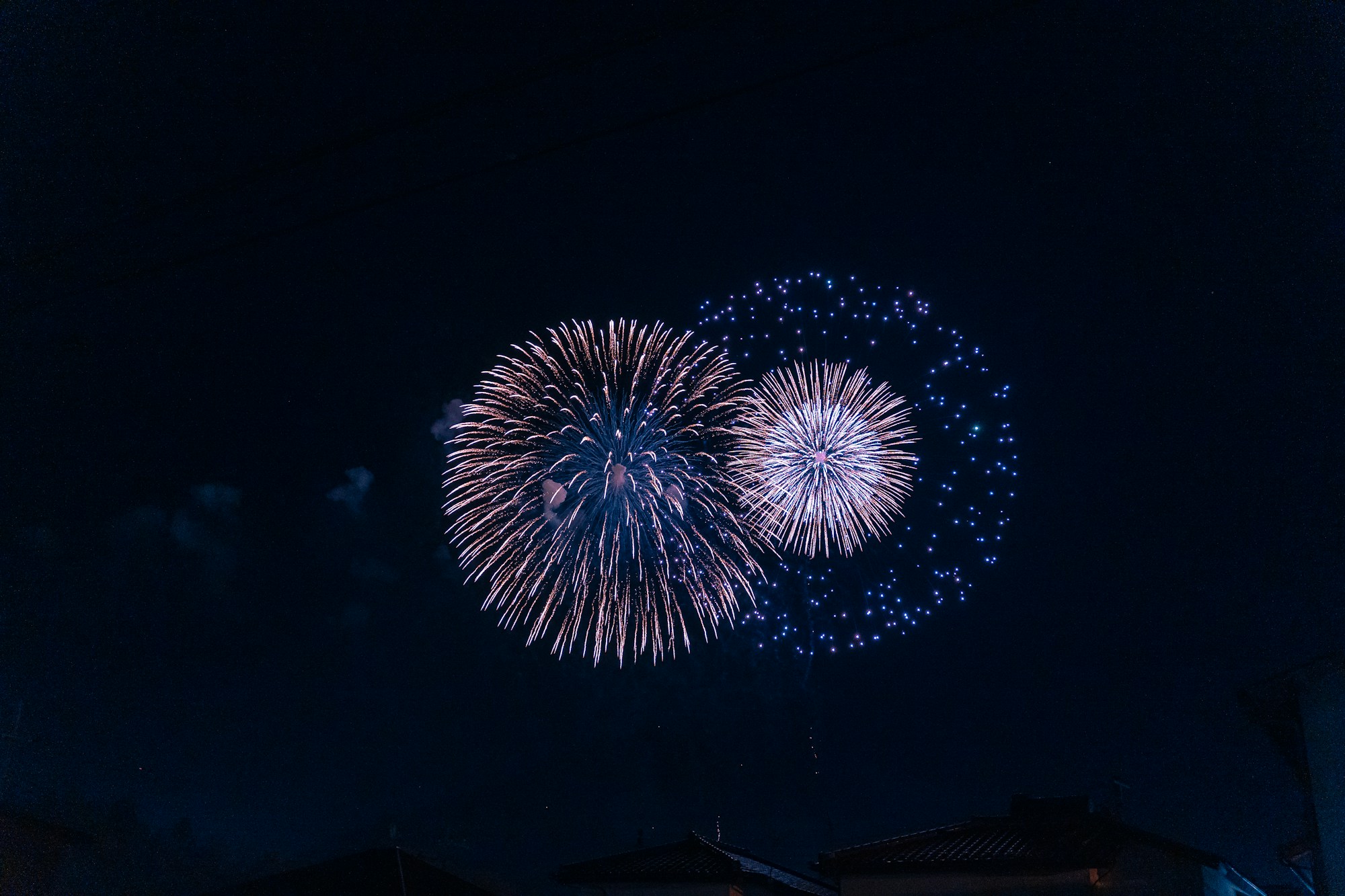
The two dates not to miss are the firework displays on Tuesday 15 September and Monday 21 September at 9 pm, the second closing the edition. The best views are from the Ferris wheel, the Gradierbau or the B37, per events.europa.tips. Between the two weekends, on Wednesday 16 and Thursday 17, the site runs in reduced mode (wine and food stands from 12 pm to 10 pm, rides closed): a chance for a quiet tasting, but without the party atmosphere. As for traditions, Tuesday 15 September at 6 pm sees the crowning of the Weinhoheit, Bad Dürkheim’s « wine royalty », at the Weindorf — the new 2026-2027 election had not been announced yet in late August.
Highlights
- The inaugural Fassanstich at the foot of the Gradierbau, a century-old ceremony
- Two firework displays at 9 pm: mid-festival and grand finale
- The literary Frühschoppen on Tuesday morning, in Palatinate dialect
- 65 m Ferris wheel, rollercoasters and dodgems until midnight
Wine, food and budget: drink well without breaking the bank
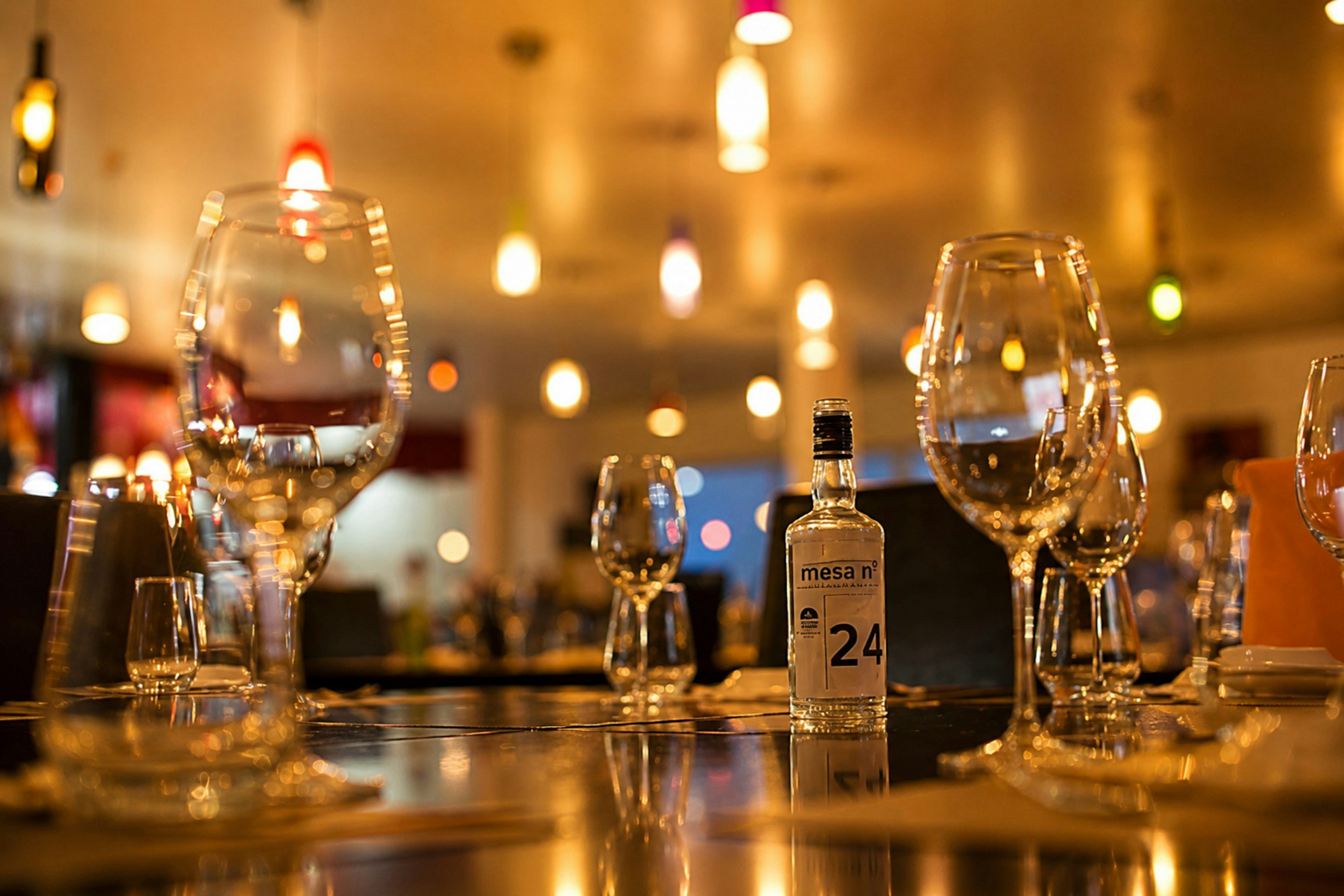
What to drink and eat at the Wurstmarkt, and what it costs
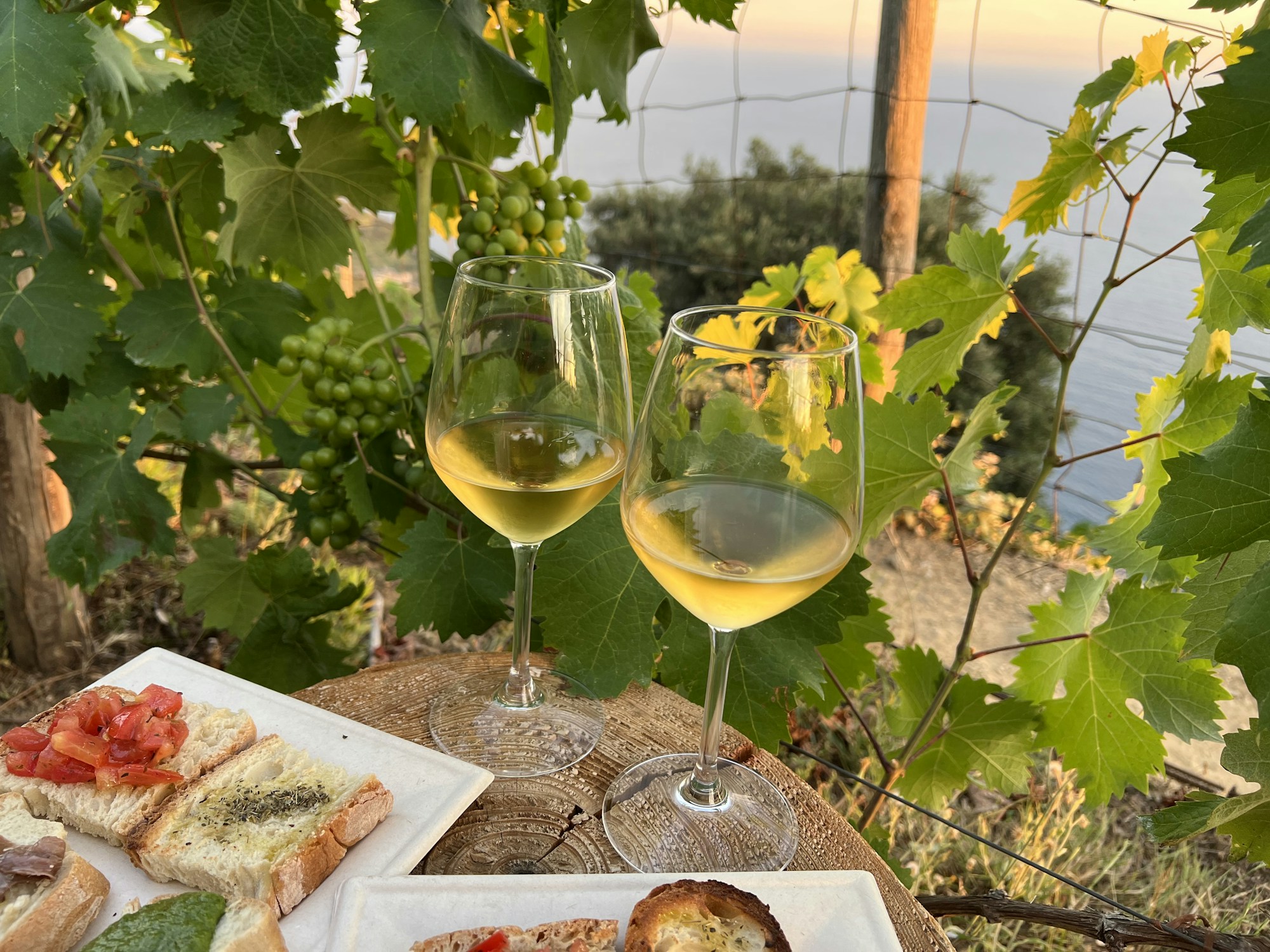
The most authentic experience is at the 36 Schubkärchler, the historic stands where you drink the « Pälzer Schobbe »: half a litre of local wine in the studded Dubbeglas, squeezed onto narrow wooden benches packed together, as RLP-Tourismus describes. The wines poured come exclusively from Bad Dürkheim, and only award-winning vintages: dry or sweet riesling, dornfelder, pinot gris, pinot noir and gewürztraminer — around 300 labels. To last the day, adopt the Weinschorle, half wine topped up with sparkling water (85% wine — « deceptively easy to drink », warns the Happy to Wander guide).
On the plate, the Palatinate delivers: bratwurst at €7, schnitzel sandwich at €9, and above all the Saumagen, a stuffed pork stomach popularised by former chancellor Helmut Kohl, and Dampfnudeln, steamed buns with a caramelised crust. Count around 60,000 grilled chickens per edition, a figure quoted by the US Air Force at Spangdahlem. Vegetarians are well served, and alcohol-free wines have been available since 2023. Indicative budget: €40-60 per person for a full day (2-3 glasses, one meal, one ride, the deposits), around €140 for two in the full version, per Germany Visa Agent.
Highlights
- Wines exclusively local, all awarded by official bodies
- The Weinschorle, the local trick for tasting all day long
- Saumagen, Dampfnudeln and other Palatinate classics
- Free entry and half-litre prices half of Munich’s
Getting to Bad Dürkheim: transport and where to stay
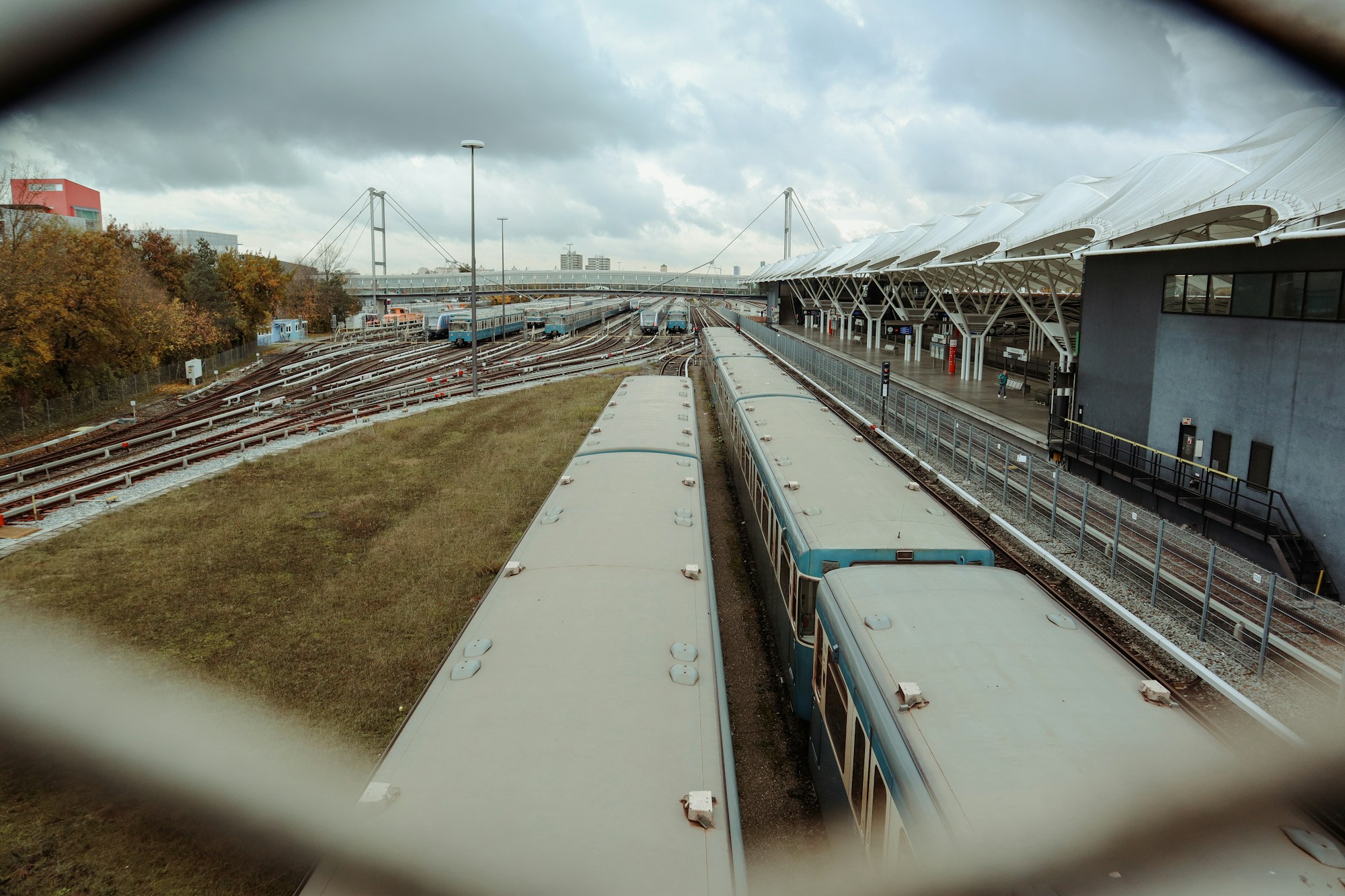
Train, car and where to sleep: weekend logistics
From the UK, the fastest option is to fly to Frankfurt — around 1 h 40 from London Heathrow — then take the ICE to Mannheim (about 40 minutes) and the Rhein-Haardtbahn line 4 tram or a regional train to Bad Dürkheim, 3 to 10 minutes’ walk from the site. Allow about 4 hours door-to-door from London (per Rome2Rio). From Frankfurt itself, budget 1 h 30 to 2 h in total: ICE to Mannheim in 40 minutes, then line 4 or 9. During the festival, the VRN network runs extra services: trams every 10 minutes on Friday and Saturday evenings, with returns until 3 am, per the travel notice published by the Wachenheim municipal association (PDF). If you fly, Frankfurt airport is 80-90 km away, and our article on Frankfurt’s Terminal 3 will help you plan the arrival.
By car, take the A650 (exit about 3 km away) then the B37: around 3,700 parking spaces are available, including park-and-ride lots, but parking on the Wurstmarktplatz itself costs €25 per day in 2026, per the municipal Amtsblatt (PDF), versus around €6 at the outlying lots. Arrive 2 to 3 hours before peak times and follow the Parkleitsystem signs. For accommodation, the rule is simple: book 3 to 6 months ahead, advises Happy to Wander, because Bad Dürkheim’s hotels fill up very early. If the town is full, base yourself in Neustadt an der Weinstraße, in the wine villages (Deidesheim, Wachenheim, Freinsheim, under 20 minutes away) or in Mannheim, about an hour away by tram.
Highlights
- The Rhein-Haardtbahn tram with extra services running until 3 am during the festival
- 2 h from Frankfurt, around 4 h from London via Frankfurt, no car needed
- Charming fallback bases less than 20 minutes by train
- Supervised bike parking and cycle paths along the Deutsche Weinstraße
Practical info: staying connected and covered
Stay reachable for last-minute bookings and share photos of the festival without hunting for Wi-Fi. Set up in 5 minutes, 4G/5G coverage in Germany and across Europe.
From a few euros for 7 daysFestivals and surprises go hand in hand: cancellations, lost luggage, medical bills. Travel insurance covers your Wurstmarkt stay and your Palatinate day trips, from $56 per 4 weeks. 10% off via our link.
From $56 / 4 weeksFrequently asked questions
What are the Wurstmarkt 2026 dates in Bad Dürkheim?
The Wurstmarkt 2026 runs from Friday 11 to Tuesday 15 September (first weekend), then from Friday 18 to Monday 21 September (second weekend), with a reduced break on Wednesday 16 and Thursday 17. The official opening is on 11 September at 6 pm, and the firework displays are on 15 and 21 September at 9 pm. RLP-Tourismus.
Is entry to the Wurstmarkt free?
Yes, access to the site, the tents and the concerts is free. You only pay for drinks (€4-5.50 a glass, plus a refundable €3 deposit), food (€7-9 a dish) and rides (€10-12). events.europa.tips.
Why is the Wurstmarkt called a « sausage market » when it’s a wine festival?
It dates from around 1832: pilgrims at the St Michael’s market, born in 1417, were eating so many sausages that the name stuck, while wine always ruled the glasses. The festival is also known as the world’s largest wine festival. Wikipedia.
How do I get to the Wurstmarkt from the UK?
Fly to Frankfurt (about 1 h 40 from London Heathrow), then take the ICE to Mannheim (40 minutes) and the Rhein-Haardtbahn line 4 tram or a regional train to Bad Dürkheim, 3 to 10 minutes’ walk from the site. Local transport runs extra services until 3 am during the festival. Rome2Rio / VRN / ZÖPNV Süd.
Can I pay by card at the Wurstmarkt?
Rarely: almost all stands are cash-only, including for the glass deposit. There’s an ATM on site (with fees) and a Postbank branch about 10 minutes’ walk away. Happy to Wander.
What’s the best day to enjoy the Wurstmarkt without the crowds?
Midweek (Tuesday to Thursday) for a quiet tasting, and Sunday afternoon if you’re coming with the family. Avoid Friday and Saturday evenings, when more than 100,000 visitors pack the site. Germany Visa Agent.
Sources
- RLP-Tourismus: official 2026 calendar (dates 11-15 and 18-21 September)
- RLP-Tourismus: official event page (600,000+ visitors, 36 Schubkärchler)
- Wikipedia DE: history and figures of the Dürkheimer Wurstmarkt
- Wikipedia EN: Dürkheimer Riesenfass
- events.europa.tips: programme, opening hours, fireworks and transport
- Happy to Wander: practical guide (cash, deposits, accommodation)
- Germany Visa Agent: budget and 2026 tips
- VRN / ZÖPNV Süd: extra transport during the Wurstmarkt (PDF)
- Amtsblatt Bad Dürkheim 07/2026: 2026 parking rates
- Presseportal: security review of the 2025 edition
- US Air Force Spangdahlem: consumption figures (220,000 L of wine, 60,000 chickens)
- Rick Steves forum: travellers’ feedback
- Rome2Rio: London to Bad Dürkheim route planning
Information checked on 21 August 2026. The festival’s official website (duerkheimer-wurstmarkt.de) remains the reference for the detailed 2026 programme (concerts, rides), published closer to the event.
Plan your trip with Pixidia
Pixidia learns how you travel and helps you build a trip that truly fits you and everyone coming along.
Open the planner