
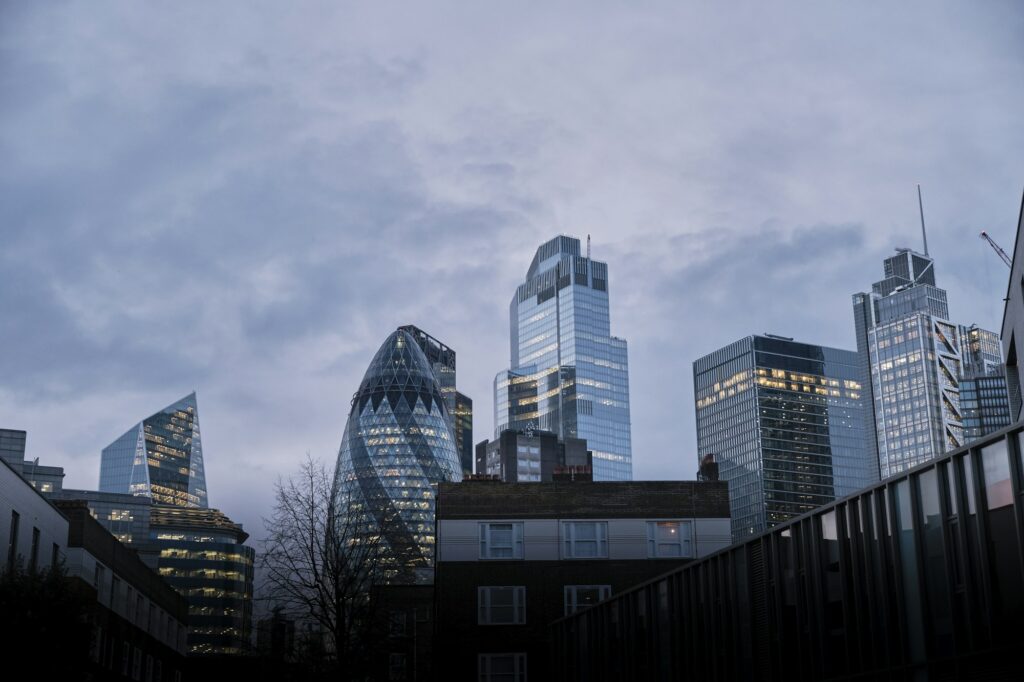
The Open House Festival, still widely known as Open House London, opens 600+ buildings usually closed to the public for free, from 12 to 20 September 2026, for its 35th edition. Most sites can be visited without booking; a handful of popular spots, like 10 Downing Street or the BT Tower, require advance registration. Most non-UK, non-Irish visitors now need a £20 ETA, which is strictly checked. Pick two or three neighbourhoods rather than a long checklist, and book as soon as slots open.
For nine days, London opens doors most tourists never see. Private architects’ homes, corporate headquarters, Victorian pumping stations, government departments: the Open House Festival offers completely free access to hundreds of buildings for its 35th edition, from 12 to 20 September 2026. Here’s what’s changed since you last heard about it, and how to plan your visit.
1. Open House Festival 2026 at a Glance
Thirty-five years of a festival gone global
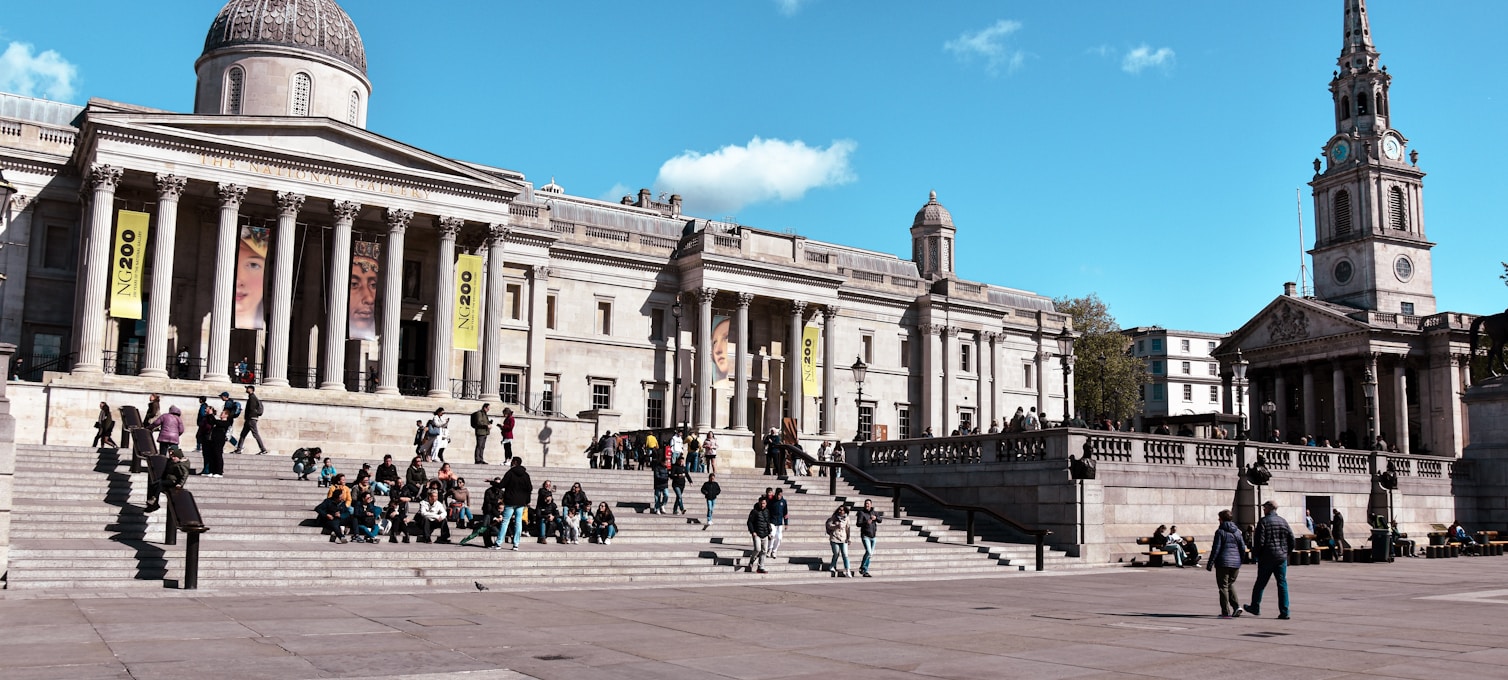
Founded in 1992 by architect and urban planner Victoria Thornton, the event originally counted just 17 events and 100 visitors, shuttled between venues by minibus. Now officially renamed Open House Festival (though the name Open House London remains the most searched and most widely used), it belongs to the global Open House Worldwide network, 60 festivals across 6 continents, with London still the founding city and largest edition, according to Wikipedia.
The 2026 programme, published on 15 July, already listed 621 venues, walks and tours at launch, including 143 brand-new additions, a figure that usually climbs past 700 as the festival approaches, according to Londontopia. The oft-repeated figure of 800 buildings, still widely quoted online, actually dates back to the 2019 edition: no official source confirms it for 2026.
To put the event’s scale in perspective: the 2025 edition, the last one for which Open City has published a full report, drew 370,541 visits, up 35% year-on-year, with 92% of visitors reporting a boost to their wellbeing, according to the official impact report.
Highlights
- Completely free access to buildings normally closed or paid-for, from government departments to architects’ homes
- Covers all 33 boroughs of Greater London, from the tourist centre to the outer neighbourhoods
- Founding member of the Open House Worldwide network, 60 similar festivals across 6 continents
Not everything in London is free, though. The Tower of London never takes part in Open House, but it offers its own early-access option, with a morning slot before the doors open to the general public.
2. Landmark Buildings and New Additions for 2026
From the Lloyd’s Building to the Zaha Hadid Archives
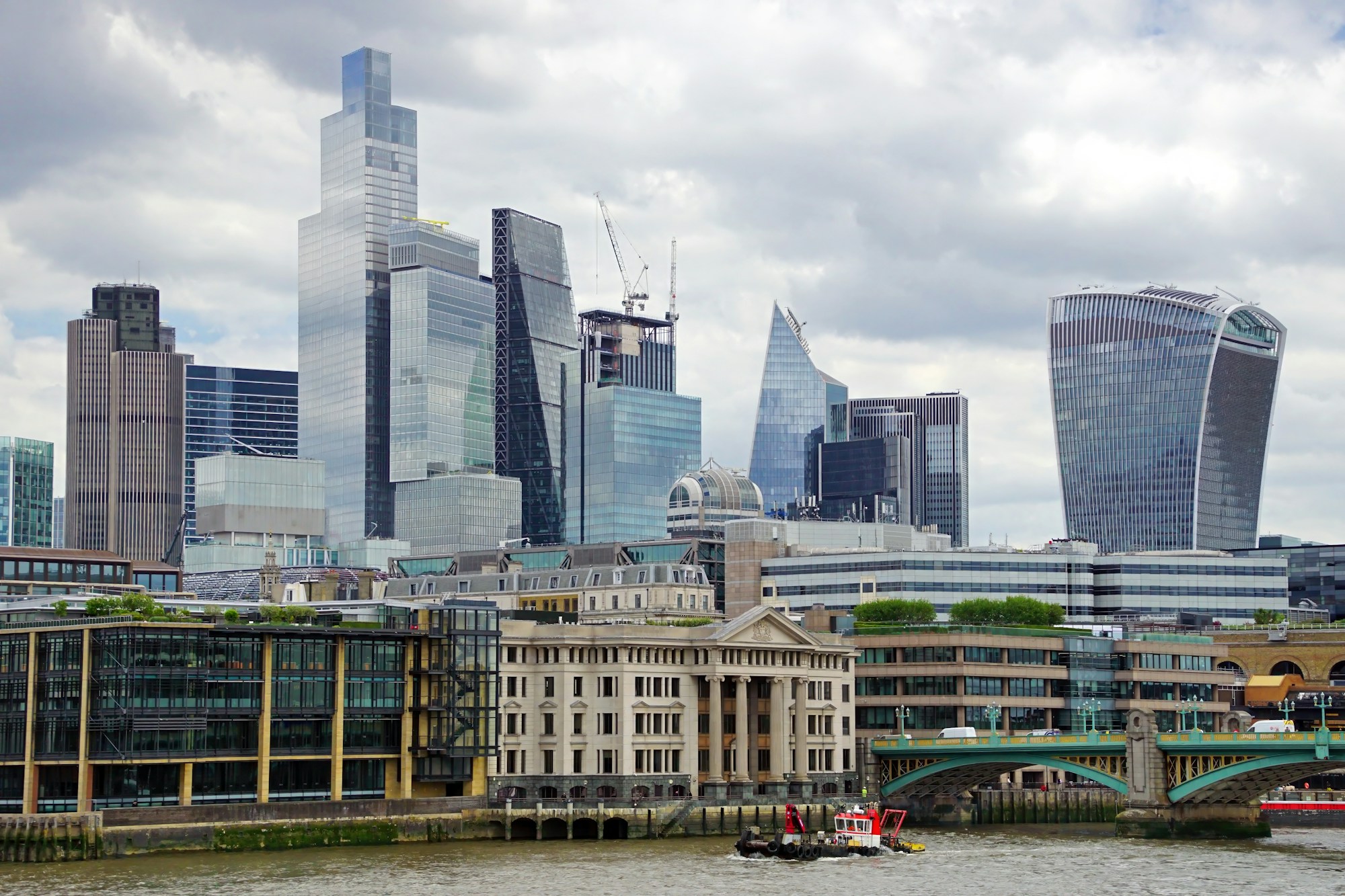
The Lloyd’s Building (1 Lime Street), designed by Richard Rogers in 1986, turns 40 during the 2026 edition, with access to its famous glass lifts, the first of their kind in the UK. Another first for this edition: the Zaha Hadid Foundation (Shad Thames) opens its archives to the public for the very first time, a collection of around 300,000 pieces still being catalogued, according to Time Out London.
One thing to note if you’re looking for City Hall: the Mayor of London’s office left its famous egg-shaped building near Tower Bridge in January 2022 for The Crystal, Royal Docks, where free tours are scheduled for 12 and 13 September only, according to the Mayor of London’s official statement. The BT Tower, sold in 2024 ahead of a planned hotel conversion, remains accessible in its current form: dismantling its telecoms equipment isn’t expected until around 2030. Under the Victorian-era Leadenhall Market, guided tours on 19 and 20 September give access to the remains of a 2,000-year-old Roman basilica and forum.
Another thing worth knowing: the new London Museum, in Smithfield, won’t open until 28 November 2026, after the festival closes. What the Open House programme offers in 2026 is access to the restoration site of the Poultry Market, its second phase, which itself stays closed to the public until 2028, according to the museum’s official website.
Beyond these headline sites, the 2026 programme also gives pride of place to 20th-century British architecture: the Trellick Tower, a 31-storey brutalist block designed by Ernő Goldfinger in Kensal Town, or Rogers House, architect Richard Rogers’ glass-walled home in Wimbledon. On the more classic heritage side, St Pancras Chambers with its neo-Gothic Victorian clock tower, or the Guildhall complex with its historic Livery Halls, round out a list that deliberately mixes old heritage with contemporary architecture.
Highlights
- The Lloyd’s Building marks its 40th anniversary with access to its famous glass lifts
- The Zaha Hadid Foundation opens its archives for the first time, around 300,000 pieces
- The remains of a Roman basilica and forum resurface under Leadenhall Market, 19 and 20 September only
To take in these skylines from a distance after a day of walking, an hour on the Thames between Westminster and Greenwich offers a different perspective on the view.
3. Booking Your Slots and Exploring Beyond the Centre
A two-speed booking system
The booking system runs at two different speeds, a point often glossed over by general guides. The vast majority of sites are walk-in, first come first served. 10 Downing Street is the only venue that runs a genuine ballot: registrations from 15 July to 17 August, results on 18 August, open to ages 12 and up. Other high-demand sites (BT Tower, BBC Broadcasting House, Canada House, the London Museum construction-site tour) go through standard booking, opening at midday on 19 August, and usually selling out within about twenty minutes, according to the official FAQ. A free account is required to book, with a personal itinerary tool to track your choices. The festival also relies on hundreds of volunteers, whose slots open from midday on 12 August.
The festival also shines by putting the spotlight on boroughs tourists rarely see. In Croydon, guided tours of historic pubs sit alongside the #Merky FC headquarters, founded by rapper Stormzy. In Wembley, the Punchdrunk Enrichment Stores bring a 2026 first: an immersive theatre space for young audiences. In Peckham, a walking tour traces the neighbourhood’s Caribbean heritage, while in Romford, The Round House shows off a very different side of London architecture.
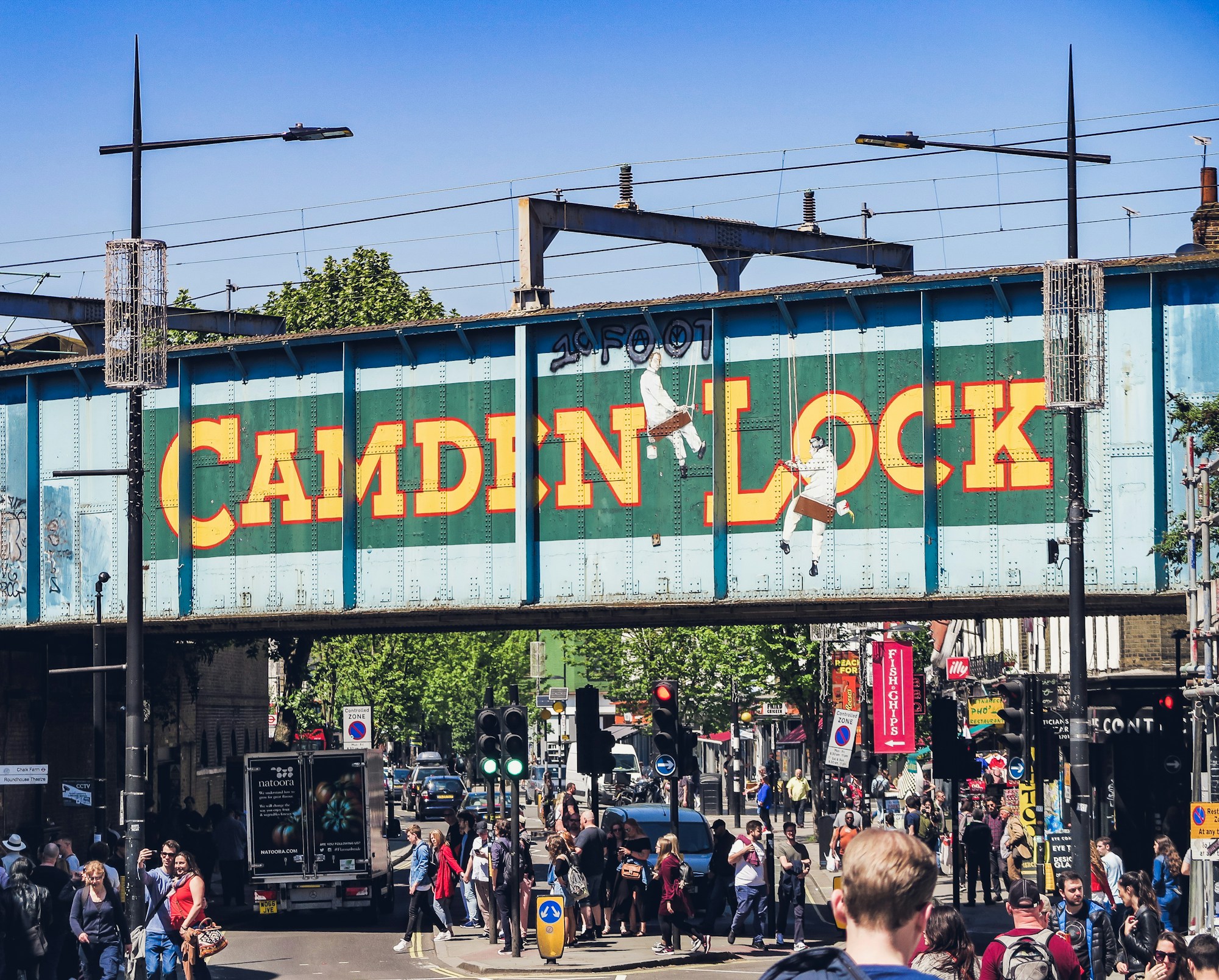
If you’re extending your stay beyond the festival, Camden Town and its market remain a safe bet north of the centre, and a day trip to Bath rounds out an architecture-focused weekend nicely, with its own UNESCO-listed Georgian heritage.
Highlights
- 10 Downing Street: the only site with a genuine ballot draw, registration closes 17 August
- Croydon, Wembley, Romford, Peckham: a gateway to a London that’s far less photographed than Big Ben
- A free account is required to book, with a personal itinerary tool to track your choices
Practical Info for International Visitors
Since the UK introduced its mandatory ETA scheme, planning a London trip now takes a little more preparation for most non-UK, non-Irish visitors. You’ll need a valid passport (EU national ID cards are generally no longer accepted for entry), a £20 ETA applied for at least 3 days before departure, and an accommodation budget of around £210 a night on average for a September stay. On transport, contactless payment works directly at the Tube gates, at the same fares as an Oyster card (Zone 1 day cap: £16.60). As for weather, expect 18 to 22°C during the day and 11 to 15°C in the evening, with around ten rainy days over the month: a light waterproof layer is enough. If you’re travelling from continental Europe, low-cost one-way flights from Paris start around €59 in September 2026, against roughly 2 hours 16 minutes on the Eurostar from Gare du Nord; from further afield, Heathrow and Gatwick are London’s main international gateways. To stay connected without swapping SIM cards, compare providers in our travel eSIM 2026 comparison.
Data ready the moment you land at Heathrow or step off the Eurostar at St Pancras, no SIM swap and no hunting for a local carrier.
From $4.50 for 1GB / 7 daysYour EHIC card (EU nationals) covers NHS treatment, but not repatriation or private care. Nomad Insurance covers you worldwide, no fixed itinerary needed.
From $56 / 4 weeksFrequently Asked Questions
What are the exact dates of the Open House Festival (Open House London) 2026?
The festival runs from Saturday 12 to Sunday 20 September 2026, for its 35th edition, according to Open City’s official page.
Do you need to book to visit Open House buildings?
Not for the vast majority of sites, which are walk-in, first come first served. Only a handful of high-demand venues run on booking: 10 Downing Street by ballot draw, and sites like the BT Tower or BBC Broadcasting House through standard booking, opening at midday on 19 August and usually selling out within about twenty minutes, according to the official FAQ.
How many buildings take part in the 2026 edition?
The programme listed 621 venues, walks and tours at its launch on 15 July 2026, including 143 brand-new additions, a total that regularly climbs past 700 as the festival approaches. The figure of 800 buildings, sometimes quoted, dates back to the 2019 edition and isn’t a confirmed number for 2026, according to Londontopia.
Does an international visitor need authorisation to travel to London in 2026?
No traditional visa is required for a tourist stay under 6 months, but an Electronic Travel Authorisation (ETA) has been mandatory since April 2025 for most non-UK, non-Irish nationals, priced at £20 since April 2026, and a valid passport is recommended, according to the Home Office.
Is the festival really entirely free?
Yes, every tour and event on the programme is free. Some venues suggest a voluntary donation, but it’s never mandatory.
Where is City Hall, the Mayor of London’s office, now located?
Since January 2022, City Hall has been based in The Crystal building, in Royal Docks, no longer in the old egg-shaped building near Tower Bridge, which has since been sold to a private investor. The current City Hall offers free Open House tours on 12 and 13 September 2026, according to the Mayor of London’s official statement.
What are the must-see buildings for the 2026 edition?
The Lloyd’s Building for its 40th anniversary, the Zaha Hadid Foundation’s archives in their first-ever appearance, and the Roman remains under Leadenhall Market are among the highlights most cited by the specialist press for 2026, according to Time Out London.
Sources
- Open House Festival 2026 (Open City): official page for the 2026 edition
- Visitor FAQ (Open City): official booking mechanics
- Open House programme platform: schedule, map and bookings
- 2025 Impact Report (Open City): the most recent reference figures
- Open House London (Wikipedia): the festival’s history since 1992
- Open House Festival 2026 Booking Details (Londontopia): number of venues at programme launch
- 6 iconic London buildings (Time Out London): landmark buildings for the 2026 edition
- Mayor confirms relocation of City Hall (London.gov.uk): official relocation of City Hall
- Open House 2026, City Hall Tours (Royal Docks): visiting dates for the new City Hall
- London Museum, Smithfield: the museum’s official opening date (28 November 2026)
- ETA factsheet, April 2026 (Home Office): official price of the UK ETA
- Apply for an ETA (GOV.UK): official application guidance and eligibility
- Adult fares (Transport for London): London public transport fares
Research conducted on 22 August 2026.

Plan your trip with Pixidia
Pixidia learns how you travel and helps you build a trip that truly fits you and everyone coming along.
Open the planner