
Commercial partnership. This article contains affiliate links. If you book through these links, Pixidia earns a small commission at no extra cost to you. Learn more
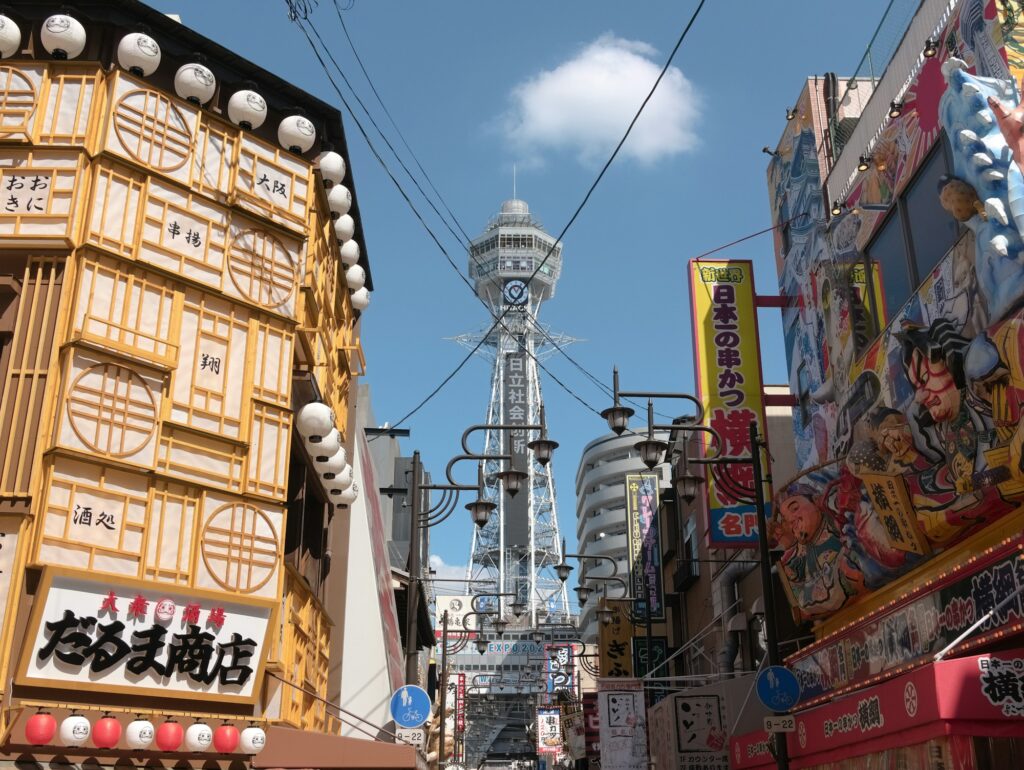
Shinsekai is a half-day stop, and it is better tasted than strolled. This Osaka neighbourhood dates from 1912, and its current Tsutenkaku Tower, built in 1956, stands 103 metres tall. Of the eleven outings in my selection, three go through its streets, for €115 to €193 for two adults. Every guide speaks English. I would start with the Dobutsuen-mae food tour.
When you plan Japan, you think Tokyo, then Kyoto, then you slip Osaka in to eat at Dotonbori. Shinsekai, four minutes away by subway, often stays off the map. Yet it is where Osaka tells its story best: neon signs from another era, Showa-era alleys, skewer restaurants with a queue outside and prices that have nothing to do with those downtown.
I sorted the experiences you can book around Shinsekai and Osaka with a clear cut-off: a rating of at least 4.7 out of 5 and at least 100 reviews. Eleven remain, and they come with two caveats. First, every guide speaks English, which helps if you do not speak Japanese, and I say so on each card. Second, only three outings really go through the neighbourhood: the others are next door (Namba, Nishinari) or further afield, and I present them as extensions. My recommended starting point, the 3-hour Dotonbori and Shinsekai tour, starts from Shinsekai itself. All prices are totals for two adults, checked for dates between 14 October and 12 November 2026.
Why Shinsekai: the Pixidia angle
The name means « new world ». The neighbourhood was founded in 1912 on the site of a national industrial exhibition that had drawn more than five million visitors in 1903 (JRPass). Its layout takes New York as a model in the south, with an amusement park inspired by Coney Island, and Paris in the north (Wikipedia). Luna Park closed in 1923, and the first Tsutenkaku tower, from 1912, was dismantled after a fire in 1943. The current tower dates from 1956 and is 103 metres tall (MLIT).
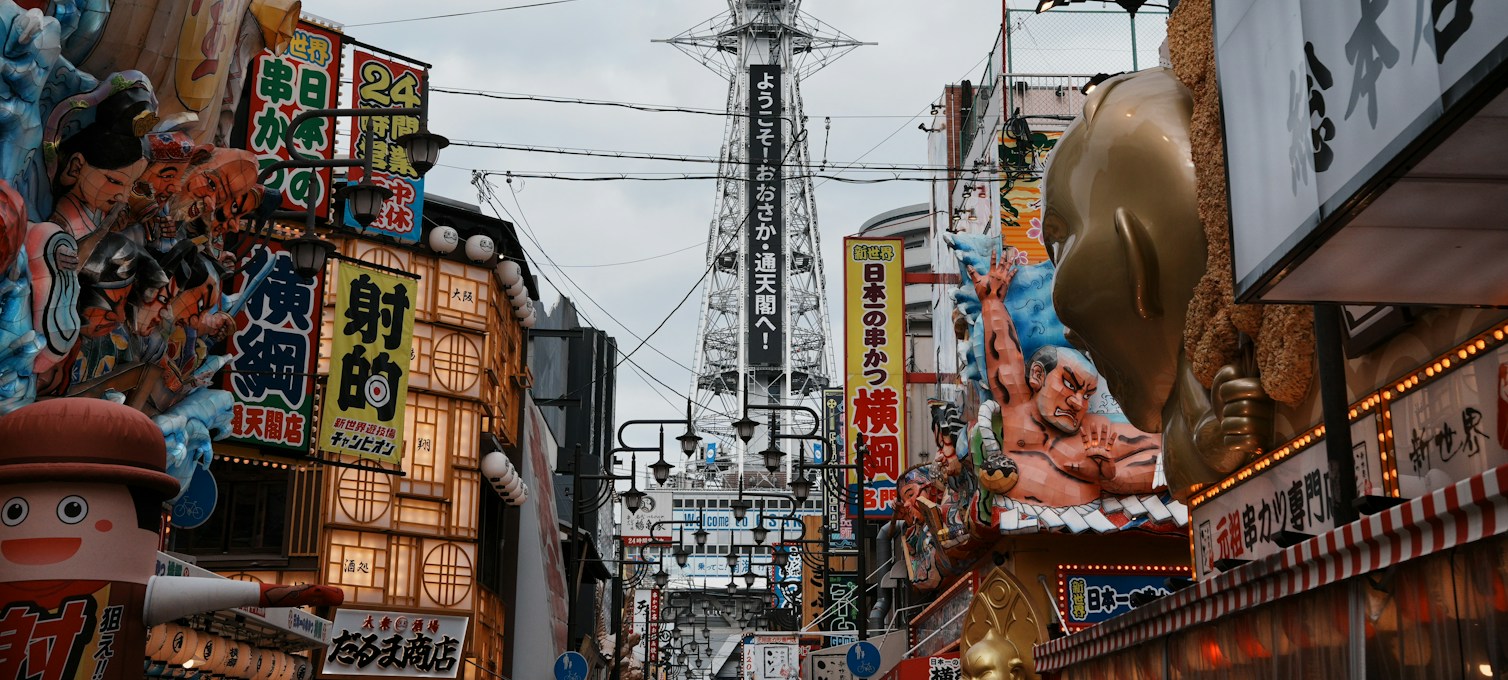
After the war, the neighbourhood entertained the workers rebuilding the city, then inherited a somewhat rough reputation, which recent guides qualify: the streets around Tsutenkaku are busy in the evening (Voyapon). That is why I describe it as working-class and a little rough, no more. It borders the north of Nishinari, one of the country’s more modest wards, and its emblematic dish, kushikatsu, was born from the cheap cooking of Showa-era workers (Osaka-info).
That leaves the idea of an « overshadowed » neighbourhood. Japan welcomed more than 42 million foreign visitors in 2025 (AGBrief), and Kyoto recorded 62.8 million visitors, including 12.7 million from abroad, a record that is pushing the authorities to spread the flows (The Star). Osaka benefited from the World Expo, with the Kansai region receiving as many visitors as the Tokyo region in 2025 (Travel Voice). The city is therefore no longer overshadowed in volume, but its neighbourhoods remain little known. For a wider trip, my Japan 2026 complete guide for travellers sets the scene, and the 48-hour foodie itinerary between Kyoto and Osaka covers the dining side.
The 11 best experiences in and around Shinsekai
Cards 1, 2 and 3 go through Shinsekai. Cards 4 to 7 are extensions in Namba, in Nishinari or at a local’s home, and cards 8 to 11 are off-beat outings or further afield. All tours are in English.
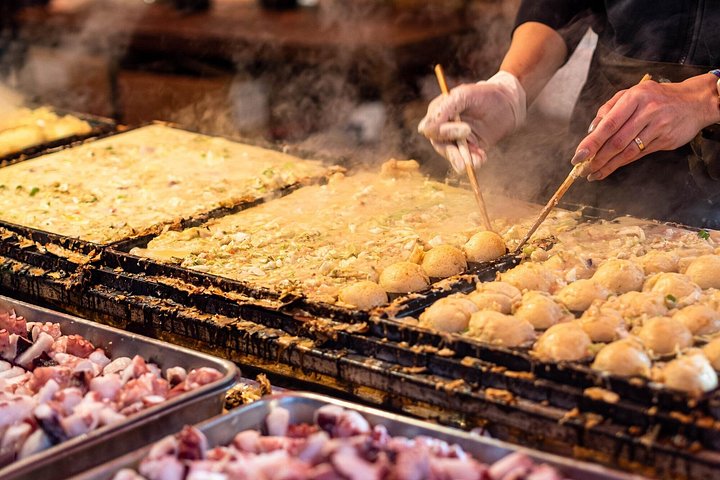
1. Dotonbori and Shinsekai on foot: kushikatsu and okonomiyaki
This is the tour that best fits the title of this article: the meeting point is at the Dobutsuen-mae station exit, so right in the neighbourhood, with a stop in the covered Janjan Yokocho alley and at the foot of Tsutenkaku Tower. The guide speaks English. I put it first because it teaches you the skewer rule before you break it on your own.
- 7 kushikatsu skewers, takoyaki and an okonomiyaki workshop
- 2 drinks included
- Departure at Dobutsuen-mae, facing exit 1
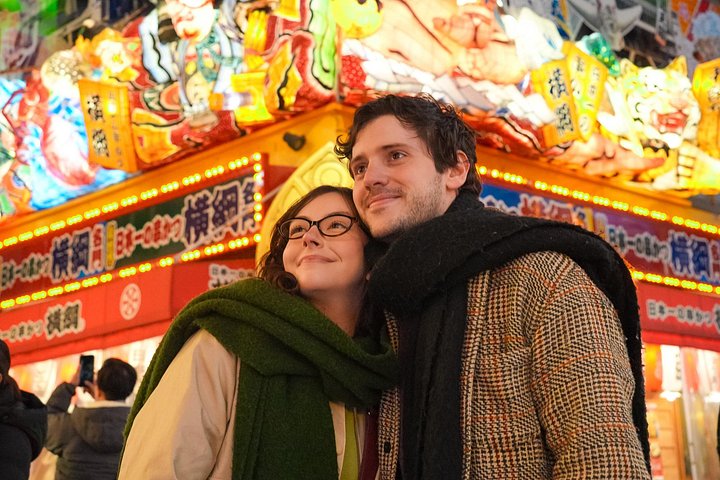
2. Osaka street food: 18 dishes at 4 eateries
The meeting point is in front of the Don Quijote in Shinsekai, easy to spot thanks to the big penguin on its facade, and the tasting then moves from counter to counter. With more than 3,000 reviews and a 4.95 average, it is the most solid pick of the lot. The price moves with the date, hence the range, and vegetarian menus are possible, sometimes with smaller portions. English-speaking guide.
- 18 dishes spread over 4 eateries
- 3 drinks included
- Departure in Shinsekai itself
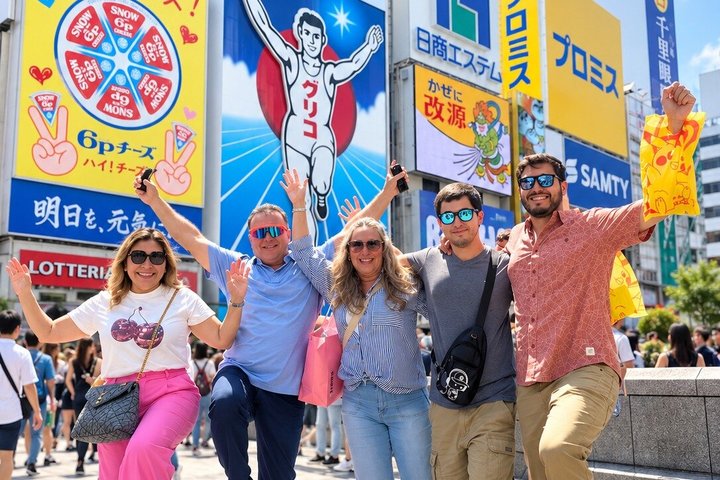
3. Castle, Shitenno-ji, Shinsekai, Kuromon and Dotonbori in 4 hours
This is the only multi-stop tour in the selection whose programme names Shinsekai, between the castle, Shitenno-ji temple, Kuromon Market and Dotonbori. If you only have half a day for Osaka, it gives you your bearings before you go further. The group is capped at 8 people, the guide speaks English, and the tour leaves from an underground arcade in the Sennichimae area, not from Shinsekai.
- Maximum group size of 8
- Historical context at every stop
- Castle, temple, market and neighbourhoods in one morning
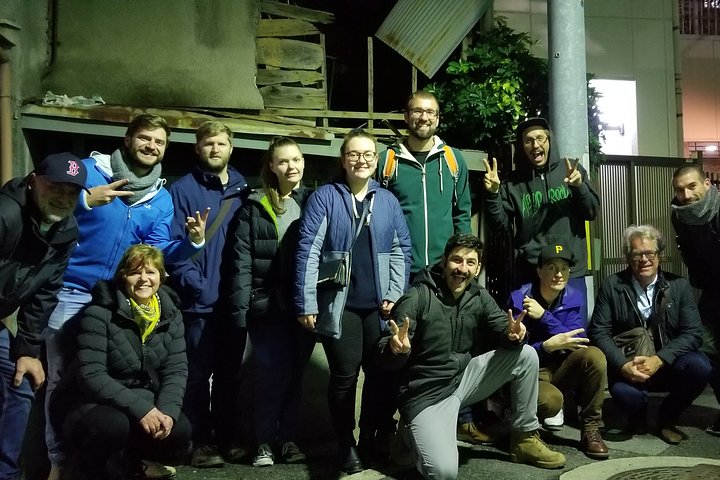
4. Working-class Osaka by night, optional dinner
The Viator listing leans heavily on the seedy side of the area. I sum it up more soberly: an evening walk through the working-class districts of southern Osaka, with a tasting at a street stall and an optional 5-course dinner. It starts at exit 1 of Daikokucho station, one stop from Namba. English-speaking guide, and the tour does not run every evening: 26 days out of 30 over the period I checked.
- Tasting at a street food stall
- Optional 5-course dinner
- Guide tips for continuing your evening
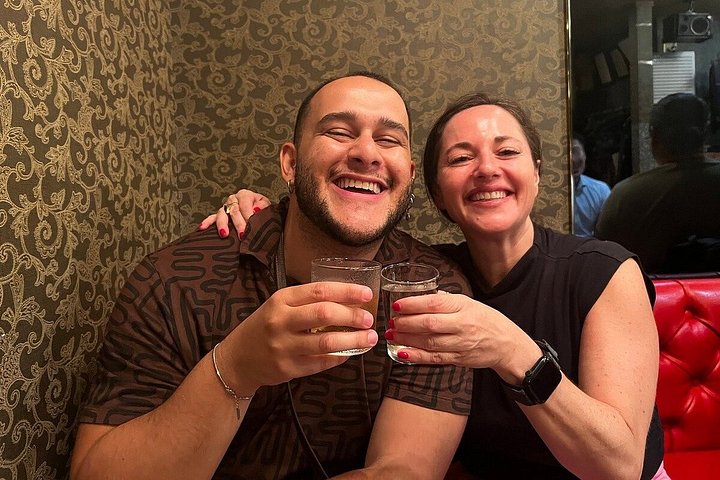
5. Izakaya hopping in a tiny group
This evening takes place around Namba and Dotonbori, not in Shinsekai, and that is precisely the point: you go at the end of the day, once you have seen the retro neighbourhood. Three guests at most, in bars with no English menu where the guide acts as go-between. It is in English, and only 25 days out of 30 were open over the period I checked, so look at your dates before planning the rest.
- 3 guests maximum per departure
- 10 tastings and 2 drinks
- Bars with no English menu, guide as intermediary
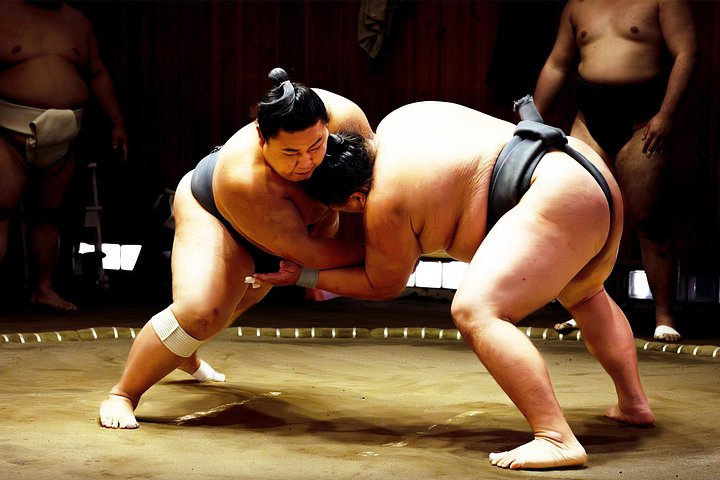
6. Sumo: training demonstration and a challenge in the ring
This is the best value for money on the list: a training demonstration commented on by former wrestlers, then a few places to step into the ring against one of them. The hall is in Nishinari, the ward that contains Shinsekai, next to Hanazonocho station. The commentary is in English, but the moves need no translation.
- Training demonstration and tachiai bout
- Limited places to challenge a wrestler
- English-speaking guide, short duration
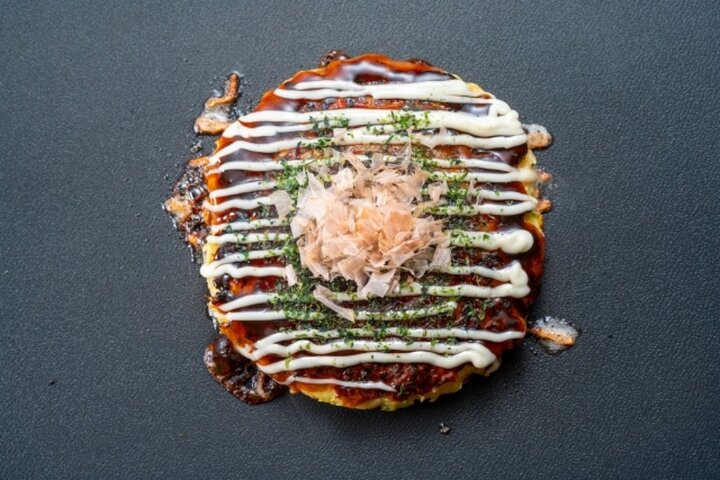
7. Okonomiyaki cooking class at a local’s home
This class is not in Shinsekai: it takes place at a local’s home in the Noda area. I suggest it as a follow-up to the kushikatsu, to cook the okonomiyaki you will have tasted on a tour, along with a miso soup, then eat it on the spot. Allow at least 24 hours to book, and expect teaching in English.
- Okonomiyaki and miso soup prepared by you
- Meal made of what you cooked
- Ingredients and utensils provided
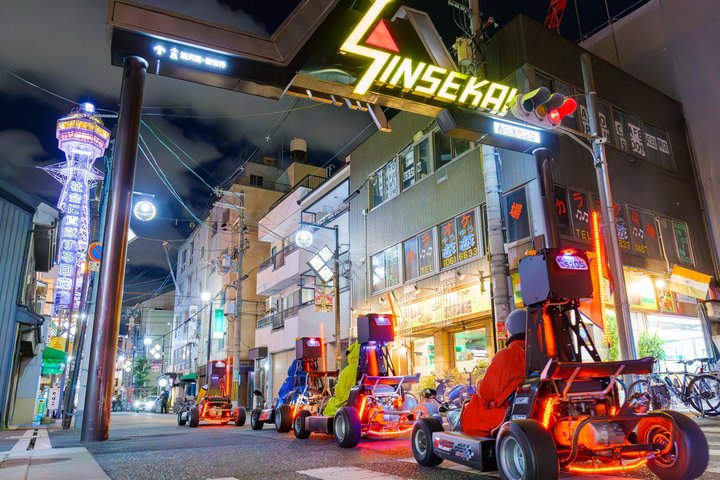
8. Costumed go-karting through Namba and Dotonbori
This is the off-beat outing of the list, with nearly 3,200 reviews and a 4.96 average. Before booking, check your licence, because it is the first cause of refusal at departure. You need a 1949 international driving permit in booklet format, or a Japanese licence. According to the listing, a foreign licence such as a French one is accepted with an official translation and your passport, and a plastic card licence on its own is not valid; check with the operator for your country. The meeting point is sent by the operator after booking.
- Costume rental, fuel and insurance included
- Valid licence and passport to present
- Route through Namba and Dotonbori
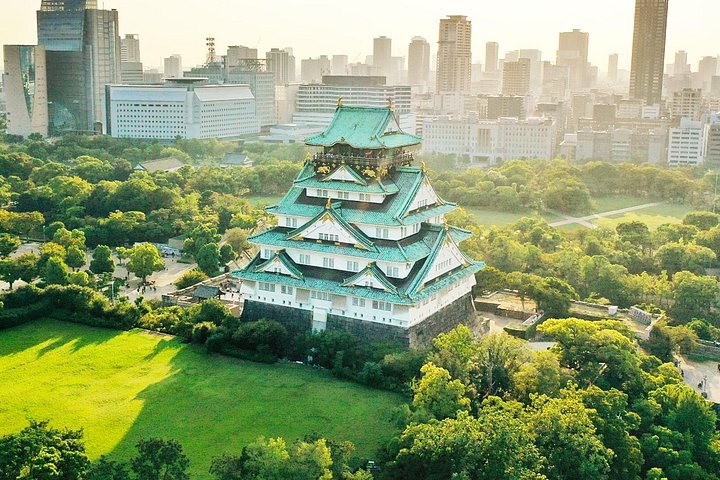
9. Osaka Castle: guided tour and tower admission
The castle is the city’s other pole, opposite Shinsekai: fortifications in the north, retro neon in the south. This 90-minute guided tour includes tower admission, which saves you buying a ticket on site, and explains the military design of the grounds. It leaves from the Banbacho stop, on the castle side. English-speaking guide.
- Castle tower admission included
- Military design and the largest stone of the grounds
- Departure at the Banbacho stop
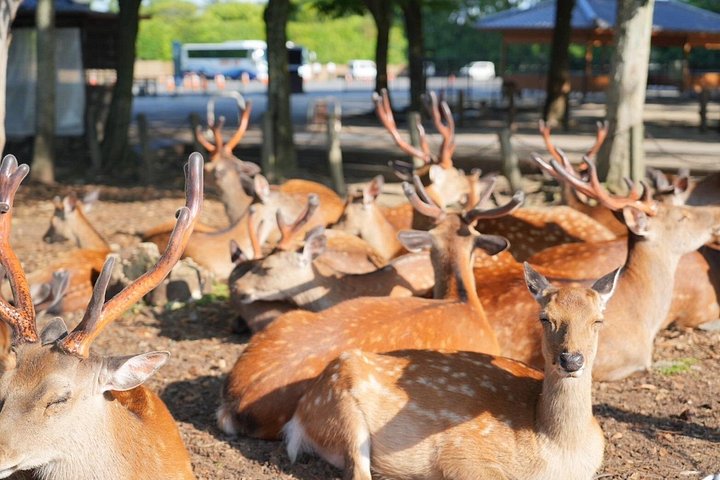
10. Nara early in the morning, before the afternoon crowds
When Kyoto is packed, Nara is the classic escape, as long as you arrive before the afternoon crowds. This outing links Kofuku-ji, Todai-ji, the park and Kasuga Shrine early in the day. You can join it from Osaka station, Kyoto station or directly in Nara. English-speaking guide.
- Kofuku-ji, Todai-ji, Nara Park and Kasuga Shrine
- Departure possible from Osaka, Kyoto or Nara
- Optional transport from Osaka or Kyoto
11. Private tailor-made half-day with a licensed guide
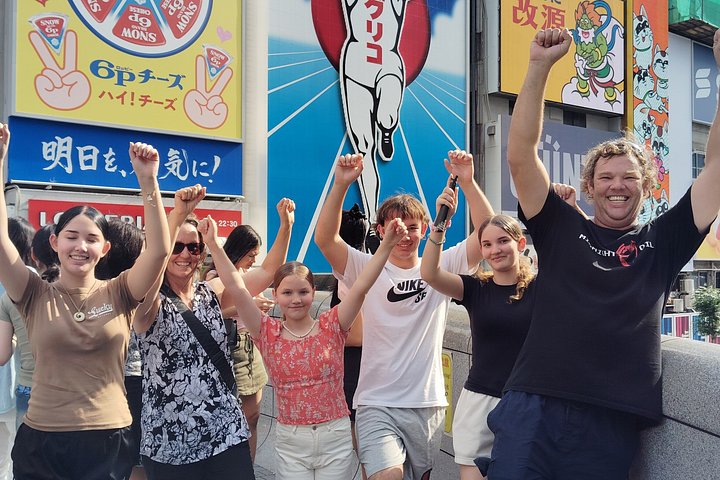
If you want to devote your half-day to Shinsekai without following a fixed programme, this is the à la carte option: a licensed guide, an itinerary of 4 to 8 hours that you choose, and Shinsekai or Dotonbori named in the description. Allow 48 hours’ notice. The guide speaks English or Japanese, and the meeting point is confirmed by the operator after booking.
- Customisable itinerary from 4 to 8 hours
- Licensed guide, English or Japanese
- Booking at least 48 hours ahead
Getting ready for the trip
A connection from the moment you land at Kansai, handy for finding your meeting point.
Get my eSIMCover abroad, with a quote in a few minutes.
See the priceCompare flights to Osaka before you lock in your dates. Prices change and are indicative.
See flights15 tastings, 4 drinks and 2 desserts, departing from Ebisucho, the north gate of Shinsekai. Rated 4.98 from 3,422 reviews, €150 for 2 adults, English-speaking guide.
Book the bonus experiencePractical tips on the ground
Arrive in the late afternoon: the signs light up, the kushikatsu restaurants open and Tsutenkaku Tower stays open until 10 pm (last entry around 9:30 pm according to Explore Osaka). Admission costs about 1,200 yen, and the opening hours changed in March 2026: check the official site before you go.
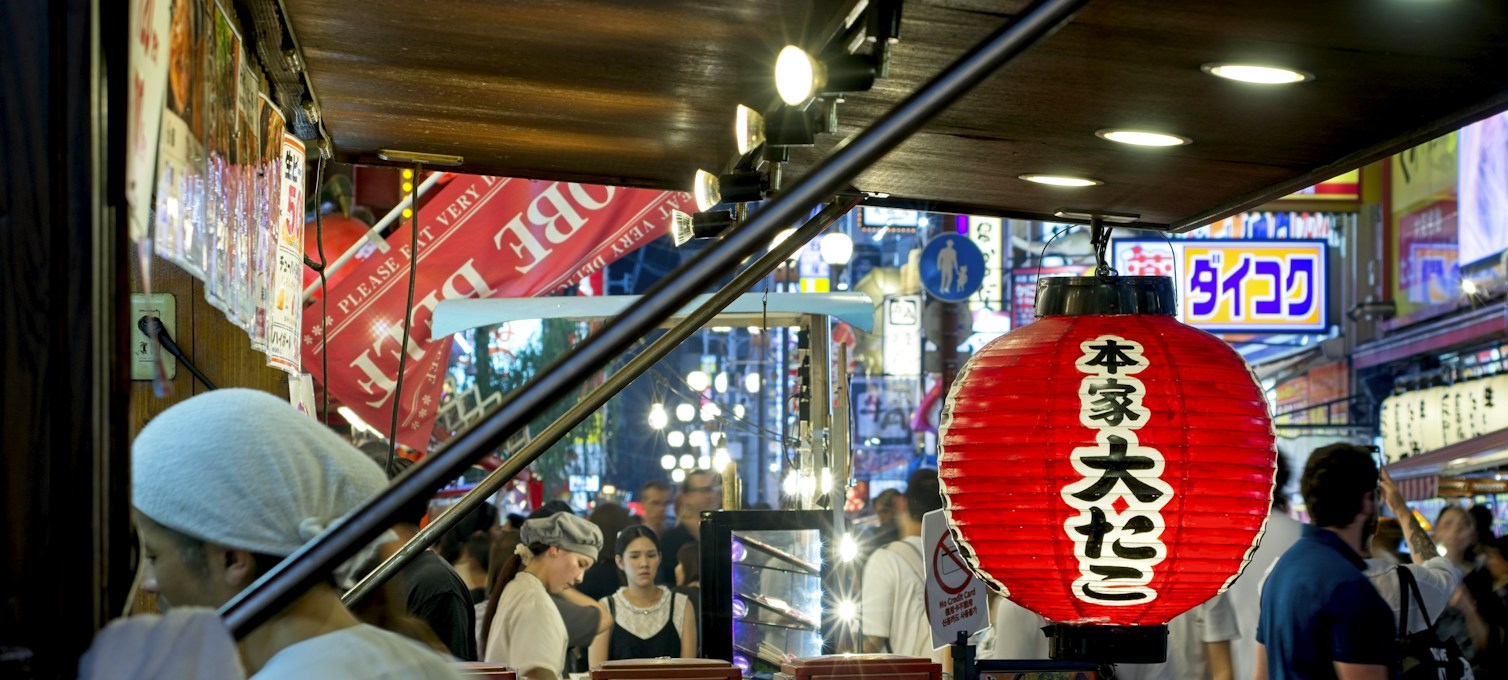
Getting there. On the north side, Ebisucho station (Sakaisuji line) is the closest to Tsutenkaku. On the south side, Dobutsuen-mae (Midosuji and Sakaisuji) opens onto Janjan Yokocho. Shin-Imamiya (JR, Nankai, subway) and Tennoji are also within walking distance. From Dobutsuen-mae to Namba, allow about 4 minutes.
One meeting point per tour. The departures are not all in Shinsekai: Dobutsuen-mae for the first, Don Quijote Shinsekai for the second, Daikokucho for the night walk, in front of the Bic Camera in Namba for the izakayas. Do not mix them up, and group your day along the Midosuji subway line to limit travel.
Transport pass. For a day of Shinsekai, Dotonbori and the castle, a subway pass (about 1,000 yen for 26 hours) is enough. The Osaka Amazing Pass, at 3,500 yen a day, only pays off with several paid admissions (official pass website).
Good to know. Bring cash for the small counter restaurants. The nearby Spa World bath complex does not admit people with tattoos. October and November are very good months, with 15 to 27 °C in October, but the November foliage draws bigger crowds. To continue on the food side, see also my selection of private cooking classes in Kyoto, and to anticipate the changes for travellers, what is changing in Japan in 2026.
Frequently asked questions
Is Shinsekai dangerous at night?
The tourist streets around Tsutenkaku Tower are busy and lively in the evening, and recent sources mainly report pickpockets and a few tourist scams there. My advice is to stay around Tsutenkaku and Janjan Yokocho, and not to wander south towards Shin-Imamiya or Dobutsuen-mae late at night, where poverty is visible. For an accompanied evening, look at the night walk or the izakaya tour.
How long should you spend in Shinsekai?
Allow about 3 hours for a walking tour with tastings, as in the Dobutsuen-mae food tour. To add the climb up Tsutenkaku and a proper meal, aim for half a day, ideally from late afternoon into the night, when the signs light up.
What is the kushikatsu rule?
A breaded, deep-fried skewer never goes back into the shared sauce once it has been bitten: no double dipping. The cabbage served alongside is for re-saucing and is unlimited. One source attributes the rule to a Shinsekai restaurant in 1929, so I cite it with caution.
Shinsekai or Dotonbori: which one should you choose?
Both, since one subway stop separates them: Dobutsuen-mae to Namba takes about 4 minutes. Shinsekai is more retro, more local and cheaper for eating. Dotonbori is denser, brighter and more practical for a first evening. The first tour on the list combines the two neighbourhoods, in fact.
Are the tours guided in English?
Yes, all eleven experiences in this selection are guided in English, and the kart outing and the private guide also offer Japanese. If you prefer to rely less on talk, choose the sumo show, whose moves can be understood without words, or a self-guided visit using the pointers in this article.
Can you rent a kart in Osaka with a foreign driving licence?
Yes, according to the listing for the costumed kart outing, with an official translation of the licence and your passport. A 1949 international driving permit in booklet format and a Japanese licence are also accepted. Plastic card licences on their own are not valid: check these documents with the operator before booking.
Sources
- Wikipedia, Shinsekai: accessed 2026-10-07
- Wikipedia, Luna Park Osaka: accessed 2026-10-07
- JRPass, Shinsekai: accessed 2026-10-07
- MLIT, Tsutenkaku Tower: accessed 2026-10-07
- Voyapon, Shinsekai Osaka (in French): accessed 2026-10-07
- Osaka-info, kushikatsu (in French): accessed 2026-10-07
- Explore Osaka, Tsutenkaku Tower (prices and hours): accessed 2026-10-07
- Japlanease, safety in Shinsekai: accessed 2026-10-07
- Sacavoyage, areas to avoid in Osaka: accessed 2026-10-07
- Osaka Amazing Pass, official website: accessed 2026-10-07
- AGBrief, 42 million visitors to Japan in 2025: accessed 2026-10-07
- The Star, Kyoto visitor record in 2025: accessed 2026-10-07
- Travel Voice, JNTO and the regions: accessed 2026-10-07
Plan your trip with Pixidia
Pixidia learns how you travel and helps you build a trip that truly fits you and everyone coming along.
Open the planner