
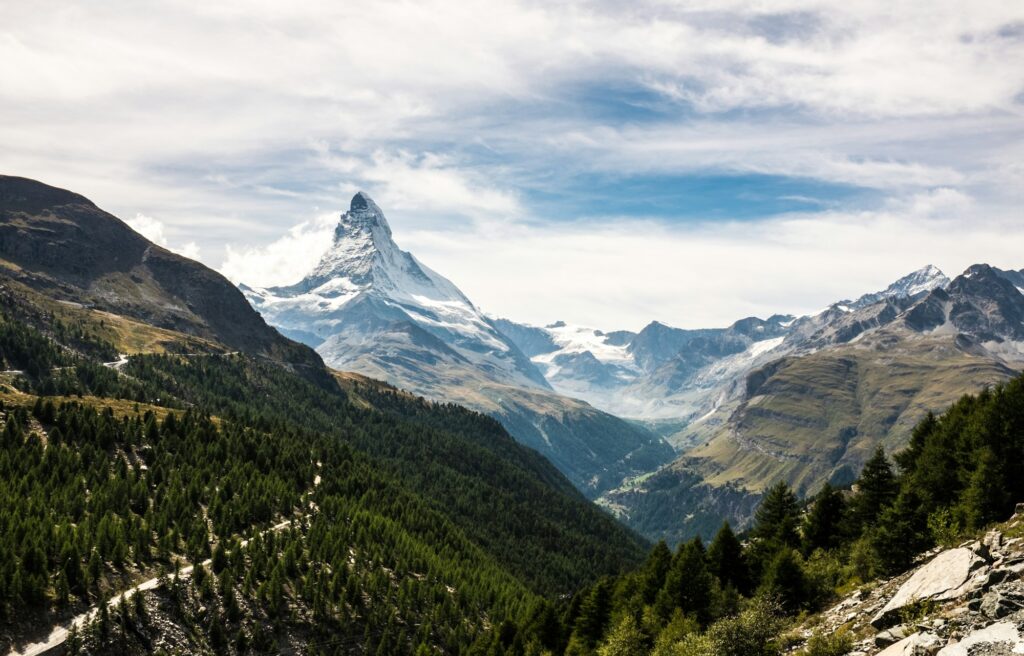
On Sunday 13 December 2026, Swiss Federal Railways (SBB) moves to the 2027 timetable with an average rise of 3.6% in national long-distance fares. A 2nd-class GA rises to CHF 4,095 and the Half-Fare Travelcard to CHF 195. Thirteen ticket offices become self-service on 1 January 2027, and the links to Italy are still draft plans.
Checked on against the official sources we read (tp-info.ch, sbb.ch, swiss-pass.ch). The Price Supervisor’s figures are reported by the press.
On 13 December 2026 the Swiss timetable changes, and fares change with it. If you’re riding Swiss trains, or heading to Switzerland from the UK, France, Italy or Germany, the change you’ll feel first is the roadworks: the Lausanne – Paris service via Vallorbe is suspended from 10 to 25 October 2026, and Zurich – Salzburg journeys get up to an hour longer from 15 October to 12 December 2026. Higher fares, thirteen ticket offices closing on 1 January 2027 and new links, some of them still only proposals, come next.
This article separates what is confirmed from what isn’t yet. The price rise figures come from the Price Supervisor’s statement of 4 August 2026. We only read that statement through the press that quotes it, so we report the figures as those outlets give them. The official pages of SBB, tp-info and swiss-pass.ch were checked on 17 October 2026. Connections still need checking against the final timetable.
1. 13 December 2026, a date set by a rule
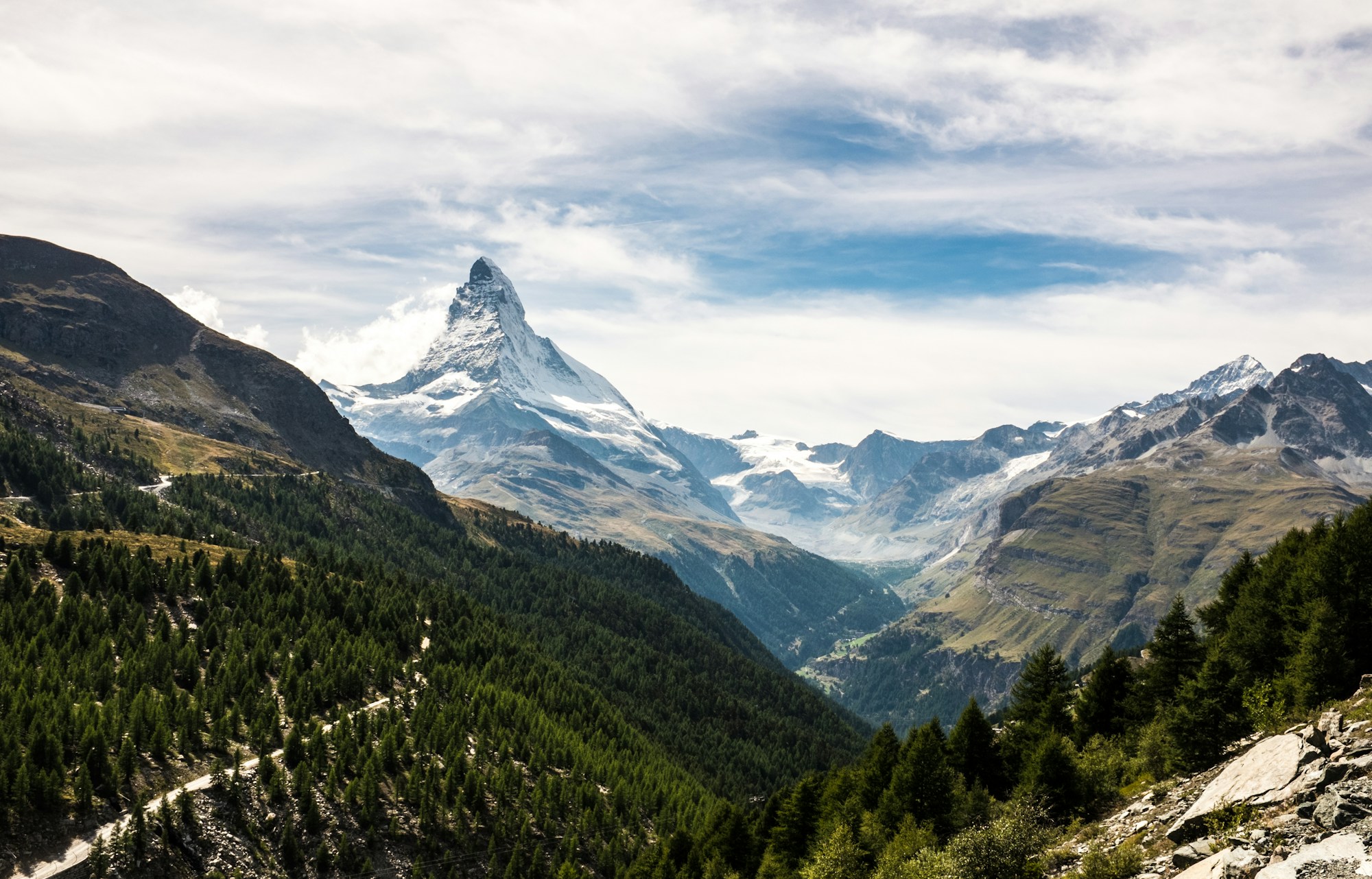
Sunday 13 December 2026: the new timetable
The Swiss timetable changes every year in mid-December. The rule is set by the industry association and published on tp-info: the new timetable starts on the Sunday after the second Saturday in December and runs for one year. The date is fixed between 9 and 15 December. For 2026, that’s Sunday 13 December. tp-info gives Sunday 12 December 2027 as the next change, while a source from the Federal Office of Transport (BAV) gives 11 December 2027 as the last day of the 2027 timetable.
The process follows a known calendar. The draft timetable was published in May 2026 and put out for public consultation from 22 May to 9 June 2026. tp-info expected the final timetable in September 2026. We found no confirmation that it has been published as of the check on 17 October 2026, so look up the timetable on sbb.ch before you buy. The official timetable book follows in November.
Key points
- The new timetable starts on Sunday 13 December 2026, not 14 December: articles that cite 14 December describe the 2025 change.
- The timetable change and the fare rise fall on the same day, but they are two separate decisions.
- International fares aren’t covered by the Swiss statement.
- Italian and French connections need checking against the final timetable before you buy.
If you want to see Switzerland from a panoramic train, the Glacier Express is one option. This tour leaves from Zurich, the station where several of the connections in this article start. Allow about 10 hours for the day. A seat on the Glacier Express is reserved and a guide meets you at Zurich HB; lunch isn’t included and you pay for it on board. A full refund is possible up to 24 hours before departure, and confirmation is instant. The check on 17 October 2026 shows departures open every day from 18 October to 16 November 2026, so 30 days out of 30. Beyond that window, check the dates on the listing before you book.
2. Fare rises: what actually goes up
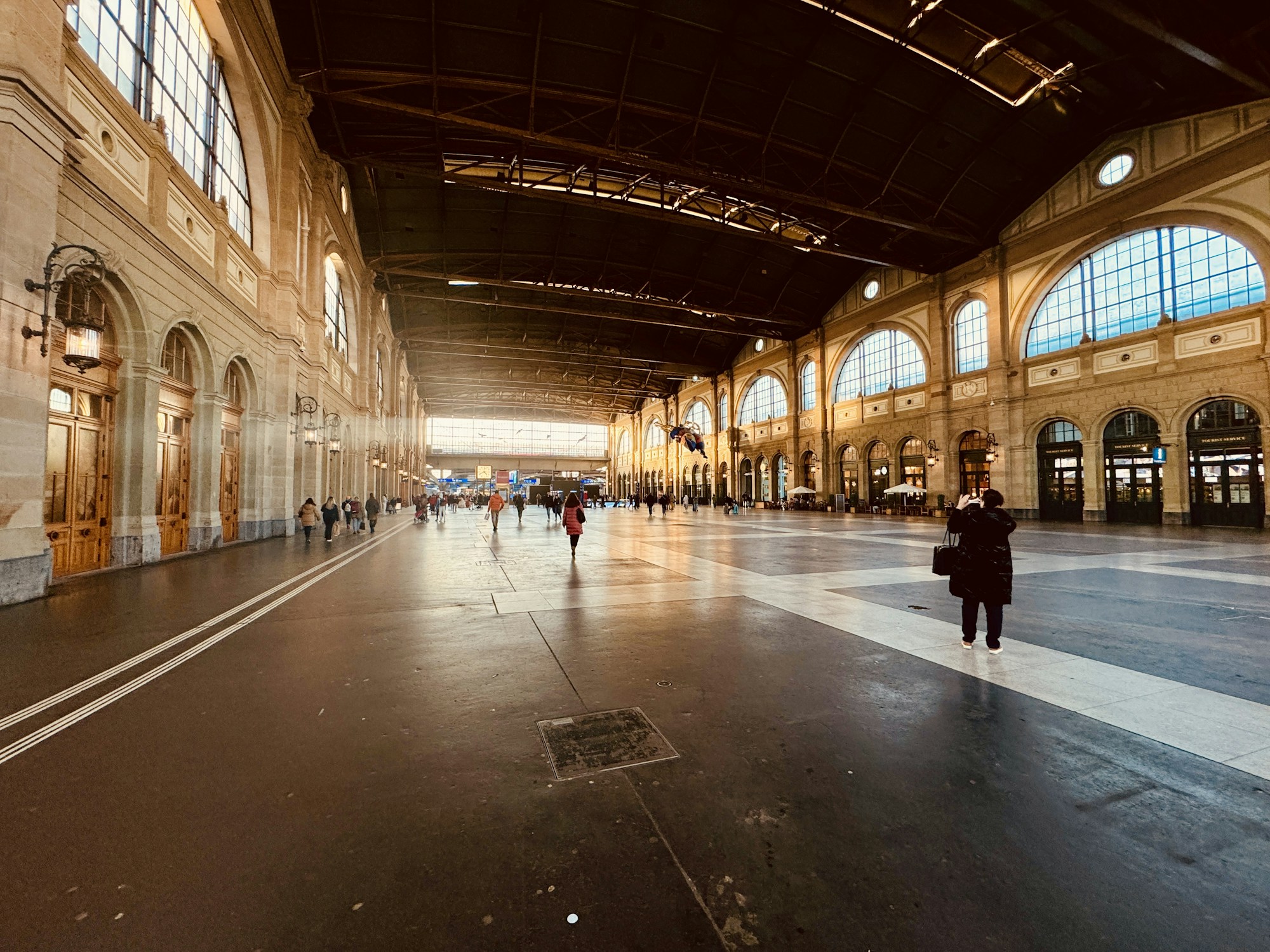
Half-Fare Travelcard and GA: the prices that move
The national fare rise was negotiated. On 31 March 2026 the SwissPass Alliance filed an average rise of 3.9% for national long-distance services, to take effect on 13 December 2026. After talks with the Price Supervisor, the rise came down to 3.6% on average. The Price Supervisor’s statement, dated 4 August 2026, is covered by the Swiss press, notably Bluewin. We haven’t read it directly.
Season passes account for the biggest rises. The adult 2nd-class GA goes from CHF 3,995 to CHF 4,095, up CHF 100, and the 1st-class GA from CHF 6,520 to CHF 6,770, up CHF 250. The original filing was CHF 200 more for the 2nd-class GA, at CHF 4,195. The adult Half-Fare Travelcard goes from CHF 190 to CHF 195, and its loyalty card from CHF 170 to CHF 175. According to the statement as reported by the press, children, young people and families are affected little or not at all. No precise figure was published for them in the sources we read.
| Product | Before 13 December 2026 | From 13 December 2026 | Change |
|---|---|---|---|
| GA 2nd class | CHF 3,995 | CHF 4,095 | +CHF 100 |
| GA 1st class | CHF 6,520 | CHF 6,770 | +CHF 250 |
| Half-Fare Travelcard (Halbtax) | CHF 190 | CHF 195 | +CHF 5 |
| Half-Fare Travelcard loyalty card | CHF 170 | CHF 175 | +CHF 5 |
| National long-distance service, average | Baseline | +3.6% on average (filed at +3.9%) | 0.3 point moderation |
Source: sbb.ch, Half-Fare Travelcard page, checked on 17 October 2026; GA prices and the average rise as reported by the press citing the Price Supervisor’s statement of 4 August 2026 (document not read directly).
International fares aren’t covered by this statement. TGV Lyria, EuroCity, Trenitalia trains, Nightjet and DB Sparpreis tickets follow their own rules. For a trip from Paris to Geneva, Milan to Zurich or Munich to Zurich, check the price on the operator’s website, and don’t work it out from the Swiss rise.
Regional fares follow a different logic, because each region sets its own. For the figures we checked for this article, the ZVV (Zurich) rises by 2.7% on average on 13 December 2026. Passepartout (Lucerne and neighbouring cantons) rises by 3.7% on average, according to an extract from the association’s table. We couldn’t check the full table, so treat both figures as rough guides and check the tariff for your own region.
3. Cut-price tickets and travel passes
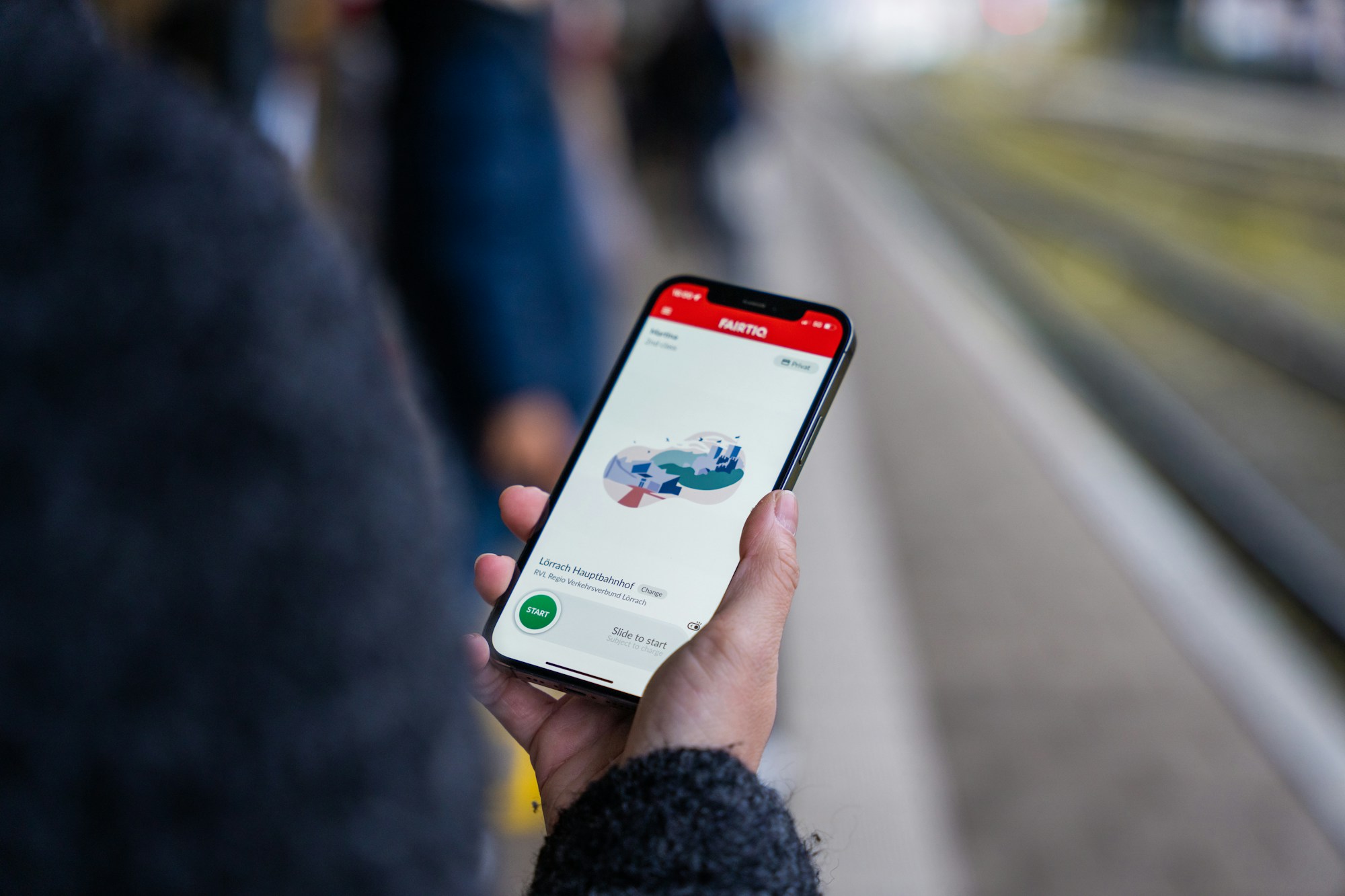
Cut-price tickets: at least CHF 90 million in discounts in 2027
For 2027 (1 January to 31 December 2027), SBB commits to offering cut-price tickets worth at least CHF 90 million in discounts, according to the Price Supervisor’s statement as reported by the press. The statement doesn’t say how many tickets will go on sale each day, or on which trains. A discount volume isn’t a number of seats, so check the price of your exact journey in the app.
Cut-price tickets still follow the conditions of each product. According to an undated sbb.ch page, checked on 17 October 2026 and still to be reconfirmed, the Nightjet Komfort package costs 50% of the fare as a cancellation fee, with a minimum of CHF 15, if you cancel between 14 days and one day before departure. The same page says Lyria Semi Flex allows an exchange or a refund with a fee, and that Italy Smart 2 is non-refundable. For changing the Swiss part of a DB Sparpreis ticket, the page gives a CHF 10 fee; DB’s help pages list €10 for an exchange, so check the currency on the operator’s page. Read the page when you buy, because these rules change.
Tourist passes aren’t covered by the Swiss statement. The 2026 Swiss Travel Pass costs CHF 254 for 3 days in 2nd class and CHF 439 for 8 days, against CHF 405 and CHF 697 in 1st class, according to the 2026 prices published on swiss-pass.ch. The Swiss Half Fare Card, for non-residents only, costs CHF 150 for an adult. Its validity is described differently across the swiss-pass.ch pages, so check it on the site before you buy.
Only one press source, travelswitzerland, says these passes won’t change in the December 2026 rise. It isn’t an official statement, and no document from the SwissPass Alliance or the Price Supervisor confirms it. The official sources we read give no 2027 prices for these passes, so reconfirm before you buy a pass for the winter.
4. Italy: Venice and La Spezia gain trains, Florence and Milan lose some (draft timetable)
Zurich, Venice, La Spezia, Florence: the links to Italy
The links to Italy are the most striking part of the draft 2027 timetable. Zurich – Venice would go from one to two return trips a day, by extending a train that currently ends in Lugano. Zurich – La Spezia would run all year round, via Genoa, dropping its seasonal extension to Livorno. Zurich – Florence would stop at Bologna, with an extension to Rimini in summer only. This information comes from the draft published in May 2026, and the final timetable has to confirm it.
The trade-off falls on the Basel or Lucerne – Milan service, which would end in Lugano for lack of train paths. The Milan – Basel direction is described differently across sources, so only the final timetable will settle it. Until then, don’t plan a tight connection on that stretch without checking first.
On the roadworks side, SBB already flags one train fewer per direction, Monday to Friday, on Basel – Bern – Milan and on Geneva – Brig – Milan, until summer 2027 at least. Works between Domodossola and Milan are planned until 2028 at least. To compare the night train and flying to Italy on price, journey time and CO2, see our night train or plane to Italy comparison.
| Link | Announced change | Status |
|---|---|---|
| Zurich – Venice | Two return trips a day instead of one | Draft timetable, May 2026 |
| Zurich – La Spezia | Daily link all year, via Genoa | Draft timetable, May 2026 |
| Zurich – Florence | To Bologna, Rimini in summer only | Draft timetable, May 2026 |
| Basel or Lucerne – Milan | Terminus at Lugano for lack of train paths | Draft; Milan – Basel direction to be settled |
| Lausanne – Paris via Geneva (Lyria) | Three return trips a day | Announced by SBB, from 5 April 2027; not confirmed by SNCF or Lyria |
| Zurich – Amsterdam (Nightjet) | New-generation rolling stock, including mini cabins | To check on oebb.at |
Source: laRegione (21 May 2026), iamexpat (28 May 2026), voyages-d-affaires.com (29 May 2026) and ÖBB via treinreiziger.nl, checked on 17 October 2026. These are press reports, not official timetables.
5. Lausanne, Geneva and the Léman Express
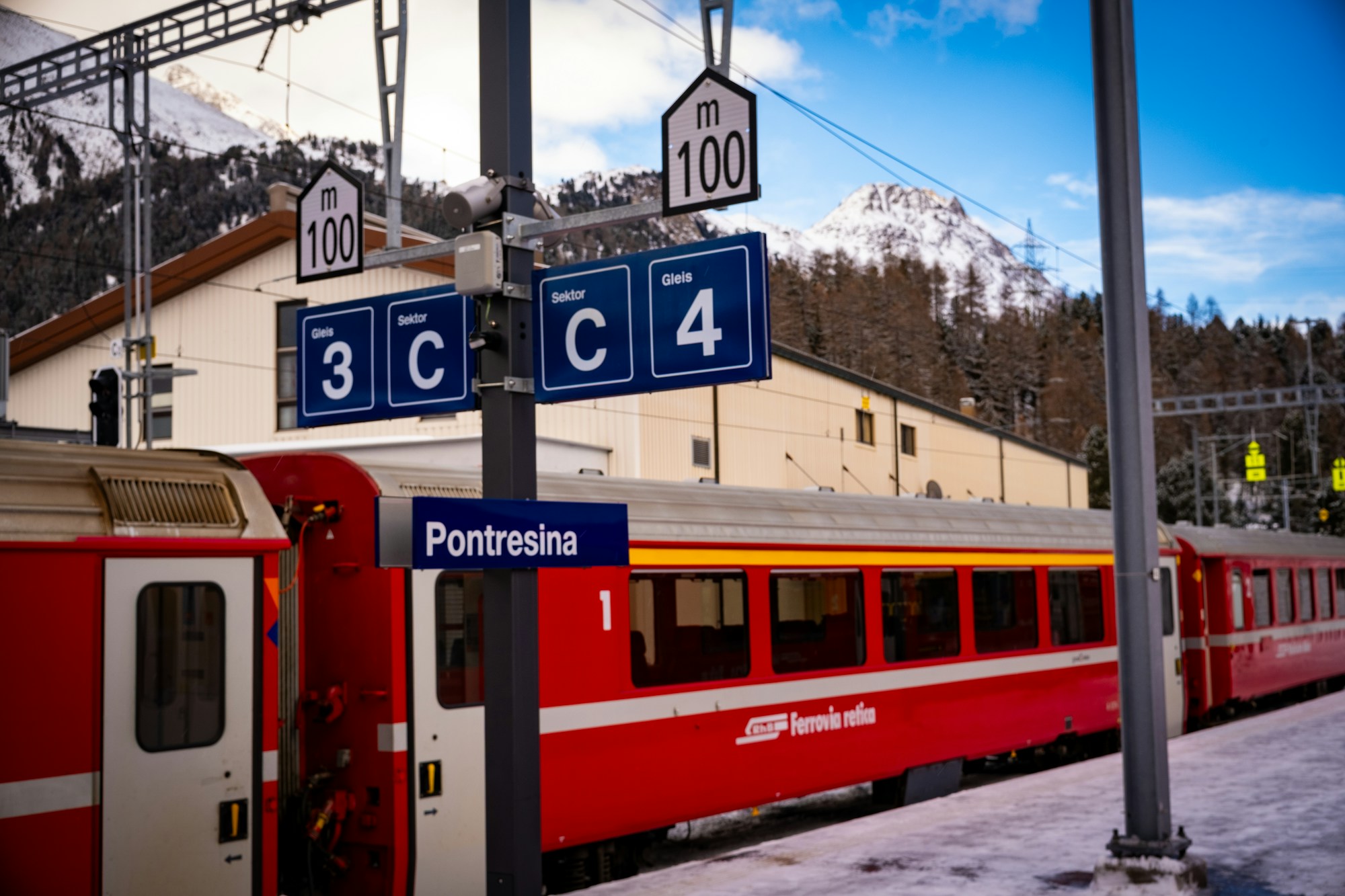
Lausanne – Paris: a link that’s changing
In 2026, most TGV Lyria Paris – Geneva trains don’t serve Lausanne. You change in Geneva, with 20 to 30 minutes of extra connection time, or take the direct link through the Jura, which only runs on certain days. That link is suspended from 10 to 25 October 2026 for works on the Mont-d’Or tunnel. If you’re travelling from London, the Lausanne leg is the one to plan carefully.
According to SBB, three return trips a day Lausanne – Paris via Geneva would come back from 5 April 2027. The announcement was reported by voyages-d-affaires.com and isn’t confirmed by SNCF or Lyria at the time of checking. Treat it as an announcement, not a timetable you can count on.
Léman Express: what changes around Geneva
With the 2027 timetable, SBB announces a one-off boost: a second train unit on some runs of lines L1, L5 and L6. The list of runs isn’t published in the sources we read, so we can’t give specific times. Works between Satigny and Bellegarde, from 4 January 2026 to 23 April 2027, change the service on lines L5 and L6, according to the Léman Express traffic page.
6. Night trains and Zurich airport
Nightjet, night S-Bahn and the IRN3 trial
The Nightjet Zurich – Amsterdam would move to new rolling stock, including mini cabins, from 13 December 2026. This comes from a source relaying ÖBB, with no direct confirmation read so far. Check it on oebb.at before you book, and check the train number when you buy.
At Zurich airport, two projects would strengthen night services. According to the press, the SN22 S-Bahn would be extended to the airport, arriving at 4:39 am. A night train trial between Zurich HB and Chur, called IRN3, is also announced, with a timed return for the first flights. The sources we read don’t agree on the slot: some give a departure at 1:20 am at weekends, others evenings on Fridays and Saturdays. The timetable still needs confirming. SRF confirms the principle of the trial.
7. Ticket offices: thirteen go self-service on 1 January 2027
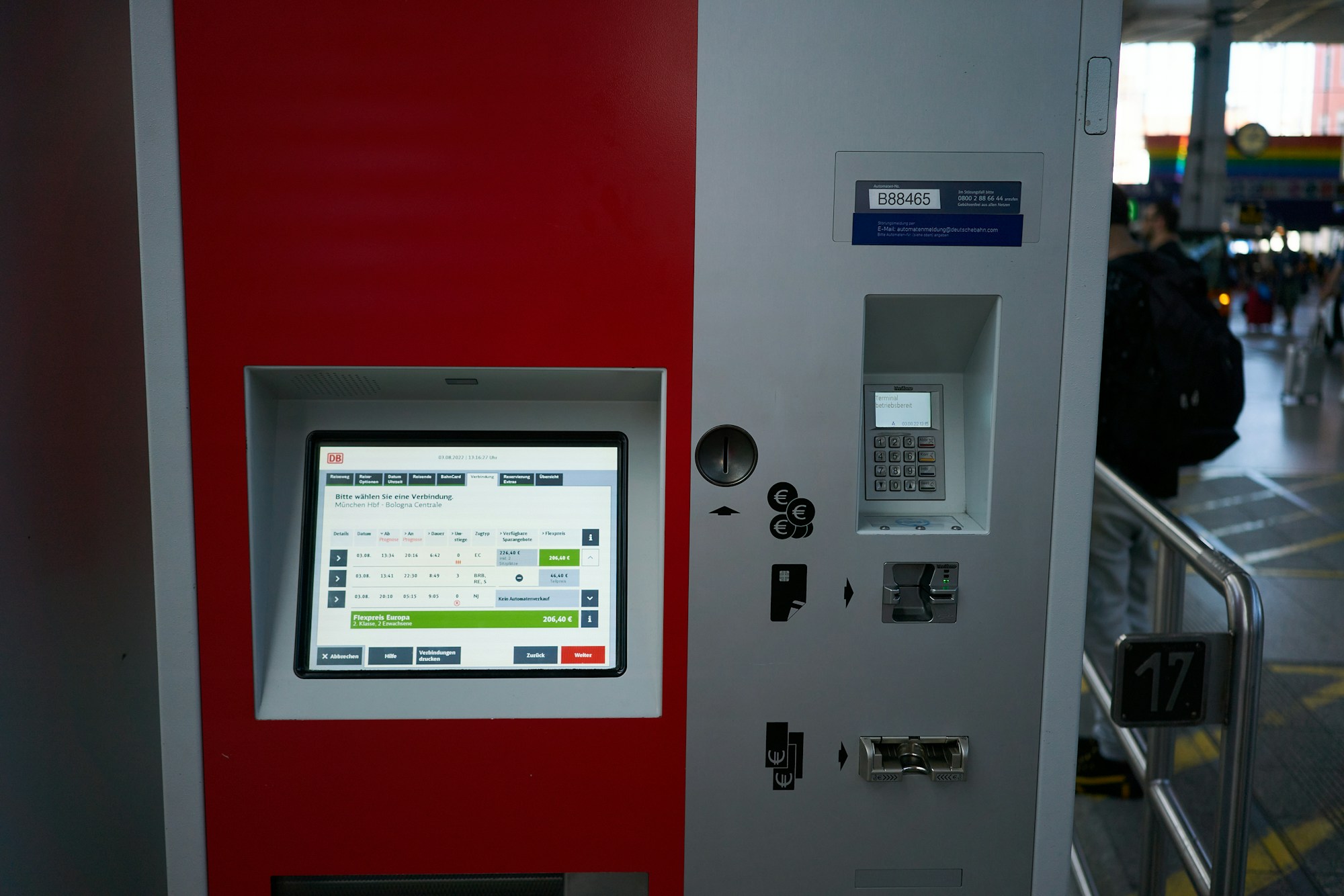
The sites that go self-service
On 1 January 2027, thirteen SBB ticket offices become self-service. SBB confirmed the news to the Keystone-SDA news agency on 7 October 2026. The sites are Arbon, Brunnen, Döttingen, Frick, Genève-Eaux-Vives, Laufen, Oensingen, Rotkreuz, Schönbühl Shoppyland, St. Margrethen, Stein am Rhein, Uznach and Ziegelbrücke.
The reason is in the numbers. Ticket office sales now make up about 3% of tickets, against a little under 10% in 2019. According to SBB, 97% of tickets are bought self-service, 85% of them digitally. The network has 115 well-served sites today, and 102 will remain at the start of 2027. No job losses have been announced.
If you buy at the ticket office
- Install the SBB Mobile app and set up your account before 1 January 2027.
- Use the station machines to buy your tickets.
- For regular journeys, compare the single fare with a season pass before 13 December 2026.
8. Roadworks, October to December 2026
Several works change trains before the timetable change even starts. Reread this table when you book, as works can be moved.
| Period | Line | Expected effect |
|---|---|---|
| 10 to 25 October 2026 | Lausanne – Paris via Vallorbe | TGV suspended (Mont-d’Or tunnel) |
| 12 to 30 October 2026 | Schaffhausen – Stuttgart | Works on the line |
| 12 October to 6 November 2026 | Lindau – Munich | Works, EC trains cancelled on some days |
| 15 October to 12 December 2026 | Zurich – Salzburg | Journeys up to 1 hour longer |
| 13 to 16 November 2026 | Basel – Paris | Works, TGVs cancelled on 14 and 15 November |
| 18 to 23 November 2026 | Arlberg line | Line closed |
Source: sbb.ch, Europe timetable changes, checked on 17 October 2026.
What other guides don’t tell you
These points, taken from the sources we read (official or relayed by the press, noted for each one), don’t appear in the guides we checked.
- The average rise is 3.6%, not 3.9%. The Price Supervisor secured a moderation after negotiation with the SwissPass Alliance and SBB. Bluewin, which reports the Price Supervisor’s statement (checked 17 October 2026, statement of 4 August 2026, document not read directly).
- Thirteen SBB ticket offices go self-service on 1 January 2027. The full list is given above, and the reason is that about 3% of sales now happen at the counter. Keystone-SDA via cash.ch, with confirmation from SBB (checked 17 October 2026, news of 7 October 2026).
- The 2026 date is 13 December, not 14. Articles citing 14 December describe the 2025 change. tp-info.ch, timetable year and timetable change (checked 17 October 2026).
- The return of three daily return trips Lausanne – Paris is an SBB announcement. It isn’t confirmed by SNCF or Lyria yet, and it targets 5 April 2027. voyages-d-affaires.com, 29 May 2026 (checked 17 October 2026, press only).
- At least CHF 90 million of cut-price tickets is announced for 2027. The period covers 1 January to 31 December 2027, and the discount volume doesn’t tell you how many seats are involved or on which trains. Bluewin, reporting the Price Supervisor’s statement (checked 17 October 2026).
Practical info before you book
Tickets are bought in the SBB app, on sbb.ch, at machines or at the ticket office. For most Swiss journeys, a ticket or pass is enough without a reservation. Some panoramic trains require a reservation, or offer one as an option (swiss-pass.ch). On some trains to France and Italy, travellers report that a reservation is required, so check with the operator.
For an international trip, buy your ticket from the operator of the train concerned, rather than assuming a Swiss ticket covers the rest of your journey. Keep the timetable in your app and check the platform before you board.
Two points are still open at the check date. Cut-price tickets for 2027 don’t have a published list of trains yet, so check the fare for each journey when you buy. Tourist pass prices for 2026 are published, but no change for 2027 has been announced.
Frequently asked questions about the SBB timetable change
When does the SBB timetable change?
The SBB timetable changes on Sunday 13 December 2026. The rule set by the industry association is that the new timetable starts on the Sunday after the second Saturday in December, and runs for a year. tp-info gives Sunday 12 December 2027 as the next change.
What’s new in the 2027 timetable?
The biggest changes involve Italy: Zurich – Venice would run two return trips a day, Zurich – La Spezia would run all year, and Zurich – Florence would stop at Bologna. According to SBB, three daily return trips Lausanne – Paris via Geneva are announced for 5 April 2027. These come from the draft timetable of May 2026 and must be confirmed in the final timetable.
How much does an SBB ticket cost in 2027?
There’s no single fare, because the price depends on the journey. The Price Supervisor’s statement, as reported by the press, puts the average rise on national long-distance services at 3.6% from 13 December 2026, with a 2nd-class GA at CHF 4,095, a 1st-class GA at CHF 6,770 and a Half-Fare Travelcard at CHF 195. For a single ticket, read the exact price in the SBB app.
Where can I buy an SBB ticket without going to the ticket office?
The SBB Mobile app, the sbb.ch website and the station machines all let you buy a ticket without going to the counter. According to SBB, 97% of tickets are already bought self-service, 85% of them digitally. Ticket office sales now make up only about 3% of tickets.
What are cut-price SBB tickets, and what are the conditions?
A cut-price ticket is a reduced-price ticket whose exchange or cancellation conditions depend on the product. The Price Supervisor’s statement announces at least CHF 90 million in discounts for 2027, from 1 January to 31 December 2027. Read each product’s conditions on sbb.ch before you buy, as the page we checked isn’t dated.
Is the Lausanne – Paris train direct?
Not always. In 2026 most TGV Lyria Paris – Geneva trains don’t stop in Lausanne, so you change in Geneva. A direct link via the Jura runs on some days, but it’s suspended from 10 to 25 October 2026. SBB says three return trips via Geneva would come back from 5 April 2027.
Is the Half-Fare Travelcard still worth it?
For an adult, the Half-Fare Travelcard costs CHF 195 a year from 13 December 2026, against CHF 190 before. It halves the price of full-fare tickets, so it pays off from about CHF 390 of full-fare tickets a year. That threshold is our own calculation, and it doesn’t include discounts you already get on your tickets.
Do timetables change in Geneva and Lausanne too?
Partly. With the 2027 timetable, SBB announces a second train unit on some runs of Léman Express lines L1, L5 and L6, with no published list of runs. The works between Satigny and Bellegarde, from 4 January 2026 to 23 April 2027, also change the service on lines L5 and L6. Check the Léman Express traffic page before each journey.
Are there night trains from Switzerland in December 2026?
Yes, a Nightjet runs from Zurich to Amsterdam, with new-generation rolling stock announced from 13 December 2026, according to a source relaying ÖBB. Check it on oebb.at. Two night projects to Zurich airport, the SN22 S-Bahn and the IRN3 trial, are announced in the press without a final timetable. The Zurich – Salzburg works, from 15 October to 12 December 2026, make some journeys to Austria up to an hour longer.
Do ZVV or regional fares go up too?
Yes, depending on the region, because each community sets its own fares. For the figures checked for this article, the ZVV (Zurich) rises by 2.7% on average on 13 December 2026. Passepartout (Lucerne and neighbouring cantons) rises by 3.7% on average, according to an extract from the association’s table. These two figures aren’t unit fares: check your region’s fare grid before you book.
Sources and dates checked
Official sources we read
- sbb.ch, Half-Fare Travelcard: prices of the Half-Fare Travelcard and its loyalty card, checked 17 October 2026
- sbb.ch, conditions of offers: conditions for cut-price tickets, Nightjet, Lyria, Italy Smart and DB Sparpreis; undated page, checked 17 October 2026, to be reconfirmed
- sbb.ch, Europe timetable changes: roadworks and international links, checked 17 October 2026
- swiss-pass.ch, Swiss Half Fare Card and Swiss Travel Pass: 2026 prices, checked 17 October 2026
- tp-info.ch, timetable year and timetable change: date rule and publication timetable, checked 17 October 2026
- lemanexpress.com, traffic page: Satigny – Bellegarde works, extract checked 17 October 2026
Press reporting on statements and announcements (statements not read directly)
- Bluewin, reporting the Price Supervisor’s statement of 4 August 2026: 3.6% rise, GA and cut-price tickets, checked 17 October 2026. The statement’s PDF came through as a binary stream and wasn’t read.
- cash.ch (Keystone-SDA): thirteen ticket offices, news of 7 October 2026, confirmed by SBB
- laRegione: Ticino draft timetable, 21 May 2026
- voyages-d-affaires.com: SBB announcement on Lyria, 29 May 2026, not confirmed by SNCF or Lyria
Dates checked: 17 October 2026, unless stated otherwise. Draft timetables will need confirming against the final timetable.
Plan your trip with Pixidia
Pixidia learns how you travel and helps you build a trip that truly fits you and everyone coming along.
Open the planner